Blake Bluetit
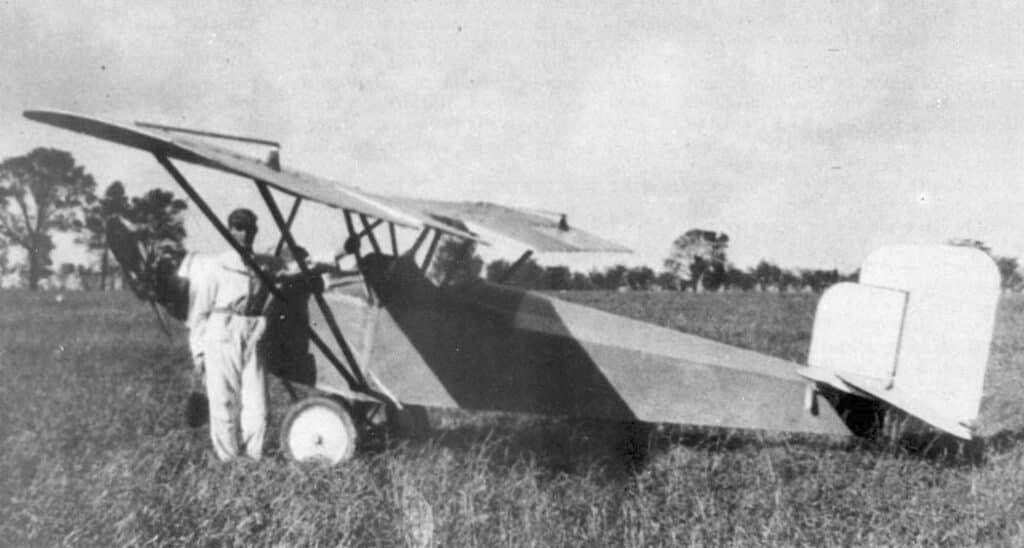
William Henry Cundell Blake grew up on a farm located near the RFC military airfield in Worthy Down. From his youth, he became fascinated with aviation. At the age of 23, he obtained his private pilot’s license at the Hampshire Aero Club in Hamble, flying an Avro Avian.
The Genesis of a Unique Aircraft
In that same year, 1929, Blake conceived the idea of building his own aircraft. Lacking the expertise to design it from scratch, the engineer “compiled” the machine using parts from various aircraft and vehicles.
The fuselage came from a Simmonds Spartan, the wings from an Avro 504K (slightly shortened), the engine from a drone tested by the RFC as a “flying bomb,” the landing gear wheels from a De Havilland Moth, and the 13-liter fuel tank from a Morgan car.
First Flight, Oblivion, and Restoration
In 1930, the aircraft, named Blake Bluetit, made its first flight. It was a two-seater, braced high-wing monoplane, equipped with a two-cylinder 35 hp ABC Gnat engine and a two-bladed propeller.
The aircraft did not fly for long before it was disassembled and forgotten for many years. In 1968, it was discovered on Woodharms farm, but it was not until the late 2010s that a full restoration was decided upon.
Technical Specifications
| Modification | Bluetit |
| Wingspan, m | 8.43 |
| Length, m | 7.30 |
| Engine type | 1 Piston engine ABC Gnat |
| Power, hp | 1 x 35 |
| Crew, crew members | 2 |
Image and diagram gallery of the Blake Bluetit
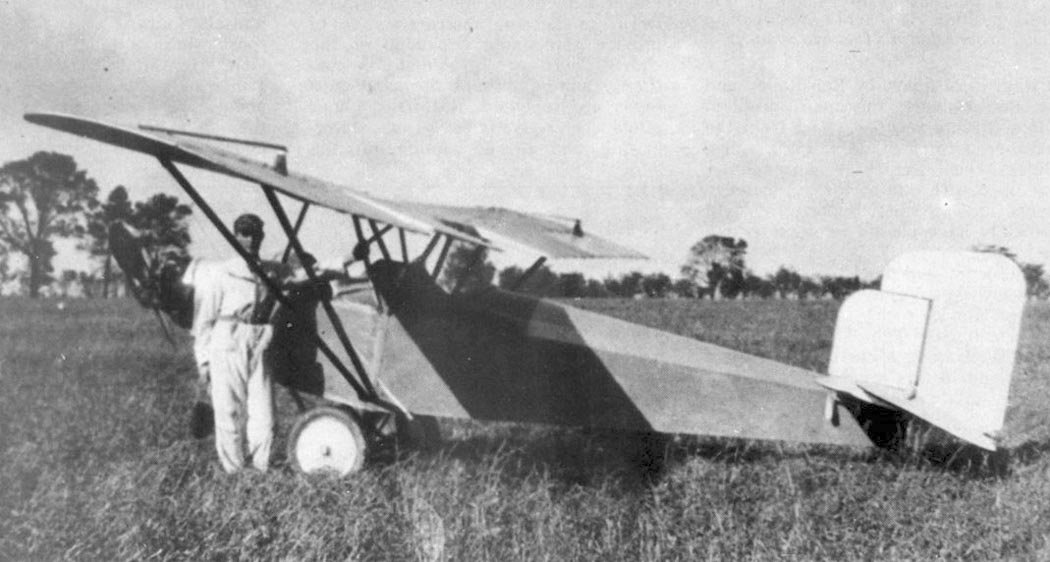 Bluetit |
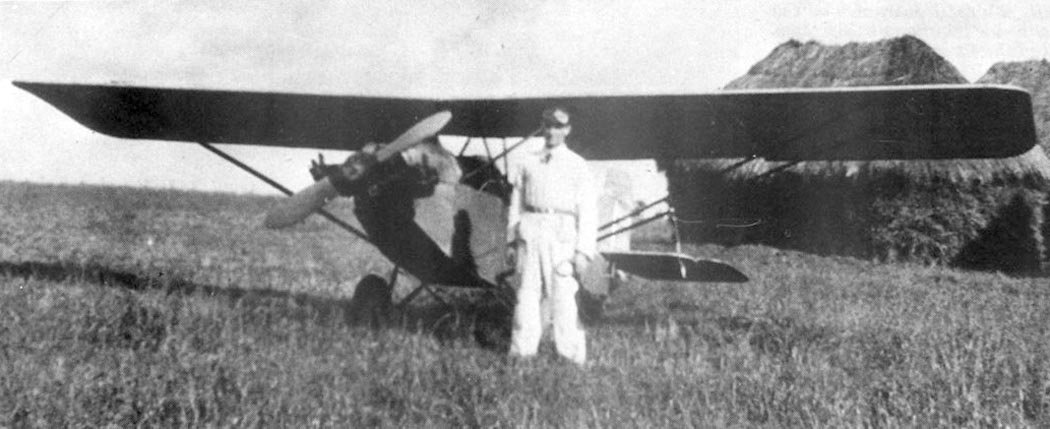 Bluetit |
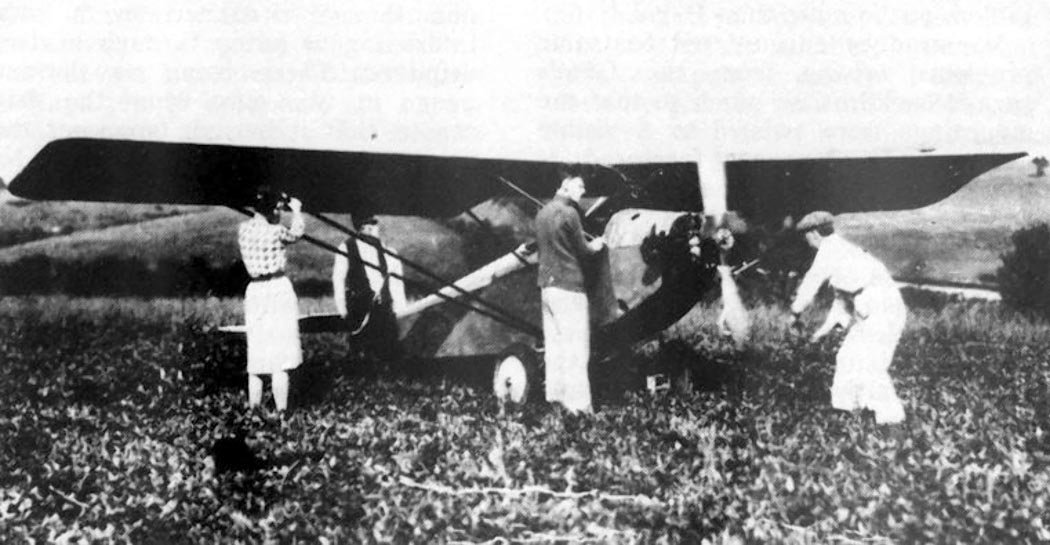 Bluetit |
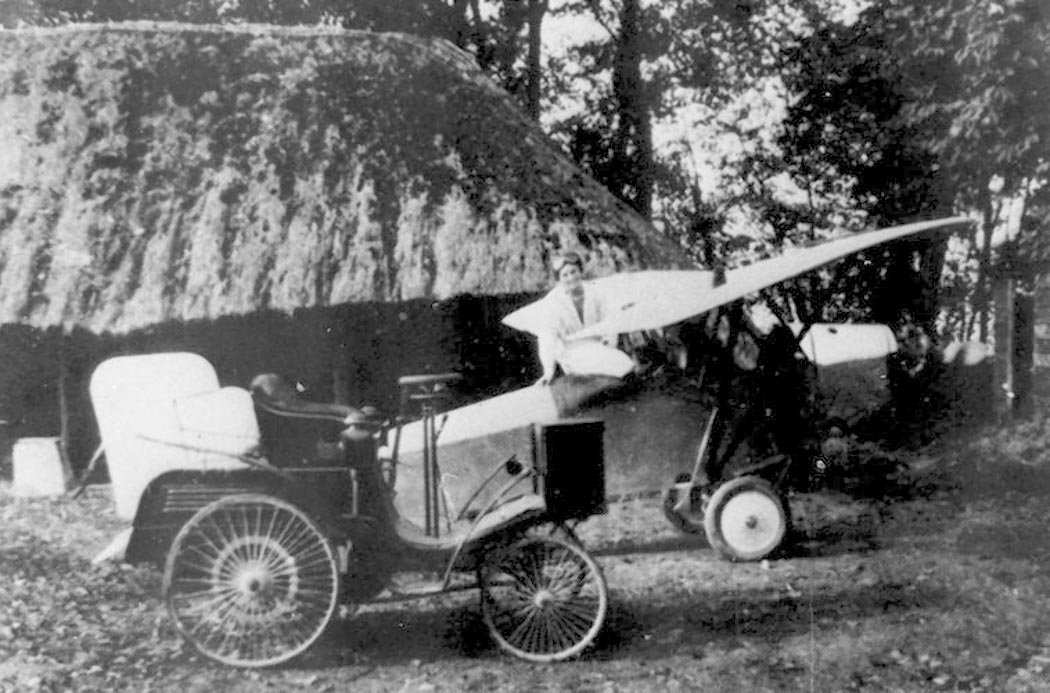 Bluetit |
ArchivoAéreo Editorial Team
A group of aviation researchers and enthusiasts dedicated to documenting and preserving global aeronautical history. All articles are reviewed to ensure historical accuracy.
Sources & Accuracy
The information presented in this technical sheet has been compiled from declassified flight manuals, historical archives, and specialized literature. While we strive for maximum accuracy, some performance data may vary depending on the specific variant or operational conditions.