Blanchard C1 (BB-1)
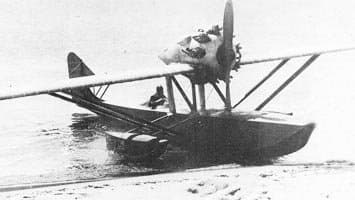
French engineer Maurice Blanchar founded his company, Société des Avions Blanchard, in early 1923. Almost immediately, he was commissioned to build a racing seaplane for participation in the 7th Schneider Cup (Coupe d’Aviation Maritime Jacques Schneider). Blanchar didn’t have time to create a design from scratch, so he decided to use his existing fighter seaplane project, the Blanchar C1.
By the summer of that year, the prototype racing seaplane took to the air. It was a single-seat, wooden, high-wing monoplane with bracing, equipped with a nine-cylinder Gnome-Rhône 9A Jupiter radial engine producing 380 hp (280 kW). During testing, the C1 achieved a maximum speed of 220 km/h, which was good for the time but too slow to win the races.
Enhanced Performance and Specifications
Consequently, a Jupiter engine boosted to 550 hp was installed in the second prototype of the seaplane. According to Blanchar’s calculations, this modification was expected to allow the aircraft to reach speeds of up to 270 km/h.
According to the race organizers’ requirements, France could only submit three types of aircraft. After extensive discussions and tests in September 1923, the STAé selected two CAMS 38s, two Latham seaplanes (L.1 and L.2), and two Blanchar machines. These seaplanes are often referred to as Blanchar BB-1, though this was likely an unofficial designation.
The Disappointing Schneider Cup Campaign
However, none of Maurice Blanchar’s seaplanes ever reached the race venue on the British Isle of Wight. The first was “cut” by the STAé due to its insufficient speed, and the second sustained damage. Overall, this Schneider Cup ended quite sadly for the French: both Latham seaplanes were damaged before the start, and the sole participant was a CAMS 38, piloted by Maurice Hurel, but even it only completed the first lap.
Following this failure, the French no longer participated in the Schneider Trophy races. The competition was ultimately won by the American CR-3, which achieved a maximum speed of 291 km/h.
Technical Specifications
| Modification | Blanchard С1 |
| Wingspan, m | 12.25 |
| Length, m | 9. 75 |
| Height, m | 3. 30 |
| Wing area, m2 | 21.00 |
| Empty weight | 950 |
| Maximum takeoff weight | 1300 |
| Engine type | 1 Piston engine Gnome-Rhône 9A Jupiter |
| Power, hp | 1 x 380 |
| Maximum speed, km/h | 220 |
| Crew | 1 crew member |
Image and diagram gallery of the Blanchard C1 (BB-1)
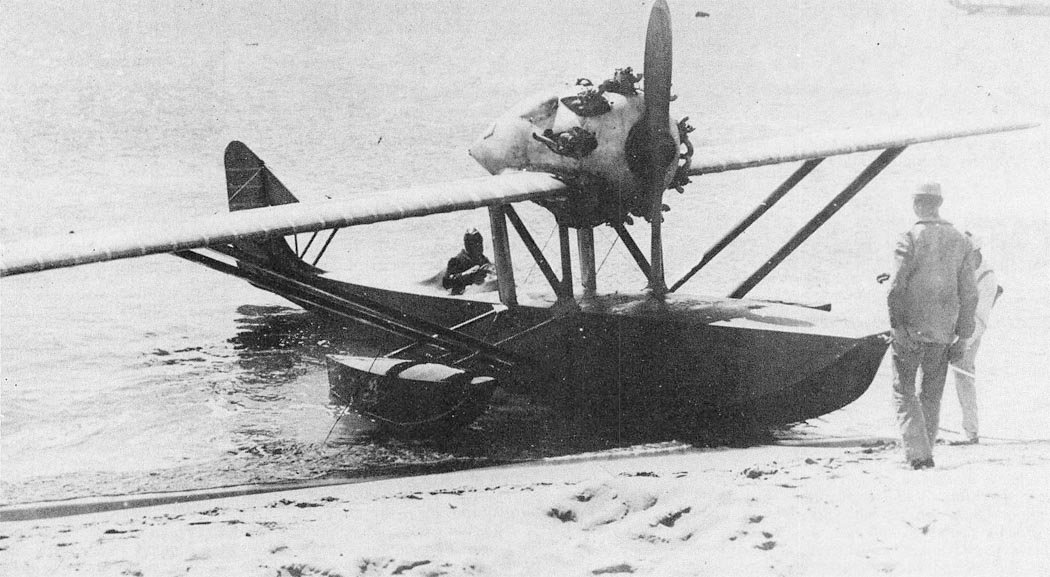 Blanchard C1 (BB-1) |
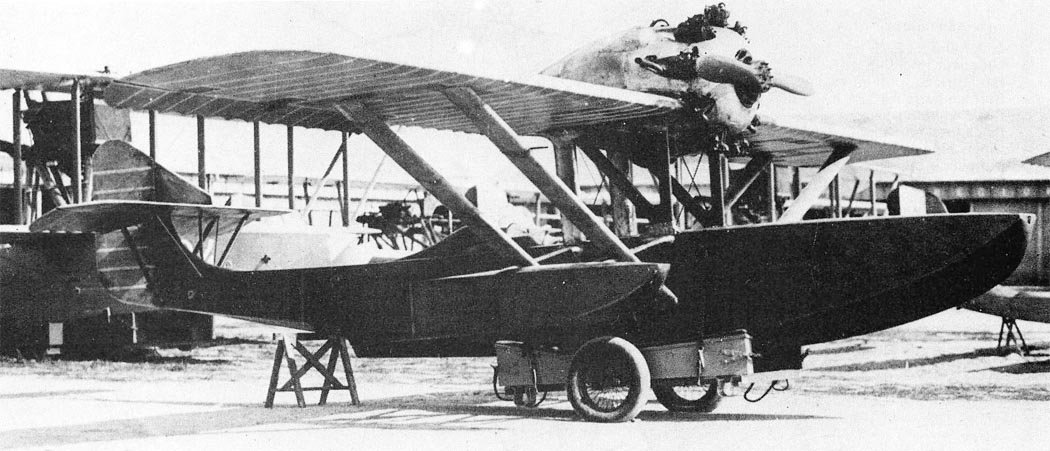 Blanchard C1 (BB-1) |
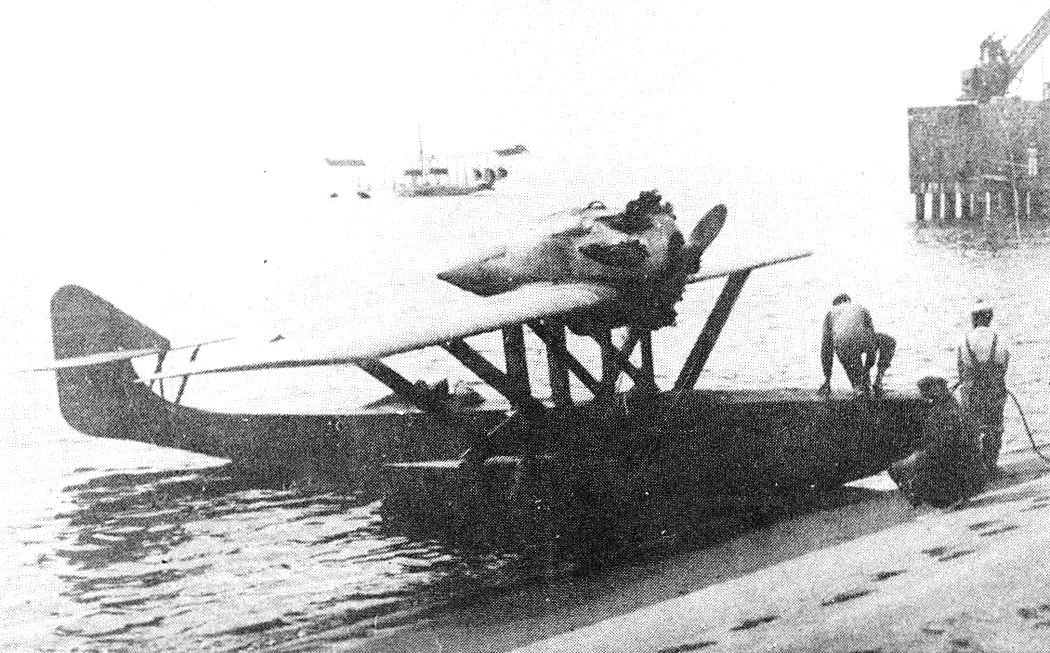 Blanchard C1 (BB-1) |
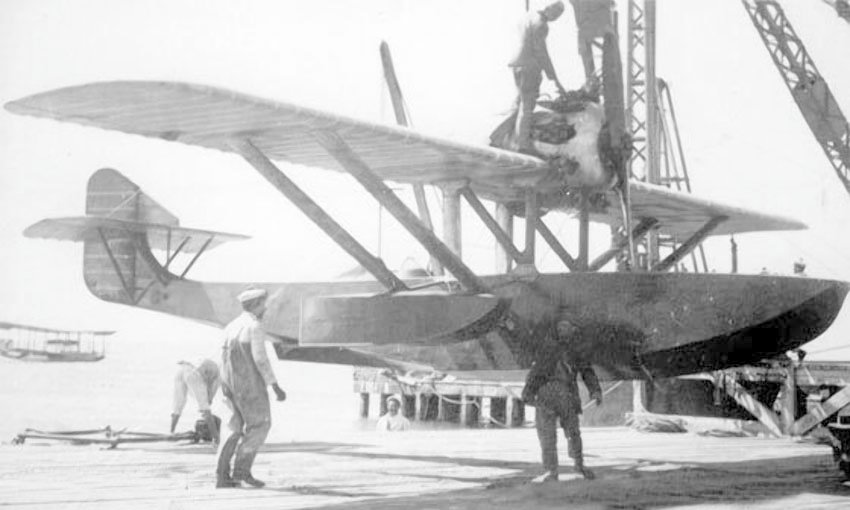 Blanchard C1 (BB-1) |
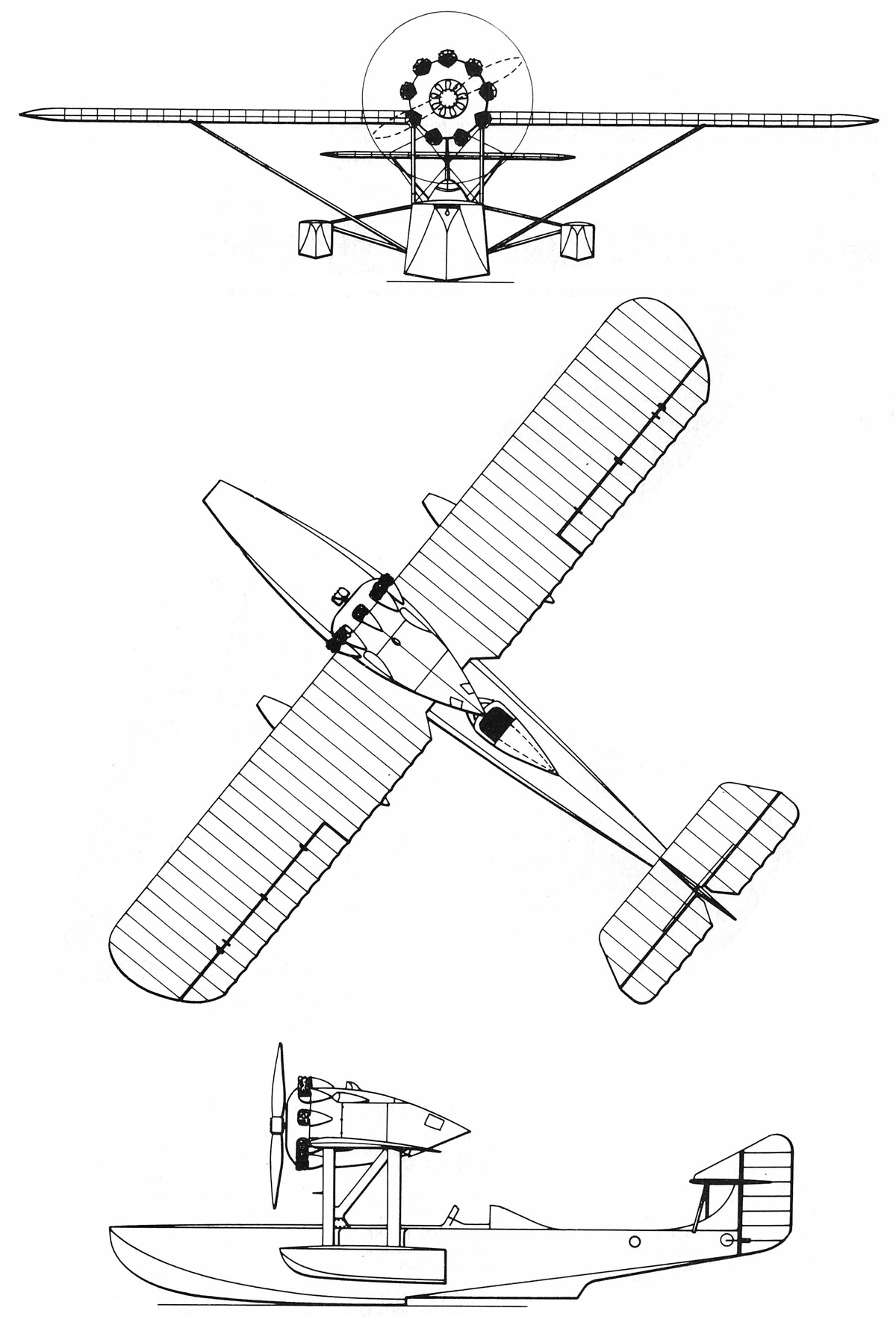 Blanchard C1 (BB-1) |
ArchivoAéreo Editorial Team
A group of aviation researchers and enthusiasts dedicated to documenting and preserving global aeronautical history. All articles are reviewed to ensure historical accuracy.
Sources & Accuracy
The information presented in this technical sheet has been compiled from declassified flight manuals, historical archives, and specialized literature. While we strive for maximum accuracy, some performance data may vary depending on the specific variant or operational conditions.