Blériot 106
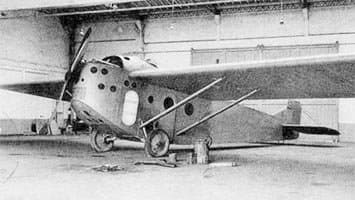
The Blériot 106 was a transport aircraft developed by engineer Léon Kirste for the French company Blériot Aéronautique. The Bl.106 was conceived as a seven-seater braced high-wing monoplane, powered by a Renault 12Jb engine delivering 480 hp (358 kW).
Design and Specifications
Its unique configuration featured one pilot positioned in an open cockpit located on top of the fuselage, directly behind the engine. Below, a closed cabin was designed to accommodate six passengers, ensuring comfort during transport.
Operational History and Legacy
The aircraft’s maiden flight occurred on August 15, 1925. Later that same year, there was a decision to convert the aircraft into a medical evacuation version. However, the project did not see further development, and only a single unit of the Blériot 106 was ever constructed.
Technical Specifications
| Modification | Bl-106 |
| Wingspan, m | 18.00 |
| Length, m | 12.20 |
| Height, m | 3.50 |
| Wing area, m2 | 59.00 |
| Empty weight | 1700 |
| Normal takeoff weight | 2700 |
| Engine type | 1 Piston engine Renault 12Jb |
| Power, hp | 1 x 480 |
| Maximum speed, km/h | 180 |
| Cruising speed, km/h | 160 |
| Service ceiling, m | 4000 |
| Crew | 1 |
| Payload | up to 6 passengers |
Image and diagram gallery of the Blériot 106
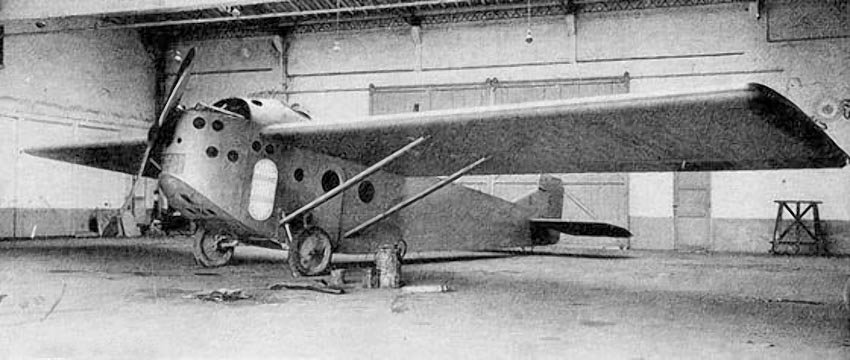 Blériot 106. Photography: aviafrance.com |
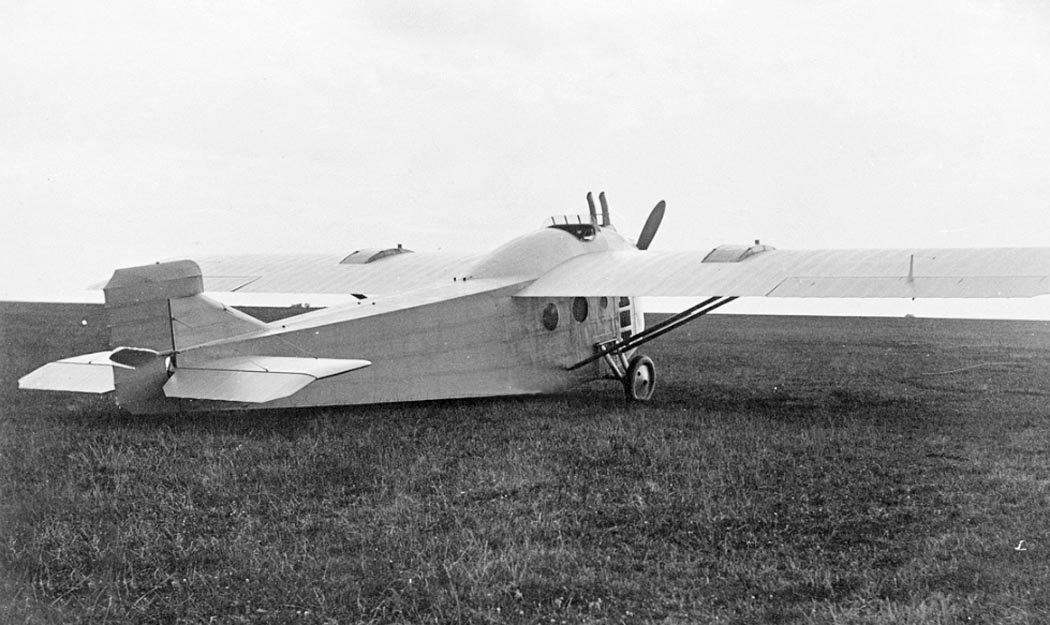 Blériot 106 |
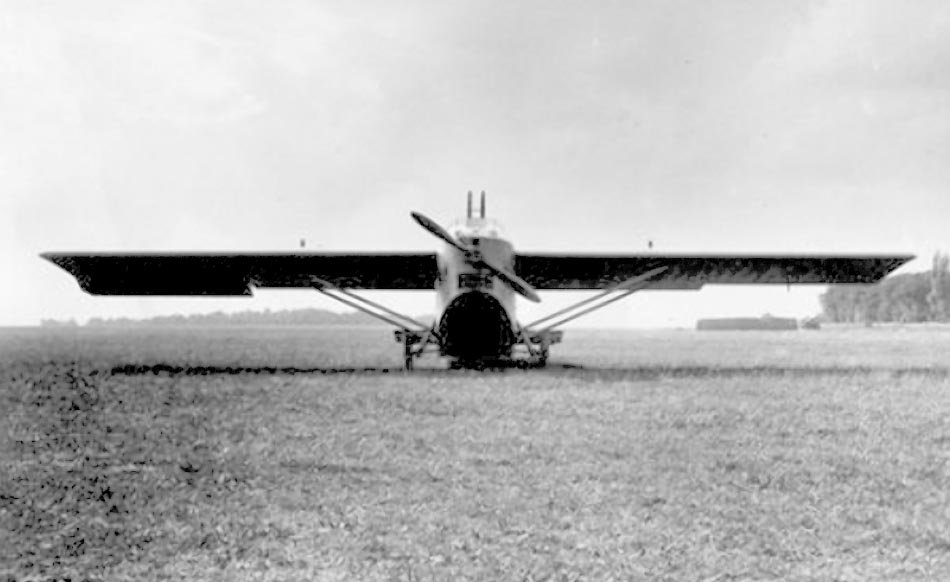 Blériot 106 |
ArchivoAéreo Editorial Team
A group of aviation researchers and enthusiasts dedicated to documenting and preserving global aeronautical history. All articles are reviewed to ensure historical accuracy.
Sources & Accuracy
The information presented in this technical sheet has been compiled from declassified flight manuals, historical archives, and specialized literature. While we strive for maximum accuracy, some performance data may vary depending on the specific variant or operational conditions.