Bleriot 135
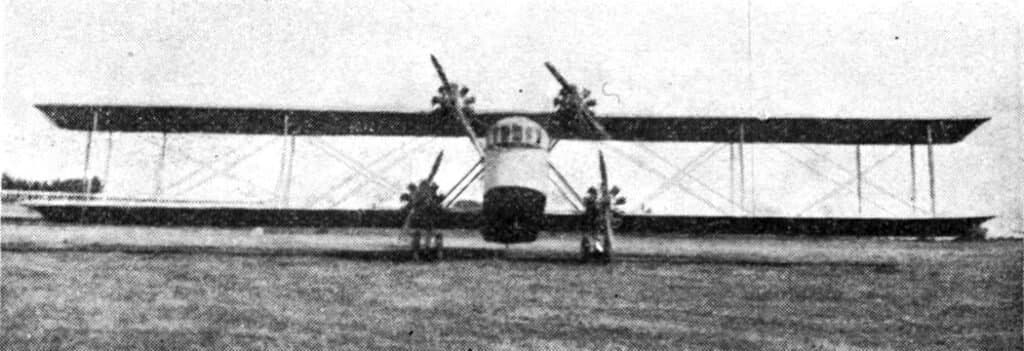
The Bleriot 135 was a transport aircraft developed by the French firm Bleriot. It represented a significant evolution of its predecessor, the mixed-structure Bleriot 115 biplane. Unlike the earlier model, the new aircraft was equipped with four Salmson 9Ab engines, each providing 230 hp (172 kW).
The passenger cabin of the Bleriot 135 was designed to comfortably accommodate 8 people. This configuration reflected the burgeoning needs of commercial air transport during that era, offering improved capacity and performance for medium-range routes.
First Flight and Competition
The Bleriot 135 made its inaugural flight on July 19, 1924. Later that same year, the aircraft was presented at the prestigious “Grand Prix des avions de transport” competition, where it showcased its technical and operational capabilities.
A total of two Bl.135 units were completed. One was a direct conversion from a Bleriot 115 (registered F-ESBB), while the second was a newly built aircraft (identified as F-ESBE).
Commercial Service and Future Projects
Both Bleriot 135 transport aircraft were subsequently delivered to Air Union, a prominent airline of the period. They primarily operated on the busy Paris-London route, contributing to the early establishment of international air travel.
Although a project existed to convert the aircraft into a bomber variant, designated Bleriot 136, this ambitious design never progressed beyond the planning stage and remained only on paper.
Technical Specifications
| Modification | Bl-135 |
| Wingspan, m | 25.00 |
| Length, m | 14.45 |
| Height, m | 4.22 |
| Wing area, m2 | 126.00 |
| Empty weight | 3218 |
| Normal takeoff weight | 5300 |
| Engine type | 4 Piston engine Salmson 9Ab |
| Power, hp | 4 x 230 |
| Maximum speed, km/h | 190 |
| Cruising speed, km/h | 165 |
| Practical range, km | 570 |
| Service ceiling, m | 5100 |
| Crew, crew members | 3 |
| Payload | 6-8 passengers |
Image and diagram gallery of the Bleriot 135
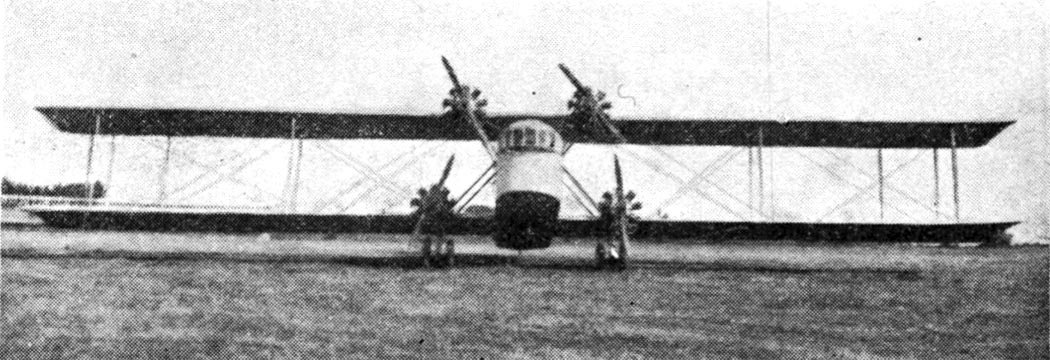 Bleriot 135 |
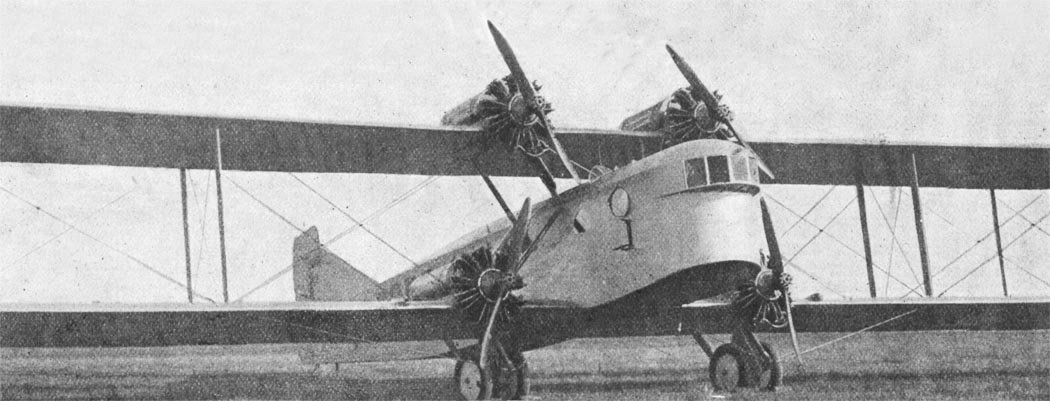 Bleriot 135 |
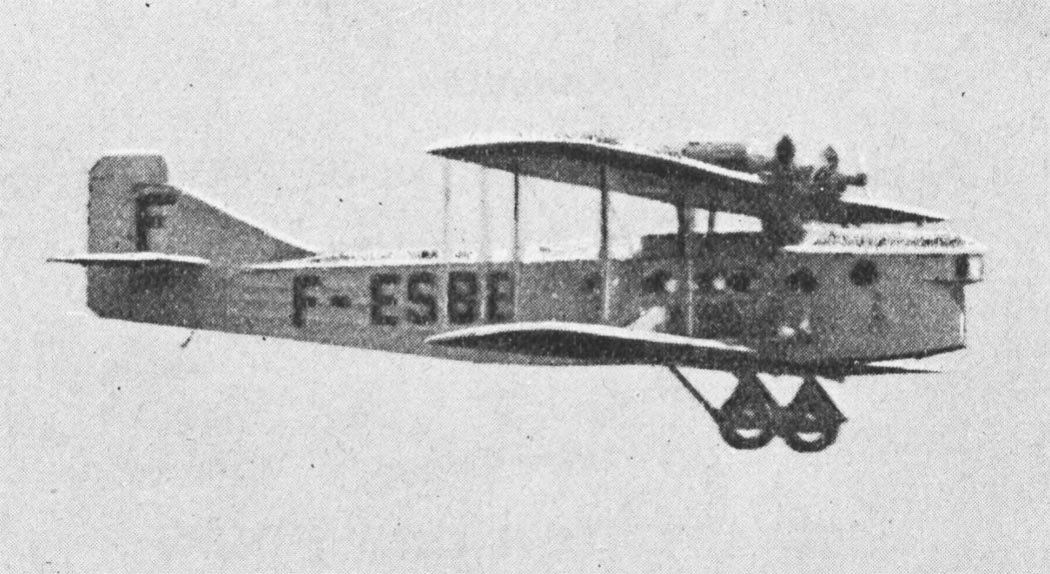 Bleriot 135 |
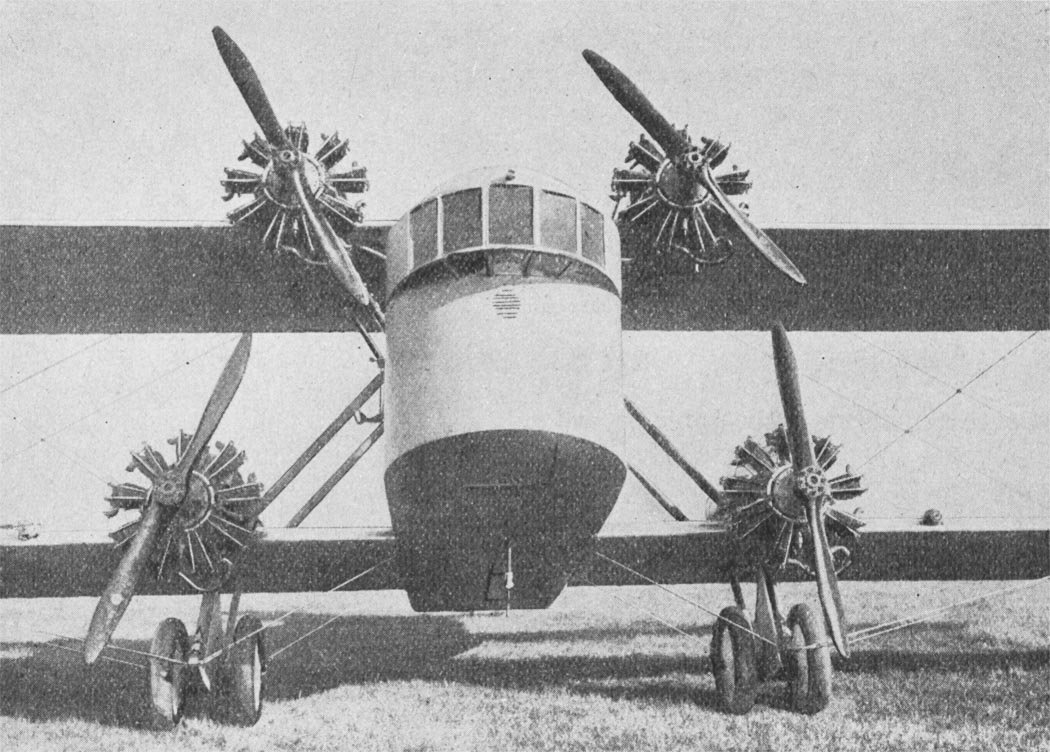 Bleriot 135 |
ArchivoAéreo Editorial Team
A group of aviation researchers and enthusiasts dedicated to documenting and preserving global aeronautical history. All articles are reviewed to ensure historical accuracy.
Sources & Accuracy
The information presented in this technical sheet has been compiled from declassified flight manuals, historical archives, and specialized literature. While we strive for maximum accuracy, some performance data may vary depending on the specific variant or operational conditions.