Bleriot 155
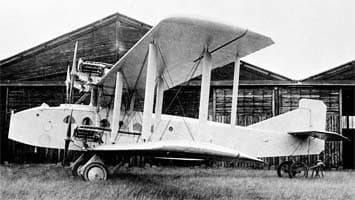
The Bleriot 155 was a transport aircraft developed by the French firm Bleriot. This aircraft was designed as an evolution, based on the earlier Bleriot 135 transport aircraft. The prototype successfully completed its maiden flight on July 29, 1925, marking an important step in commercial aviation.
Technical Specifications
The Bleriot 155 was configured as a biplane, a common design for stability and lift during that era. It was powered by four powerful Renault 8Fg engines, each delivering 230 horsepower. This robust design allowed the aircraft to transport up to 17 passengers, making it a significant carrier for its time.
Operational History
Only two examples of the Bleriot 155 were ever built. These aircraft entered service with the prominent airline Air Union. They were primarily utilized on the crucial and popular route connecting Paris and London, playing a role in the nascent international air transport network.
Technical Specifications
| Modification | Bl-155 |
| Wingspan, m | 26.00 |
| Length, m | 14.75 |
| Height, m | 5. 23 |
| Wing area, m2 | 135.00 |
| Empty weight | 3650 |
| Normal takeoff weight | 6350 |
| Engine type | 4 Piston engine Renault 8Fg |
| Power, hp | 4 x 230 |
| Maximum speed, km/h | 175 |
| Cruising speed, km/h | 152 |
| Practical range, km | 500 |
| Service ceiling, m | 4000 |
| Crew, crew | 3 |
| Payload: | maximum – up to 17 passengers |
Image and diagram gallery of the Bleriot 155
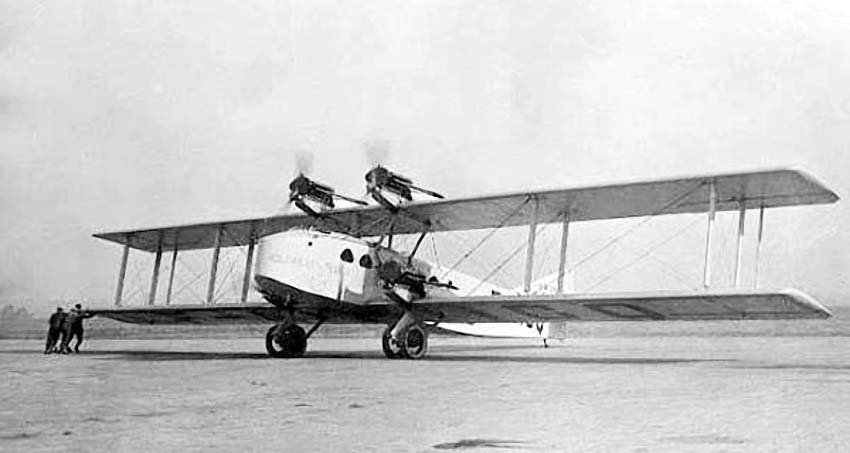 Bleriot 155 |
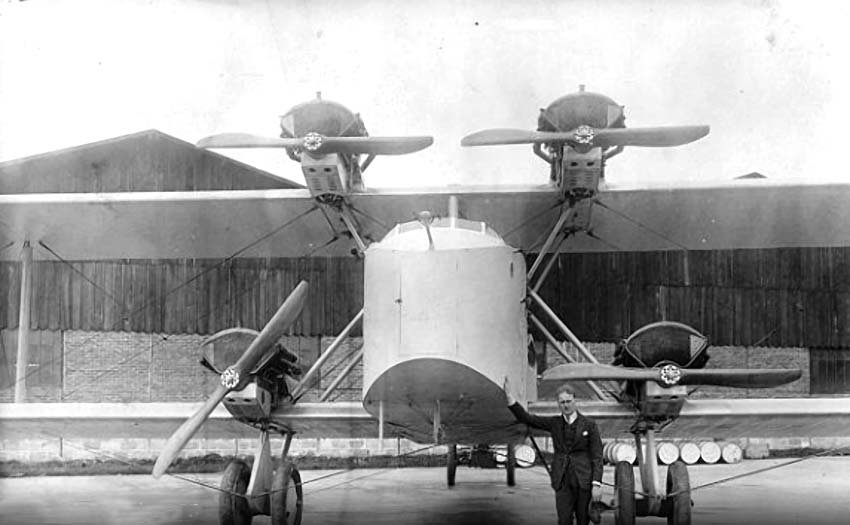 Bleriot 155 |
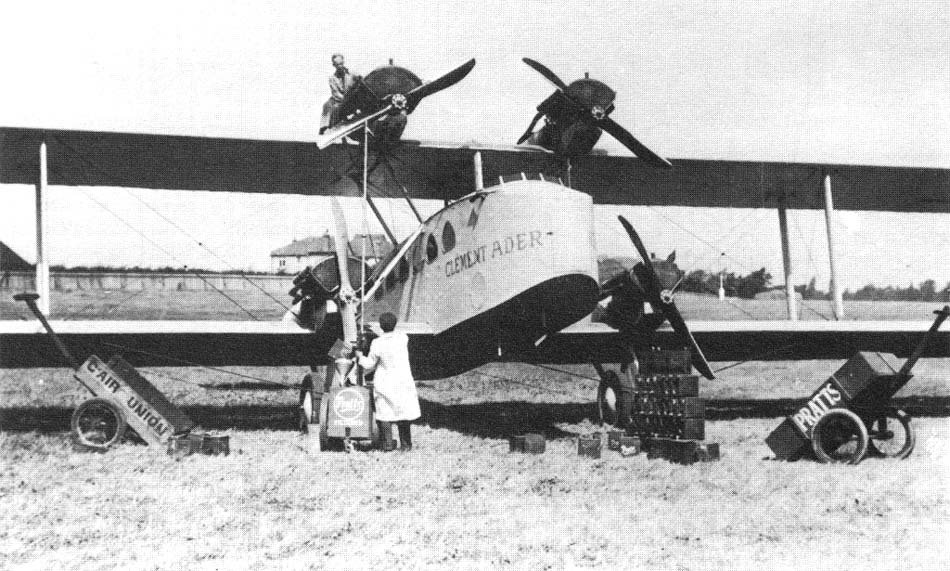 Bleriot 155 |
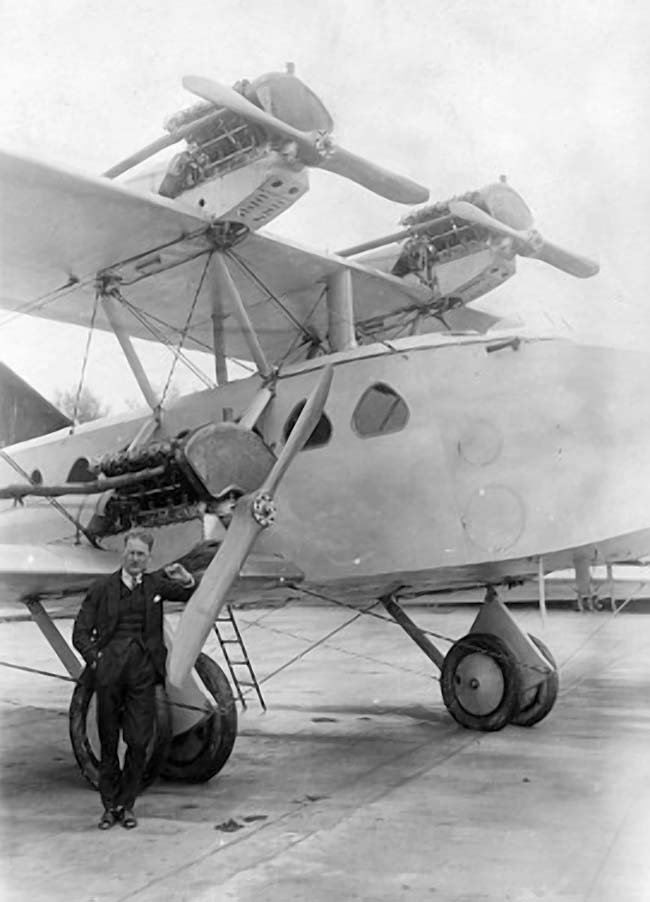 Bleriot 155 |
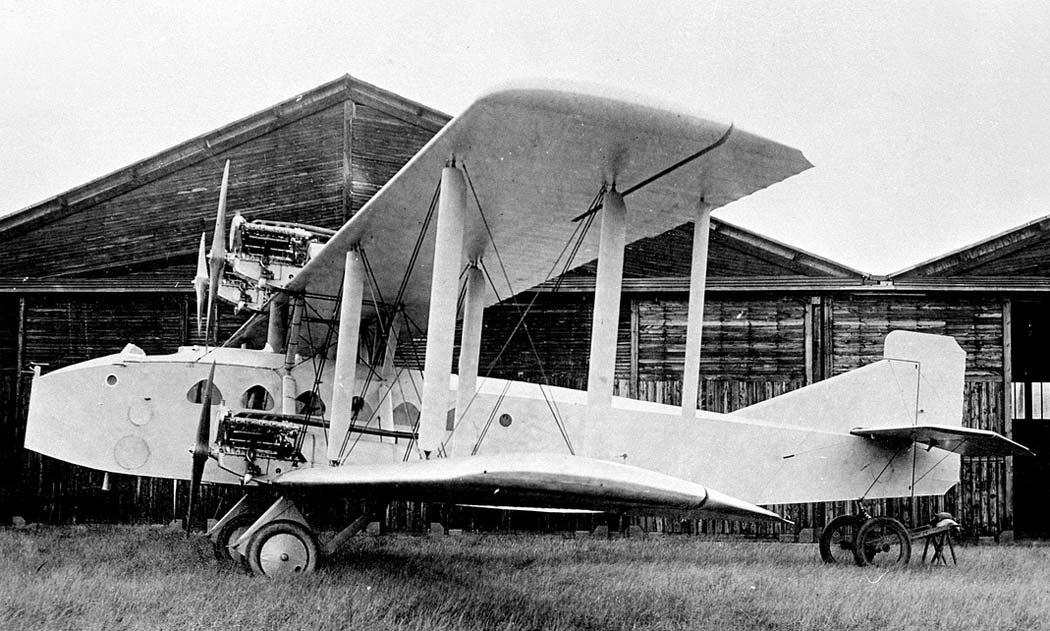 Bleriot 155 |
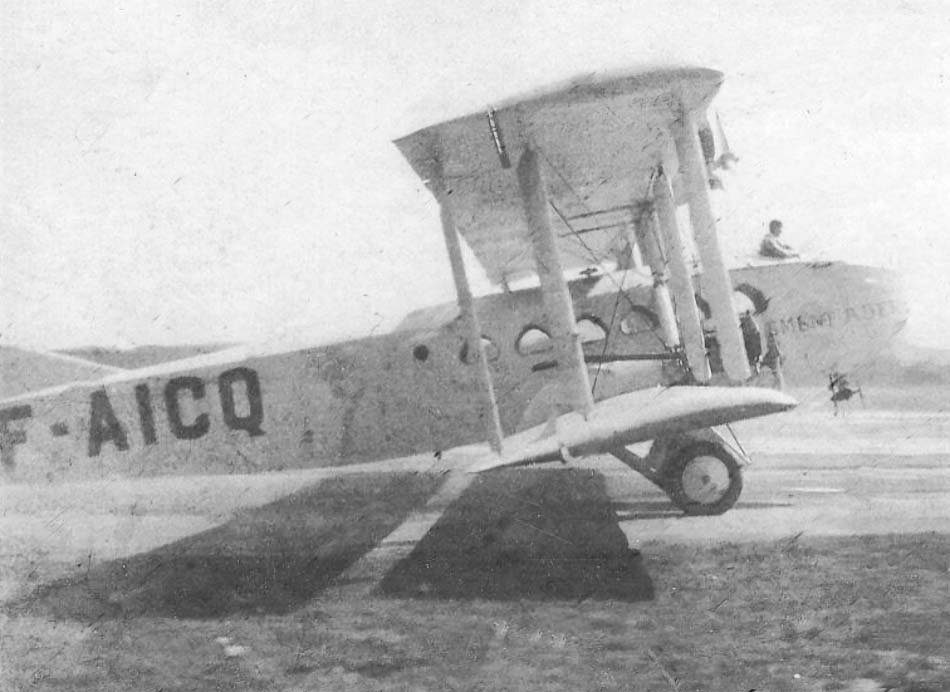 Bleriot 155 |
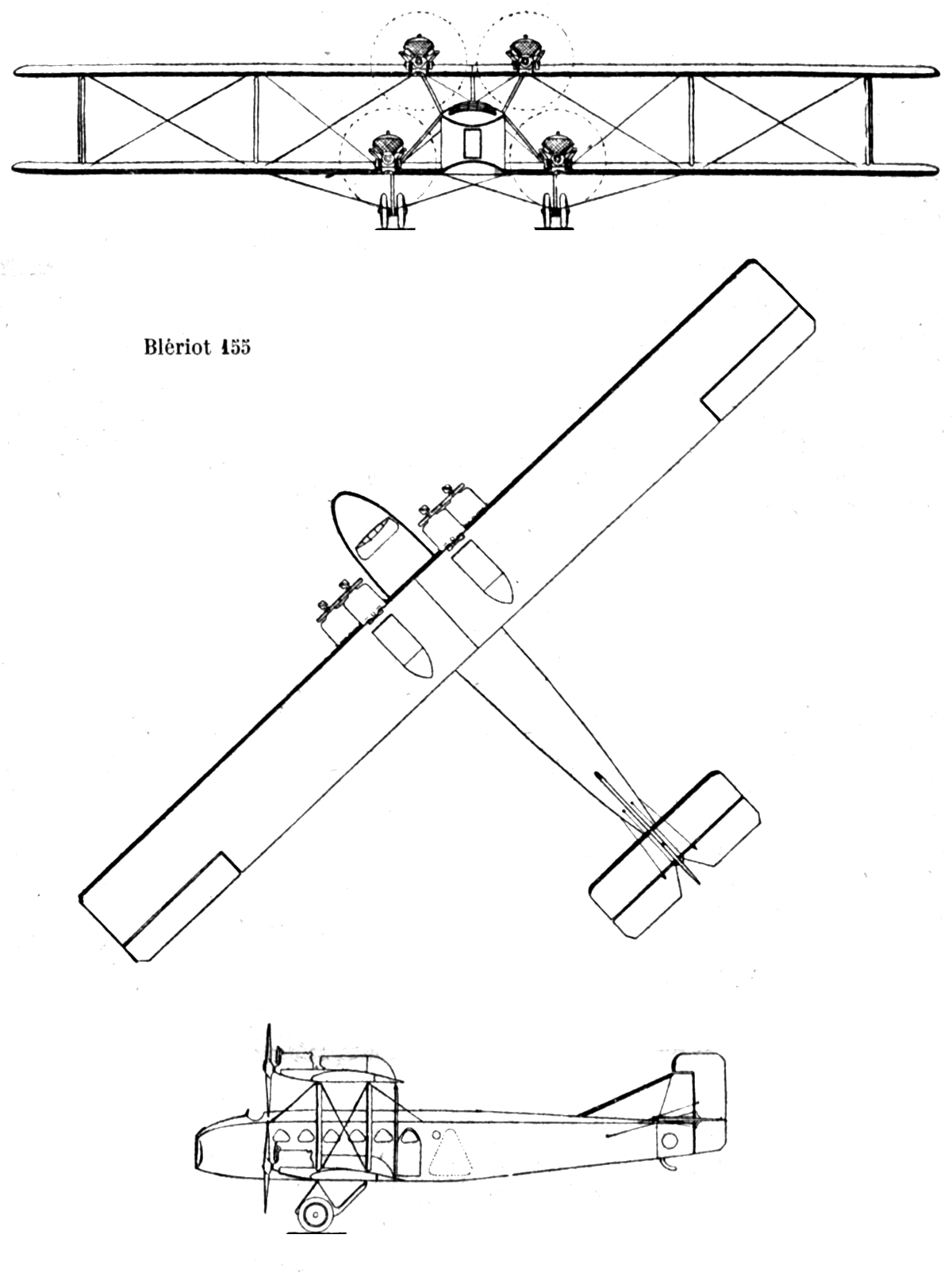 Bleriot 155 |
ArchivoAéreo Editorial Team
A group of aviation researchers and enthusiasts dedicated to documenting and preserving global aeronautical history. All articles are reviewed to ensure historical accuracy.
Sources & Accuracy
The information presented in this technical sheet has been compiled from declassified flight manuals, historical archives, and specialized literature. While we strive for maximum accuracy, some performance data may vary depending on the specific variant or operational conditions.