Bleriot 71
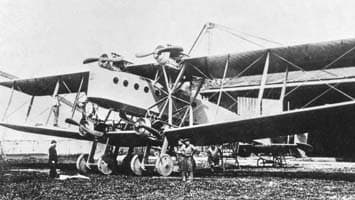
Following the unsuccessful Bleriot B.LXVII (Type 67), engineer Thuot decided to revise the project. The goal was to meet the 1916 requirements for a strategic night bomber, classified as BN3. The aircraft, designated B.LXXI (Type 71), resembled the Type 67 but was significantly larger.
Equipped with two 220 hp Hispano-Suiza 8B eight-cylinder engines, the Bleriot 71 boasted twice the power of its predecessor. This advanced version also featured ailerons, enhancing its control and maneuverability.
Development and Design
In mid-May 1918, during its testing phase, the bomber suffered an unfortunate accident. While taxiing, the Bleriot 71 collided with a Breguet 14, causing considerable damage to the aircraft.
Testing and Demise
Ultimately, the aircraft was not restored. By that time, the military had already made their selection for the BN3 category, opting instead for the Farman F.50 and Caudron C.23 models.
Technical Specifications
| Modification | Bl 71 |
| Wingspan, m | 26.30 |
| Length, m | 14.00 |
| Height, m | 6. 00 |
| Wing area, m2 | 140.00 |
| Empty weight | 3200 |
| Normal takeoff weight | 6530 |
| Engine type | 4 Hispano-Suiza 8B Piston engines |
| Power, hp | 4 x 220 |
| Maximum speed, km/h | 140 |
| Cruising speed, km/h | 1 10 |
| Crew | 3 |
| Armament | planned – two 7.7-mm machine guns, bomb load – 1500 kg |
Image and diagram gallery of the Bleriot 71
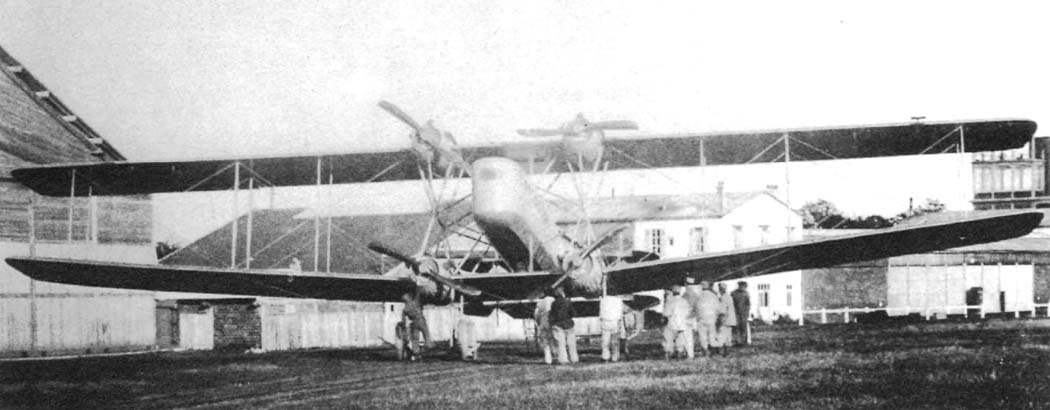 Bleriot 71 |
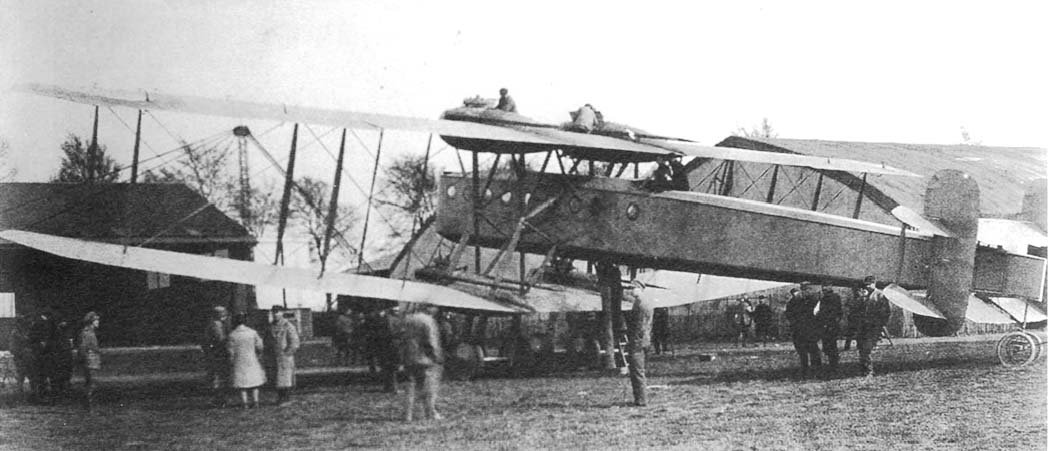 Bleriot 71 |
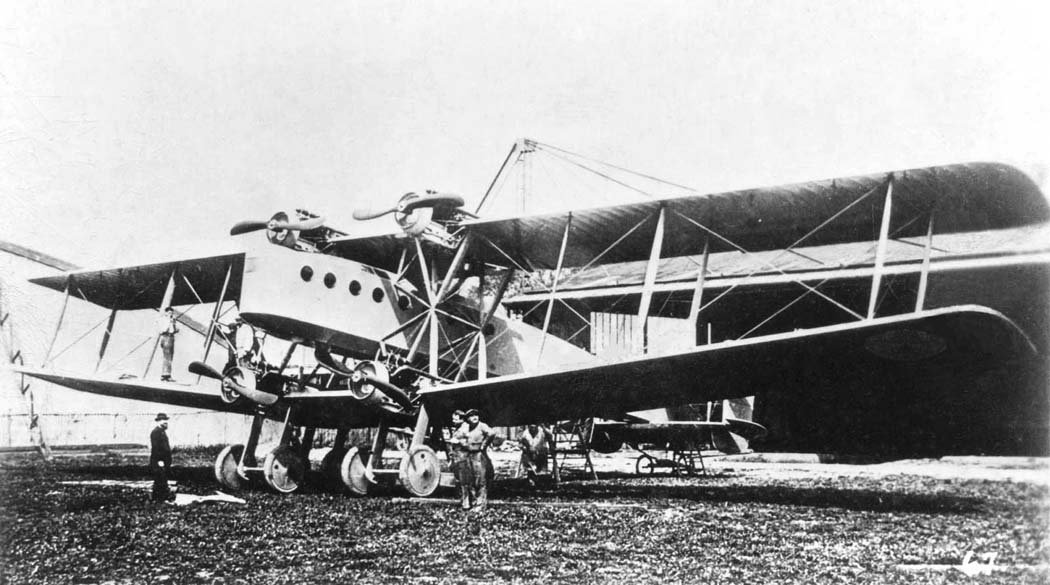 Bleriot 71 |
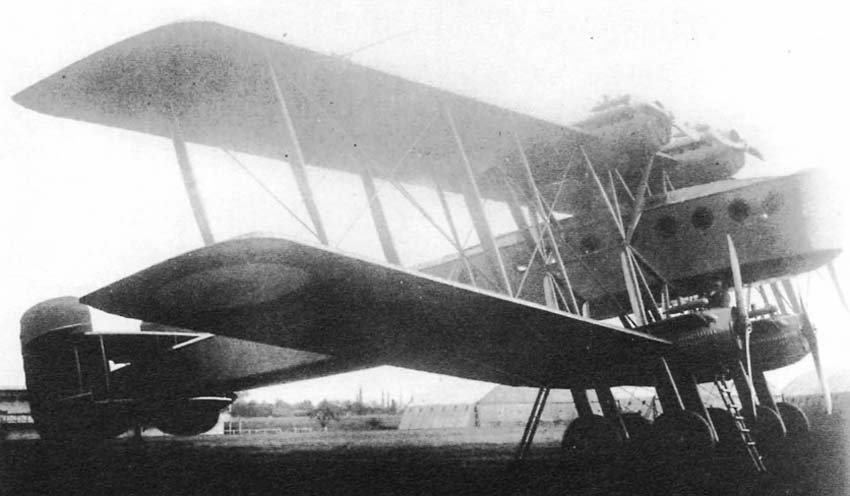 Bleriot 71 |
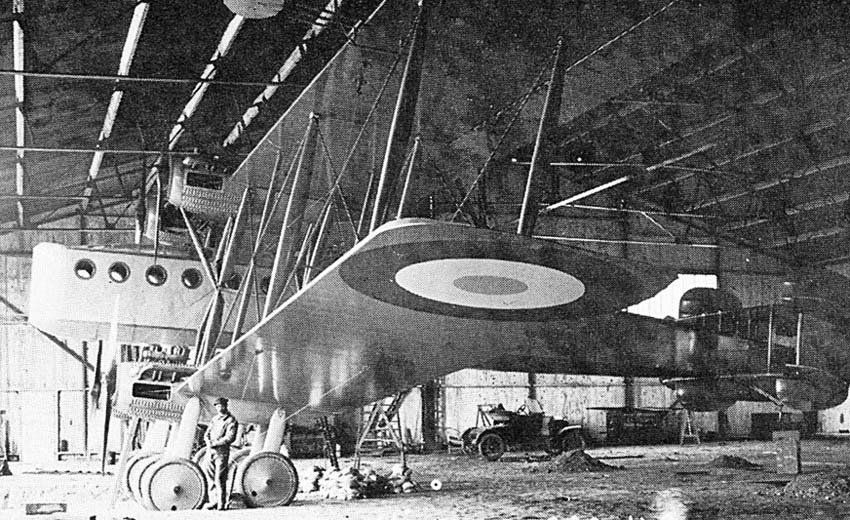 Bleriot 71 |
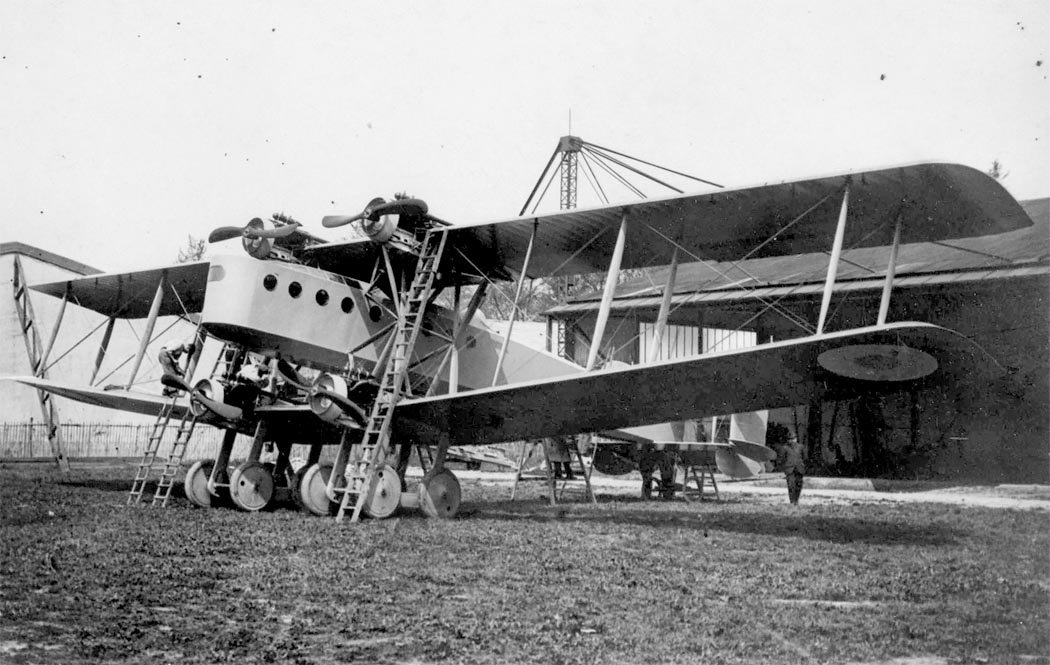 Bleriot 71 |
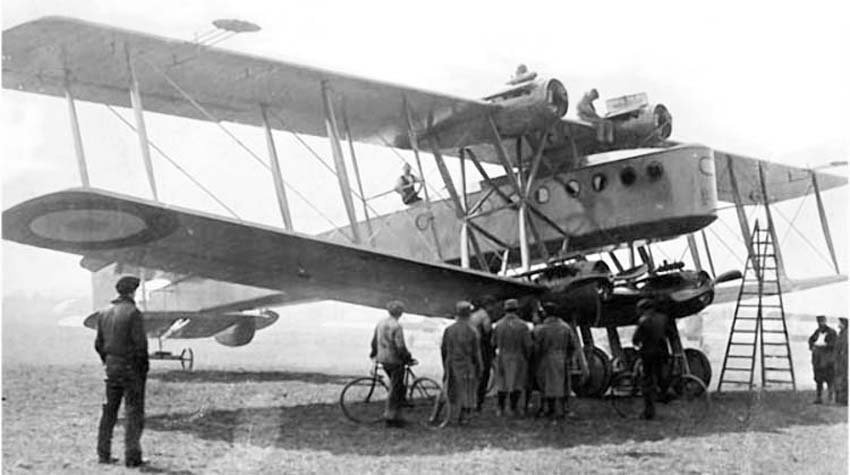 Bleriot 71 |
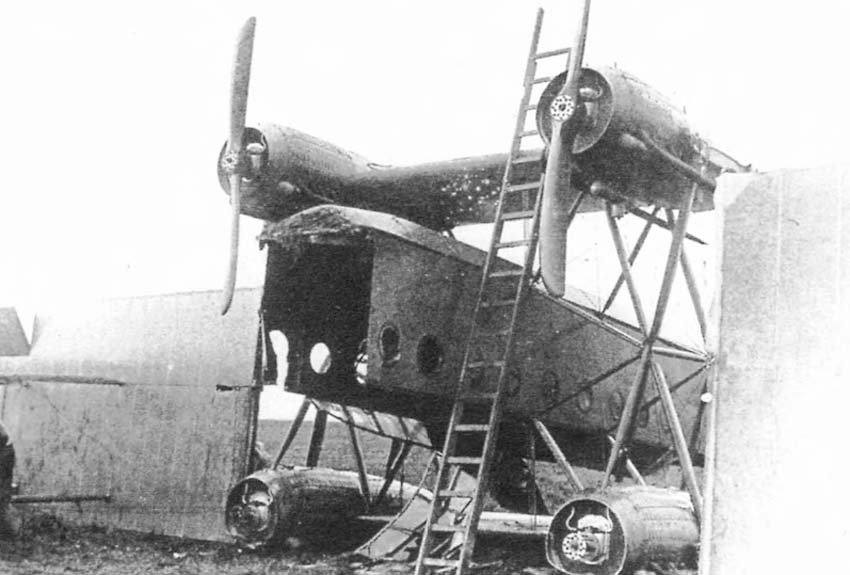 Bleriot 71 |
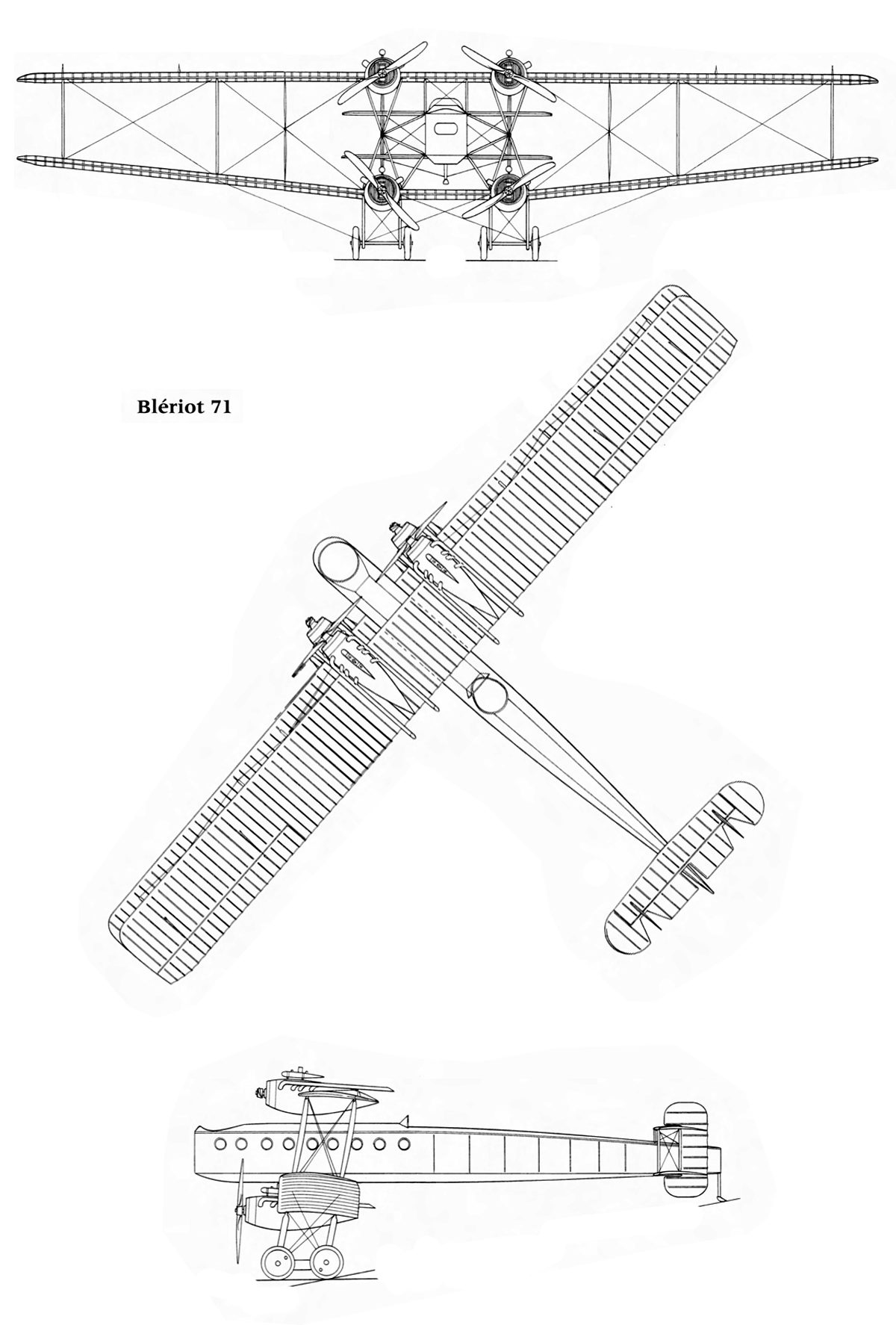 Bleriot 71 |
ArchivoAéreo Editorial Team
A group of aviation researchers and enthusiasts dedicated to documenting and preserving global aeronautical history. All articles are reviewed to ensure historical accuracy.
Sources & Accuracy
The information presented in this technical sheet has been compiled from declassified flight manuals, historical archives, and specialized literature. While we strive for maximum accuracy, some performance data may vary depending on the specific variant or operational conditions.