Blériot 74
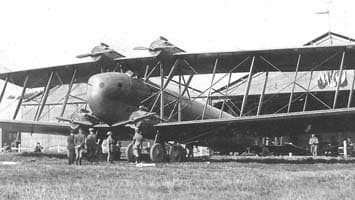
Despite previous bomber tragedies, engineer Touyet remained confident in the “four-engine square” formula, applying it to the creation of the Blériot 74. This aircraft featured a fuselage with a much larger cross-section, designed to accommodate two crew members and a substantial bomb load.
A Post-War Aviation Giant Takes Flight
With the end of the war drawing near and its first flight on October 2, 1918, under Sadi-Lecointe, the commercial potential of this “Jumbo” grew significantly. The aircraft was urgently converted into an airliner, capable of carrying 21 passengers, with a maximum capacity of 26.
The Tragic Fate of the “Mammouth”
Nevertheless, fate once again turned against Blériot’s giants. On January 22, 1919, the “Mammouth” crashed in Buc, claiming the life of its pilot, Armand Berthelot. Berthelot was a renowned ace, credited with 11 aerial victories during the First World War.
Technical Specifications
| Modification | Bl 74 |
| Wingspan, m | 27.00 |
| Length, m | 15.40 |
| Height, m | 6.40 |
| Wing area, m2 | 148.60 |
| Empty weight | 3 800 |
| Normal takeoff weight | 7550 |
| Engine type | 4 Piston engines Hispano-Suiza 8Fb |
| Power, hp | 4 x 300 |
| Maximum speed, km/h | 140 |
| Cruising speed, km/h | 112 |
| Flight endurance, h.min | 6.20 |
| Crew | 4 |
| Armament | two 7.7-mm machine guns, bomb load – 1500 kg |
Image and diagram gallery of the Blériot 74
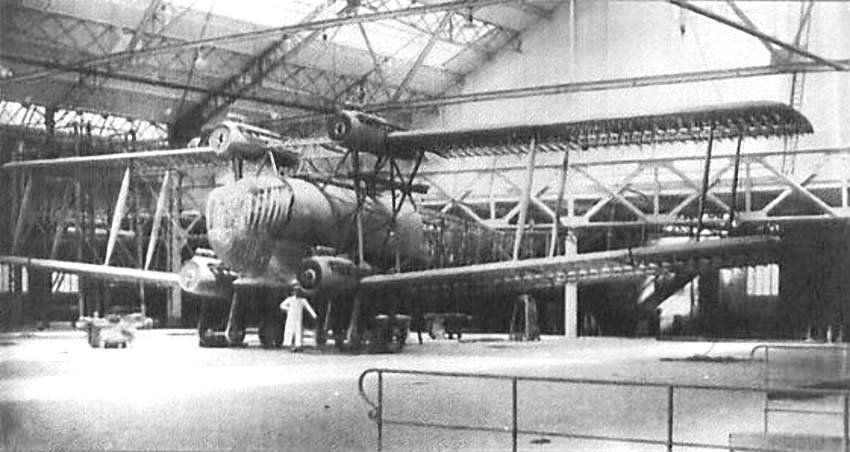 Bleriot 74 |
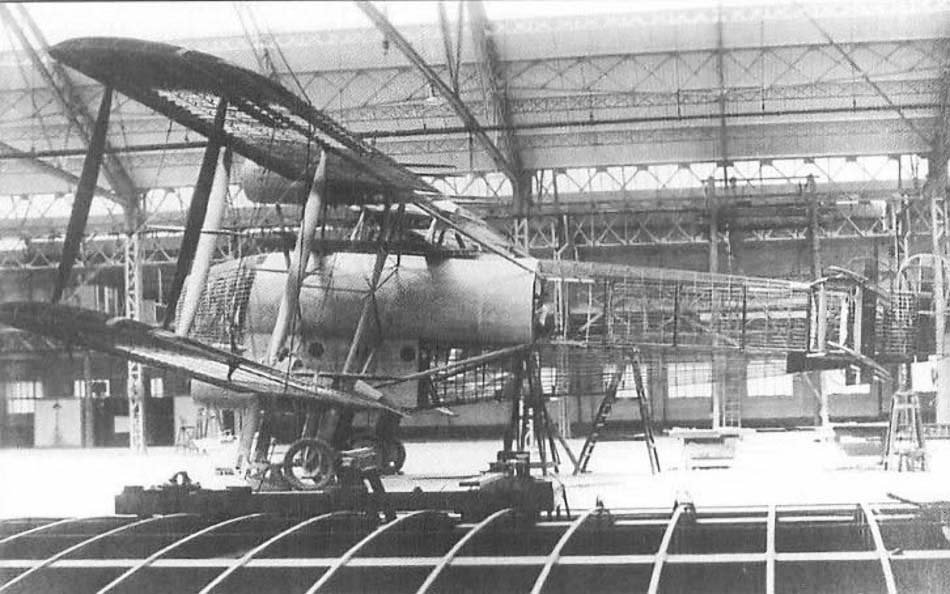 Bleriot 74 |
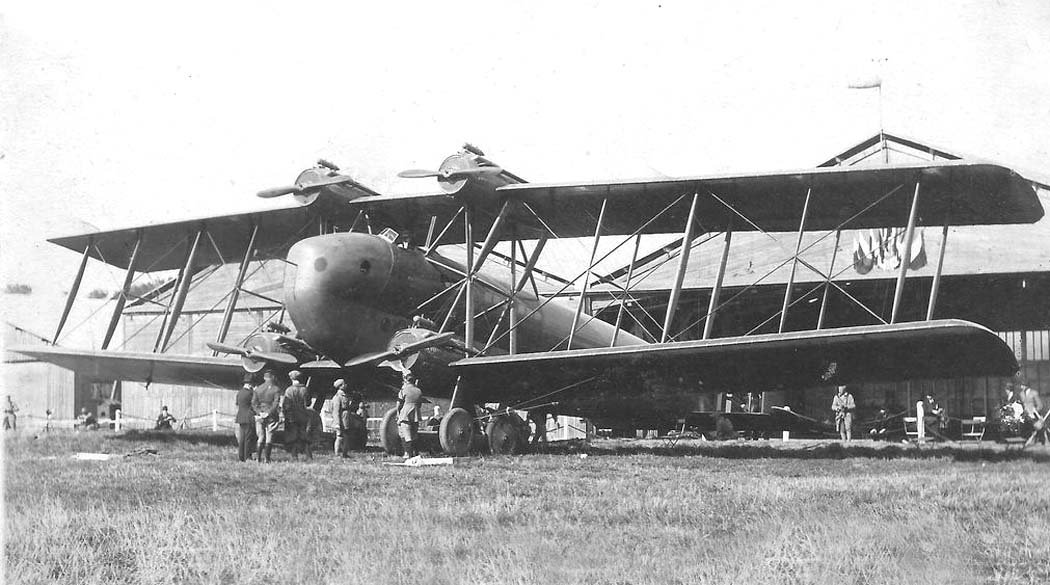 Bleriot 74 |
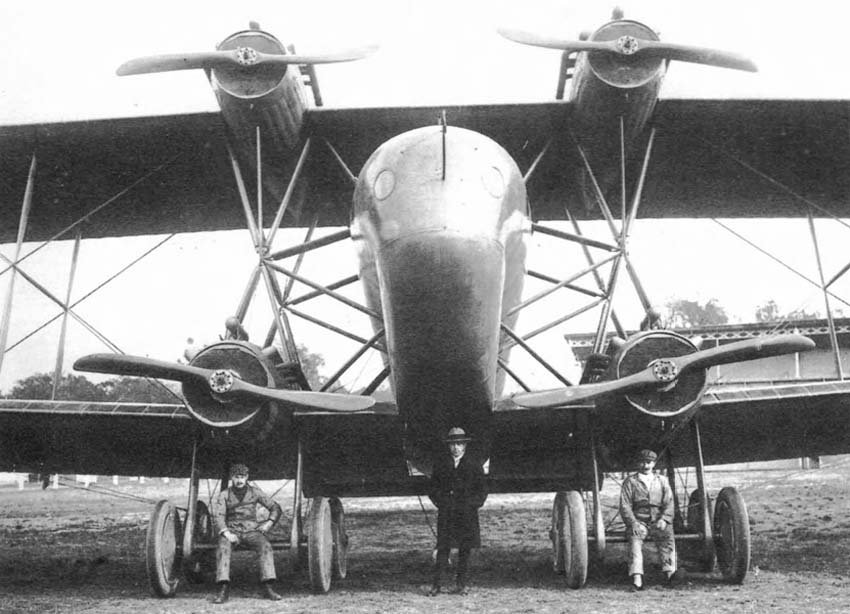 Bleriot 74 |
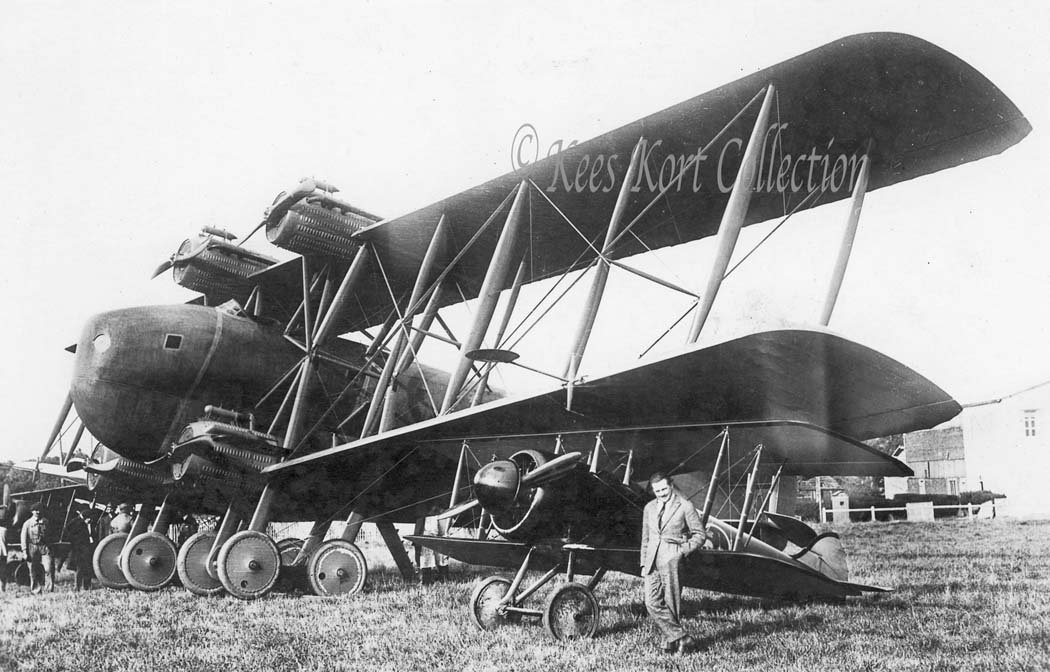 Bleriot 74 |
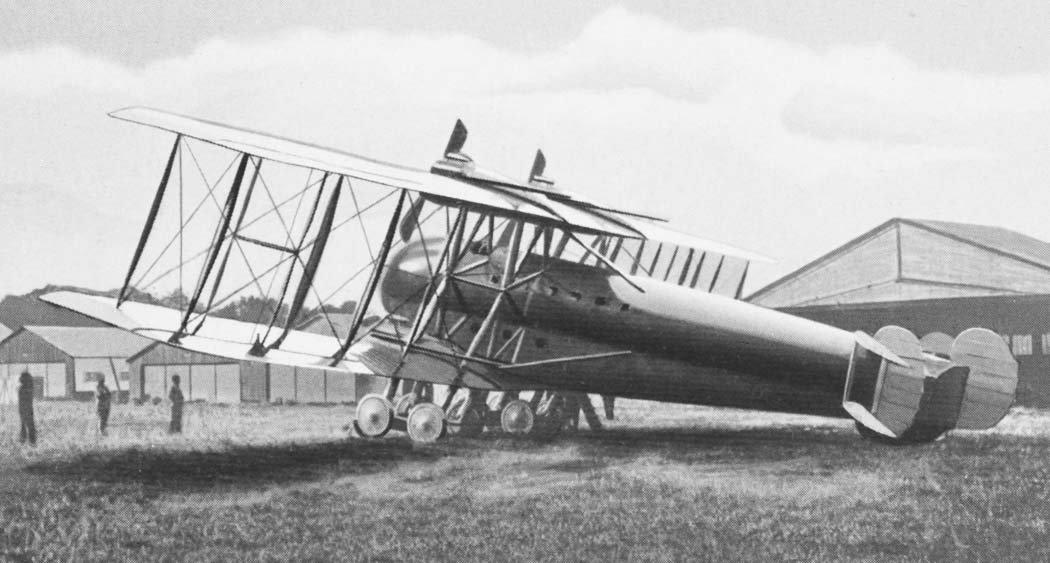 Bleriot 74 |
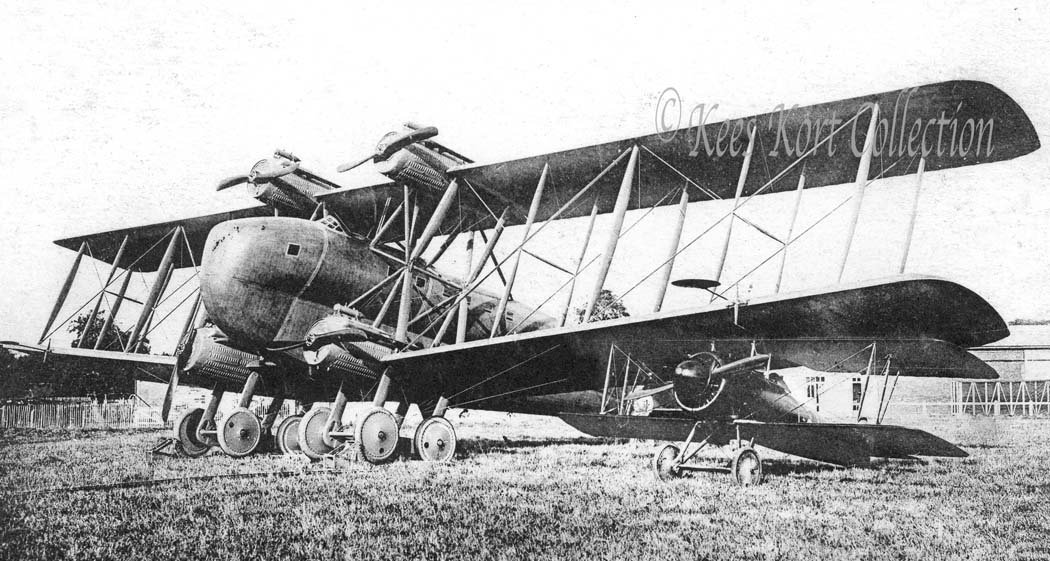 Bleriot 74 |
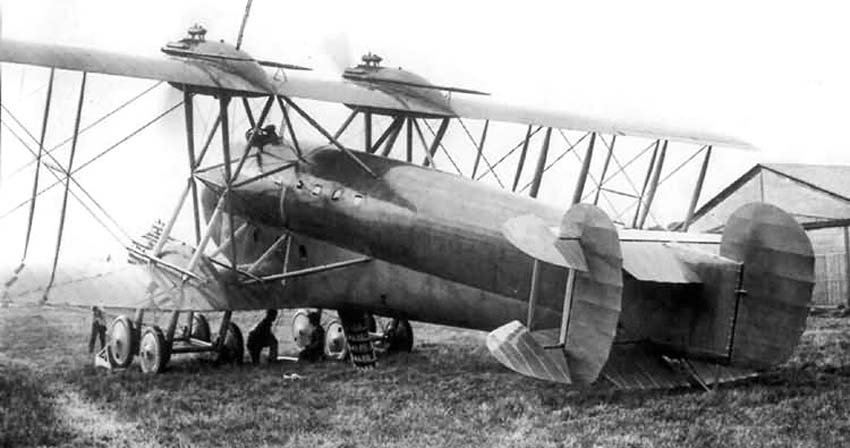 Bleriot 74 |
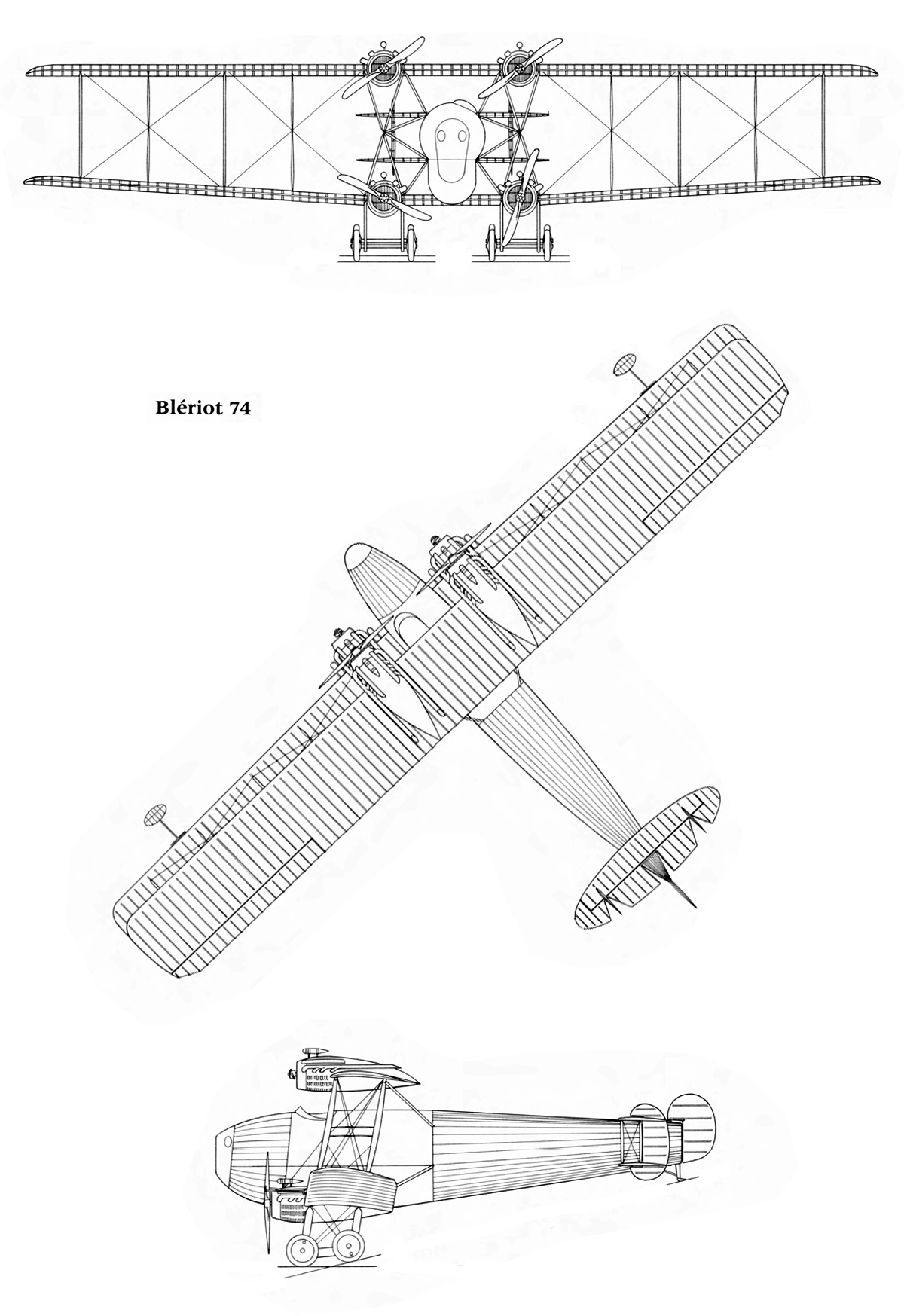 Bleriot 74 |
ArchivoAéreo Editorial Team
A group of aviation researchers and enthusiasts dedicated to documenting and preserving global aeronautical history. All articles are reviewed to ensure historical accuracy.
Sources & Accuracy
The information presented in this technical sheet has been compiled from declassified flight manuals, historical archives, and specialized literature. While we strive for maximum accuracy, some performance data may vary depending on the specific variant or operational conditions.