Bleriot 75
Origins and Development
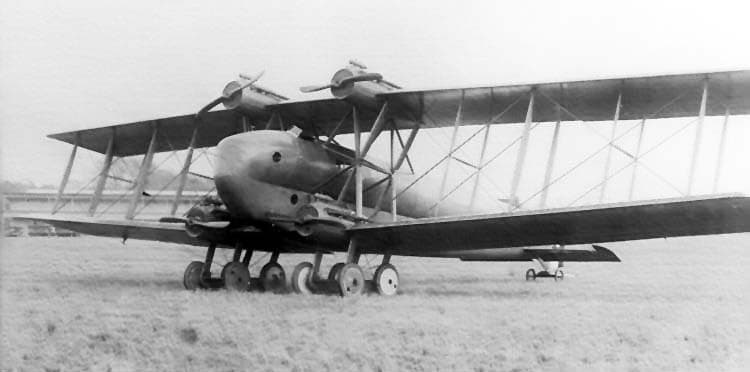
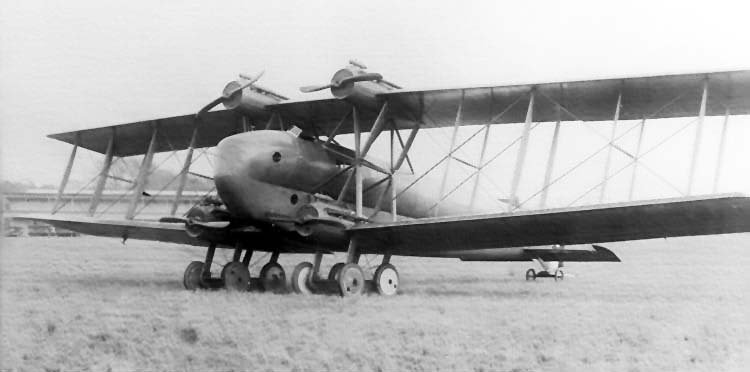
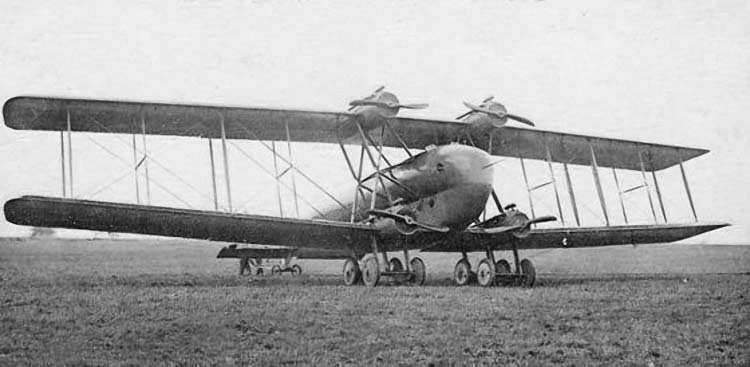
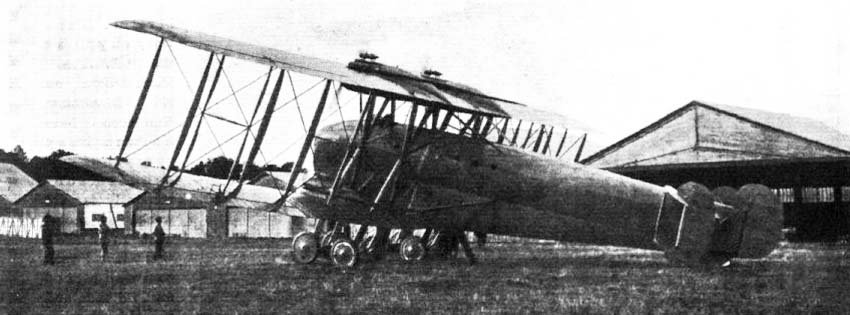
The Bleriot 75 was a transport aircraft developed by the French company Bleriot. Following the failure of the Bleriot 74 bomber, which was not in demand by the military, the firm’s designers decided to convert it into a transport aircraft.
In early 1919, the project for the transport aircraft, designated Bleriot 75, was developed; it was sometimes also referred to as the Aerobus.
Design and Capacity
It featured a slightly elongated fuselage and maintained the same powerplant as its predecessor. The aircraft was designed to carry up to 28 passengers, aiming to meet the civil transportation needs of the era.
The first flight of the Bleriot 75 took place in mid-1919.
Market Challenges
However, even this aircraft failed to attract potential customers. The market was dominated by decommissioned former military aircraft, which had been converted for civilian use, posing a significant challenge for new designs.
Technical Specifications
| Modification | Bl 75 |
| Wingspan, m | 27.00 |
| Length, m | 18.30 |
| Height, m | 6. 40 |
| Wing area, m2 | 144.00 |
| Empty weight | 3800 |
| Normal takeoff weight | 7550 |
| Engine type | 4 Piston engines Hispano-Suiza 8Fb |
| Power, hp | 4 x 300 |
| Maximum speed, km/h | 150 |
| Cruising speed, km/h | 1 22 |
| Service ceiling, m | 4000 |
| Crew | 3 |
| Payload | up to 28 passengers |
Image and diagram gallery of the Bleriot 75
 Bleriot 75 |
 Bleriot 75 |
 Bleriot 75 |
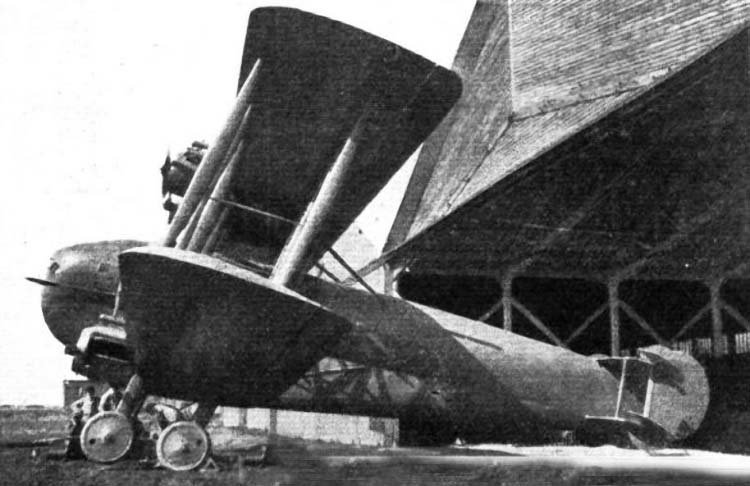 Bleriot 75 |
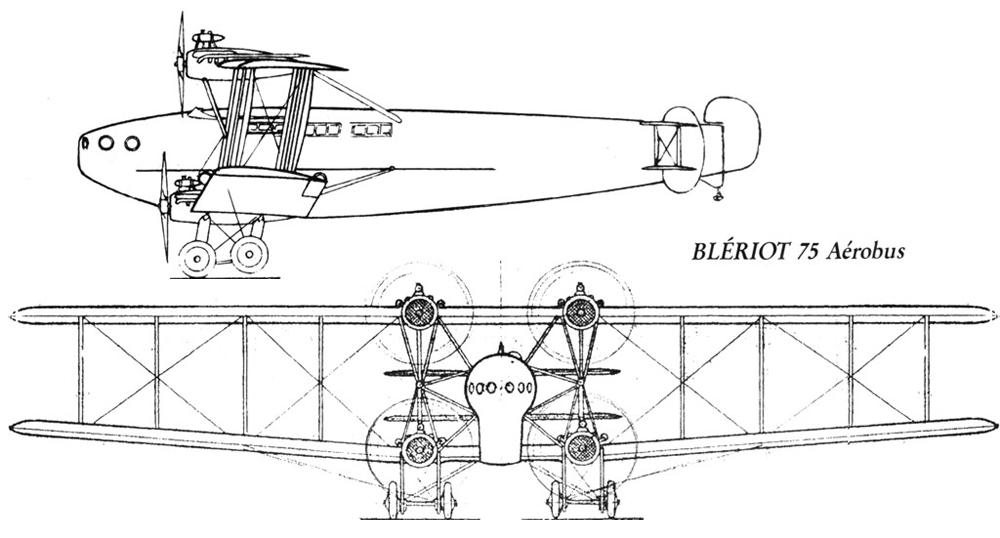 Bleriot 75 |
ArchivoAéreo Editorial Team
A group of aviation researchers and enthusiasts dedicated to documenting and preserving global aeronautical history. All articles are reviewed to ensure historical accuracy.
Sources & Accuracy
The information presented in this technical sheet has been compiled from declassified flight manuals, historical archives, and specialized literature. While we strive for maximum accuracy, some performance data may vary depending on the specific variant or operational conditions.