Blériot III and IV
Early Pioneering Attempts
Louis Blériot, a French inventor and co-founder of the Blériot-Voisin aviation companies, established his own lantern manufacturing business after graduating as an engineer from Paris’s l’École Centrale in 1895. Within a few years, starting in 1900, he began creating orthopters and gliders. That same year, he released the Blériot I ornithopter, which never managed to take flight.
In 1905, Blériot, together with Gabriel Voisin, developed and built the Blériot II hydro-glider, based on the Voisin-Archdeacon glider. On June 18, 1905, the glider was tested on the Seine. However, during takeoff, the Blériot II caught the water’s surface with its wing, failed to lift off, and sustained significant damage. They chose not to restore it.
The Innovative Blériot III and Its Challenges
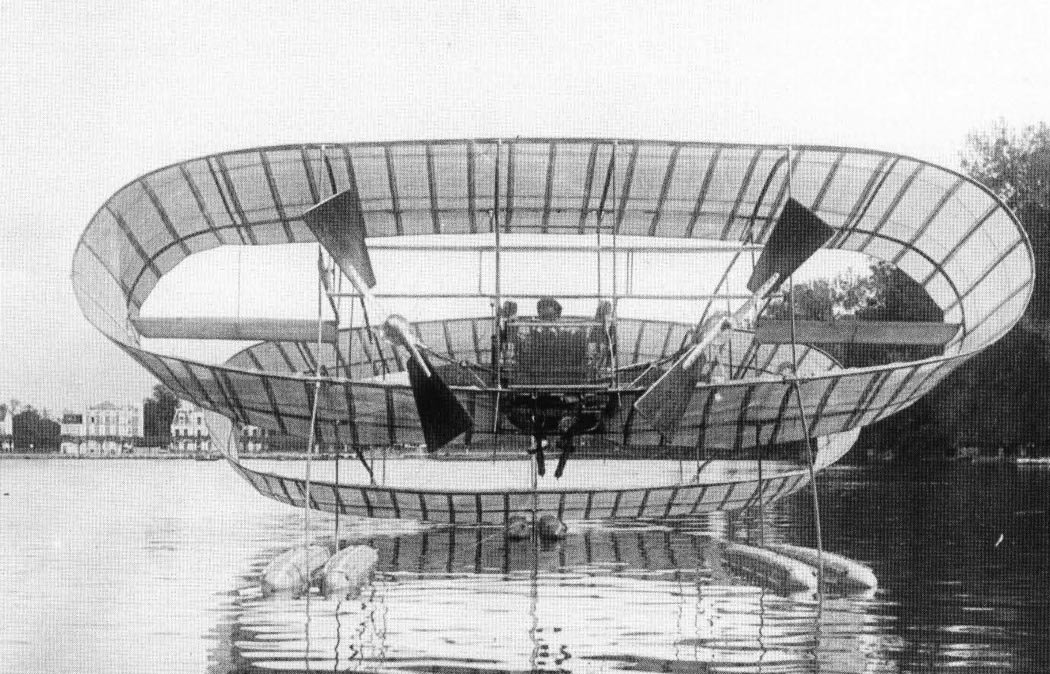
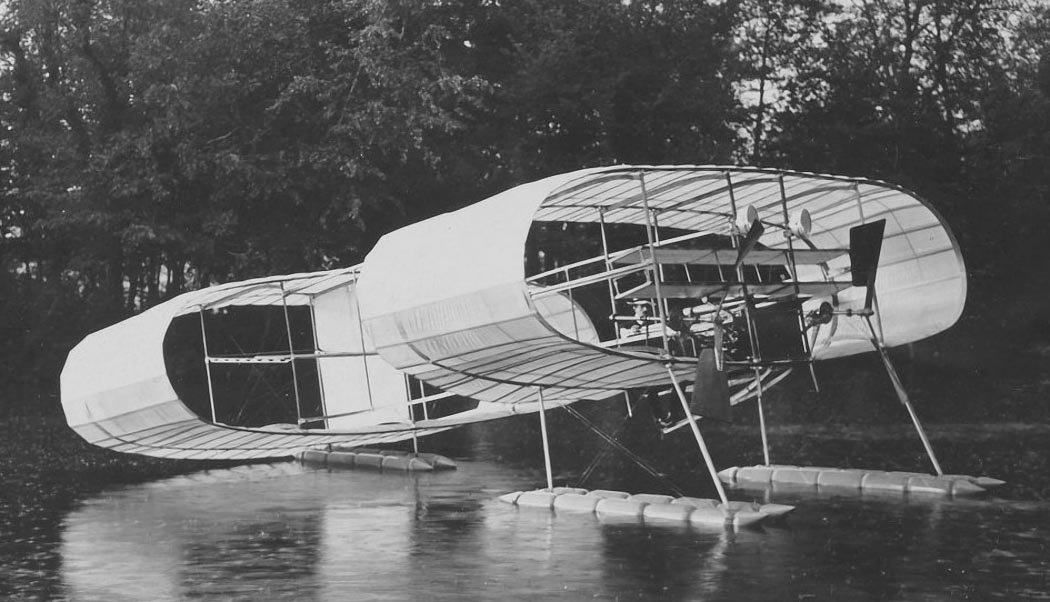
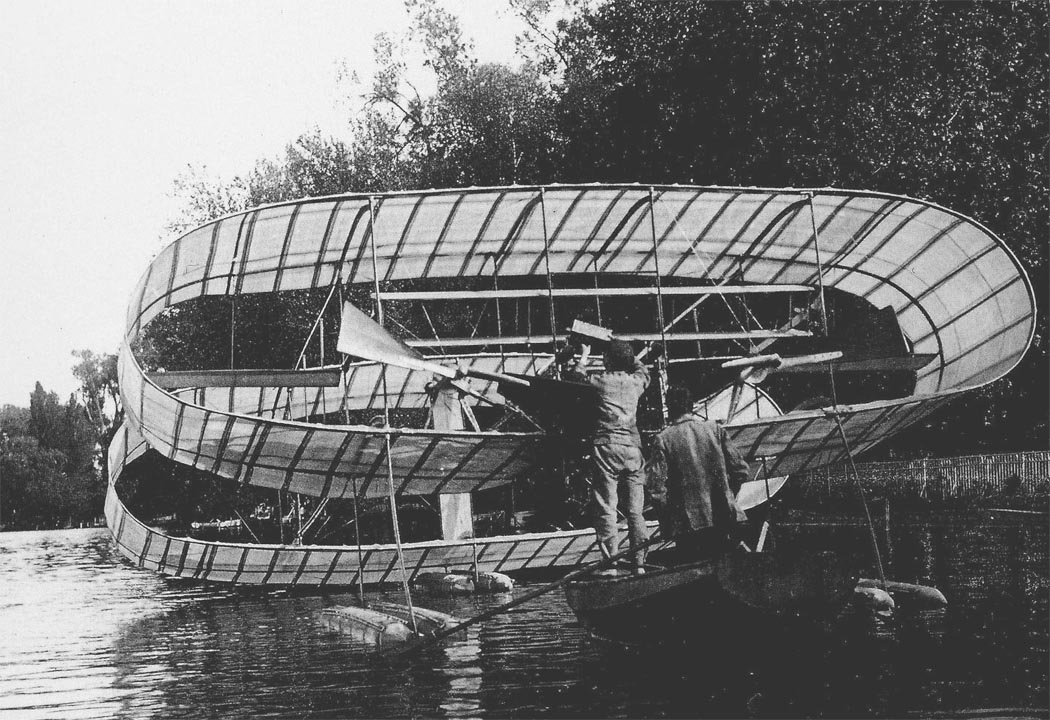
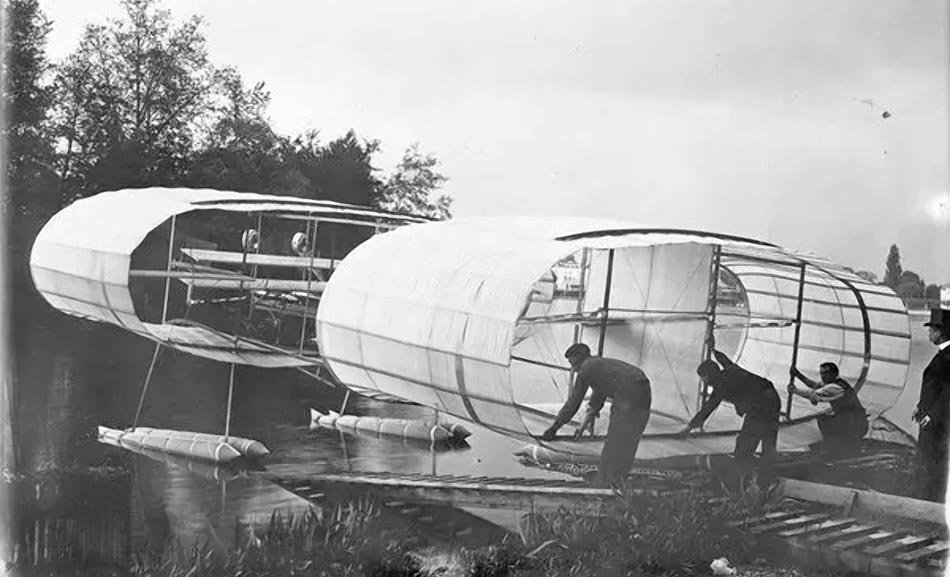
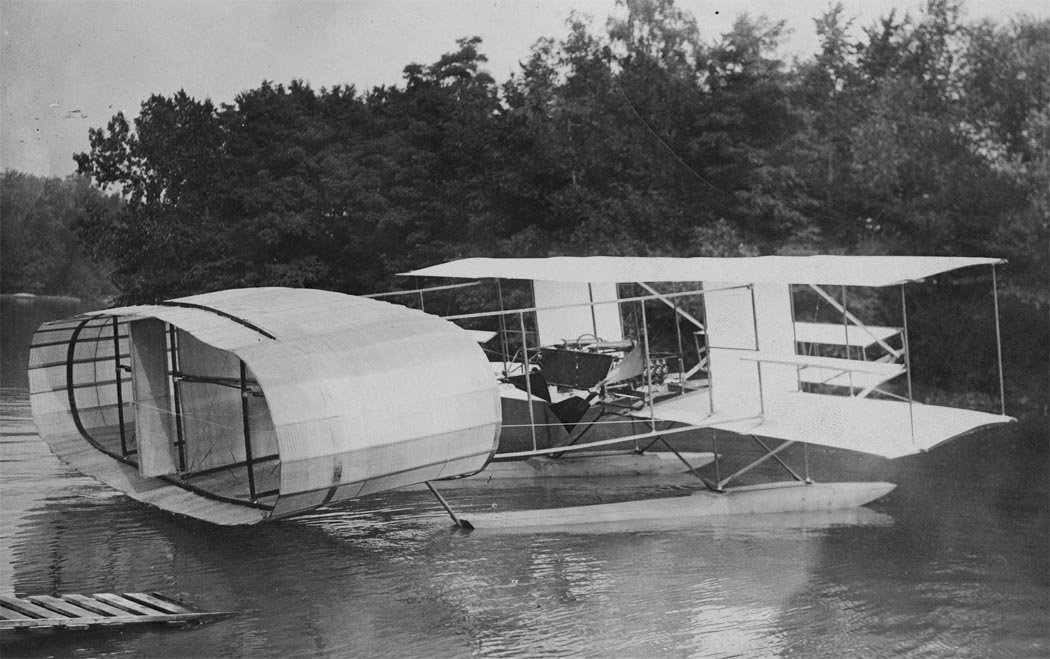
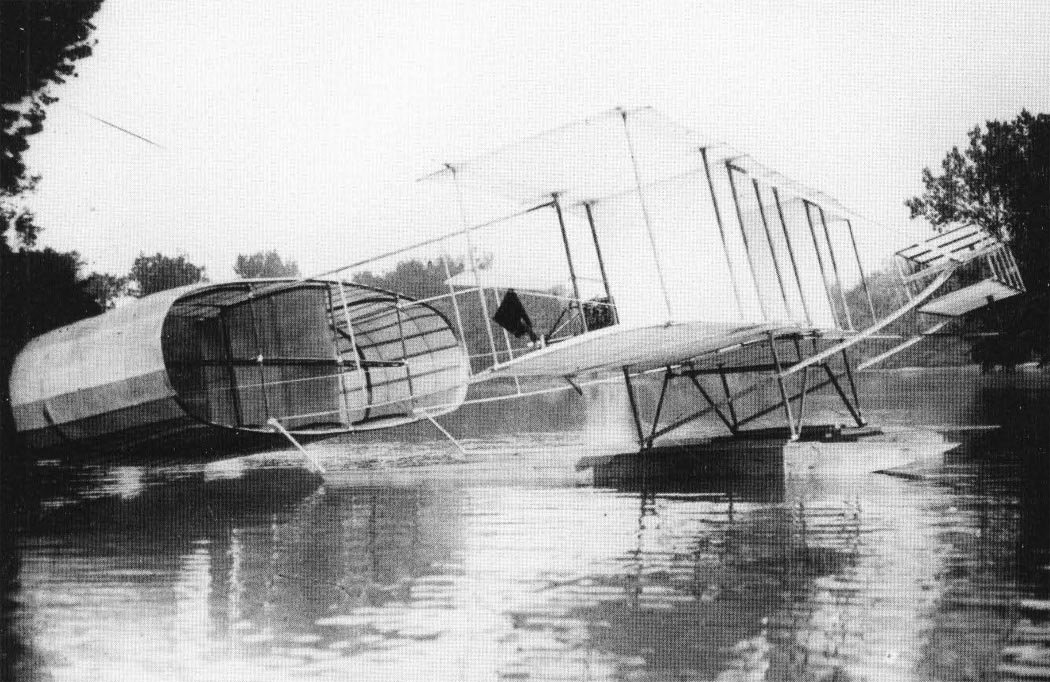
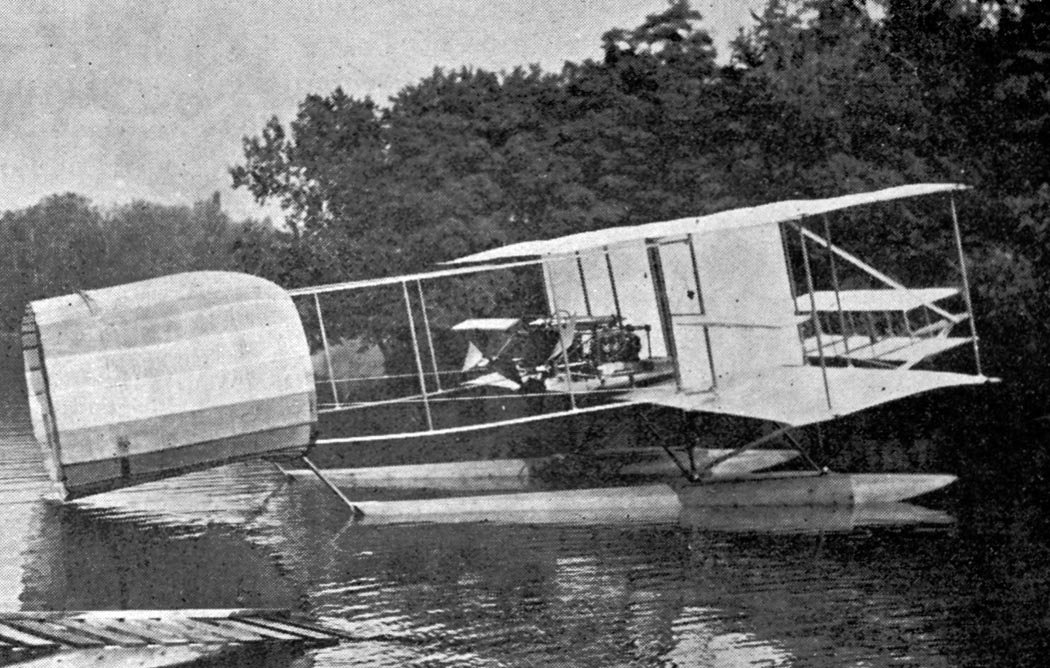
With the advent of light aircraft engines in 1906, Blériot and Voisin began constructing their first airplane, the Blériot III. This aircraft became their first to successfully lift off the ground. The aircraft featured a highly original design, characterized by two distinctive elliptical wings and float landing gear. A single Antoinette engine powered two pulling propellers.
The tandem arrangement of the elliptical wings was inspired by a box kite. This aircraft was perfectly capable of flight, but the prevailing idea among most European aviators at the time — launching from water — ultimately doomed the endeavor. Blériot and Voisin made numerous attempts to take off from Lake Enghien with this aircraft between May and September 1906, yet these efforts were unsuccessful.
Evolution to Blériot IV and the Partnership’s End
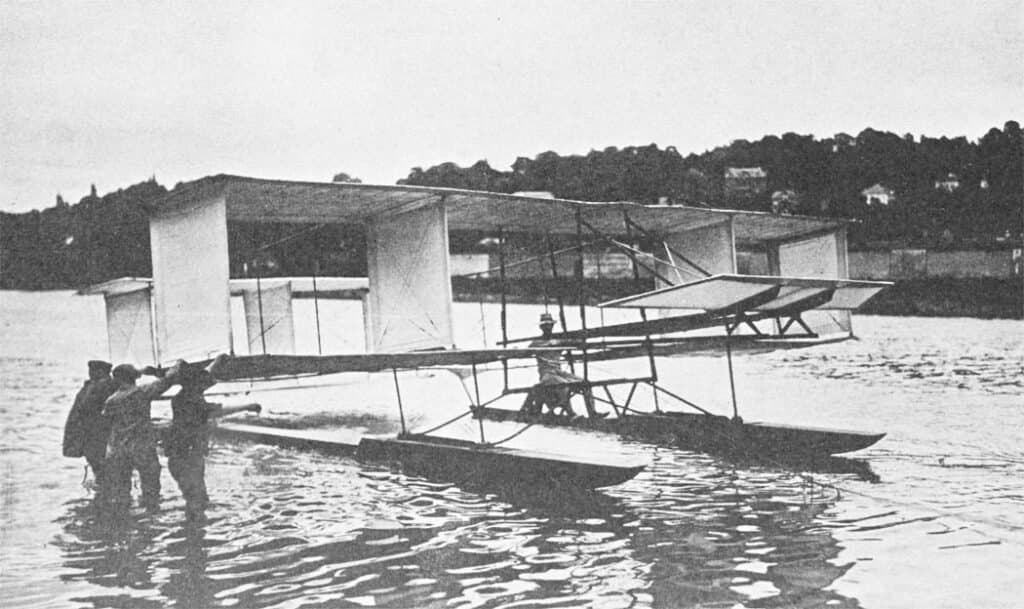
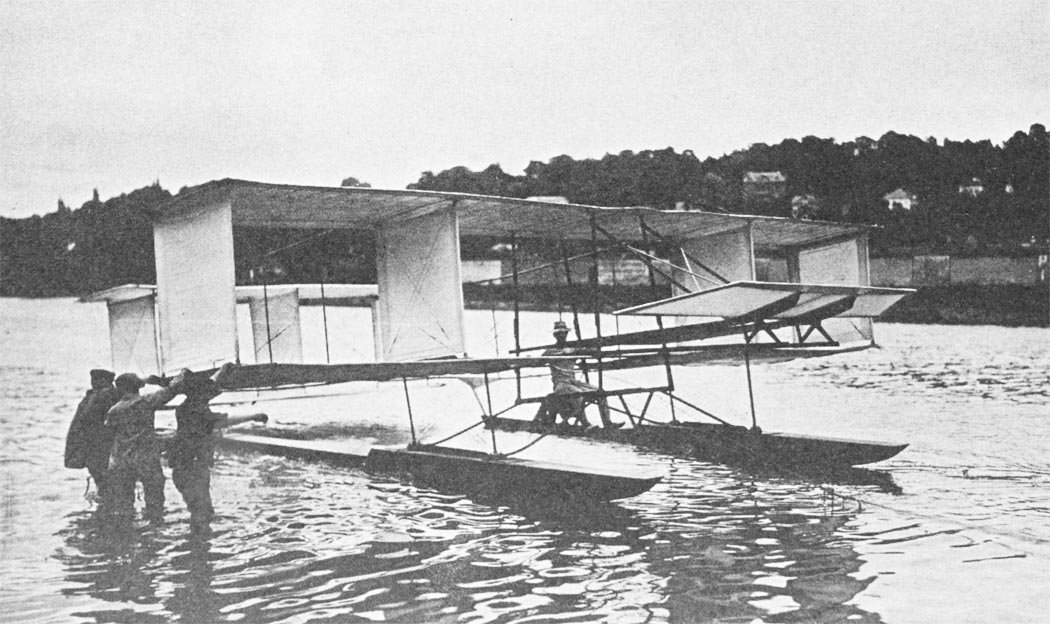
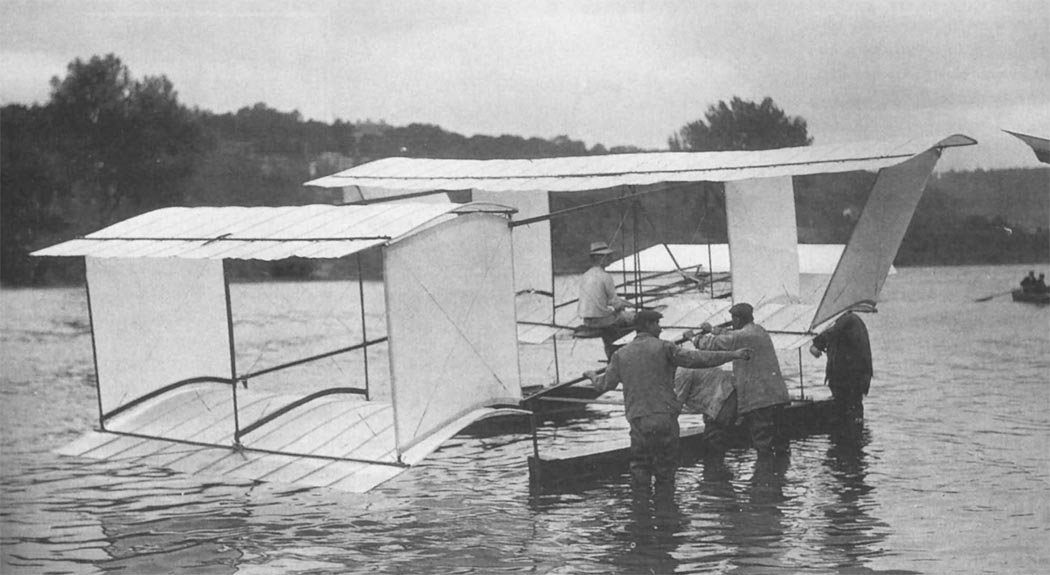
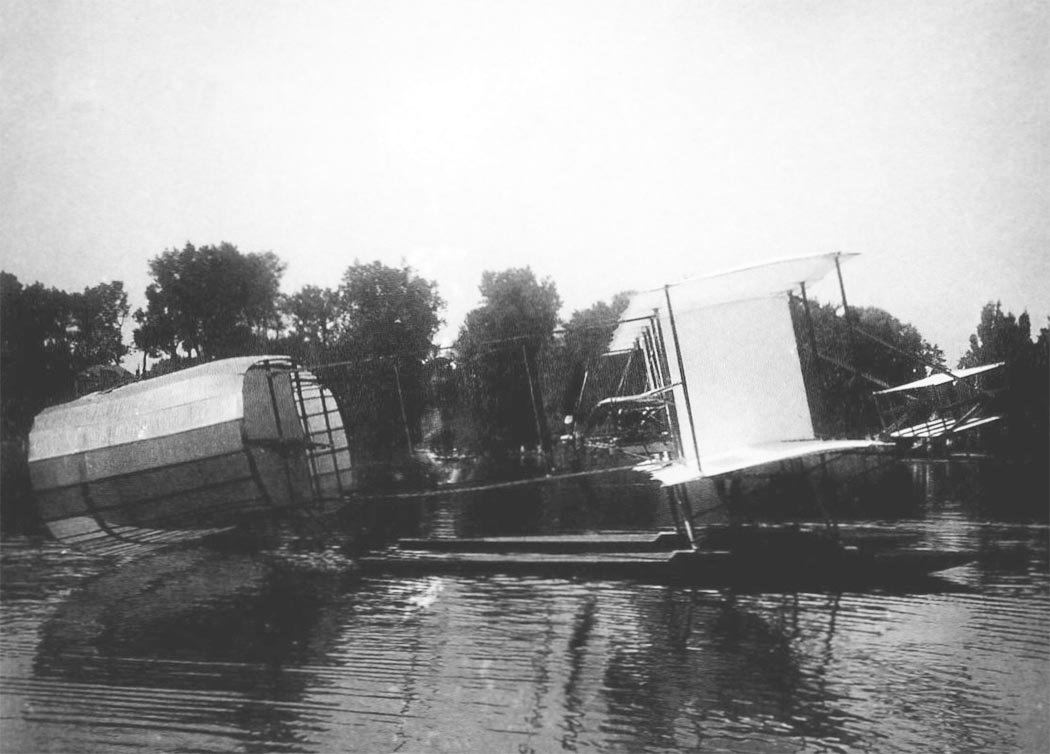
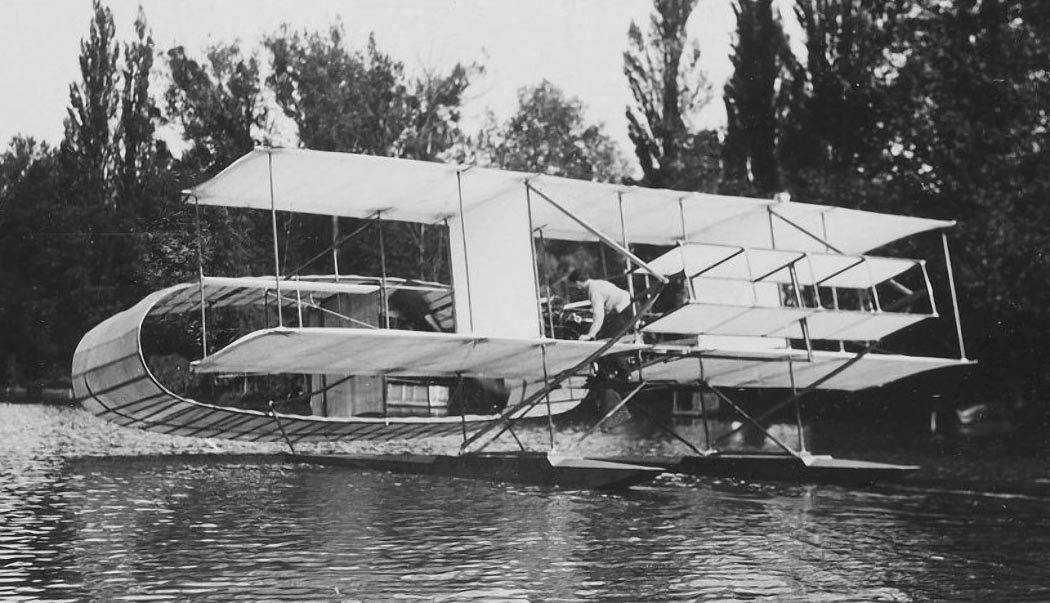
In October, modifications were introduced to the design: the front annular wing was replaced with a conventional biplane wing, a second engine was added, and the propellers were changed to pusher type. This modification was named Blériot IV. However, the aircraft still did not achieve sustained flight.
On November 12, the floats were removed, and wheeled landing gear was added, leading to the Blériot IVbis. The aircraft lifted off the ground several times, but one landing resulted in engine failure. The lack of satisfactory results led to a rupture between Blériot and Voisin. Consequently, Gabriel and Charles Voisin went on to establish the first aviation company.
Blériot IVbis Specifications
- Wingspan: 10.50 m
- Wing area: 73.00 m²
- Take-off weight: 430 kg
- Engine type: 1 PD Antoinette
- Power: 1 x 24 hp
- Maximum speed: 80 km/h
- Crew: 1
Technical Specifications
| Modification | Bleriot IVbis |
| Wingspan, m | 10.50 |
| Wing area, m2 | 73.00 |
| Normal takeoff weight, kg | 430 |
| Engine type | 1 Piston engine Antoinette |
| Power, hp | 1 x 24 |
| Maximum speed, km/h | 80 |
| Crew | 1 crew member |
Image and diagram gallery of the Blériot III and IV
 Bleriot III(IV) |
 Bleriot III(IV) |
 Bleriot III(IV) |
 Bleriot III(IV) |
 Bleriot III(IV) |
 Bleriot III(IV) |
 Bleriot III(IV) |
 Bleriot III(IV) |
 Bleriot III(IV) |
 Bleriot III(IV) |
 Bleriot III(IV) |
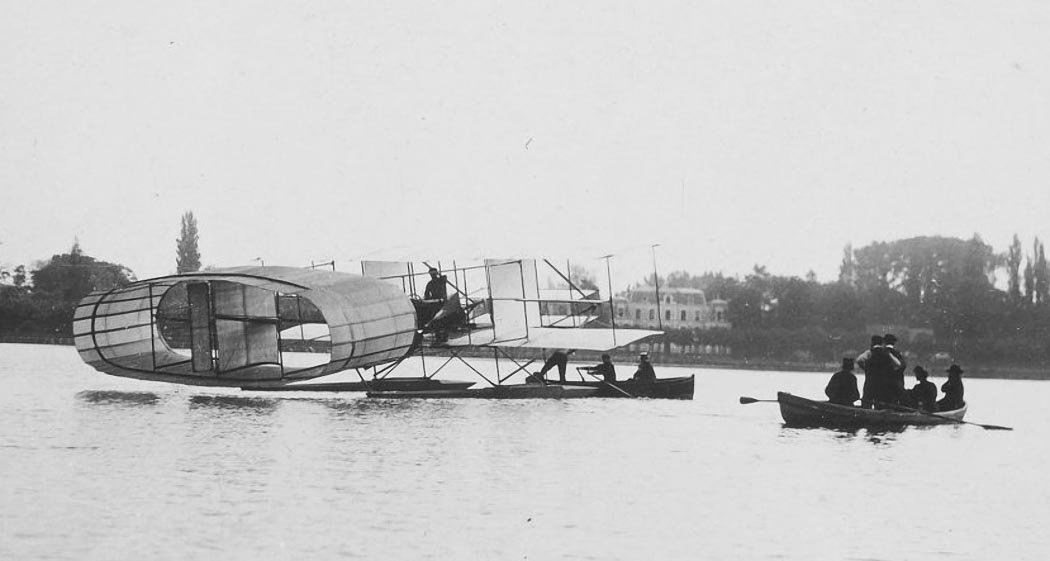 Bleriot III(IV) |
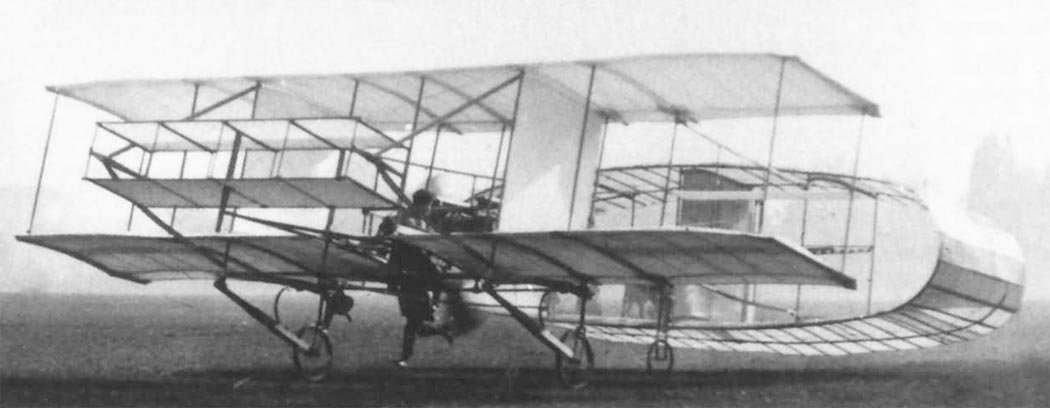 Bleriot III(IV) |
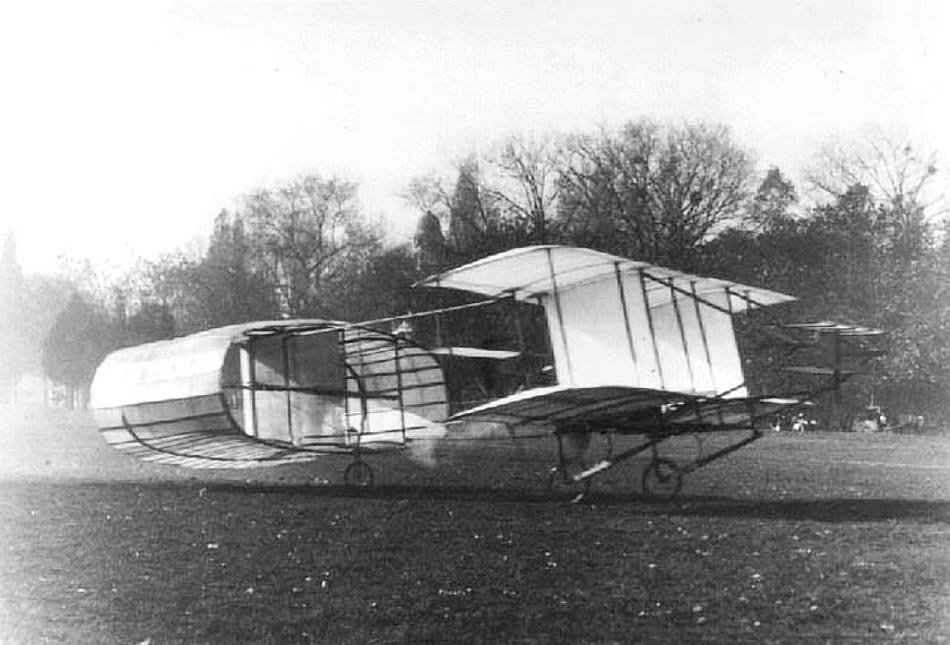 Bleriot III(IV) |
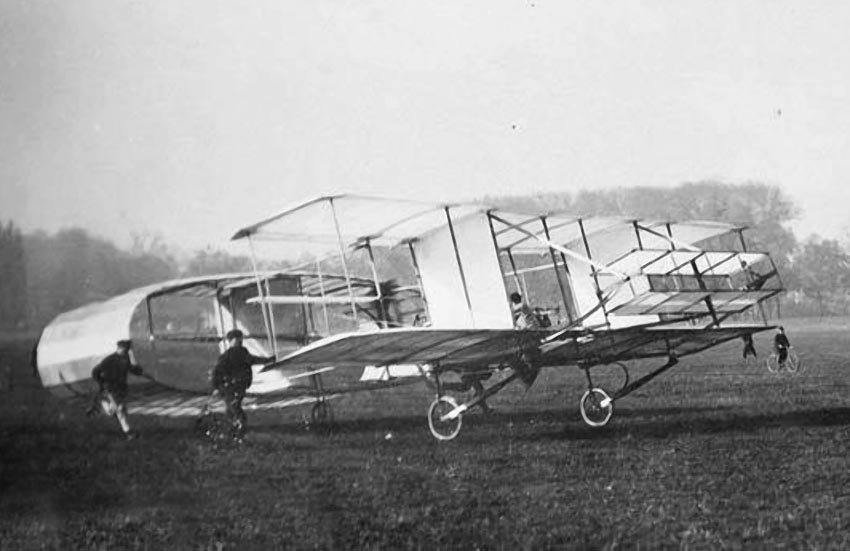 Bleriot III(IV) |
ArchivoAéreo Editorial Team
A group of aviation researchers and enthusiasts dedicated to documenting and preserving global aeronautical history. All articles are reviewed to ensure historical accuracy.
Sources & Accuracy
The information presented in this technical sheet has been compiled from declassified flight manuals, historical archives, and specialized literature. While we strive for maximum accuracy, some performance data may vary depending on the specific variant or operational conditions.