Bleriot V Canard
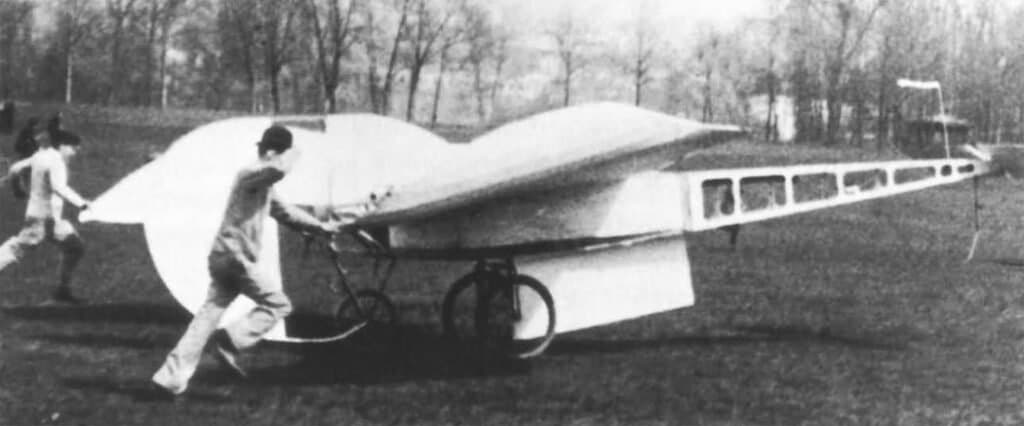
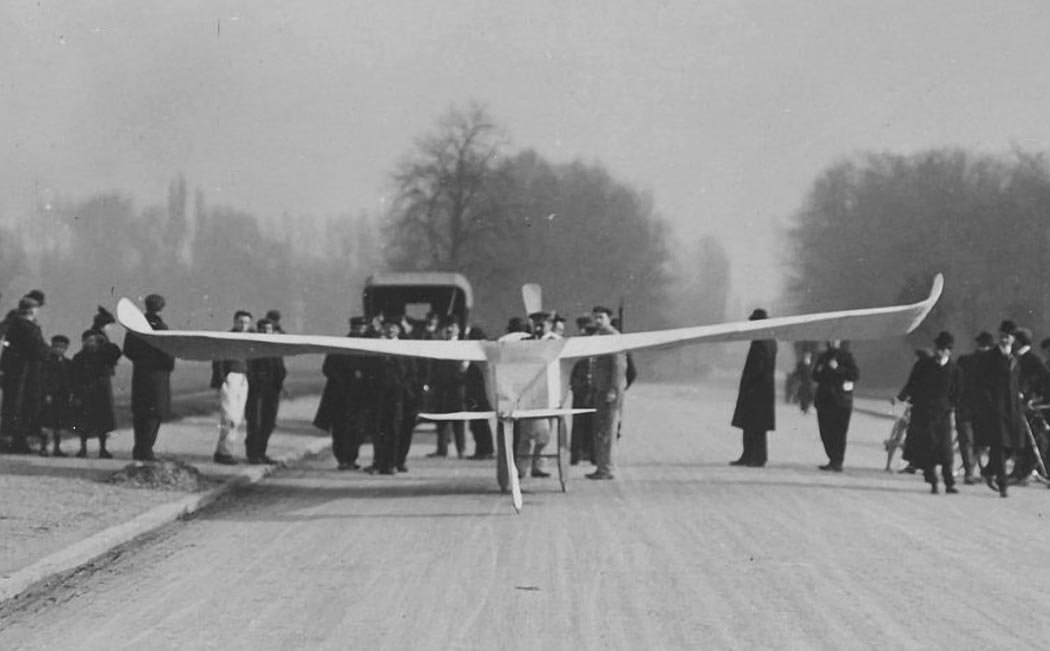
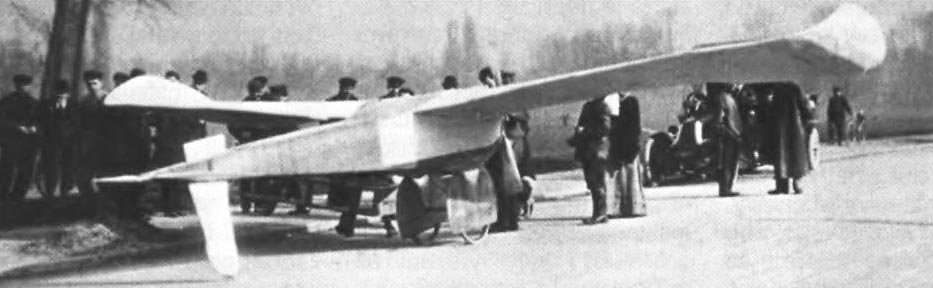
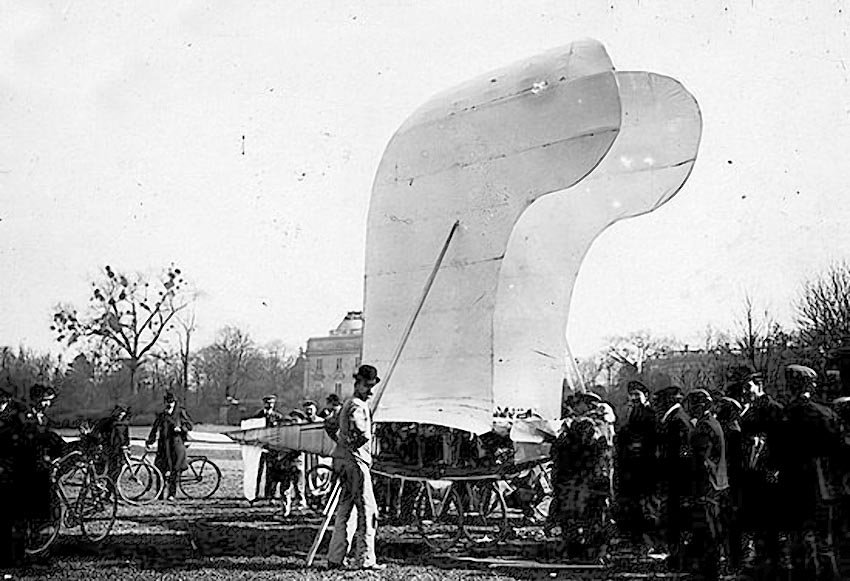
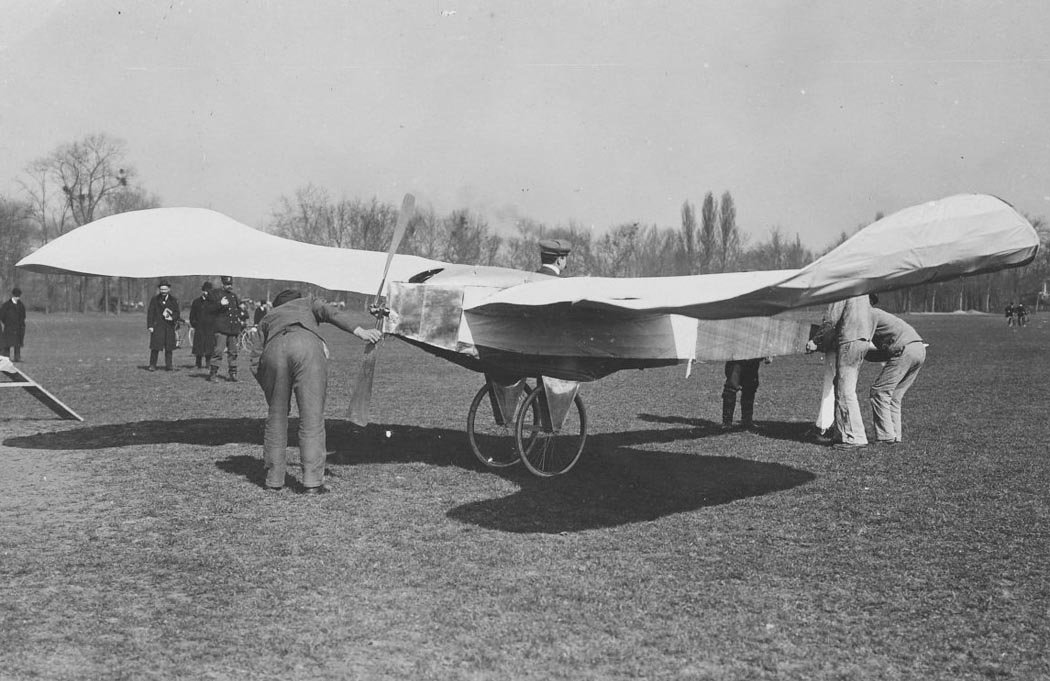
Following the tests of Santos-Dumont’s 14bis aircraft, Louis Blériot decided to build his own Blériot V airplane, featuring a forward elevator. This monoplane, equipped with a 24 hp Antoinette pusher engine and named “Canard” (French for “duck”), proved very unstable in flight. Notably, on this machine, Blériot first implemented a tricycle landing gear system with a tail wheel.
The “Airplane Breaker” and Early Challenges
Blériot chose not to work with Voisin on this project and even attempted to pilot the aircraft himself, a decision that led to frequent breakages of his creation. Due to constant mishaps, Blériot earned the nickname “The man who breaks his airplanes,” but these very experiences would later make him the most famous aviator. The “Canard” and subsequent models (the 5th to 8th) repeatedly suffered damage and crashes.
First Hops, Setbacks, and Legacy
The Blériot V became Blériot’s first aircraft to lift off the ground, making short hops (more accurately, jumps) of several meters on April 5, 1907. Just three days later, during testing, the designer crashed the apparatus; the plane flipped in flight and fell, with Blériot miraculously remaining unharmed. Despite these setbacks, Blériot’s successes multiplied starting from the 5th model.
The Blériot V, a “Canard” modification, featured a wingspan of 7.80 m, a length of 8.50 m, and a wing area of 13.00 m². It had a normal takeoff weight of 260 kg, powered by a single 24 hp Antoinette engine, carrying a crew of one person.
Technical Specifications
| Modification | Bleriot V |
| Wingspan, m | 7.80 |
| Length, m | 8.50 |
| Wing area, m2 | 13. 00 |
| Normal takeoff weight | 260 |
| Engine type | 1 Piston engine Antoinette |
| Power, hp | 1 х 24 |
| Crew, crew members | 1 |
Image and diagram gallery of the Bleriot V Canard
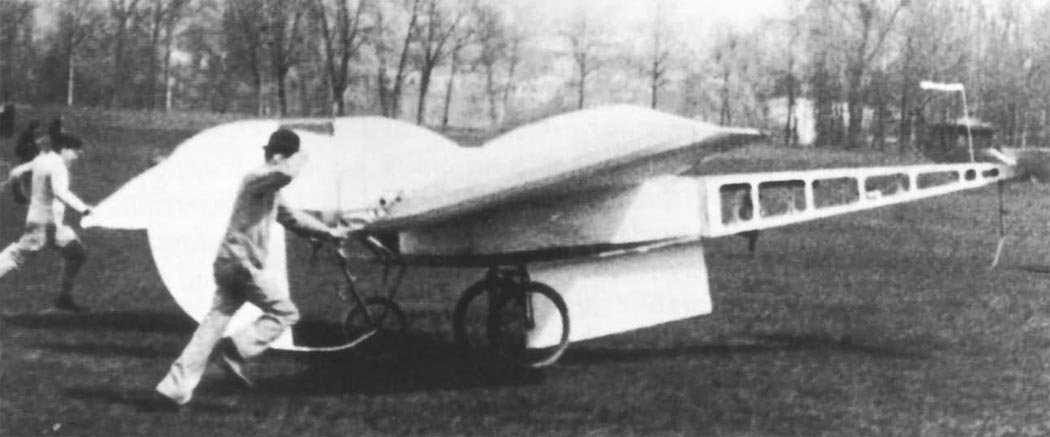 Bleriot V Canard |
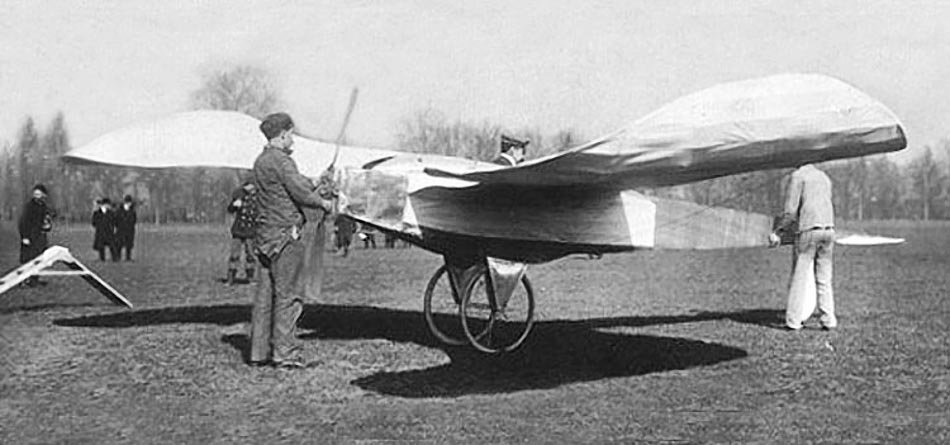 Bleriot V Canard |
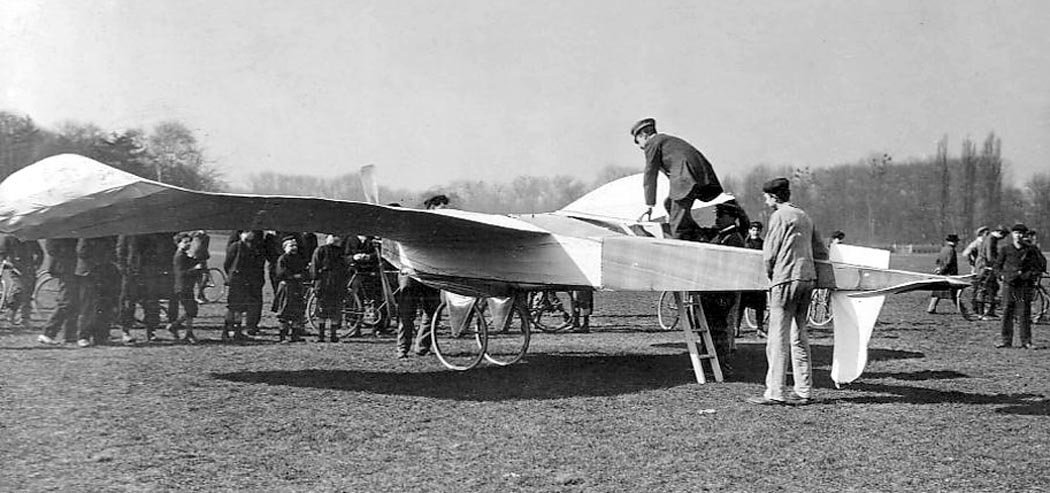 Bleriot V Canard |
 Bleriot V Canard |
 Bleriot V Canard |
 Bleriot V Canard |
 Bleriot V Canard |
 Bleriot V Canard |
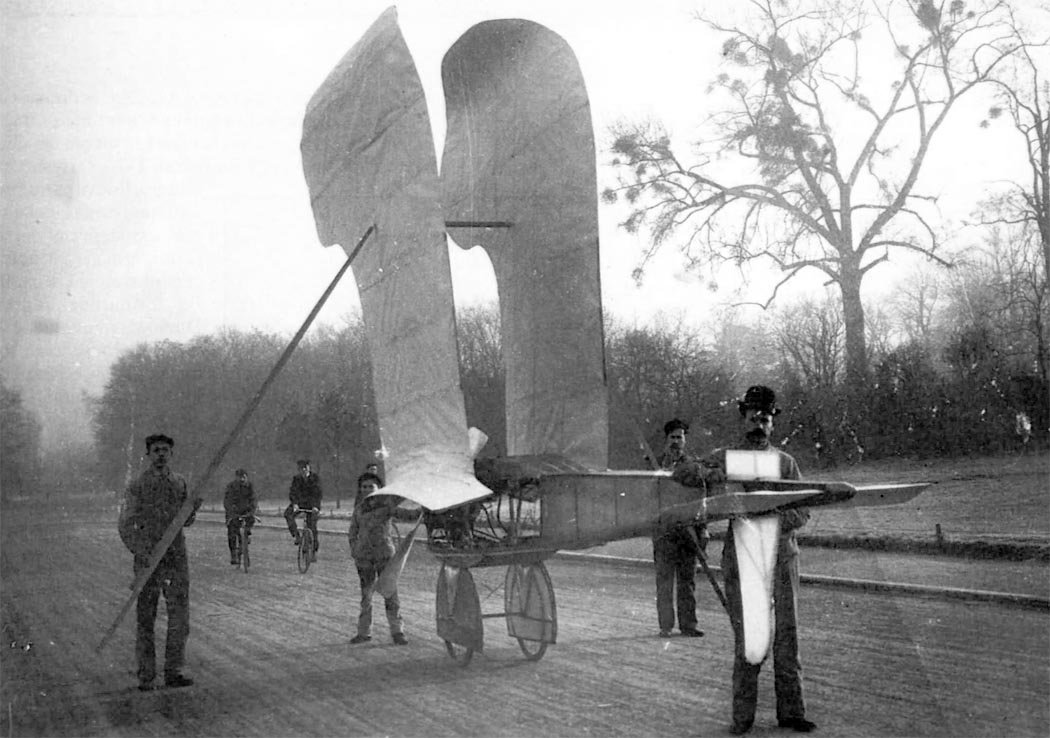 Bleriot V Canard |
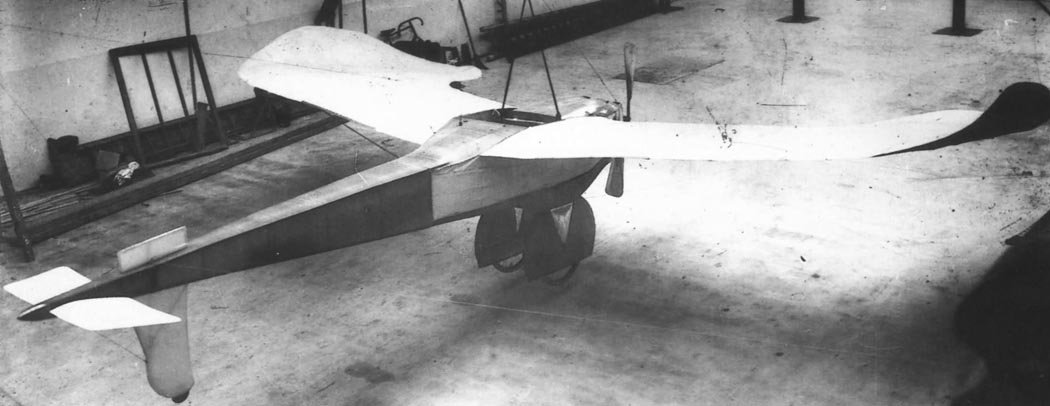 Bleriot V Canard |
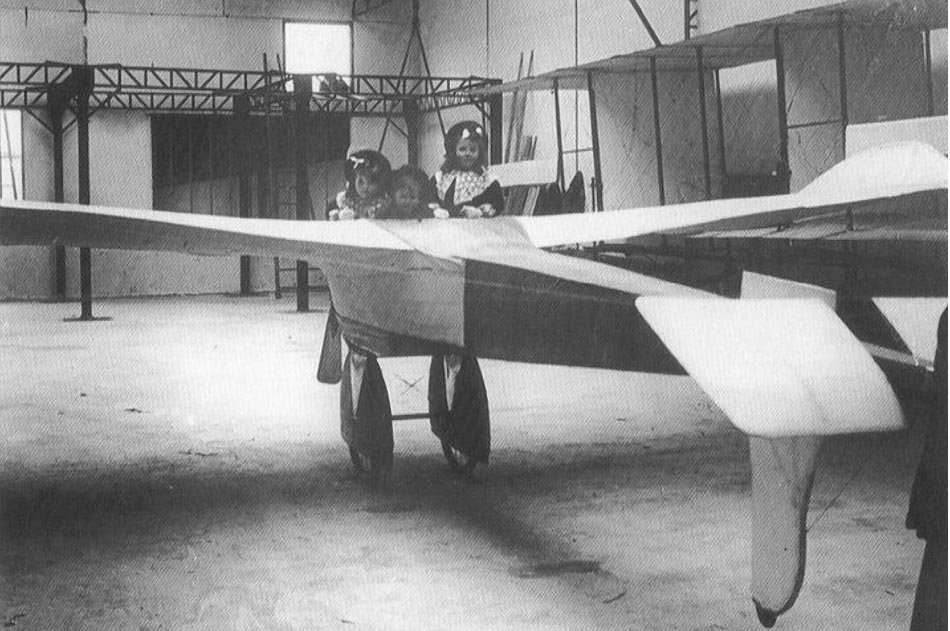 Bleriot V Canard |
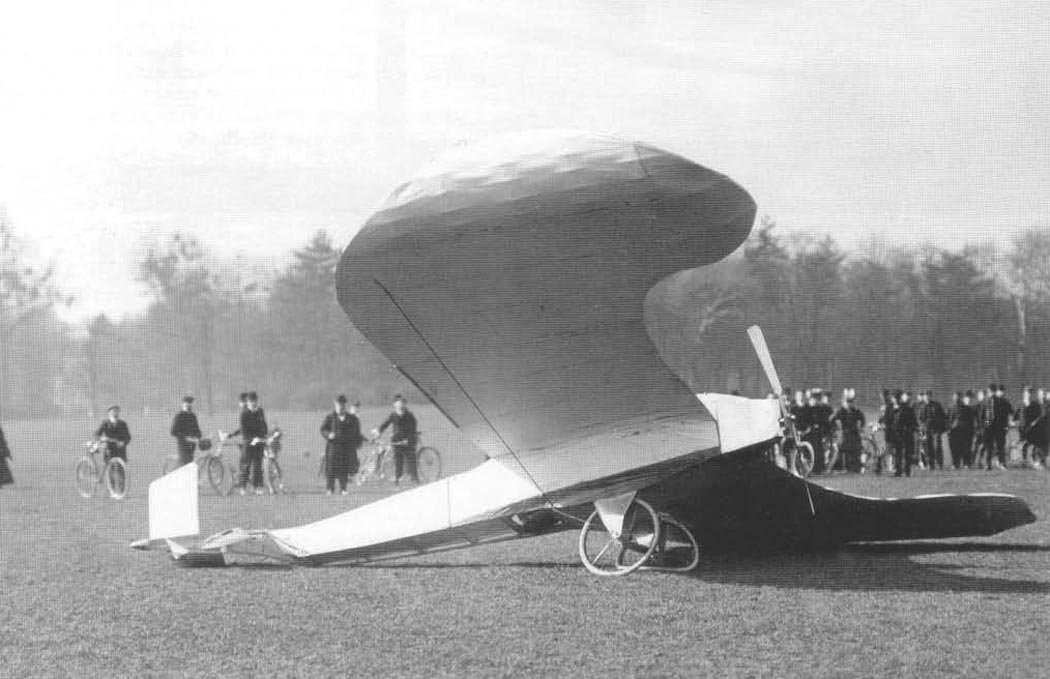 Bleriot V Canard |
 Bleriot V Canard |
ArchivoAéreo Editorial Team
A group of aviation researchers and enthusiasts dedicated to documenting and preserving global aeronautical history. All articles are reviewed to ensure historical accuracy.
Sources & Accuracy
The information presented in this technical sheet has been compiled from declassified flight manuals, historical archives, and specialized literature. While we strive for maximum accuracy, some performance data may vary depending on the specific variant or operational conditions.