Blériot XLII
Design and Development
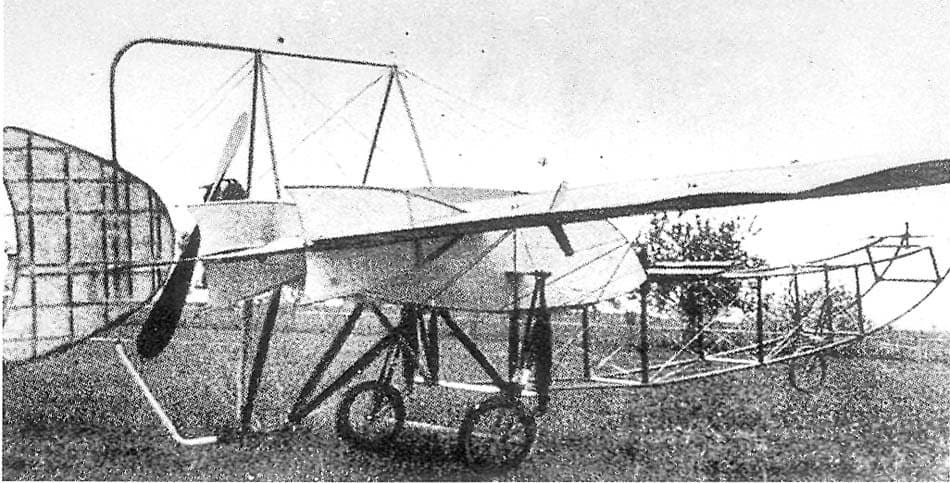
In March 1913, Louis Blériot constructed the Blériot XLII, a reconnaissance and observation aircraft featuring a “canard” aerodynamic scheme. This two-seater mid-wing monoplane was equipped with an 80 hp Gnome engine.
Features and Observation Role
The crew was accommodated in a partially armored cockpit. A small window was installed at the front of the fuselage to facilitate observation. For reconnaissance missions, the observer would lie horizontally on the cockpit floor, providing a better vantage point.
Testing and Outcome
The Blériot XLII underwent a series of tests. Despite its innovative design and specific features, the aircraft ultimately failed to generate interest from the military.
Technical Specifications
| Modification | Bleriot XLII |
| Wingspan, m | 8. 50 |
| Length, m | 7. 30 |
| Wing area, m2 | 18.00 |
| Engine type | 1 Piston engine Gnome |
| Power, hp | 1 x 80 |
| Crew | 2 |
Image and diagram gallery of the Blériot XLII
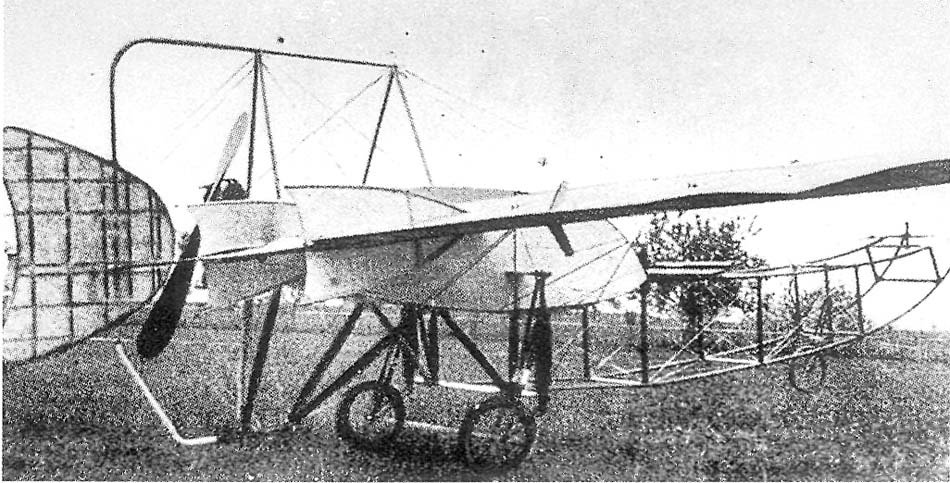 Bleriot XLII |
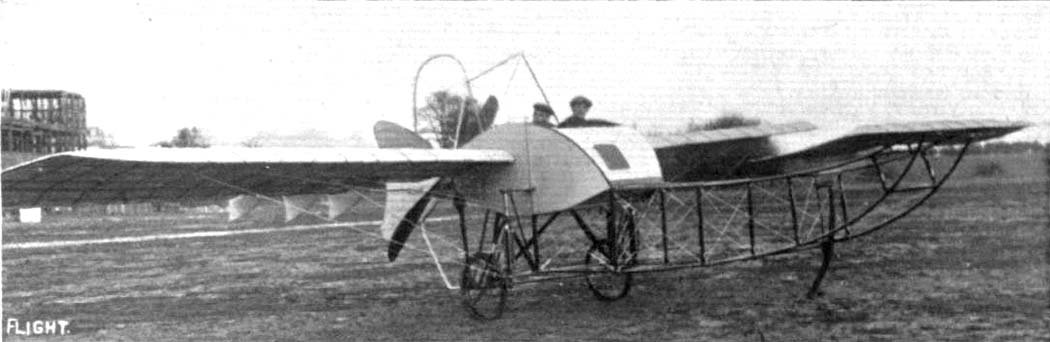 Bleriot XLII |
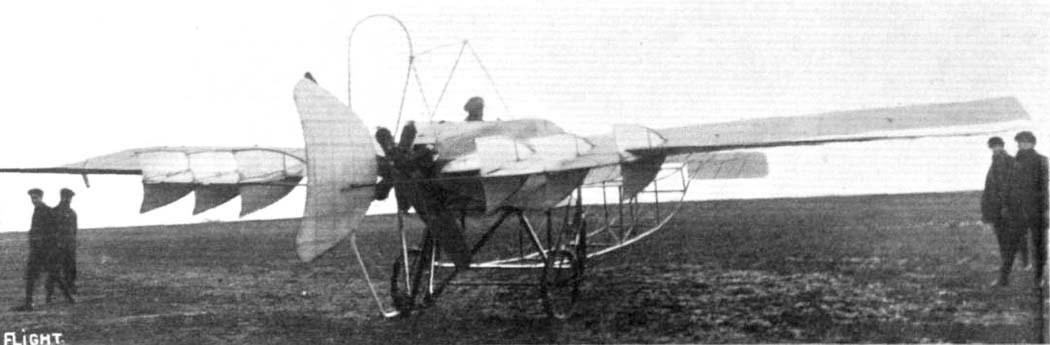 Bleriot XLII |
ArchivoAéreo Editorial Team
A group of aviation researchers and enthusiasts dedicated to documenting and preserving global aeronautical history. All articles are reviewed to ensure historical accuracy.
Sources & Accuracy
The information presented in this technical sheet has been compiled from declassified flight manuals, historical archives, and specialized literature. While we strive for maximum accuracy, some performance data may vary depending on the specific variant or operational conditions.