Blériot XXIII
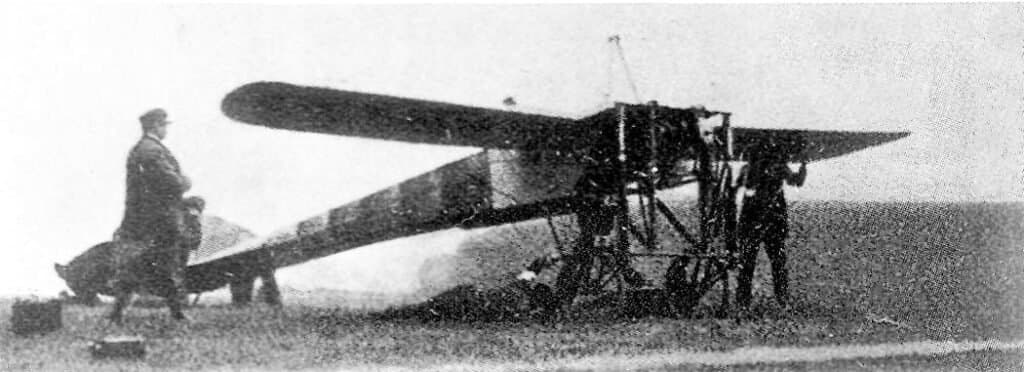
In 1911, Louis Blériot introduced the Blériot XXIII, a new sports aircraft that represented a further development of his famous Blériot XI monoplane. This innovative aircraft was a single-seater monoplane, powered by a fourteen-cylinder Gnome Double Omega radial engine generating 100 hp (75 kW). Only two units of this advanced design were built.
The Gordon Bennett Trophy Challenger
The Blériot XXIII aircraft were specifically constructed for participation in the prestigious Gordon Bennett Trophy competitions, held in the USA on Long Island. A year prior, in 1910, French aviator Alfred Leblanc had already won these races flying a light Blériot XIbis, which was equipped with a 100 hp (74 kW) two-row, 14-cylinder Double Oméga rotary engine. Leblanc’s victory in 1910 also established a new world speed record of 109.76 km/h.
Record-Breaking Speed
In the 1911 Gordon Bennett Trophy, Alfred Leblanc piloted the Blériot XXIII, ultimately finishing in second place. Nevertheless, prior to this competition, he had already broken another world speed record. On April 23, 1911, in Pau, France, flying the same Blériot XXIII, Leblanc reached an impressive speed of 125 km/h.
This achievement marked a pinnacle for light aircraft of the Blériot XI type, though subsequent Blériot models would achieve other successes in different categories. Key specifications for the Blériot XXIII included a wingspan of 7.16 meters, a length of 7.62 meters, and a wing area of 9.00 square meters. It was powered by a single 100 hp Gnome Double Omega radial engine, allowing for a maximum speed of 125 km/h, and had a crew of one.
Technical Specifications
| Modification | Blériot XXIII |
| Wingspan, m | 7.16 |
| Length, m | 7. 62 |
| Wing area, m2 | 9.00 |
| Engine type | 1 Piston engine Gnome Double Omega |
| Power, hp | 1 х 100 |
| Maximum speed, km/h | 125 |
| Crew, crew | 1 |
Image and diagram gallery of the Blériot XXIII
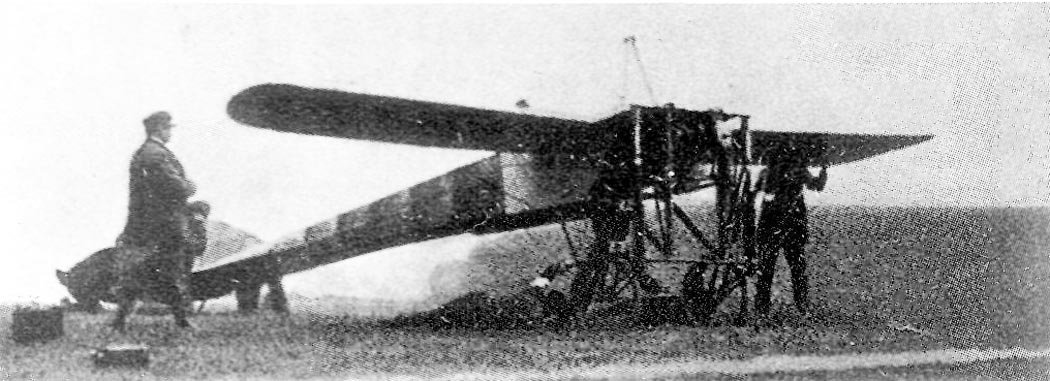 Blériot XXIII |
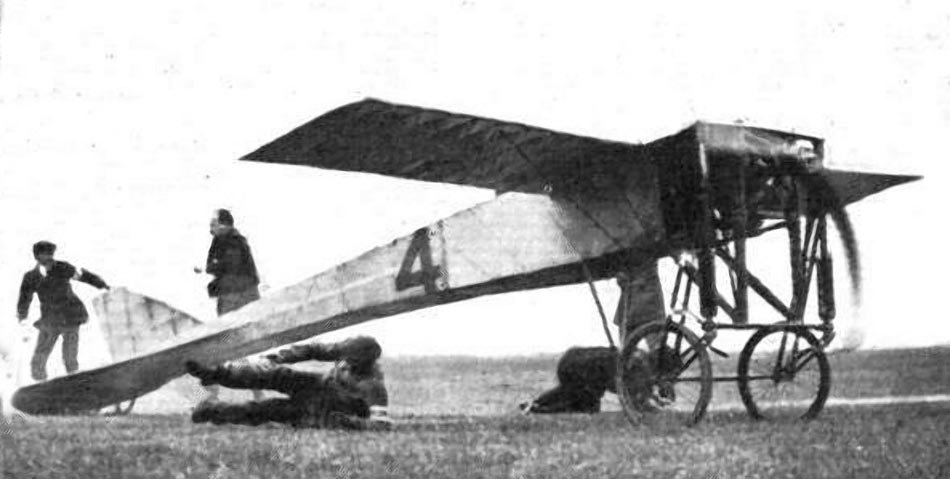 Blériot XXIII |
ArchivoAéreo Editorial Team
A group of aviation researchers and enthusiasts dedicated to documenting and preserving global aeronautical history. All articles are reviewed to ensure historical accuracy.
Sources & Accuracy
The information presented in this technical sheet has been compiled from declassified flight manuals, historical archives, and specialized literature. While we strive for maximum accuracy, some performance data may vary depending on the specific variant or operational conditions.