Bleriot XXIV Limousine
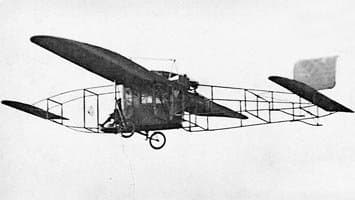
Following his triumphant flight across the English Channel in the Bleriot XI, Louis Blériot swiftly rose to prominence as a distinguished aircraft designer. This feat not only captivated public imagination but also fundamentally shifted perceptions of aeroplanes, transforming them from mere sporting novelties into viable means of transport.
Capitalizing on this burgeoning interest, Blériot was commissioned in 1911 by businessman Henri Deutsch de la Meurthe to create a groundbreaking aircraft. The result was the Bleriot XXIV Limousine, an aeroplane that, in a significant sense, pioneered the concept of the airliner. This innovative parasol monoplane was a true milestone in early aviation.
Innovative Design and Features
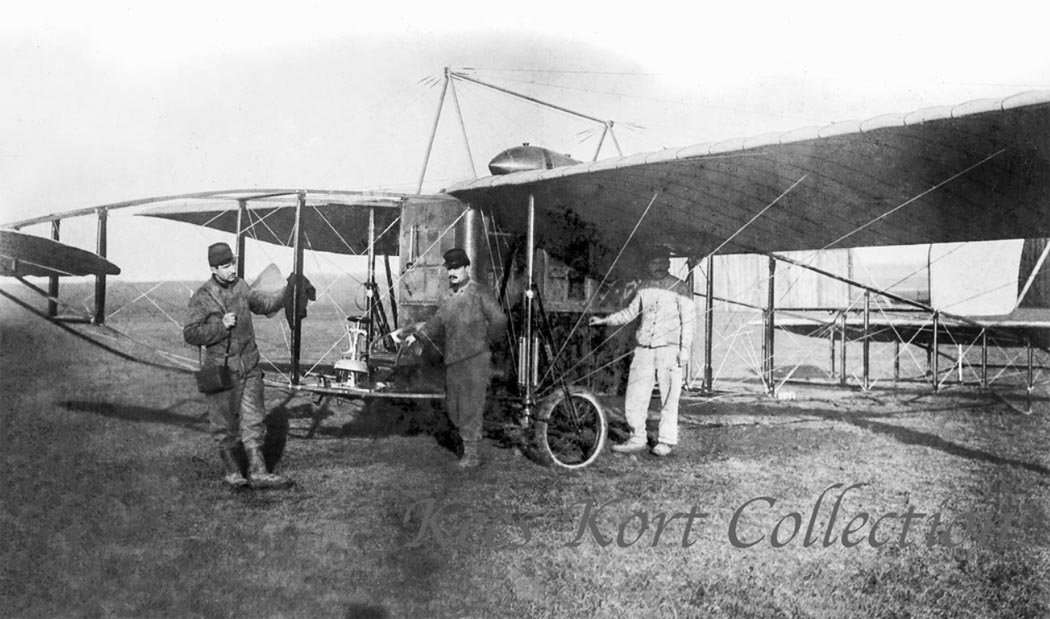
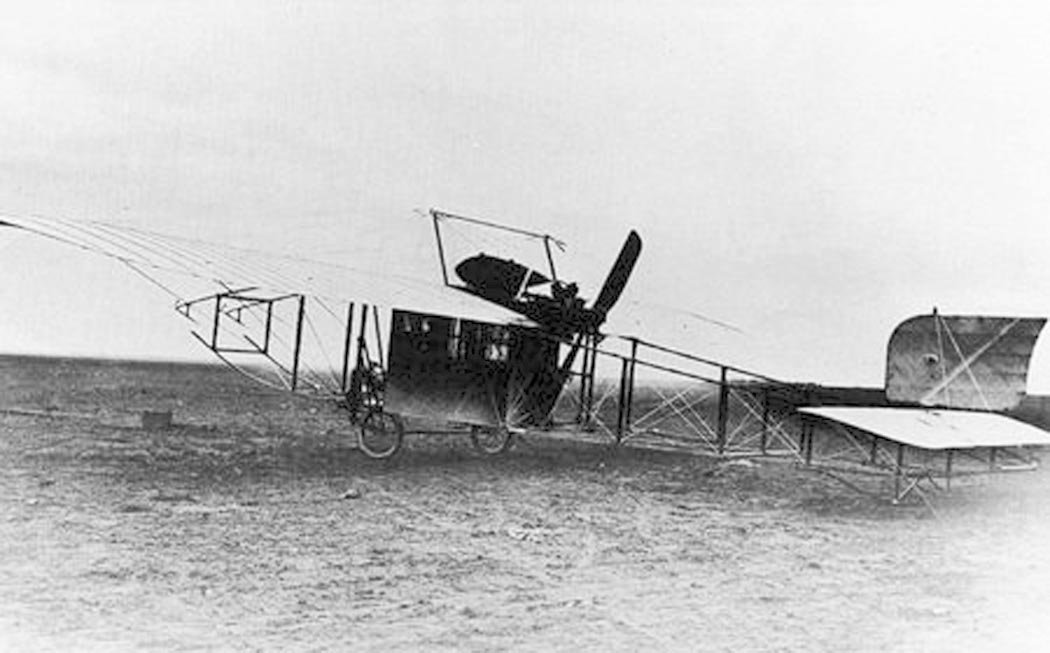
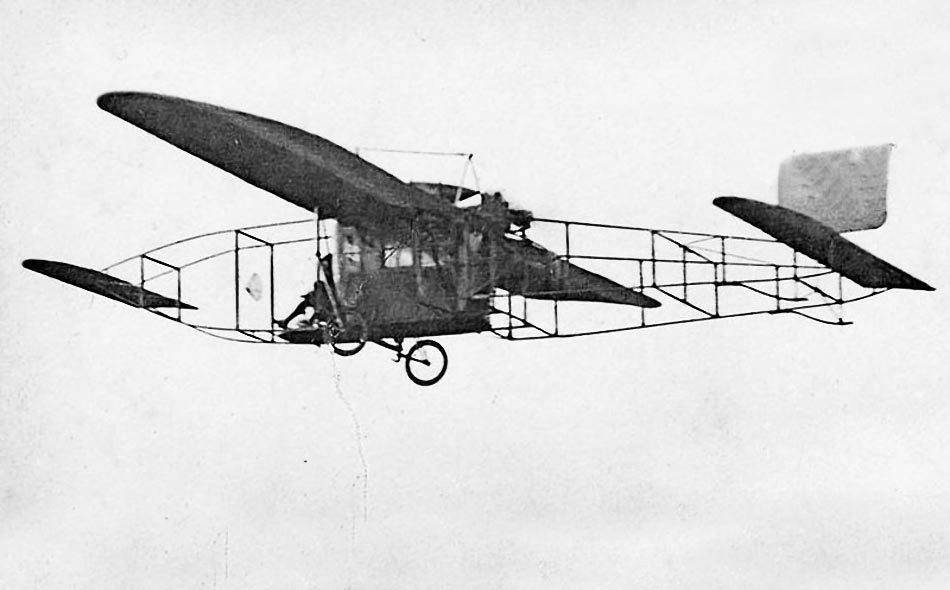
The core of the Bleriot XXIV Limousine’s design was its spacious four-seater passenger cabin, often referred to as a “saloon” or “cabin,” reminiscent of a fiacre carriage body – a detail that inspired part of its name. While passengers enjoyed a degree of enclosed comfort, the pilot was positioned on an open front platform, exposed to the elements, with only a small conical windscreen offering minimal protection.
Technically, the aircraft featured a rotary engine and fuel tanks located on the upper rear section of the cabin. Its wing design, a doubled-in-size iteration of the successful Blériot XI model, demonstrated a blend of proven efficacy and innovation. Furthermore, the control surface layout mirrored that of the influential Farman IV, integrating established aerodynamic principles.
Record-Breaking Flights and Legacy
The Bleriot XXIV Limousine commenced flights early in 1911, achieving a remarkable feat on February 4th by carrying ten people simultaneously, a significant record for its era. Due to payload regulations focusing on the number of “occupants” rather than total weight, pilots cleverly utilized smaller individuals or teenagers to maximize the passenger count.
The press quickly dubbed it the “Aerial Omnibus,” highlighting its perceived potential for mass transport. Despite drawing considerable attention at the Paris aeronautical exhibition that same year, the Bleriot XXIV Limousine did not proceed to serial production. After two years of use for pleasure flights, its ultimate fate remains unknown, leaving behind the story of a true aviation pioneer.
Technical Specifications
| Modification | Bleriot XXIV |
| Wingspan, m | 13.00 |
| Length, m | 14.00 |
| Wing area, m2 | 40.00 |
| Empty weight | 540 |
| Normal takeoff weight | 1000 |
| Engine type | 1 Piston engine Gnome |
| Power, hp | 1 x 100 |
| Maximum speed, km/h | 95 |
| Cruising speed, km/h | 75 |
| Crew, crew members | 1 |
| Payload | up to 4 passengers |
Image and diagram gallery of the Bleriot XXIV Limousine
 Bleriot XXIV Limousine |
 Bleriot XXIV Limousine |
 Bleriot XXIV Limousine |
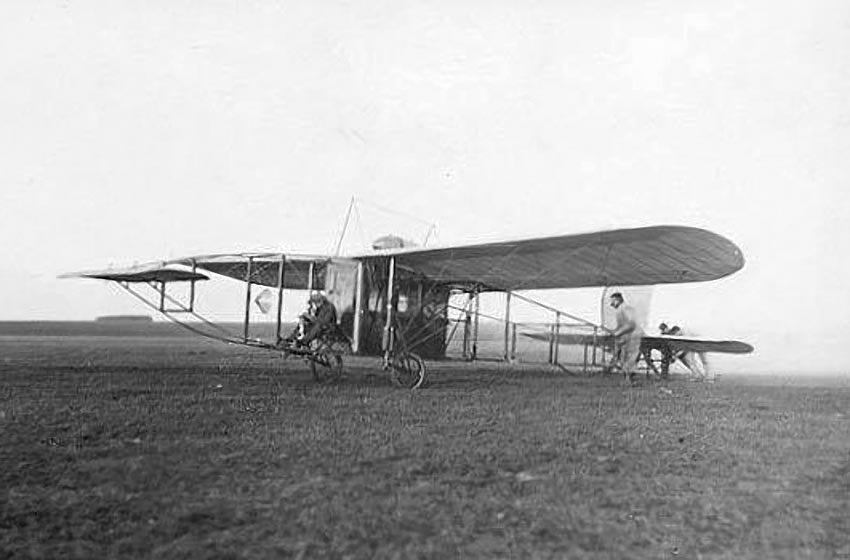 Bleriot XXIV Limousine |
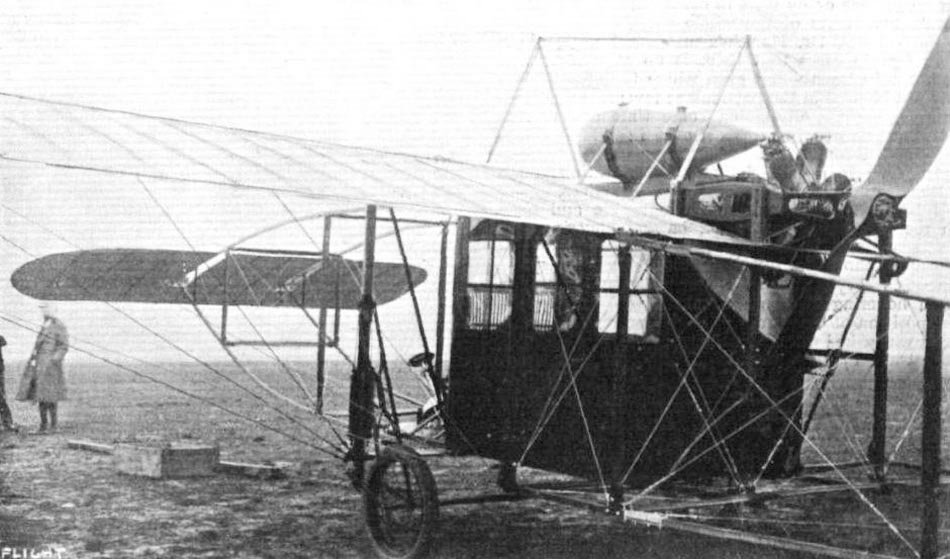 Bleriot XXIV Limousine |
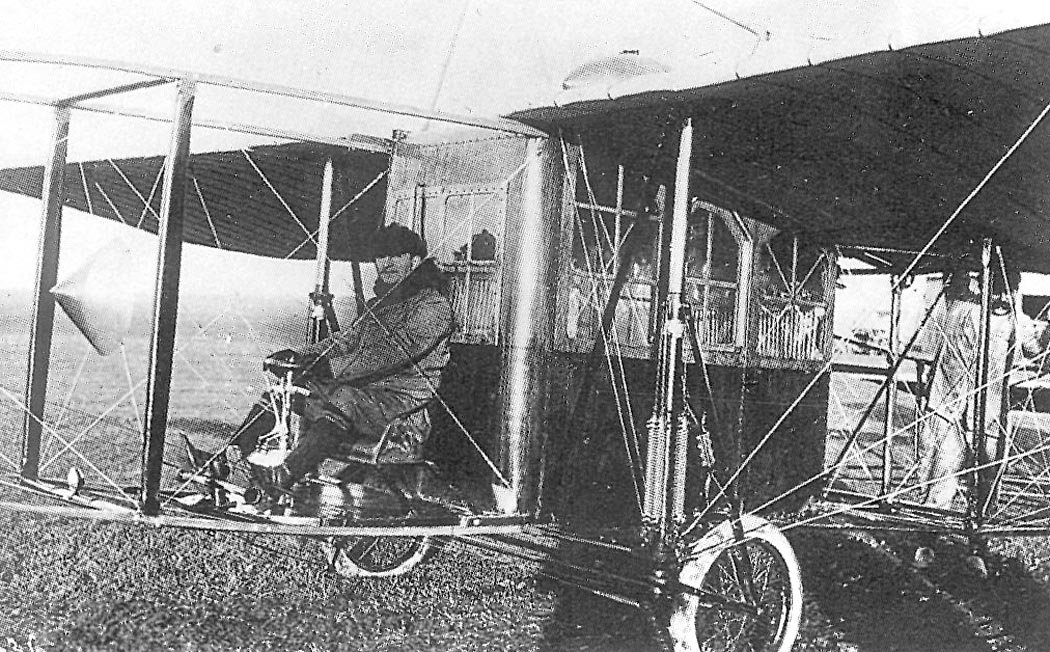 Bleriot XXIV Limousine |
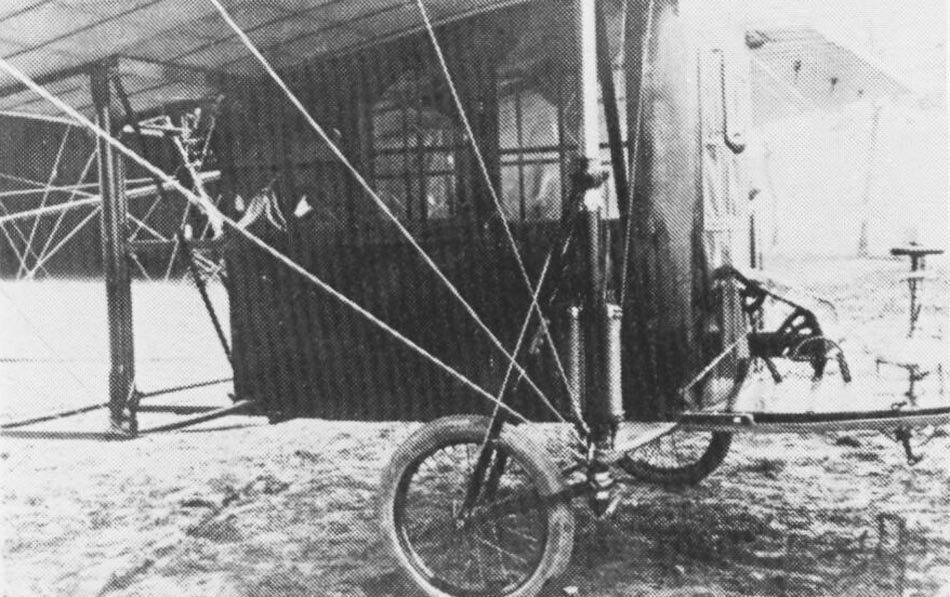 Bleriot XXIV Limousine |
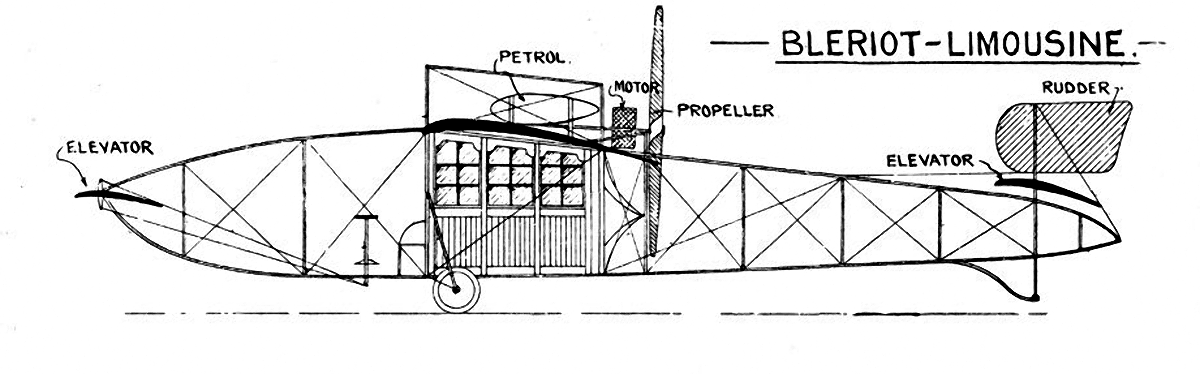 Bleriot XXIV Limousine |
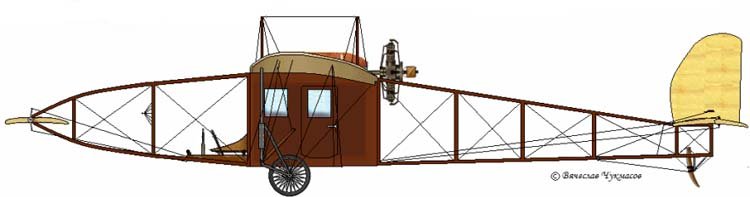 Bleriot XXIV Limousine |
ArchivoAéreo Editorial Team
A group of aviation researchers and enthusiasts dedicated to documenting and preserving global aeronautical history. All articles are reviewed to ensure historical accuracy.
Sources & Accuracy
The information presented in this technical sheet has been compiled from declassified flight manuals, historical archives, and specialized literature. While we strive for maximum accuracy, some performance data may vary depending on the specific variant or operational conditions.