Blériot XXVII
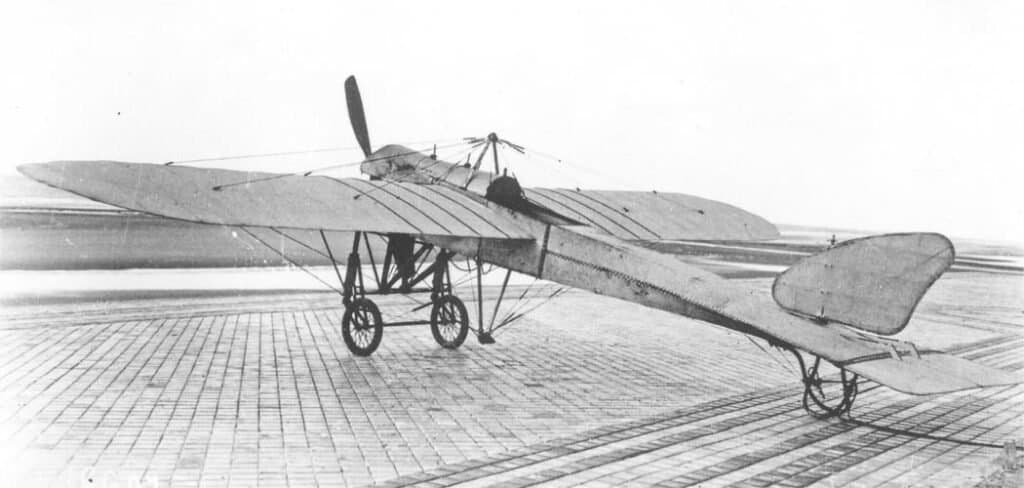
Few authentic aircraft from the early period of aviation have survived. The Blériot XXVII is one such machine, a light sports aircraft created in September 1911 by Louis Blériot, the first person to cross the English Channel by plane.
There were only two years between his Blériot XI, on which he crossed the strait, and this new machine. However, this was a significant difference at the time. The new aircraft no longer looked like an “openwork” (delicate) structure and was almost twice as fast (specifically, 1.7 times faster).
The Blériot XXVII: A Racing Pioneer
It was indeed designed as a racing aircraft, although it could not repeat the success of its fortunate predecessor. Despite its good flight characteristics, the Blériot XXVII did not become a mass-produced aircraft and remained a unique example.
A Unique Survivor
However, it was lucky enough to be preserved, and today the Blériot XXVII is housed at the RAF Museum in Hendon, London. This rare artifact offers a glimpse into the rapid advancements in aviation during the early 20th century.
Technical Specifications (Blériot XXVII)
Wingspan: 8.90 m
Length: 7.50 m
Wing area: 12.00 m²
Normal takeoff weight: 430 kg
Engine: 1 x Gnome Omega piston engine
Power: 50 hp
Maximum speed: 125 km/h
Crew: 1 person
Technical Specifications
| Modification | Blériot XXVII |
| Wingspan, m | 8. 90 |
| Length, m | 7.50 |
| Wing area, m2 | 12.00 |
| Normal takeoff weight | 430 |
| Engine type | 1 Piston engine Gnome Omega |
| Power, hp | 1 x 50 |
| Maximum speed, km/h | 125 |
| Crew, crew | 1 |
Image and diagram gallery of the Blériot XXVII
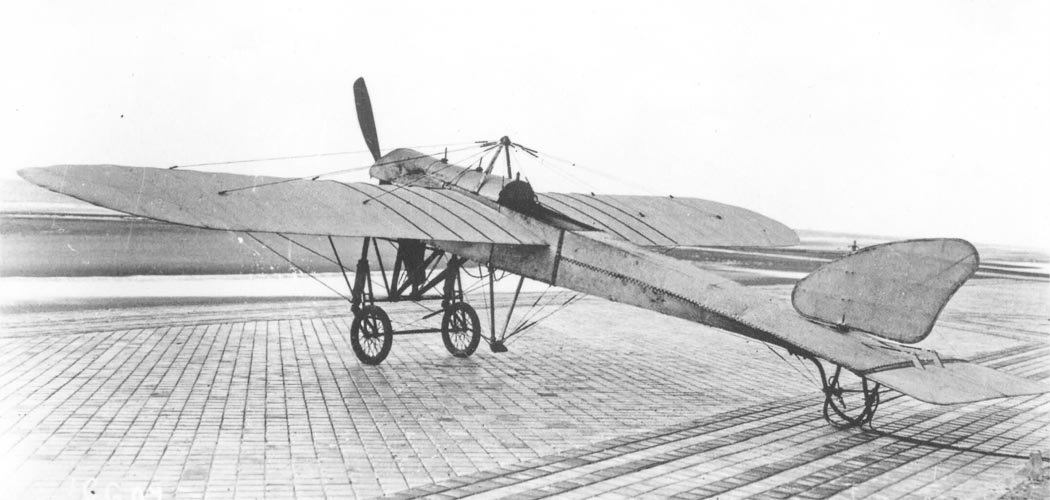 Blériot XXVII |
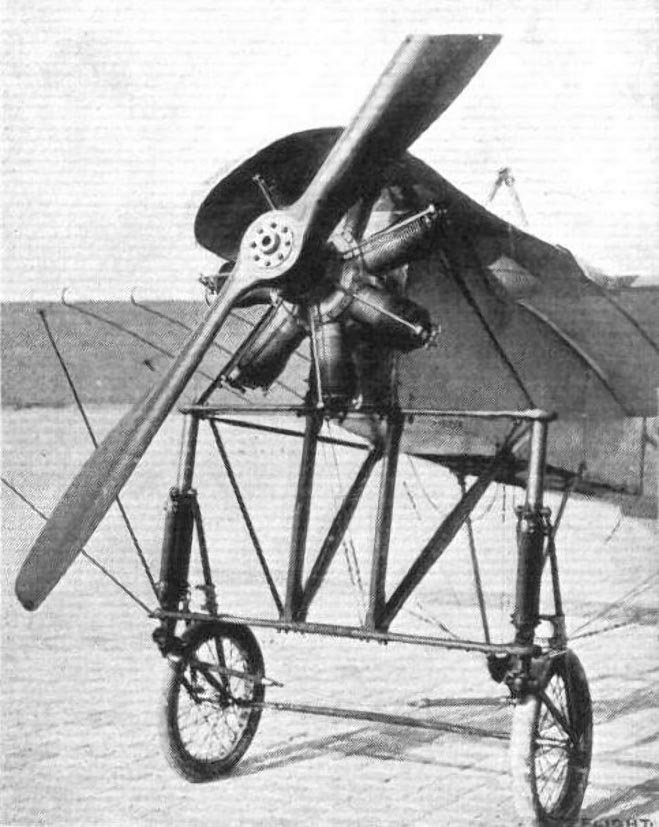 Blériot XXVII |
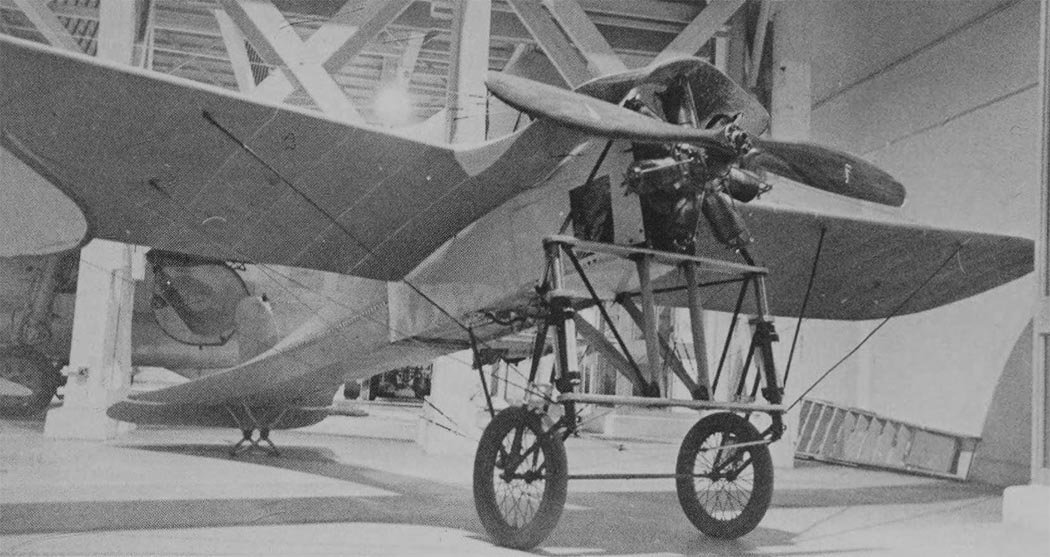 Blériot XXVII |
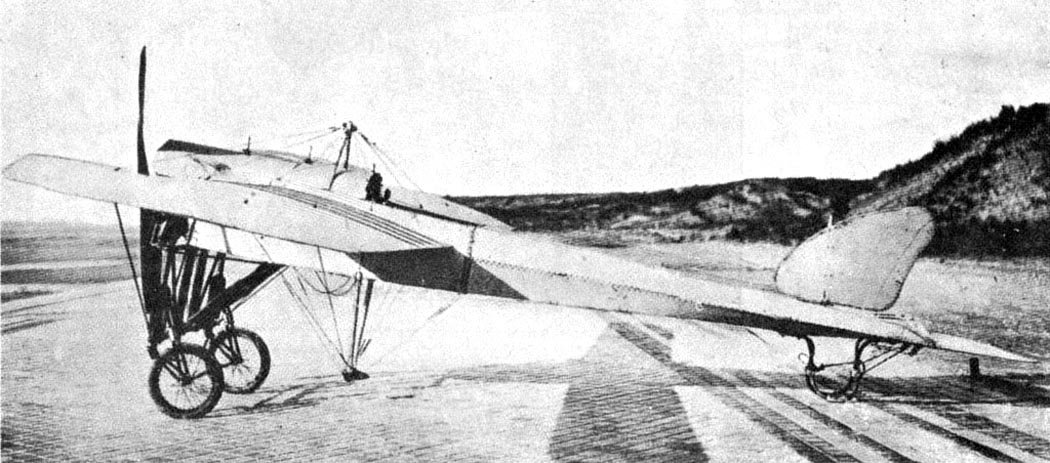 Blériot XXVII |
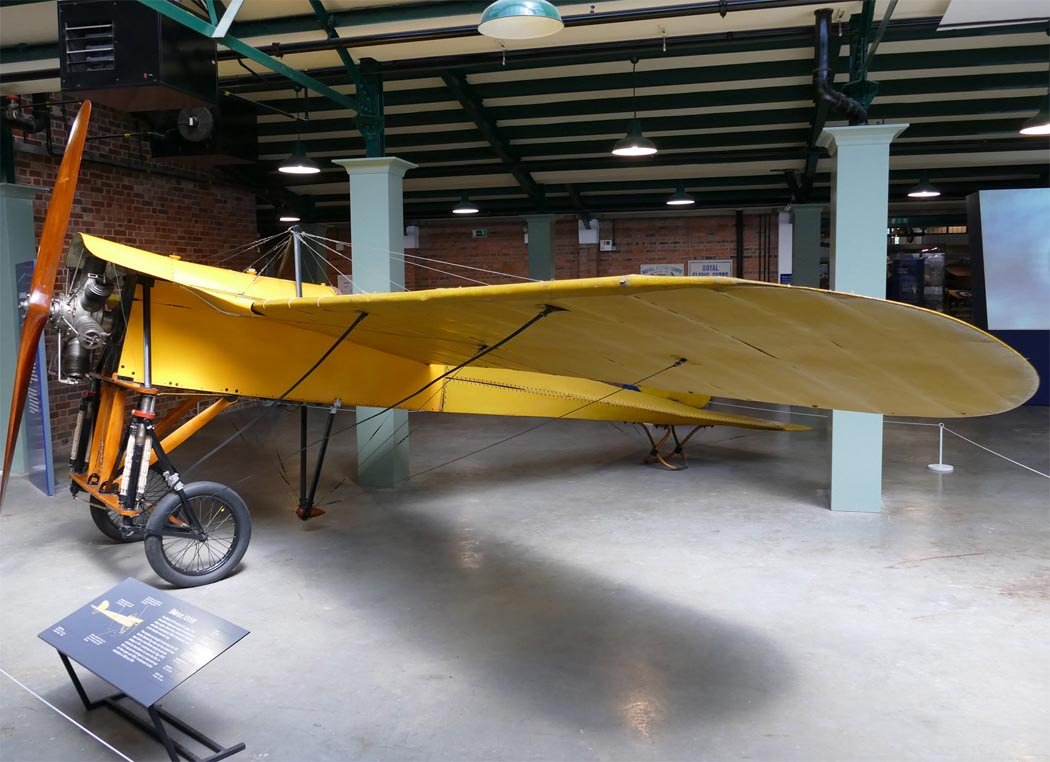 Blériot XXVII |
ArchivoAéreo Editorial Team
A group of aviation researchers and enthusiasts dedicated to documenting and preserving global aeronautical history. All articles are reviewed to ensure historical accuracy.
Sources & Accuracy
The information presented in this technical sheet has been compiled from declassified flight manuals, historical archives, and specialized literature. While we strive for maximum accuracy, some performance data may vary depending on the specific variant or operational conditions.