Blériot XXXIII
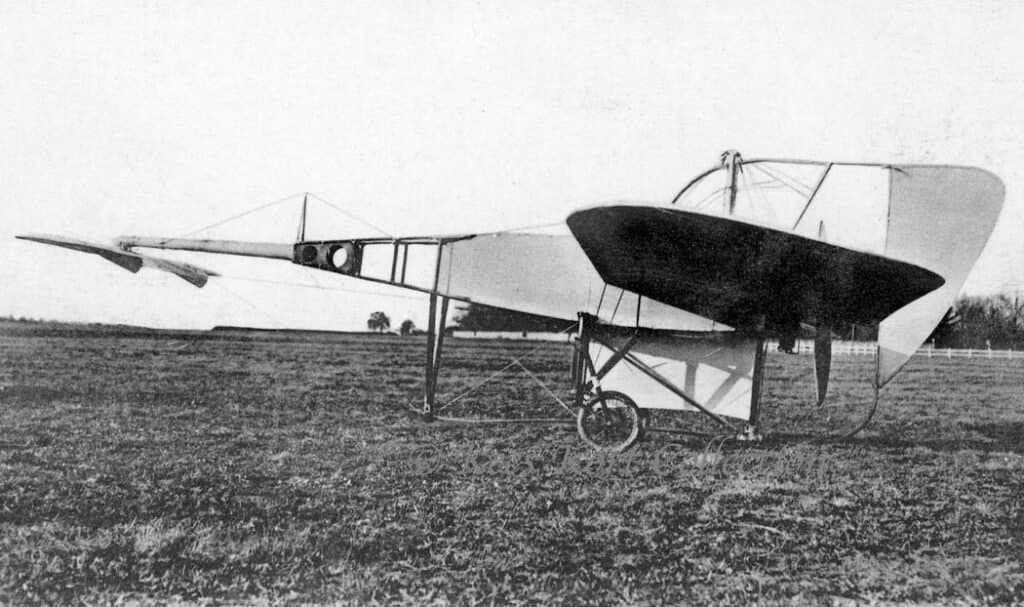
In 1912, Louis Blériot constructed the unusual Blériot XXXIII, a two-seater mid-wing monoplane featuring a canard configuration. This innovative aircraft was initially powered by a 70-horsepower Gnome engine. Its maiden flight took place in June 1912, though it unfortunately concluded with a minor accident.
Initial Design and Flight
Following the incident, the Blériot XXXIII underwent significant restoration. The landing gear was redesigned to improve stability and functionality. Furthermore, the aircraft received a power upgrade with the installation of a new Gnome engine, this time boasting 80 horsepower, aimed at optimizing its overall performance.
Technical Specifications
The Blériot XXXIII’s specifications included a wingspan of 10.50 meters and a length of 8.00 meters. It featured a wing area of 24.00 m² and a normal takeoff weight of 330 kg. The aircraft achieved a maximum speed of 115 km/h and accommodated a crew of two, making it suitable for various early aviation purposes.
Technical Specifications
| Modification | Blériot XXXIII |
| Wingspan, m | 10. 50 |
| Length, m | 8. 00 |
| Wing area, m2 | 24.00 |
| Normal takeoff weight | 330 |
| Engine type | 1 Piston engine Gnome |
| Power, hp | 1 x 790 |
| Maximum speed, km/h | 115 |
| Crew | 2 |
Image and diagram gallery of the Blériot XXXIII
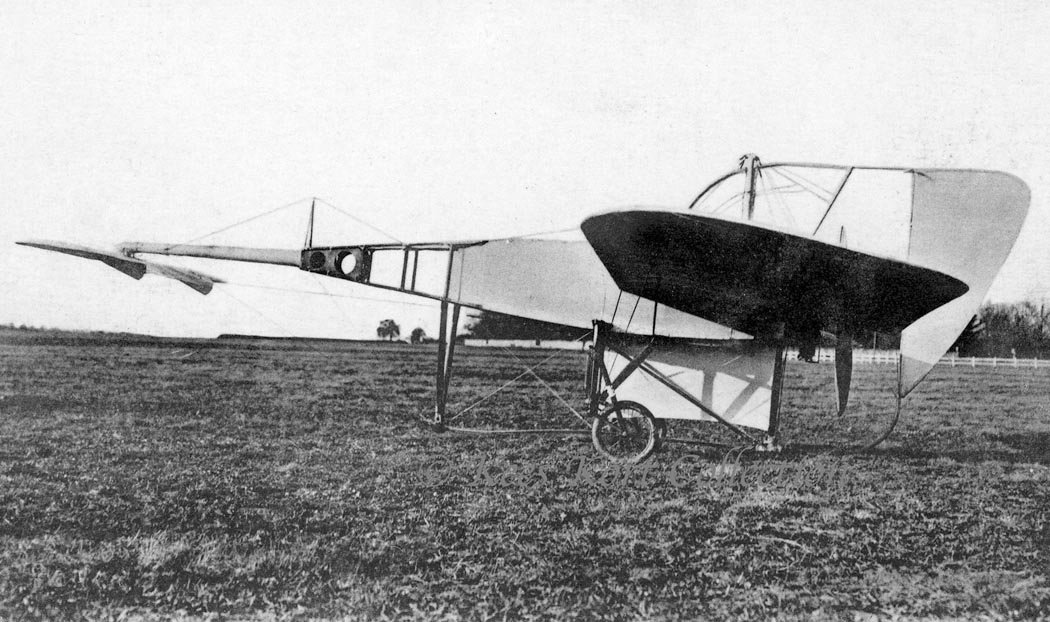 Blériot XXXIII |
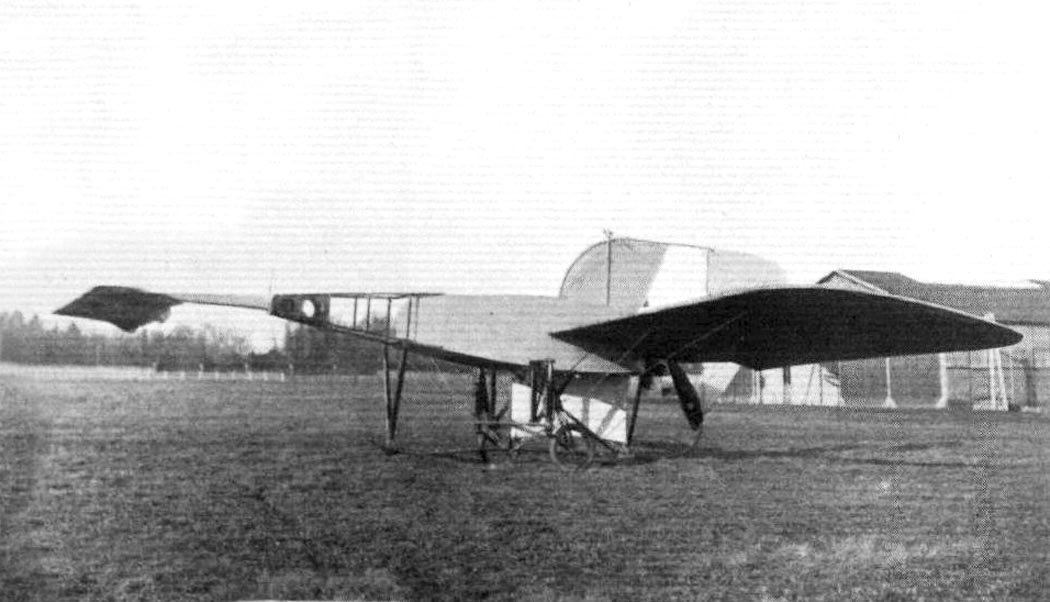 Blériot XXXIII |
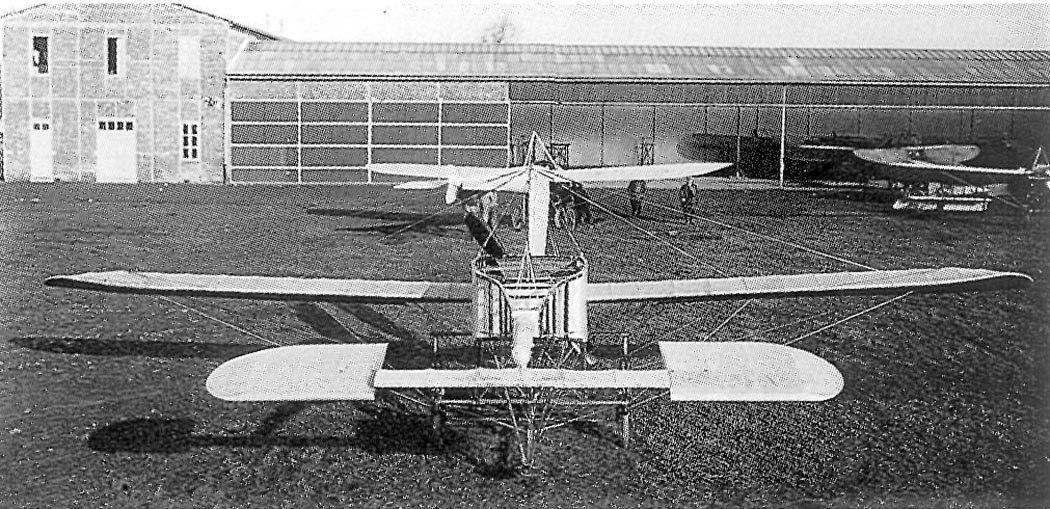 Blériot XXXIII |
ArchivoAéreo Editorial Team
A group of aviation researchers and enthusiasts dedicated to documenting and preserving global aeronautical history. All articles are reviewed to ensure historical accuracy.
Sources & Accuracy
The information presented in this technical sheet has been compiled from declassified flight manuals, historical archives, and specialized literature. While we strive for maximum accuracy, some performance data may vary depending on the specific variant or operational conditions.