Blohm & Voss BV 138B/C
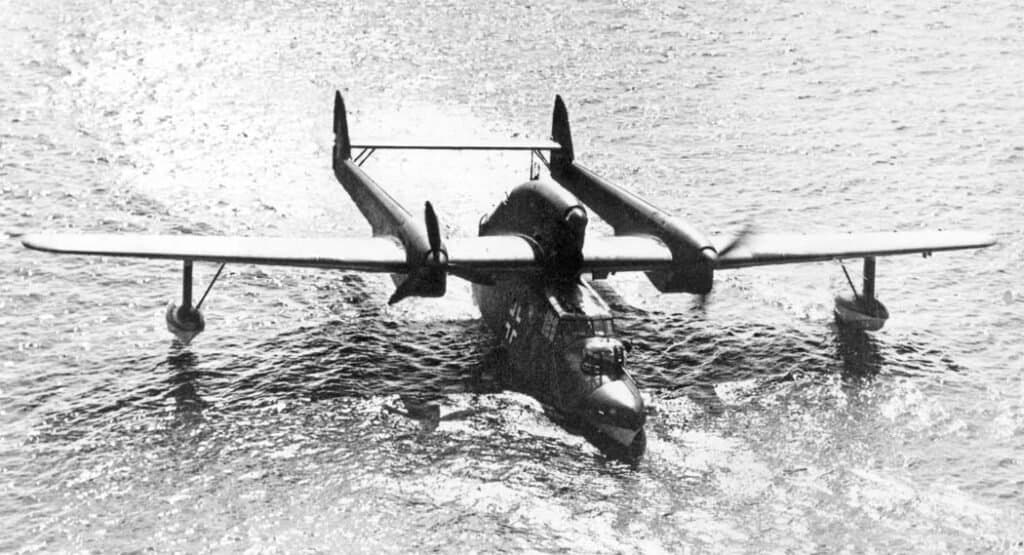
During the conversion of the BV.138a-04 into the first BV.138b-0, the LB-204 turret was replaced by a metal fairing, which retained the option of installing a new turret with a 20mm MG-151 cannon. The first production aircraft rolled off the Finkenwerder assembly line in December 1940. Fourteen machines were produced by the end of the year.
However, severe ice conditions on the Elbe River delayed their acceptance and deployment until March 1941. At that time, the first seven BV.138b-1s were taken into Luftwaffe inventory, along with seven BV.138c-1s, which had replaced the B-series on the assembly line.
Innovations and Armament
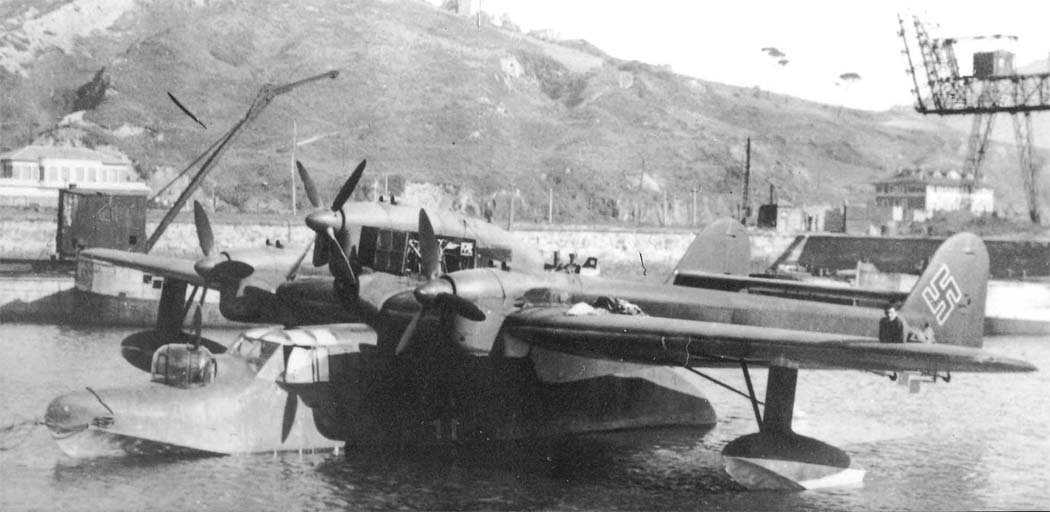
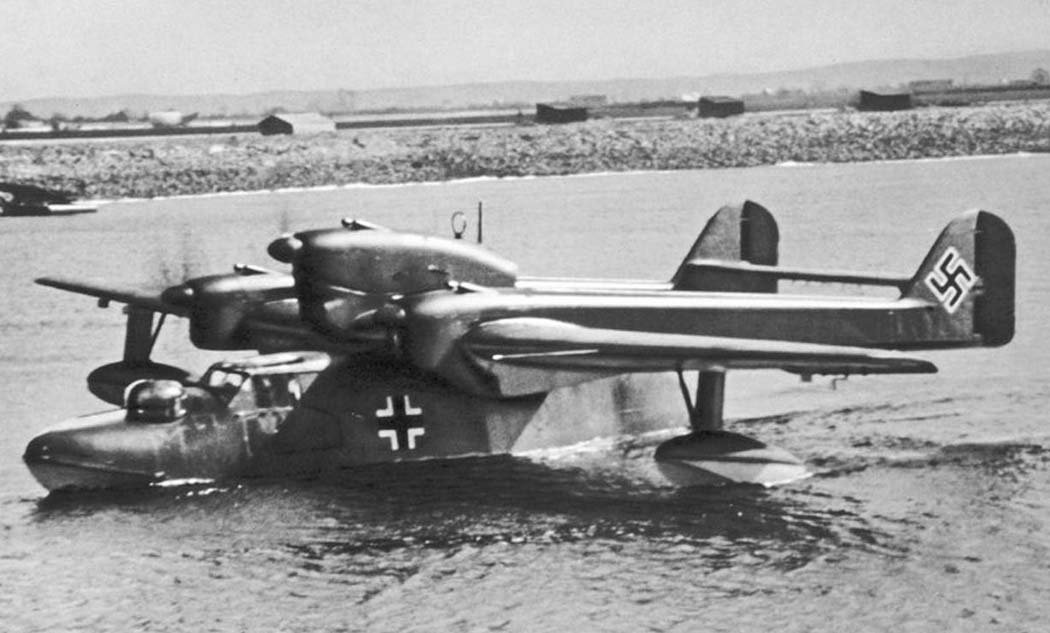
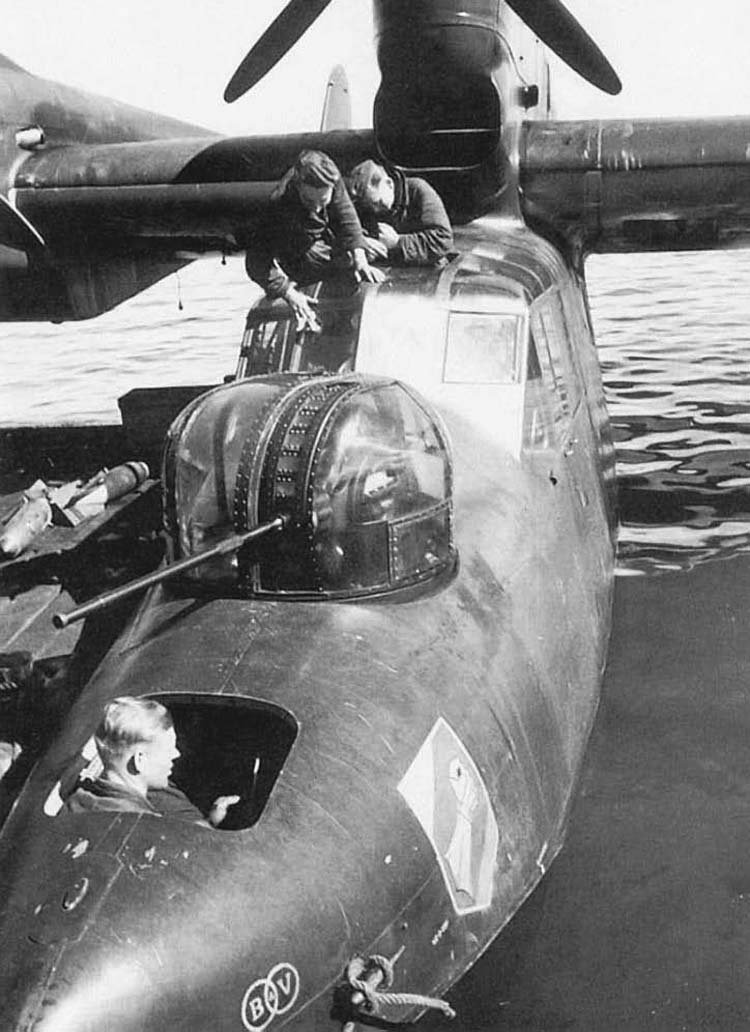
In addition to structural reinforcement, the BV.138b-1 received Jumo-205D engines with a take-off power of 880 hp. Its armament consisted of a 20mm MG-151 cannon in the nose turret, with an identical cannon installed in the boat’s tail section. An MG-15 machine gun was mounted behind the engine in the central gondola.
Although the bomb load did not initially change, the aircraft was modified before its delivery to the Luftwaffe with a factory armament change kit. This allowed the payload to be increased to six 50kg bombs or three 150kg depth charges, giving rise to the BV.138b-1/U1 variant.
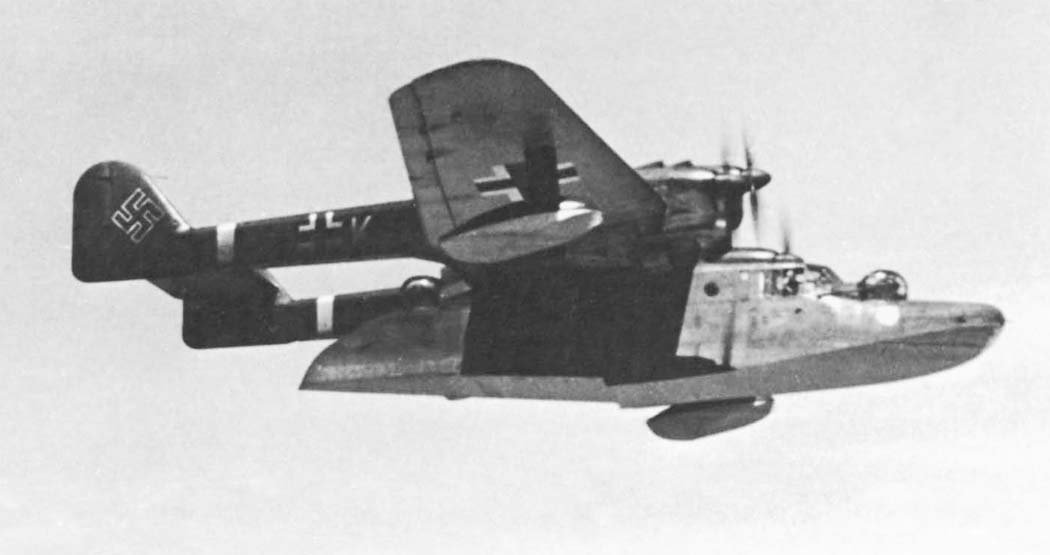
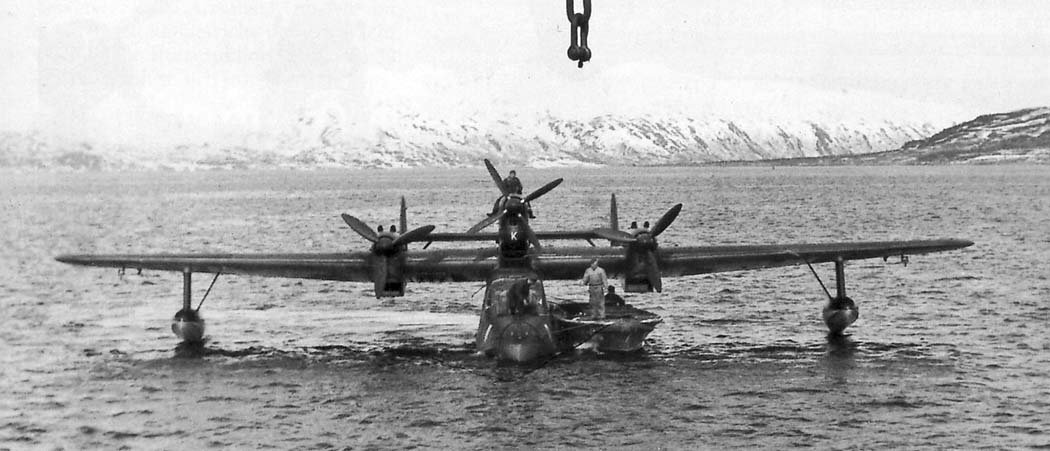
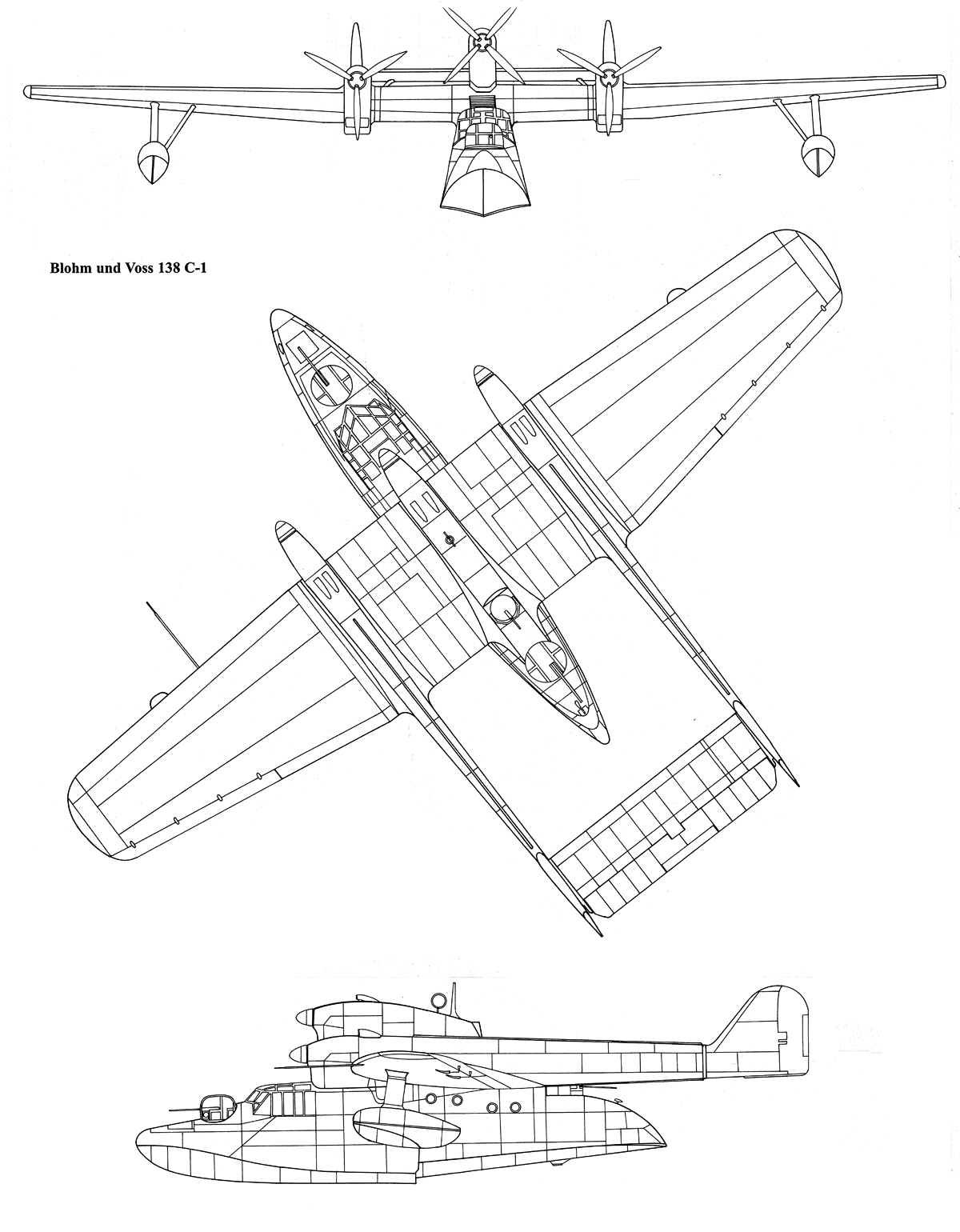
The BV.138c-1 was distinguished by further hull reinforcement, which increased the machine’s weight even more. Additional air intakes were installed on the upper part of the gondola, and the MG-15 was replaced by an MG-131 machine gun. Three-bladed propellers were replaced with four-bladed ones, an upgrade also applied to BV.138b-1s during their modernization. The radio operator received an MG-15 machine gun, from which he could fire through the right hull window. The BV.138c-1/U1 variant received the same armament set as the BV.138b-1/U1.
Production and Operational Service
With the delivery of the BV.138b-1 and c-1, the remaining BV.138a-1s were withdrawn from the French coast and returned to Germany for upgrades to the latest versions. Despite the program’s high priority, BV.138 production declined. While the Luftwaffe accepted 15 BV.138c-1s in April 1941, only 11 were delivered the following month, and just 5 in June.
This reduction was caused by a shortage of components and equipment, including armament, tools, engines, propellers, and radio stations. Measures were taken to start aircraft production at “Weser Flugzeugbau,” but the first aircraft was barely completed by the end of the year, and that only with parts sent from Finkenwerder. Regular deliveries from Weser began in April 1942. In total, Weser managed to produce 59 BV.138c-1s before stopping production in September 1943 (compared to 79 in 1941). Another 30 were produced at Finkenwerder until production ceased in December 1943. Total production of the BV.138c reached 227 machines.
Adaptations and Theaters of Operation
A small number of BV.138c seaplanes were converted into mine countermeasures aircraft in 1942-43, receiving the designation BV.138-MS, also known as “Mausi-flugzeug” or “mousetrap aircraft.” These were used for sweeping magnetic mines in channels, rivers, and coastal areas. All armament was removed from the BV.138-MS, and a magnetic coil was mounted around the hull on struts, powered by an auxiliary motor installed in place of the nose turret. Other BV.138c aircraft were equipped with FuG-200 “Hohentwiel” radars for convoy search and directing submarines towards them. If necessary, the aircraft could carry 10 fully equipped infantrymen.
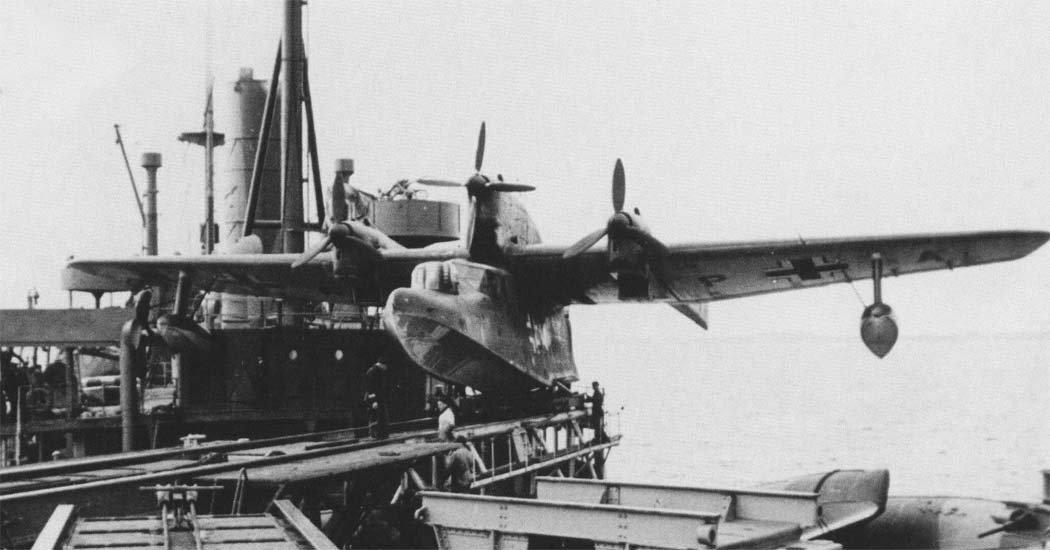
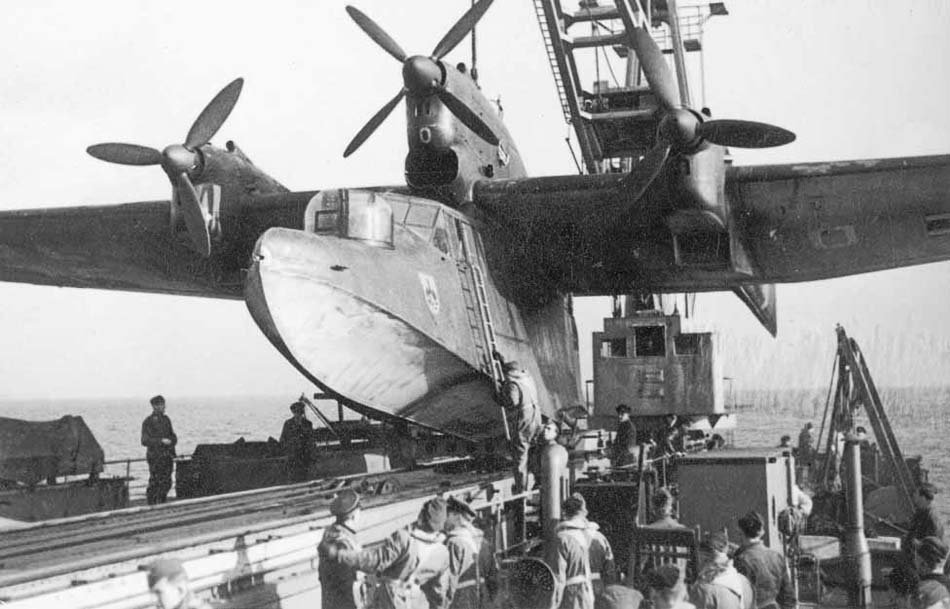
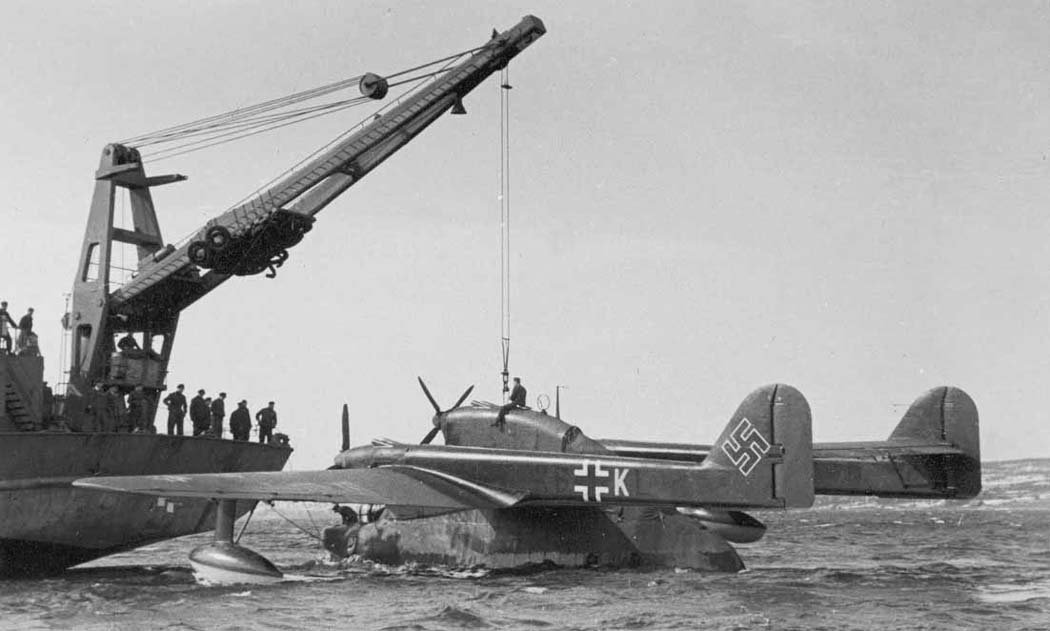
All BV.138b and C models could be fitted with rocket boosters providing up to 500 kg of thrust. Seventy BV.138c aircraft received catapult attachment points for launch from seaplane tenders “Busard,” “Falke,” “Ostmark,” “Sperber,” and “Westfalen.” These vessels, equipped with a catapult and a crane, served as floating bases for BV.138s in polar waters, far from main bases.
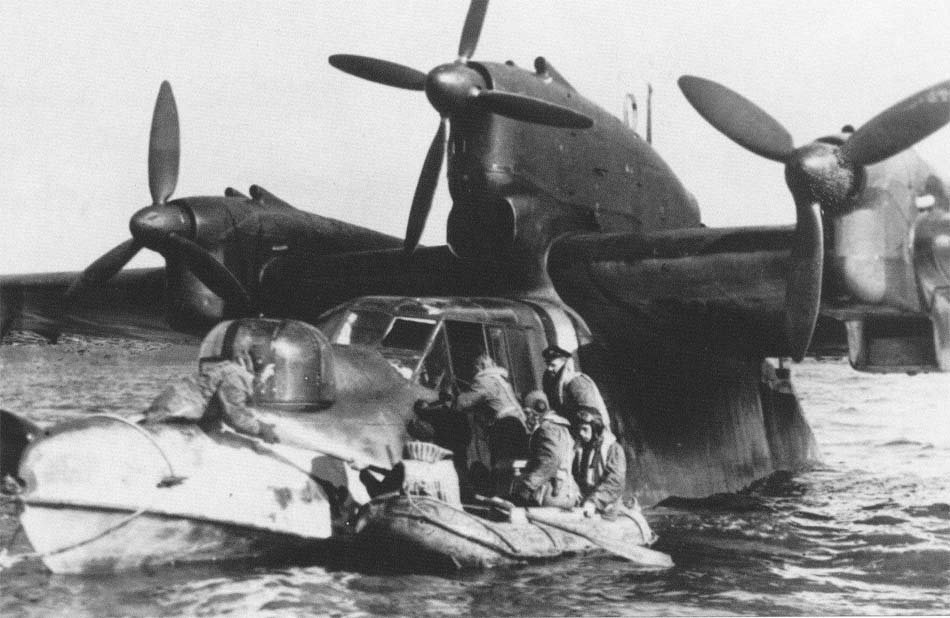
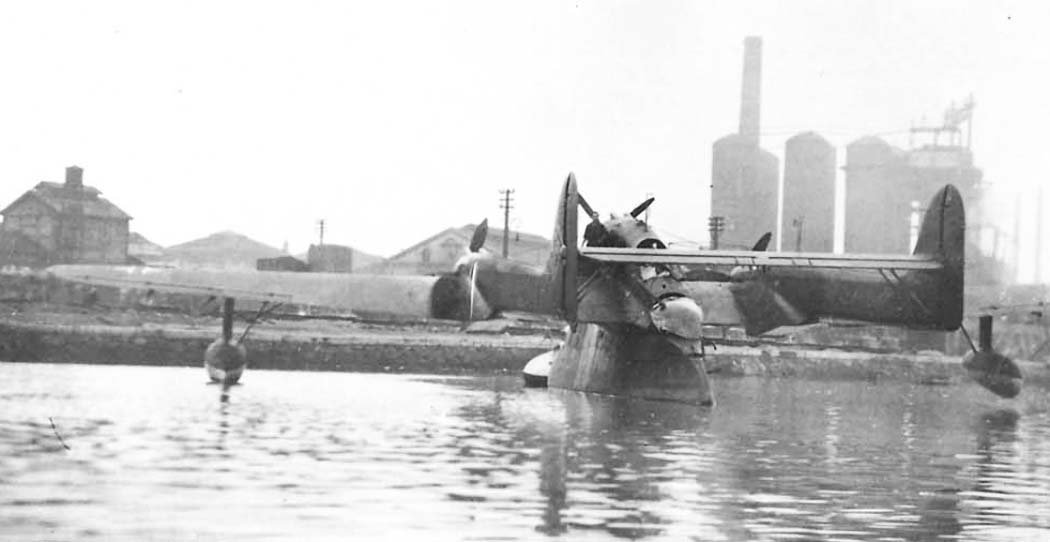
Once initial problems were resolved, the BV.138 proved to be an effective patrol aircraft, extremely robust and capable of enduring heavy damage from both enemy action and weather. Its seaworthiness, combined with its ability to stay long periods in the open sea, led to a unique “ambush” tactic: BV.138s would fly into the Atlantic, land on the water, and drift for two to three days until an Allied convoy was reported. After that, the BV.138 would take off and attack the convoy in coordination with submarines. Much attention was paid to the possibility of crew maintenance far from base, allowing even relatively complex repairs to be carried out in the open sea.
The BV.138 was well-armed. Its three firing points provided good fields of fire, and the range of its cannons ensured effective defense. The crew complement was increased to 6 people, though it usually consisted of five. With maximum fuel, the BV.138c-1 could stay airborne for up to 18 hours, although with a normal load, only 6.5 hours. At a normal take-off weight of 14,500 kg and calm water, the take-off run lasted 30 seconds and covered 700m. Take-off speed was 108 km/h, and landing speed was 114 km/h.
In the spring of 1940, the Technical Department, realizing the need for more long-range reconnaissance seaplanes, began to consider a replacement for the BV.138. The development contract was placed with “Blohm & Voss.” It was planned that the “ersatz BV.138” would be an enlarged variant of its predecessor, with a take-off weight of 24 tons, armament in remotely controlled installations, and a bomb load of 2600 kg. Space was provided for 60 fully equipped paratroopers.
Blohm & Voss proposed eight projects, all of which envisioned using Jumo-208 diesel engines with a take-off power of 1100 hp. These included: “Project-110” (an enlarged BV.138 variant with two or three engines); “Project-111” (an asymmetrical, three-engine variant of the “110”); “Project-112” (like “111”, but with an enlarged hull); “Project-113” (a three-engine, twin-hulled flying boat with the dimensions and weight of the “112”); “Project-122” (four-engine, twin-boom); “Project-123” (a twin-hulled equivalent of the “122”); “Project-124” (similar to “122” but with retractable landing gear); and “Project-125” (a similar variant of “123”). However, none of these projects were realized—the Jumo-208 engines did not progress beyond the test bench, and the BV.138 remained the sole type until the end of the war.
War Fronts and Final Missions
With the early BV.138a-1s, two coastal aviation squadrons assigned to operations in the Bay of Biscay – 1./Ku.Fl.Gr.506 and 2./Ku.Fl.Gr.906 – were not very active. Both squadrons were withdrawn from France for re-equipment with BV.138b and C models just before the creation of the “Atlantic Air Command” in March 1941. Squadron Ku.Fl.Erg.138 was formed for crew training and as a reserve, but the rearmament of other units and the formation of new ones were delayed due to ice on the Elbe. However, work accelerated in the spring, and during the summer, 2./Ku.Fl.Gr.406 was re-equipped with BV.138b-1s, commencing convoy searches from bases in Stavanger and Tromsø as part of the “Nord-Ost” and “Lofoten” commands.
By the end of 1941, two BV.138 squadrons – 1./Ku.Fl.Gr.506 and 2./Ku.Fl.Gr.906 – were transferred from France to the Baltic, joining the “Ostsee” command. Several other units were based in Banak, Tromsø, and Trondheim and operated BV.138s: long-range reconnaissance squadrons 1. and 2.(F)/SAGr.130, 1. and 2.(F)/SAGr.131 (alongside Ar.196), and 3./Ku.Fl.Gr.906 (alongside He.115).
During October 1941, one BV.138b-1 squadron, with 10 aircraft, flew over 500 hours on long-range reconnaissance missions, covering 10,000 km. The reliability of the Blohm & Voss flying boats was proven. Furthermore, the BV.138 also demonstrated its ability to defend itself, recording a Blenheim fighter shot down over the Skagerrak and a Catalina over the North Sea shortly after its debut in the Norwegian operation.
By the end of 1941, 3.(F)/SAGr.125, which operated Ar.95a-1s as part of “Ostsee,” was re-equipped with BV.138c-1s and transferred to Constanta on the Black Sea. There, they formed the core of naval reconnaissance, often operating under the cover of Romanian fighters. BV.138s from 3.(F)/SAGr.125 conducted reconnaissance and bombed ships until the end of summer 1944, when the Black Sea became the last theater of operations for Blohm & Voss flying boats.
Other theaters for the BV.138 were the Baltic, the North Atlantic, and the Arctic. When the danger to Germany from Allied PQ convoys on the Arctic route to Murmansk and Arkhangelsk became apparent, the operations of seaplane squadrons from Norwegian bases received new impetus. A turning point in actions against convoys occurred in mid-1942, when 44 BV.138s were based in northern Norway. They provided the most effective detection and subsequent tracking of convoys, and losses from enemy action were minimal.
However, on September 8, 1942, when a BV.138 flying from Tromsø discovered convoy PQ-18 near Jan Mayen Island, a new page in the history of polar convoys was opened. From the very beginning of its detection, BV.138s accompanied the convoy, but on the 9th, an escort joined the convoy, including the aircraft carrier “Avenger” with 12 Sea Hurricane IIC fighters from the 802nd and 883rd squadrons. For the first time, a PQ convoy received air cover. As a result, the heavy BV.138s found it very difficult to maintain contact with the convoy. One of the flying boats endured a 90-minute battle with fighters and managed to return to base, albeit with serious damage.
Throughout 1942, BV.138s operating from Norwegian bases often rendezvoused with submarines, refueling at sea, which allowed them to conduct reconnaissance of Soviet convoy routes in polar regions. Such refuelings took place until August 1943. By this time, BV.138s were flying from bases established in Soviet territory. For reconnaissance of convoys in the Kara Sea, which greatly interested the Germans, two submarines organized an advanced supply base for BV.138s on Novaya Zemlya. From there, the latter operated for several weeks, making eight reconnaissance flights eastward to Yamal and north of the eastern part of the Urals.
By 1943, BV.138s reappeared over the Bay of Biscay, as well as over the Mediterranean Sea. In May 1943, 3./Ku.Fl.Gr.406 was deployed in the Bay of Biscay, comprising seven BV.138c-1s and a BV.222-V3. During the following month, the squadron, along with newly arrived BV.222-V2, V4, and V5, was subjected to continuous bombings and strafing by British fighter-bombers. Several flying boats, including BV.222-V3 and V5, were sunk, and others were seriously damaged. Only two BV.138c-1s and two BV.222s remained combat-ready. By October, this unit was renamed 1.(F)/SAGr.129, comprising a small number of BV.138c-1s, the BV.222-V7, and pre-production BV.222c-09 and -010. The squadron continued to operate in the Atlantic and the Bay of Biscay until the German withdrawal from Biscarrosse in 1944.
In the Mediterranean, the 126th Long-Range Naval Reconnaissance Regiment began operating in spring 1943, based in Crete, as part of the “Südost” command. Its 3rd squadron was fully equipped with BV.138c-1s. It was the only squadron fully equipped with BV.138s throughout the entire war. Later, it was transferred to the 6th Air Fleet and operated in the north-central sector of the Eastern Front, and then on communications from bases in Denmark.
By May 1944, the number of BV.138s in service had noticeably decreased. The use of slow-moving flying boats in conditions of complete enemy air superiority became an extremely risky undertaking. However, the northern waters still remained a deployment area for the BV.138. Squadrons at Norwegian bases still had several BV.138s in their inventory. For example, 1. and 2.(F)/SAGr.130 had six and five BV.138s respectively, 3.(F)/SAGr.130 (formerly 2./Ku.Fl.Gr.406, and later 1.(F)/SAGr.131) had eight BV.138s, and 2.(F)/SAGr.131 used BV.138s jointly with Ar.196.
Several BV.138-MS minesweepers operated in the 1st Mine Searcher Regiment. By January 10, 1945, apart from the aforementioned 3./SAGr.126, according to the Luftwaffe headquarters list, BV.138s remained only in 1. and 3.(F)/SAGr.130 within the 5th Air Fleet, and by April 9, only 3./SAGr.126 remained. However, although other units did not officially list BV.138s, they were still used in some places. For instance, on May 1, 1945, Oberleutnant Wolfgang Klemusch of 3.(F)/SAGr.130, based in Copenhagen, received orders to fly his BV.138 to Berlin at night, land on a lake, and pick up two very important couriers. Klemusch successfully landed despite intense artillery fire, but since the couriers could not present any identifying documents, the pilot refused to take them aboard, instead loading 10 wounded and returning to Copenhagen. It was later discovered that these couriers were supposed to deliver Hitler’s will and last testament.
Technical Specifications
| Modification | ВV.138c-1 |
| Wingspan, m | 26.95 |
| Length, m | 19.85 |
| Height, m | 5.90 |
| Wing area, m2 | 108.50 |
| Empty weight | 11780 |
| Normal takeoff weight | 14513 |
| Maximum takeoff weight | 17666 |
| Engine type | 3 Piston engines Junkers Jumo-205D |
| Power, hp | 3 x 880 |
| Maximum speed, km/h | 283 |
| Cruising speed, km/h | 234 |
| Maximum range, km | 4272 |
| Normal range, km | 1212 |
| Maximum rate of climb, m/min | 135 |
| Service ceiling, m | 5000 |
| Crew, crew members | 6 |
| Armament | One 20-mm MG-151 cannon in the nose and tail turrets, and one 13-mm MG-131 machine gun on the central engine pylon. 3 x 50kg bombs under the right center wing section or, on U1, 6 x 50kg bombs or 3 x 150kg depth charges. |
Image and diagram gallery of the Blohm & Voss BV 138B/C
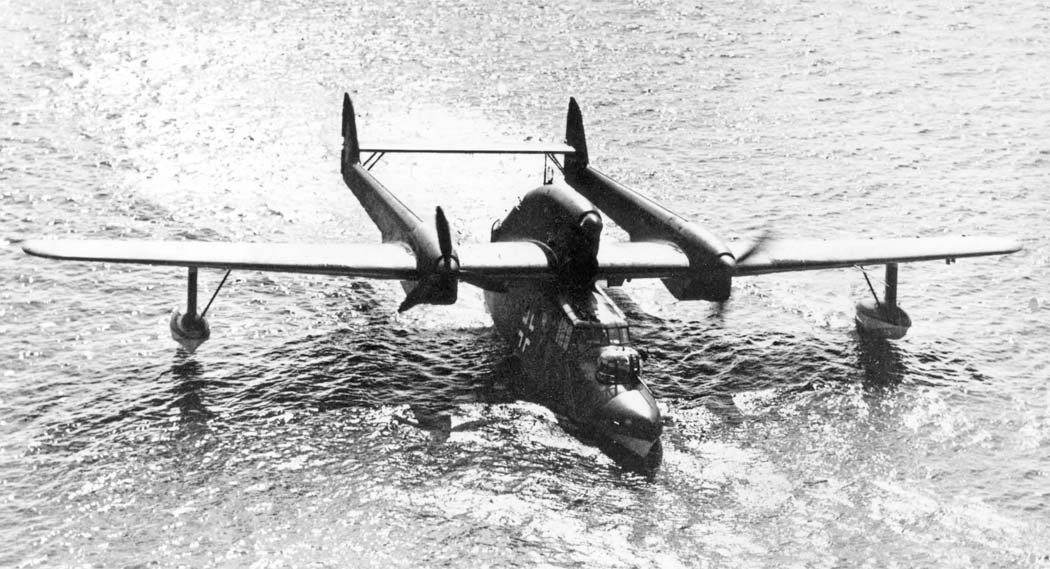 BV.138B/C |
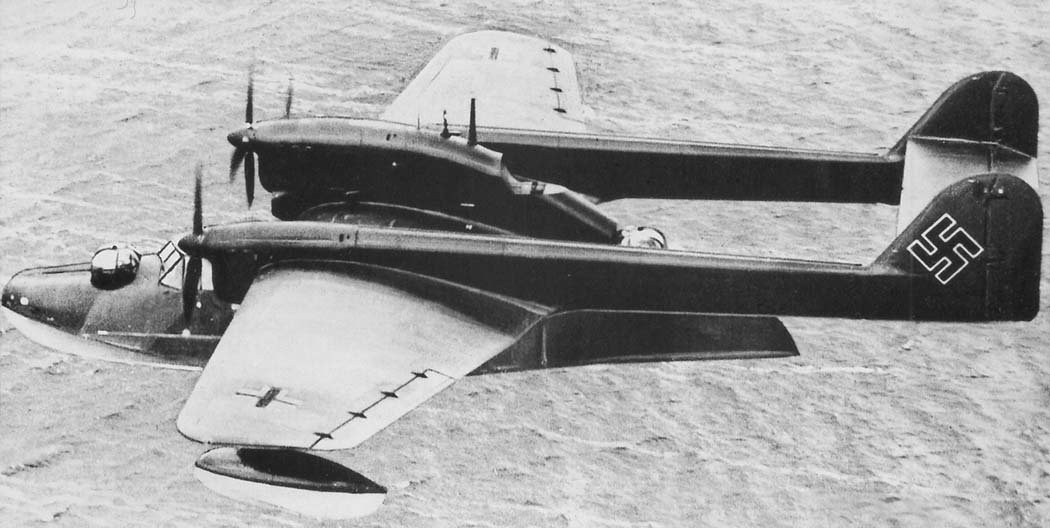 BV.138B/C |
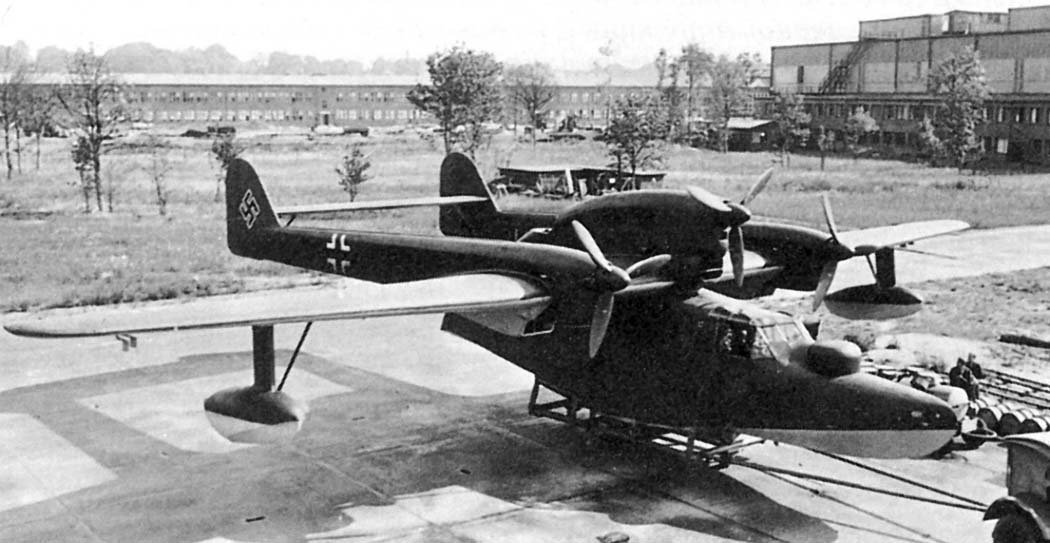 BV.138B/C |
 BV.138B/C |
 BV.138B/C |
 BV.138B/C |
 BV.138B/C |
 BV.138B/C |
 BV.138B/C |
 BV.138B/C |
 BV.138B/C |
 BV.138B/C |
 BV.138B/C |
 BV.138B/C |
 BV.138B/C |
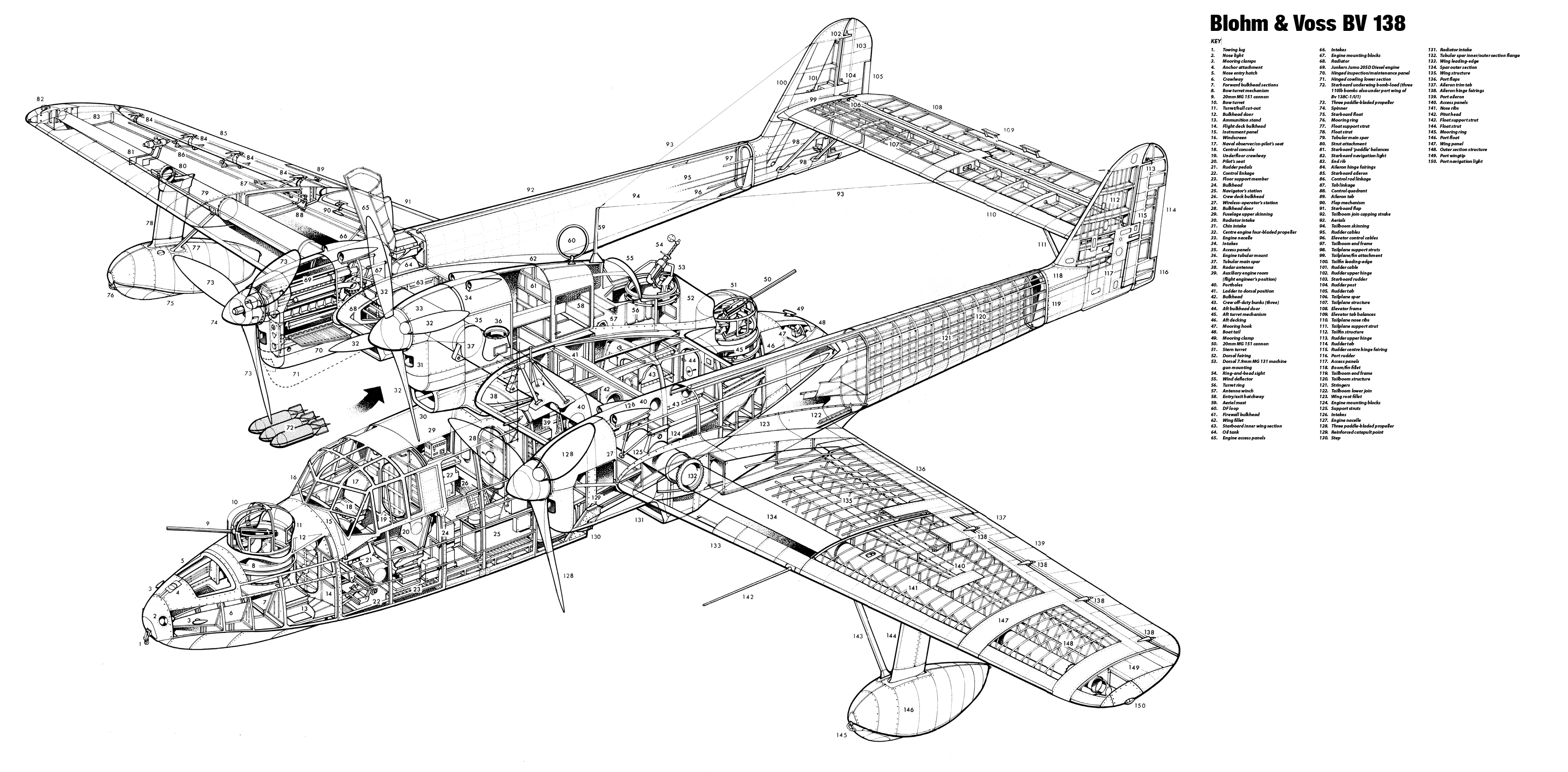 BV.138B/C |
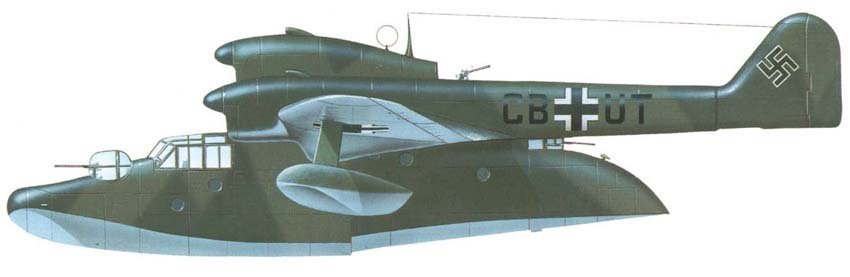 BV.138B/C |
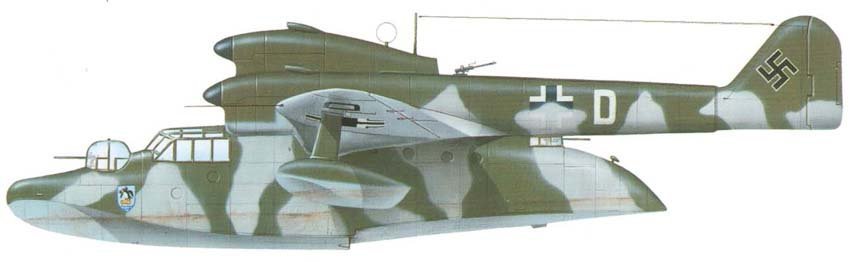 BV.138B/C |
ArchivoAéreo Editorial Team
A group of aviation researchers and enthusiasts dedicated to documenting and preserving global aeronautical history. All articles are reviewed to ensure historical accuracy.
Sources & Accuracy
The information presented in this technical sheet has been compiled from declassified flight manuals, historical archives, and specialized literature. While we strive for maximum accuracy, some performance data may vary depending on the specific variant or operational conditions.