BM-4
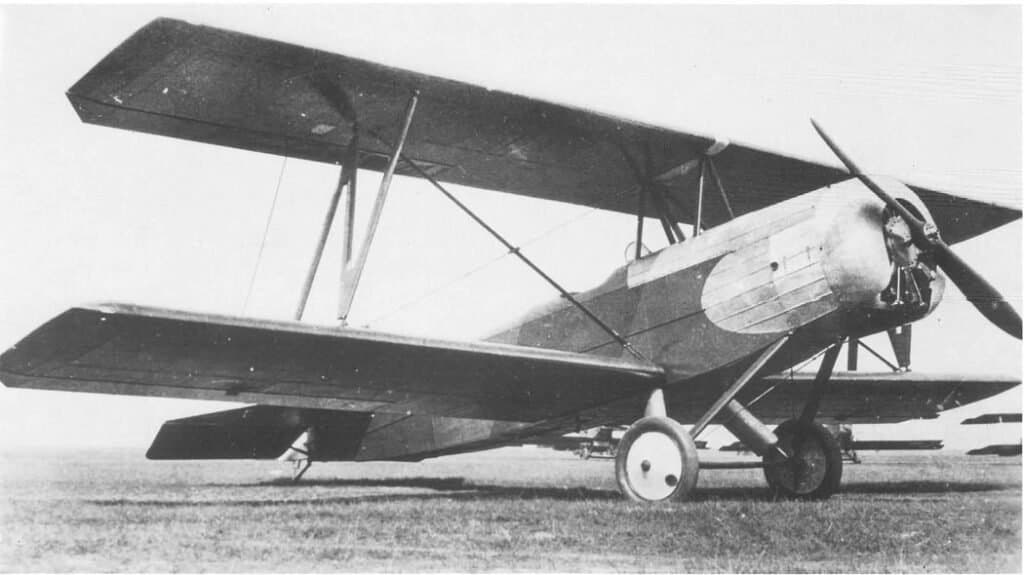
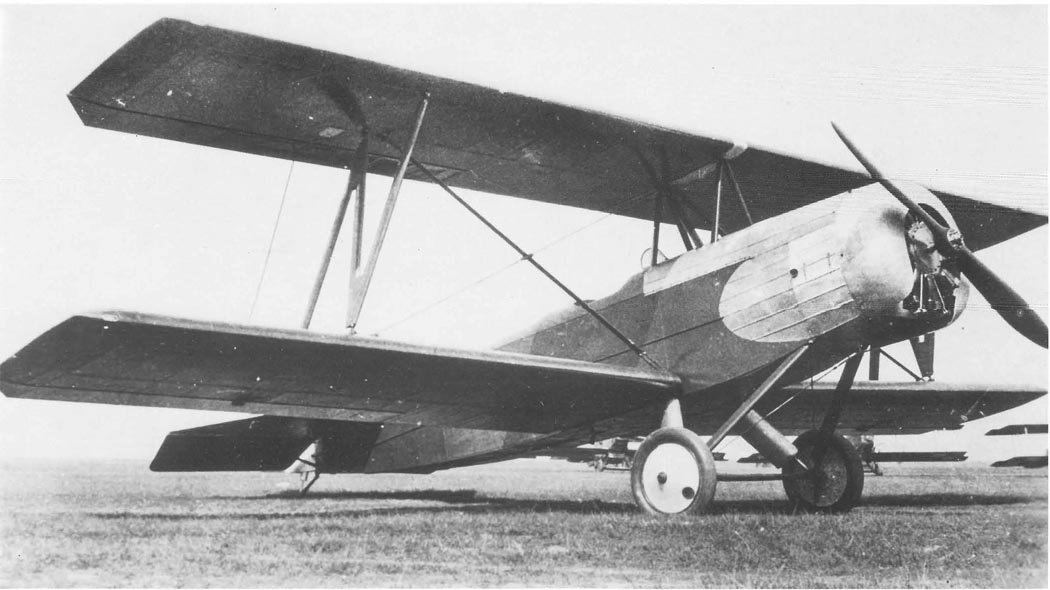
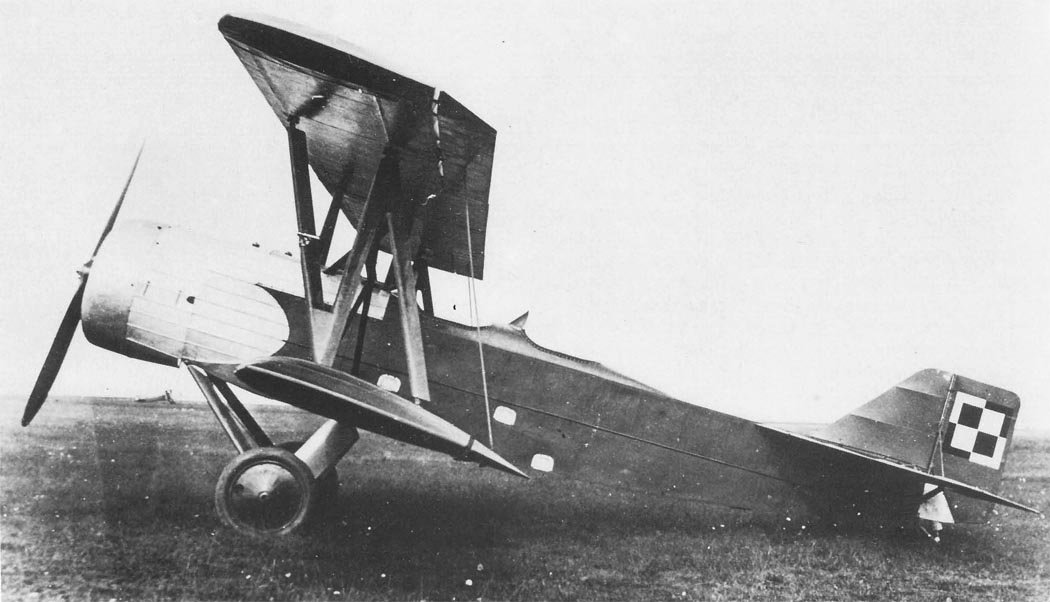
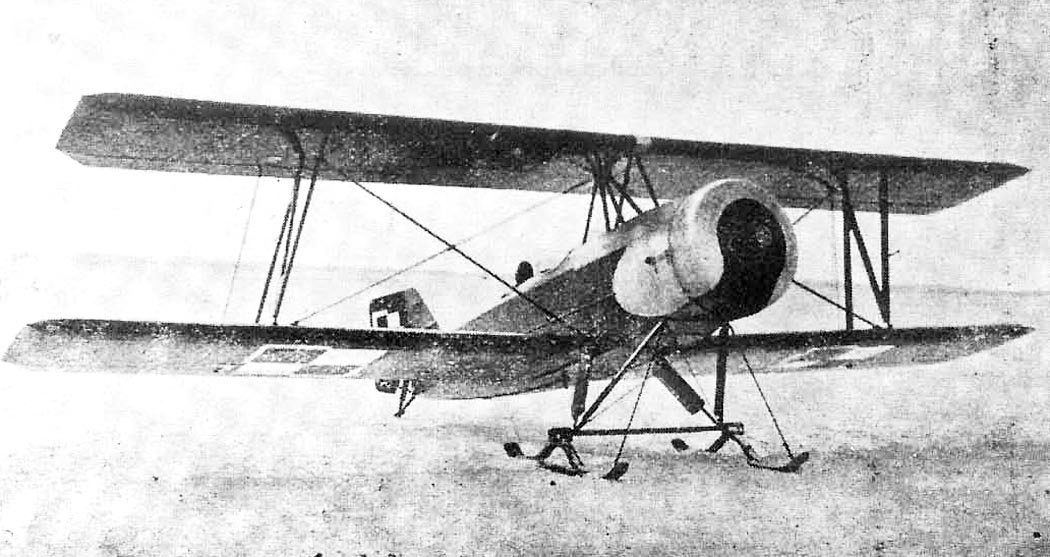
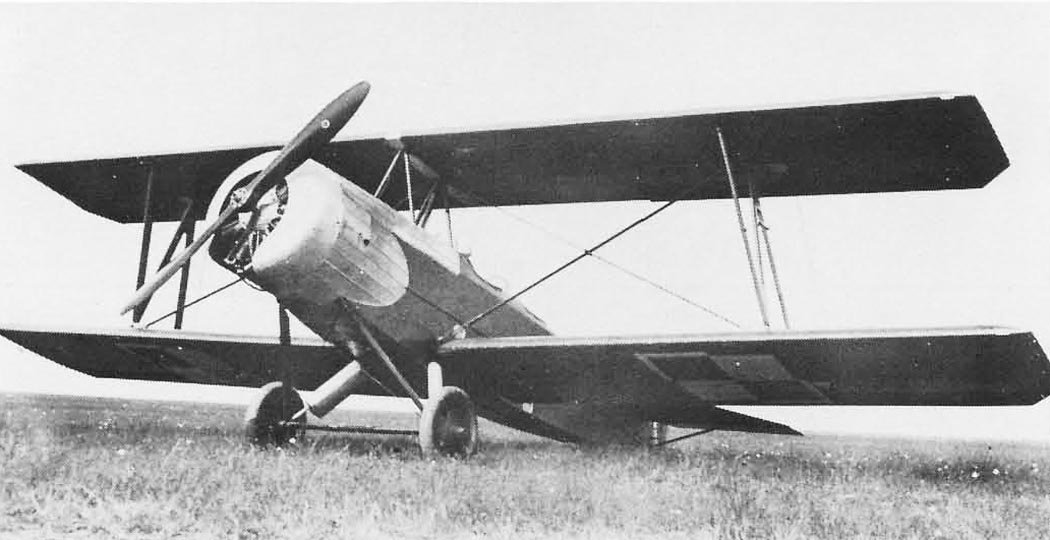
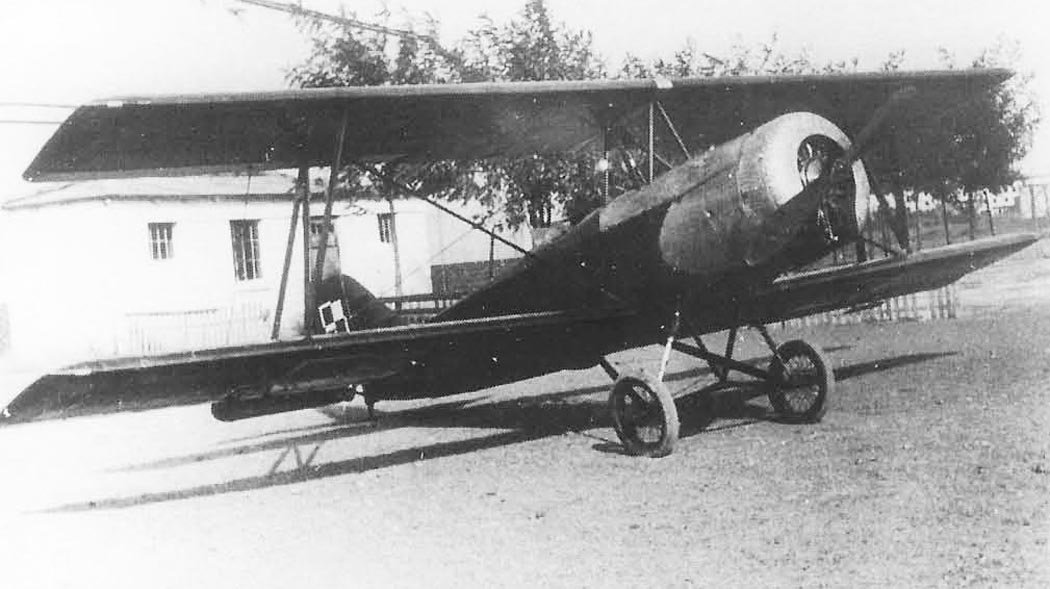
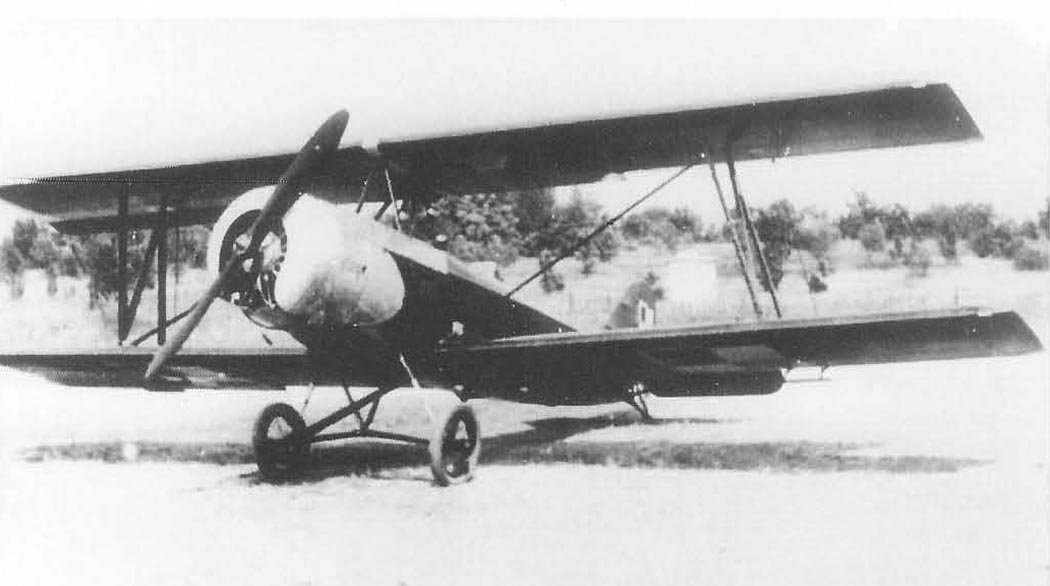
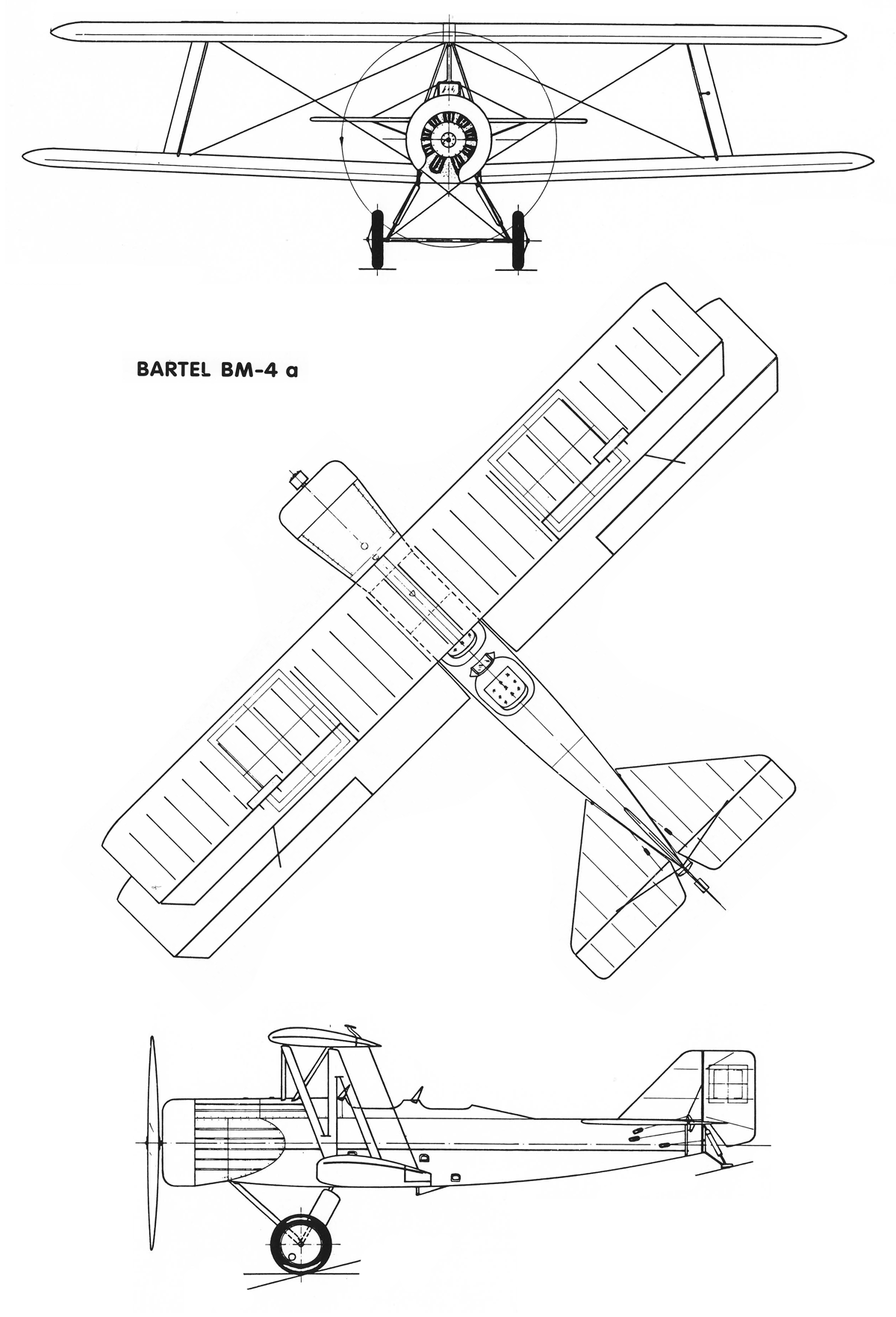
Developing ideas from his previous design (BM-2), Bartel created the BM-4 with a more powerful 59 kW engine. However, due to a shortage of such powerful engines, the first aircraft flew on December 27, 1927, with a Walter Vega engine.
Development and Military Adoption
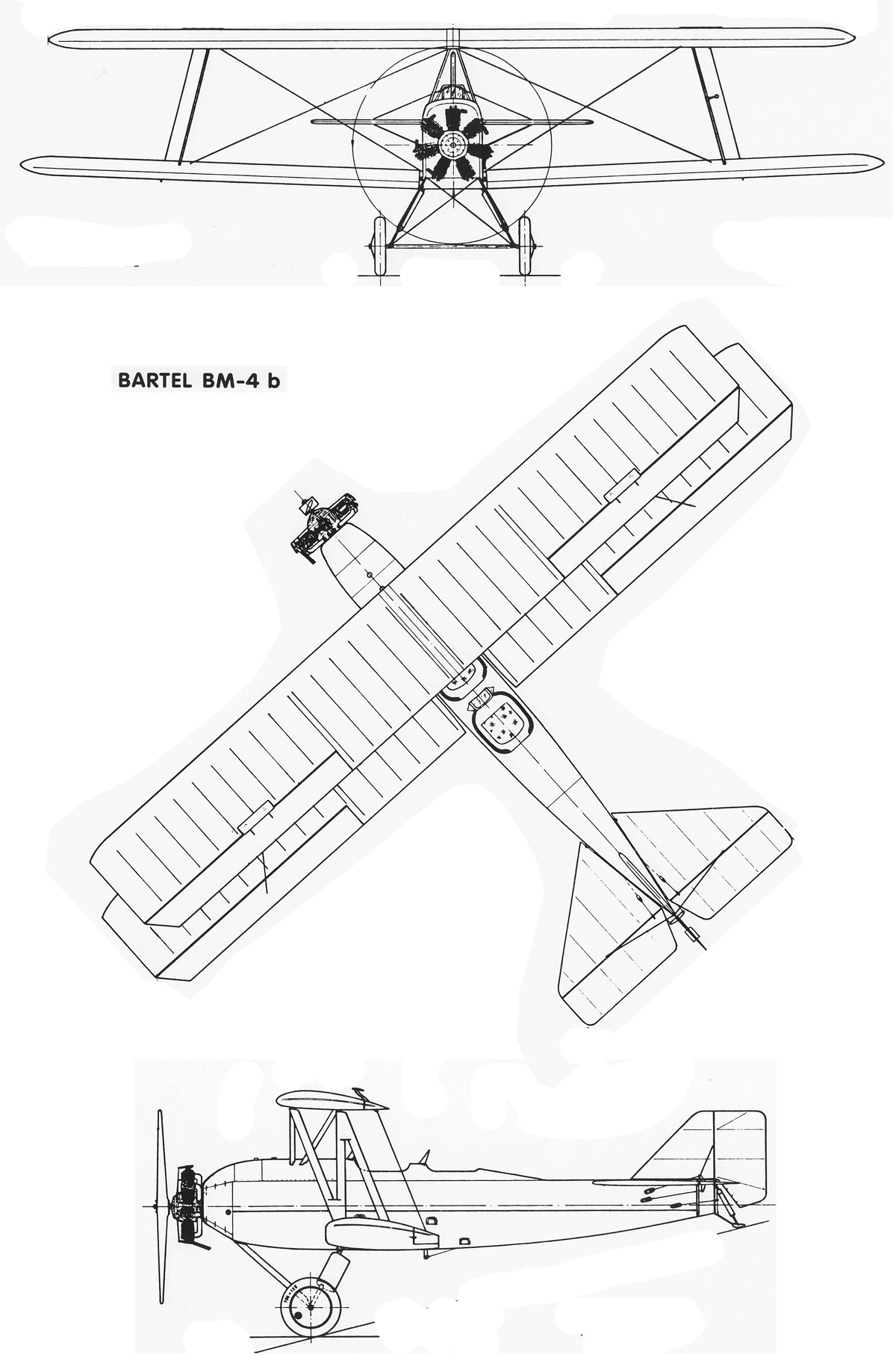
From early 1928, the military began work on refining the aircraft, which led to the new BM-4b modification. This version was highly favored by test pilots, who remarked that its aerobatics resembled the famous Fokker D-VII.
In May 1928, the King of Afghanistan, Amanullah Khan, visited the flight institute in Warsaw and, after seeing the aircraft in flight, ordered one for his air force. Meanwhile, the Polish military also selected the aircraft as their primary trainer. However, at their request, the machine was fitted with Le Rhone C engines, which were used on Caudron and Nieuport trainers.
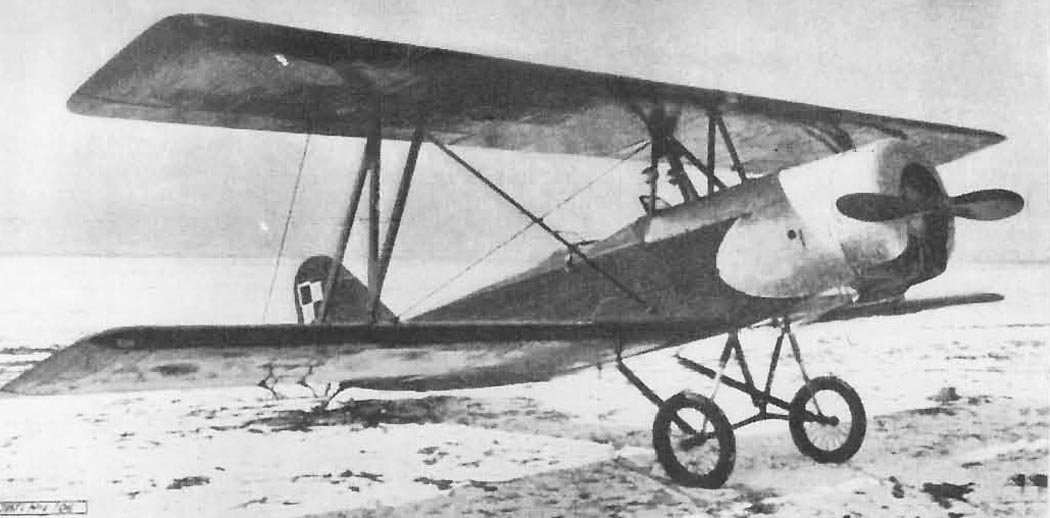
The Polish Air Force ordered a series of 22 machines, designated in the forces as BM-4S2 and numbered from 33.2 to 33.16. Thus, this aircraft became the first aircraft designed and mass-produced in Poland.
Variants and Series Production
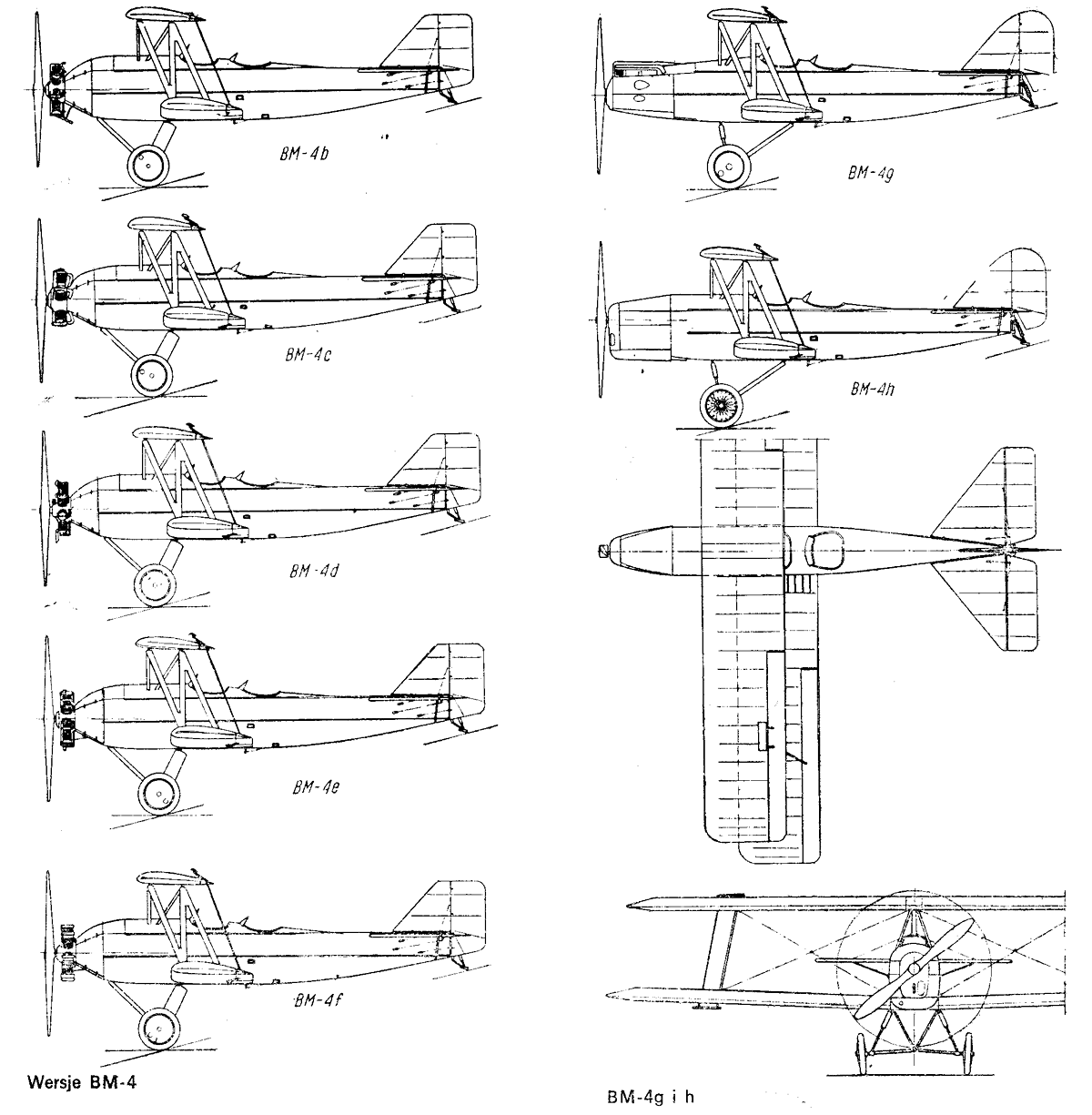
Further work on improving the aircraft led to several modifications. These included the BM-4e with a Peterlot engine, first flown on June 18, 1929, and the BM-4c (B/W-7), the same example but with a Lorraine engine, which was planned for a promotional tour of Europe but canceled due to financial reasons.
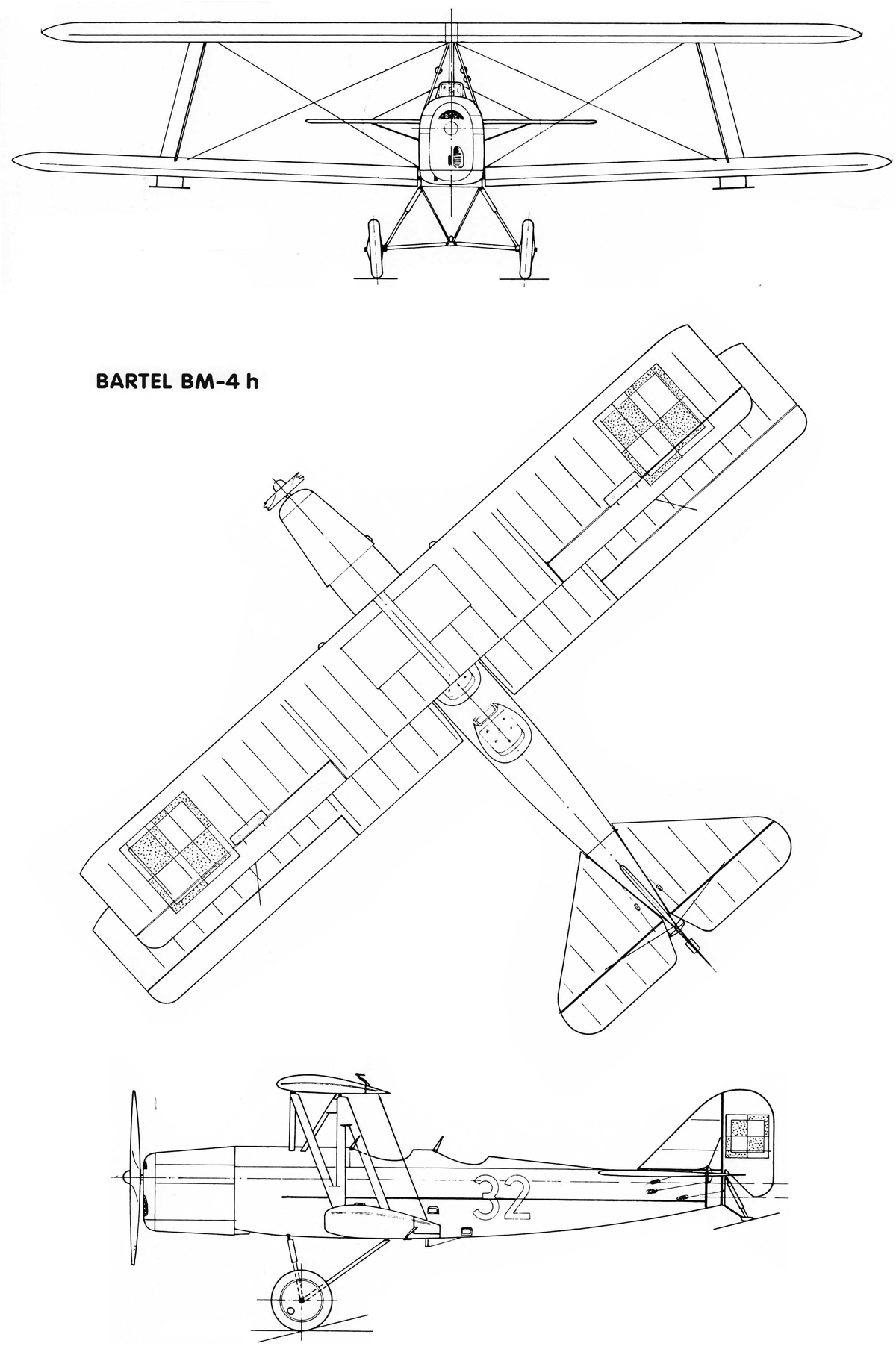
Other variants included the BM-4f with a Skoda G-594 engine, refitted in 1930 and flown in early 1931, and the BM-4g with a DH Gipsy I engine, flown in 1931. The BM-4h prototype, flown in August 1931, initially had a Walter Junior 4 engine, later replaced by a DH Gipsy III. After the Walter Junior 4 engine was installed, the military ordered 50 of these aircraft, with series production beginning in 1933, and some machines converted from older modifications.
Technical Specifications
| Modification | B M-4a |
| Wingspan, m | 10.17 |
| Length, m | 7.22 |
| Height, m | 2.93 |
| Wing area, m2 | 25.00 |
| Empty weight | 538 |
| Normal takeoff weight | 791 |
| Engine type | 1 Piston engine Le Rhone C |
| Power, hp | 1 x 80 |
| Maximum speed at ground level, km/h | 125 |
| Cruising speed, km/h | 91 |
| Practical range, km | 315 |
| Service ceiling, m | 2820 |
| Crew | 2 |
Image and diagram gallery of the BM-4
 BM-4 |
 BM-4 |
 BM-4 |
 BM-4 |
 BM-4 |
 BM-4 |
 BM-4 |
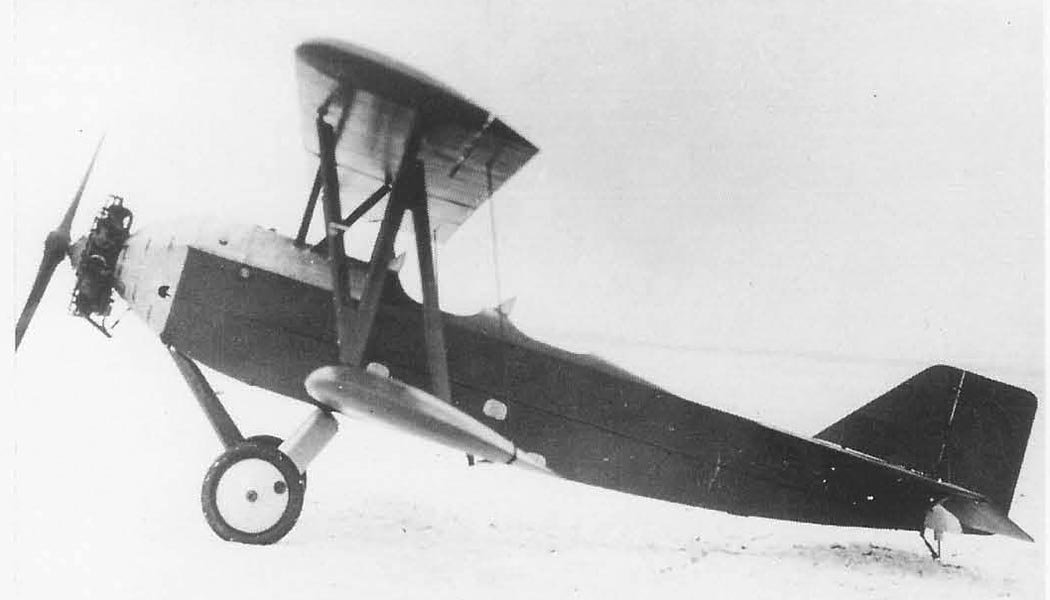 BM-4 |
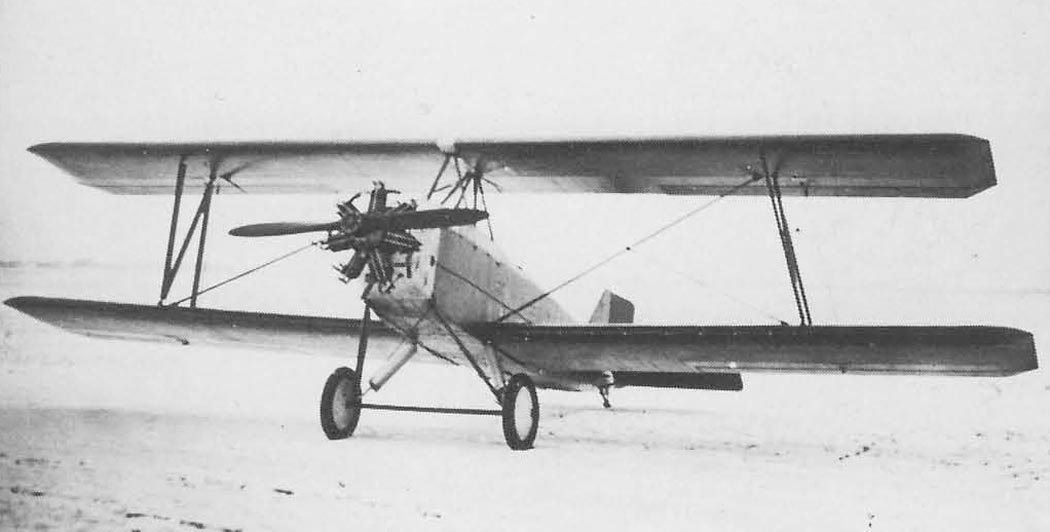 BM-4 |
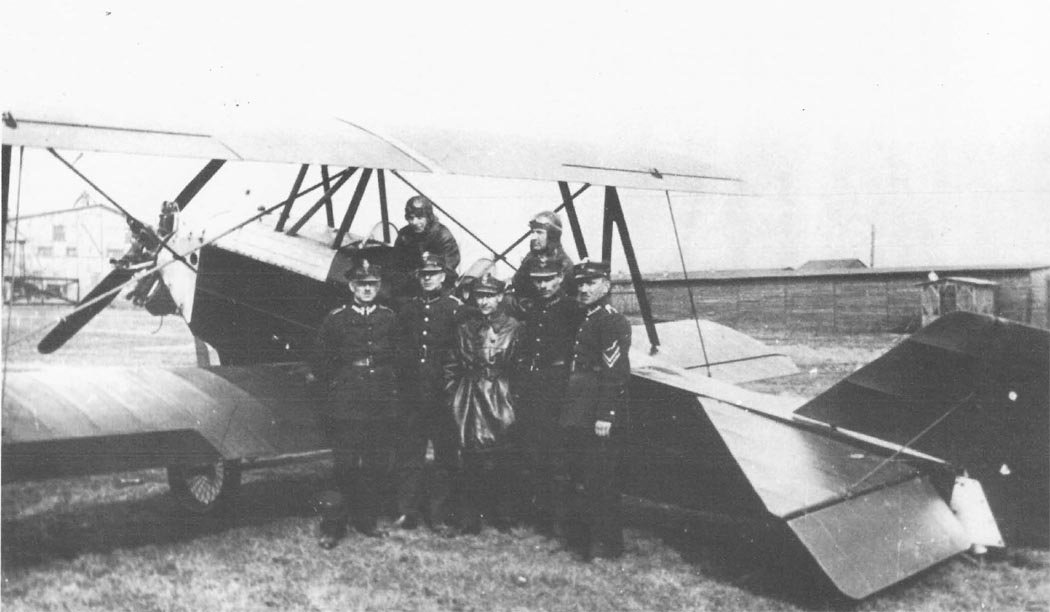 BM-4 |
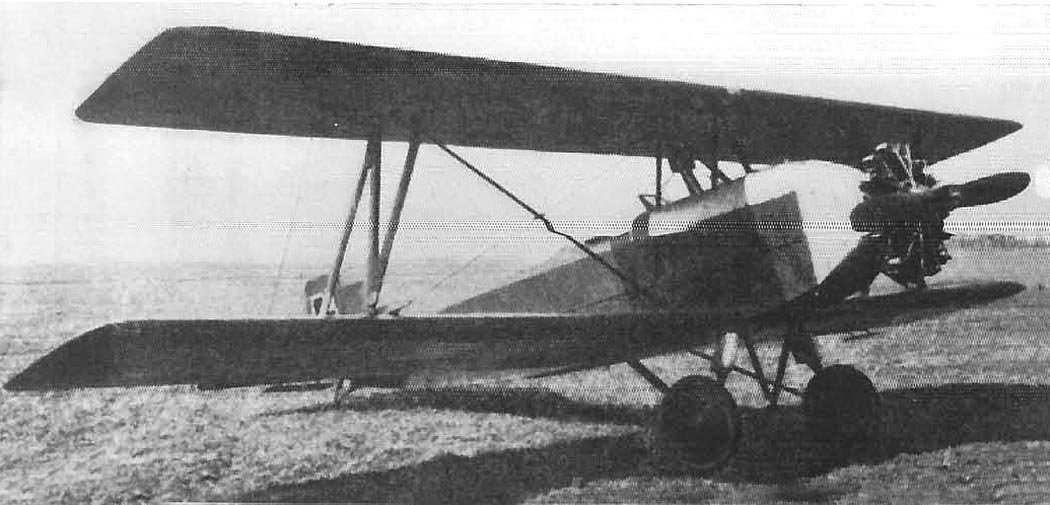 BM-4 |
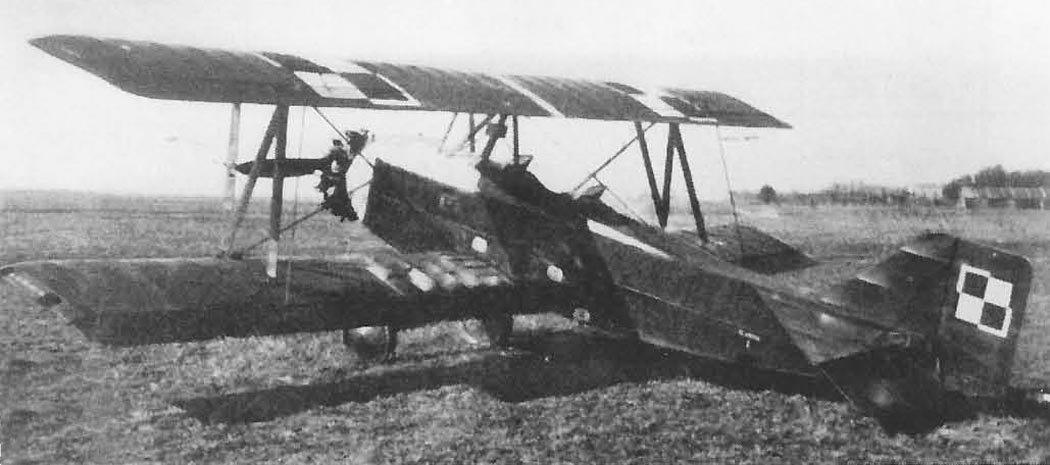 BM-4 |
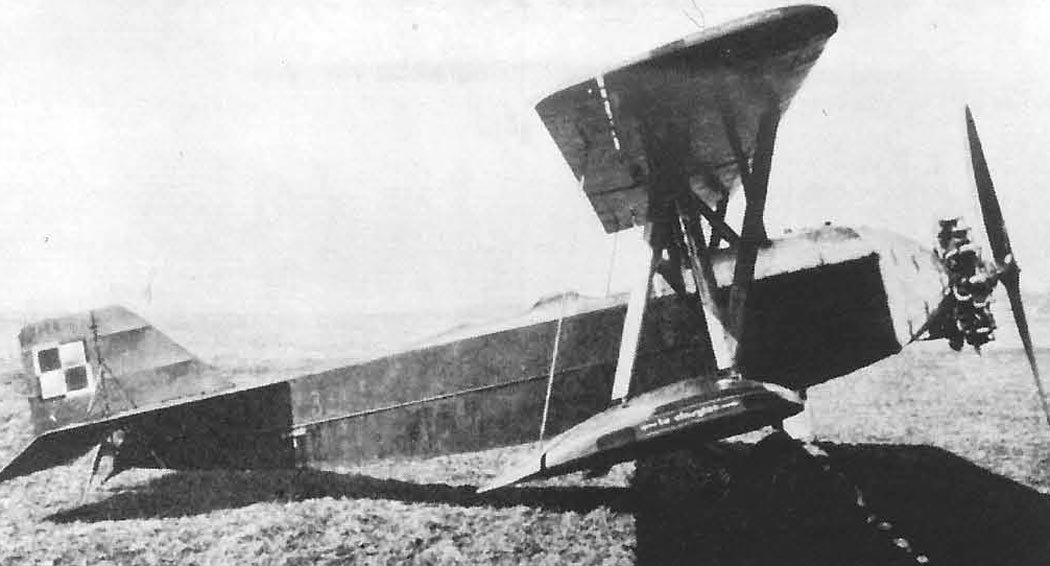 BM-4 |
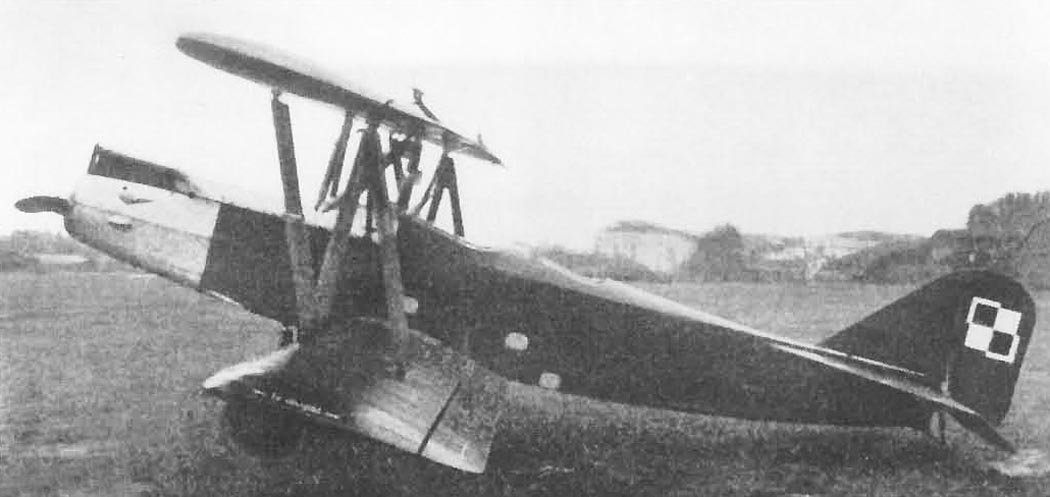 BM-4 |
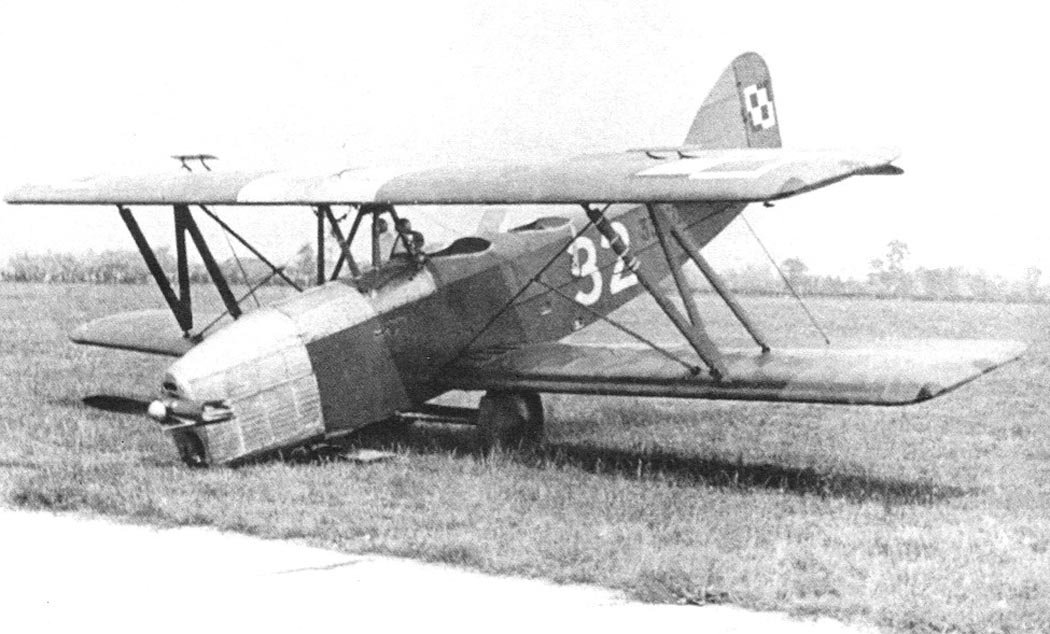 BM-4 |
 BM-4 |
 BM-4 |
 BM-4 |
 BM-4 |
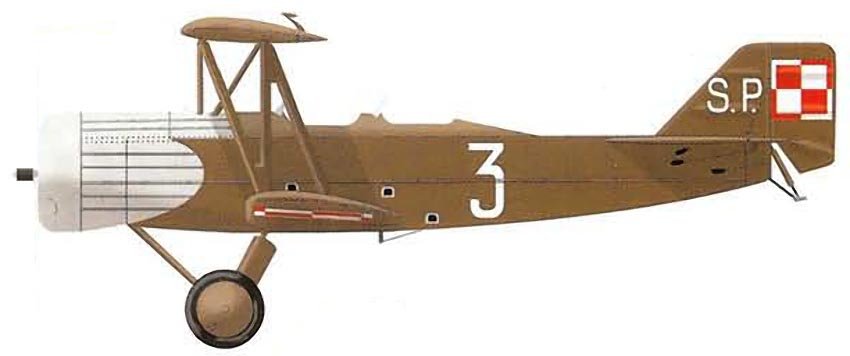 BM-4 |
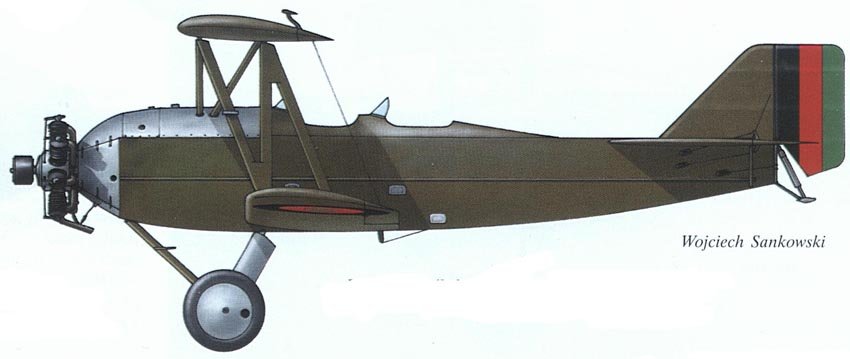 BM-4 |
ArchivoAéreo Editorial Team
A group of aviation researchers and enthusiasts dedicated to documenting and preserving global aeronautical history. All articles are reviewed to ensure historical accuracy.
Sources & Accuracy
The information presented in this technical sheet has been compiled from declassified flight manuals, historical archives, and specialized literature. While we strive for maximum accuracy, some performance data may vary depending on the specific variant or operational conditions.