Bo.209 Monsun
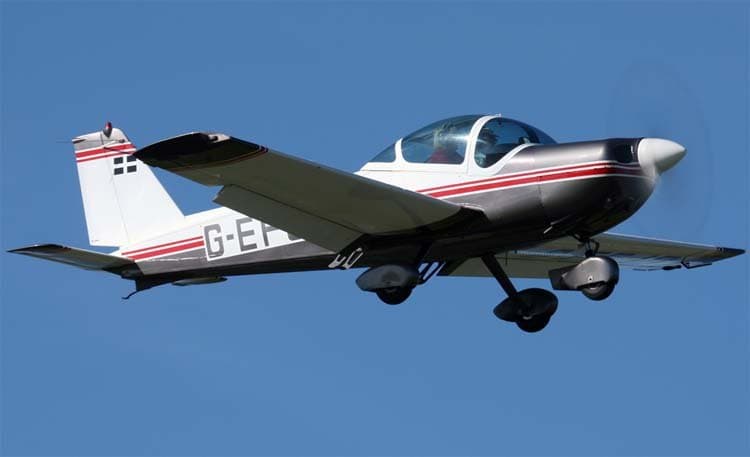
On December 22, 1967, the prototype of a new light two-seat touring and training aircraft, designed by Dr. Hermann Mylius, technical director of the Bolkow company, made its maiden flight. Initially, the aircraft was designated MHK-101.
Evolution and Development
In 1969, following the formation of MBB, a result of the merger of Messerschmitt, Bolkow, and Blohm in the late 1960s, it was decided to continue with the program. The revised prototype, designated MBB Bo.209, performed its first flight on May 28, 1969.
Design and Production
The Bo.209 was a low-wing monoplane featuring detachable wing sections, an enclosed cockpit for the pilot and passenger, fixed nose-wheel landing gear, and a single engine. The power of the installed engines could range from 125 to 160 hp (93-119 kW).
By the time serial production concluded in early 1972, 102 aircraft had been built. This model established itself as a versatile option for both training and air touring.
Mylius Design Legacy
In the late 1990s, Albert Mylius, Hermann Mylius’s son, developed inexpensive single-seat (MY-102) and two-seat (MY-103) sports aircraft based on the Bo.209 platform, thus continuing his father’s design legacy.
Technical Specifications
| Modification | Bo.209-160 |
| Wingspan, m | 8.40 |
| Length, m | 6.60 |
| Height, m | 2.20 |
| Wing area, m2 | 10.20 |
| Empty weight | 484 |
| Maximum takeoff weight | 820 |
| Engine type | 1 Piston engine Lycoming O-320-D1A |
| Power, hp | 1 x 160 |
| Max. diving speed, km/h | 274 |
| Cruising speed, km/h | 243 |
| Practical range, km | 1200 |
| Maximum rate of climb, m/min | 360 |
| Practical ceiling, m | 5500 |
| Crew, crew members | 1 |
| Payload: | 1 passenger |
Image and diagram gallery of the Bo.209 Monsun
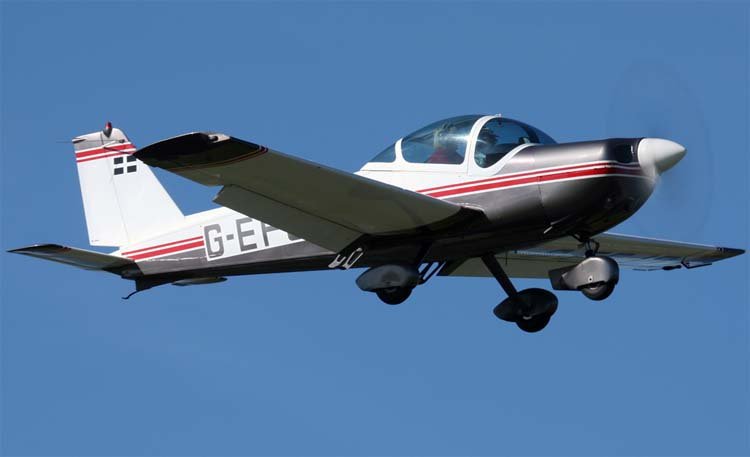 Bo.209 Monsun |
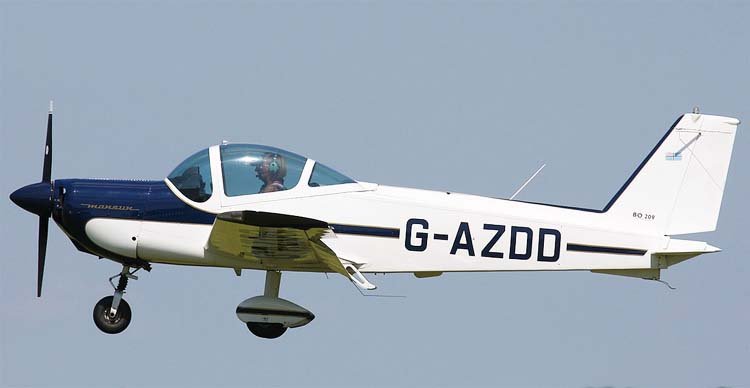 Bo.209 Monsun |
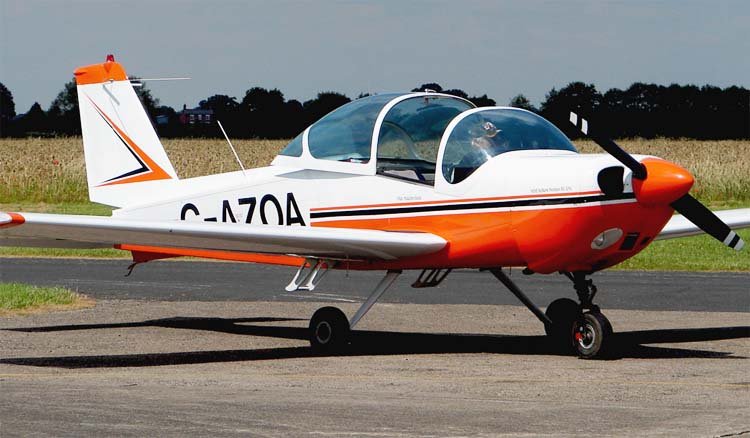 Bo.209 Monsun |
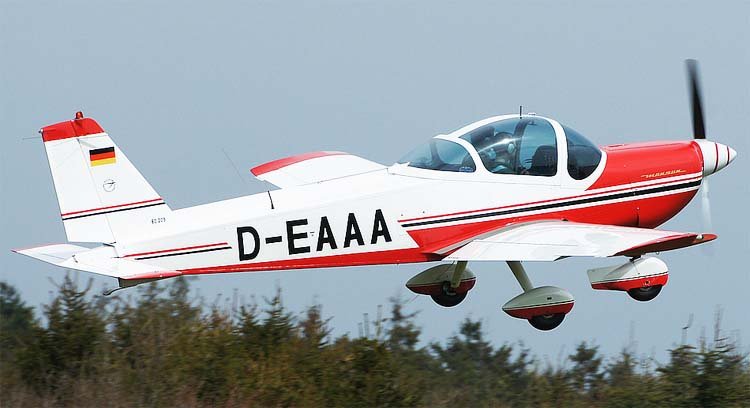 Bo.209 Monsun |
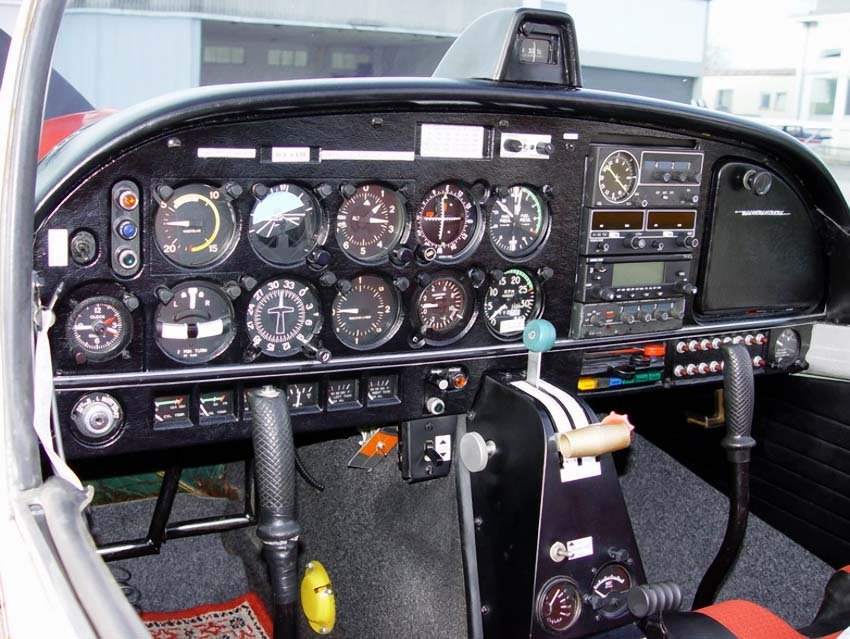 Bo.209 Monsun |
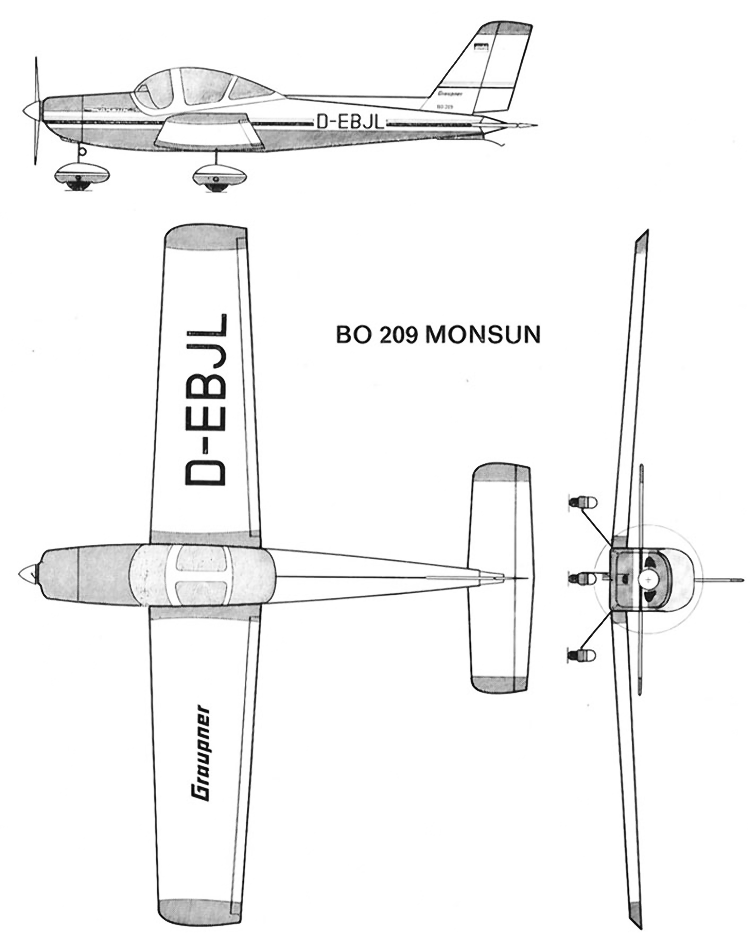 Bo.209 Monsun |
ArchivoAéreo Editorial Team
A group of aviation researchers and enthusiasts dedicated to documenting and preserving global aeronautical history. All articles are reviewed to ensure historical accuracy.
Sources & Accuracy
The information presented in this technical sheet has been compiled from declassified flight manuals, historical archives, and specialized literature. While we strive for maximum accuracy, some performance data may vary depending on the specific variant or operational conditions.