Boeing Model 204
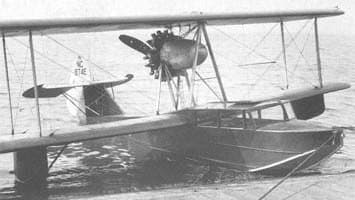
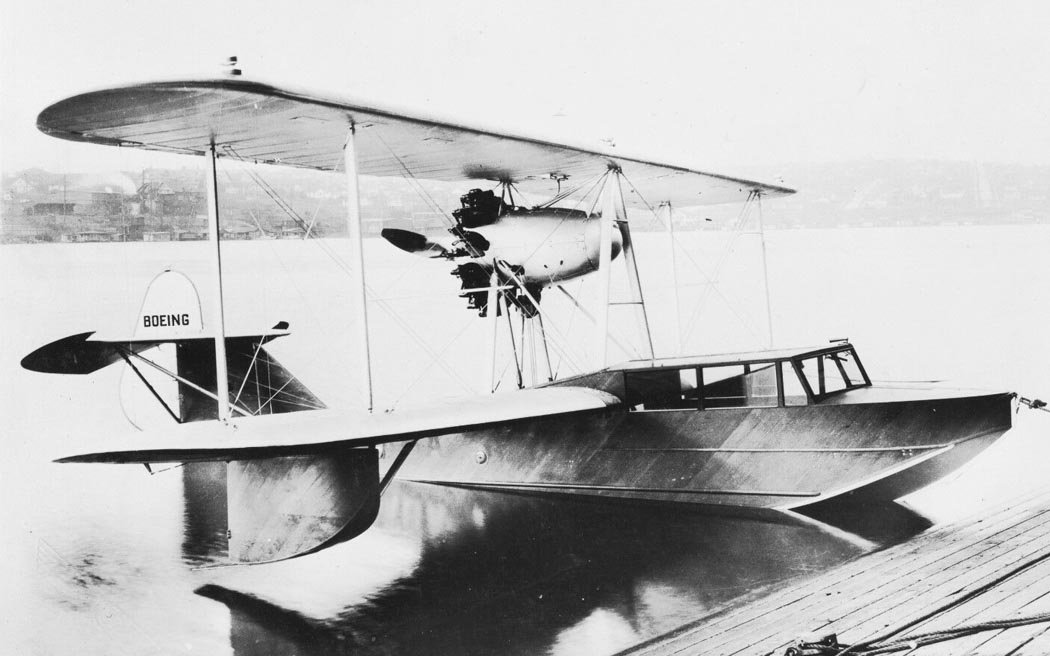
The B-1E prototype was almost indistinguishable from the second B-1D aircraft (with a “Wasp” engine), but it had a slightly heavier structure and thus inferior flight performance. Despite its later designation, the aircraft was built earlier than the B-1D and had an earlier factory number – 1027; its first flight took place on March 4, 1928.
Subsequently, the prototype was also sold to Canada and registered as G-CATY. Construction of a series of ten machines then began. After the completion of the fifth example, the aircraft was renamed Model-204 to emphasize that it was a new design, not an evolution of the original B-1.
Evolution and Production
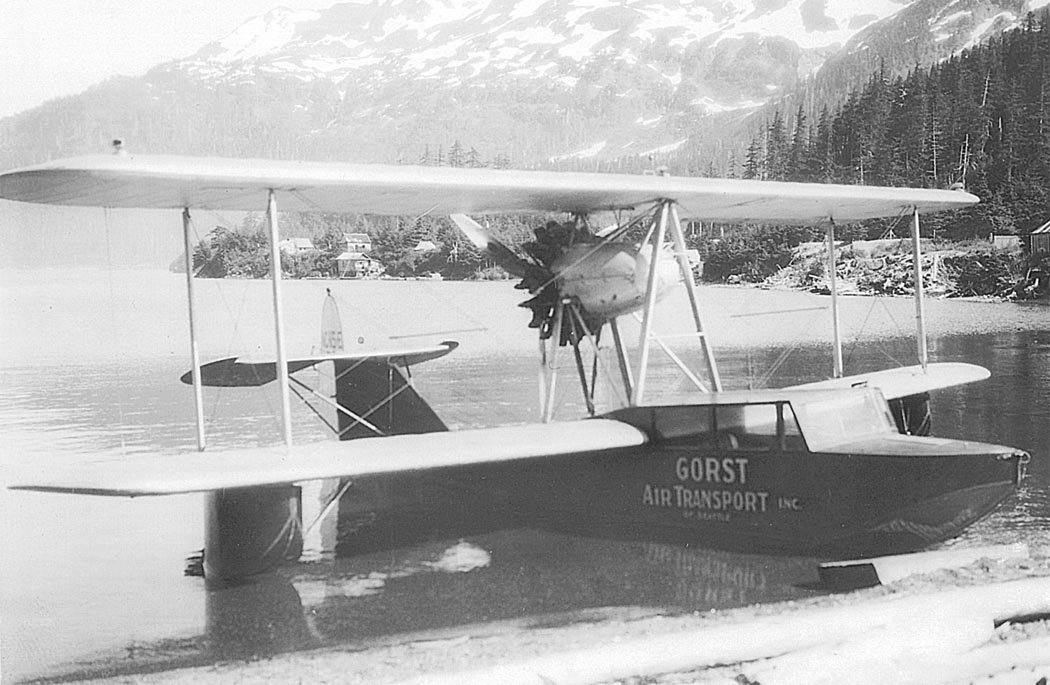
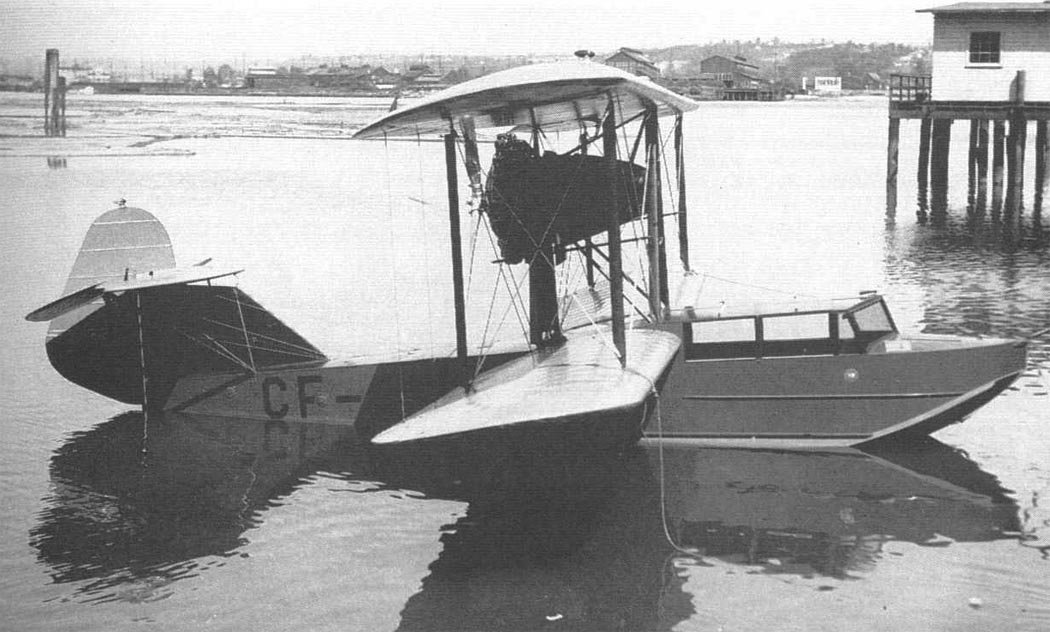
Serial production B-1E (Model-204) externally differed from the prototype with a modified rudder shape. Additionally, capacity was increased to five people. Five aircraft, initially built as B-1E, had factory numbers 1071 to 1075 and registrations G-CAUF, NC-116E, CF-ABA, NC-115E, and CF-ABB, respectively.
Canadian CF- registration letters (replacing G-CA…) were introduced in 1929; after World War II, they were superseded by C-F… and C-G… for French-speaking and English-speaking Canadian provinces, respectively. Of the five aircraft built as Model-204, only two were completed: NC-874E (factory No. 1076) and NC-875E (factory No. 1077).
It is worth noting that the latter had dual controls and was designated Model-204A. Initially, the aircraft belonged to William Boeing, then it was acquired by pilot Percy Varney, who used it for mail flights to and from Canada until 1937. The three remaining machines were bought by a private owner, who independently completed the first of them (NC-876E, factory No. 1078); the other two were never completed.
Canadian Variants: Thunderbird and Totem
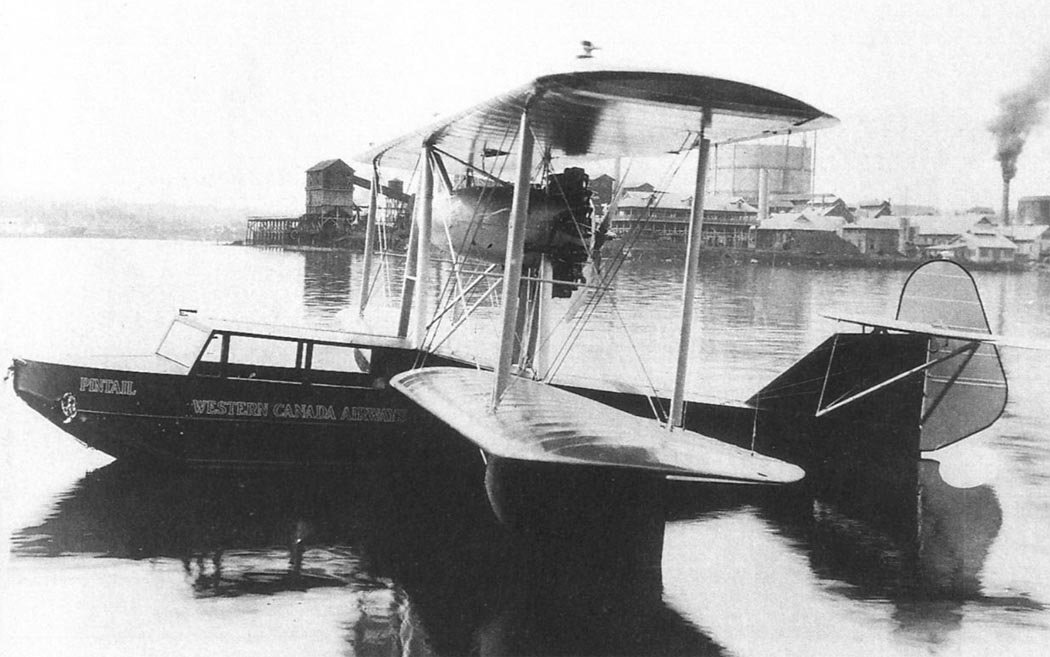
Four examples of the Model-204 were built by Boeing’s Canadian subsidiary. These aircraft bore the designation C-2304 and the name “Thunderbird.” They had factory numbers 1 to 4 and registrations from CF-ALA to CF-ALD.
Interestingly, the Model-204 served as the basis for a Canadian-developed flying boat named “Totem” (model designation unknown; Totem is a wooden pole dug into the ground with images of tribal patron animals, which served as an object of religious cult among North American Indians). This aircraft had two significant differences from the Model-204: it was a monoplane and had duralumin, not plywood, hull skin.
The “Totem” was equipped with a P&W R-985 “Wasp Junior” engine (a detuned variant) of 300 hp and could carry four people. Its rudder shape resembled the B-1D, and the nose contours and cockpit canopy also differed from the Model-204. The single built example had factory No. 10 and registration CF-ARF.
Technical Specifications
| Modification | Model 204 |
| Wingspan, m | 12.10 |
| Aircraft length, m | 9. 93 |
| Aircraft height, m | 3.66 |
| Wing area, m2 | 43.66 |
| Empty weight | 1 496 |
| Maximum takeoff weight | 2240 |
| Engine type | 1 Piston engine Pratt & Whitney Wasp |
| Power, hp | 1 x 410 |
| Maximum speed, km/h | 185 |
| Cruising speed, km/h | 153 |
| Practical range, km | 563 |
| Practical ceiling, m | 2743 |
| Crew | 1 |
| Payload | 3 passengers |
Image and diagram gallery of the Boeing Model 204
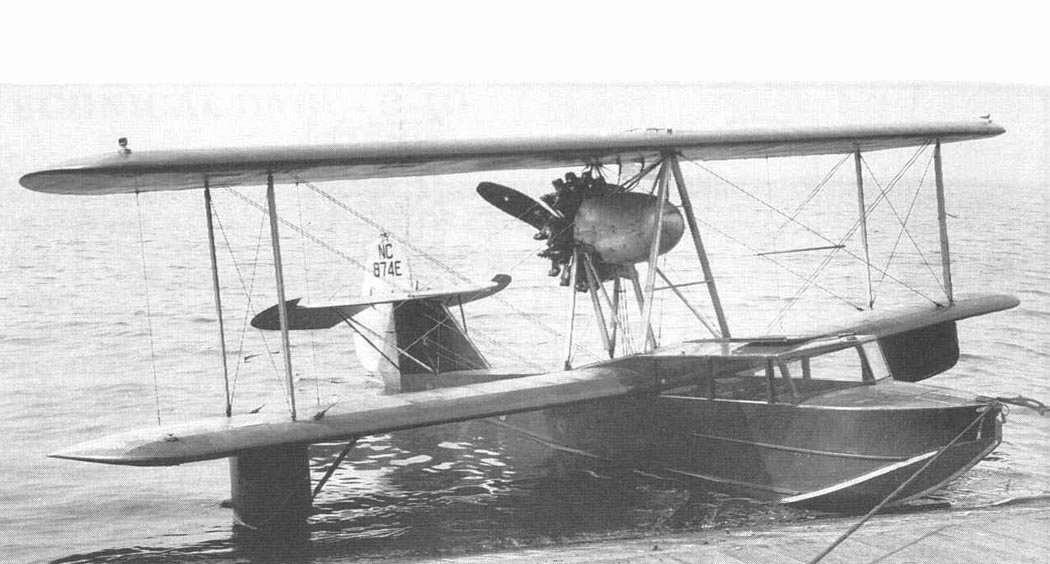 Boeing Model 204 |
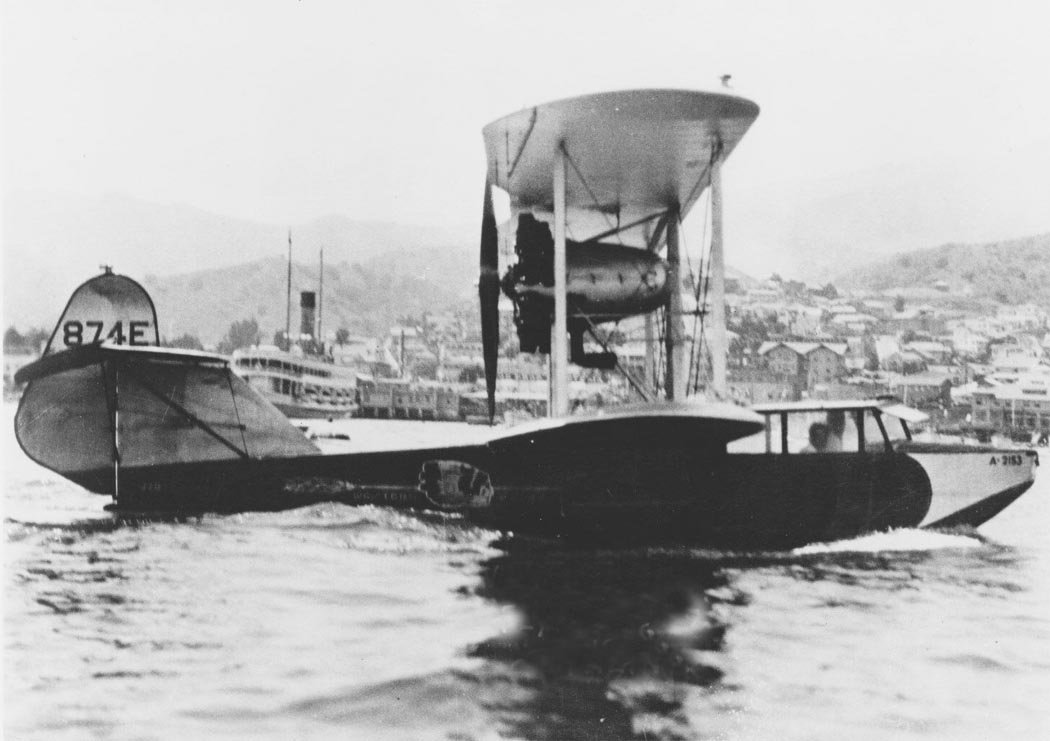 Boeing Model 204 |
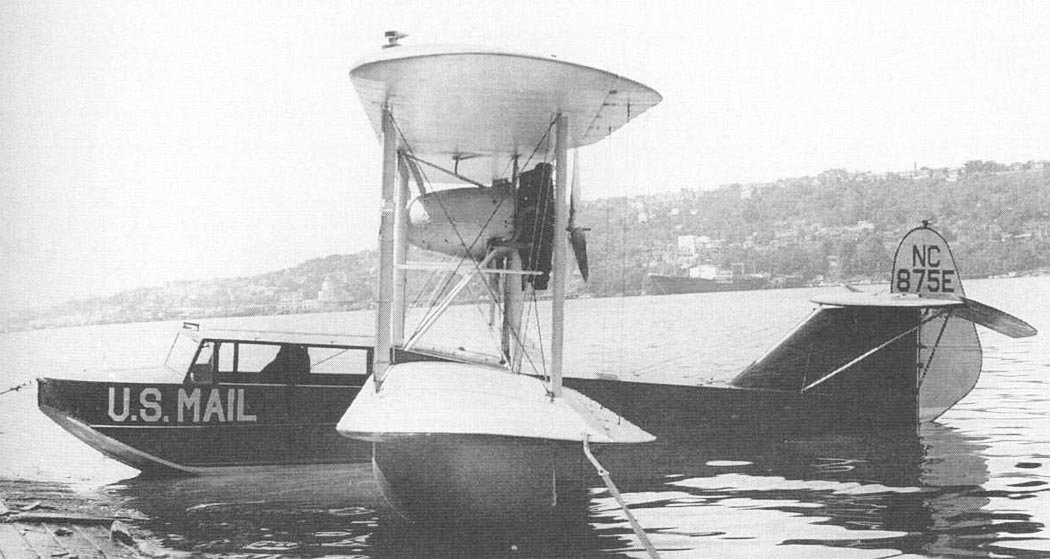 Boeing Model 204 |
 Boeing Model 204 |
 Boeing Model 204 |
 Boeing Model 204 |
 Boeing Model 204 |
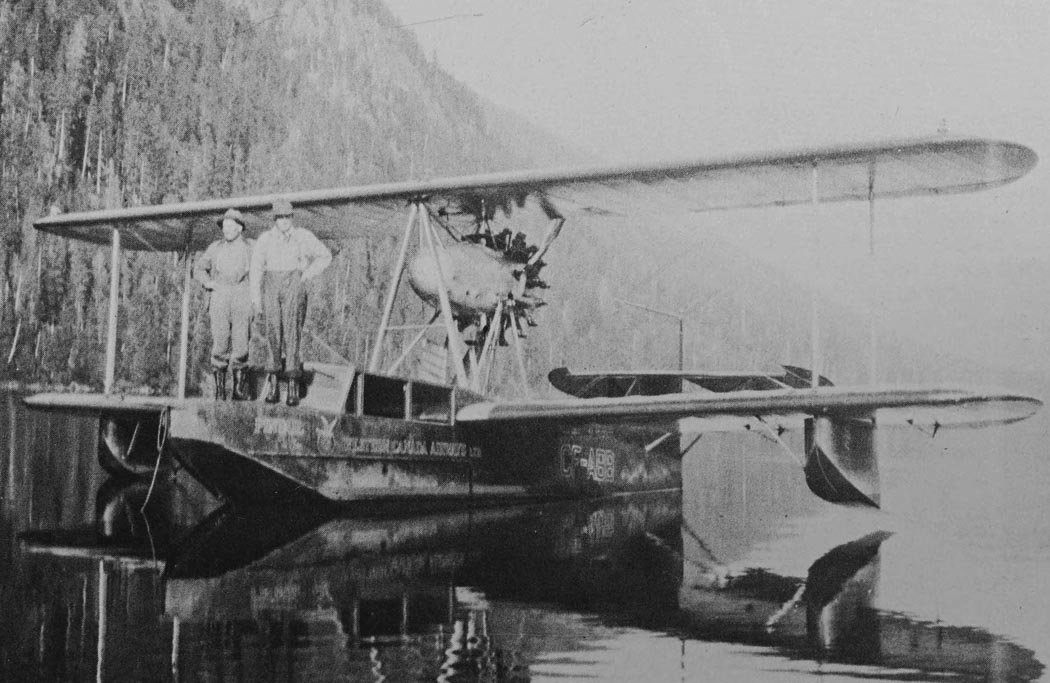 Boeing Model 204 |
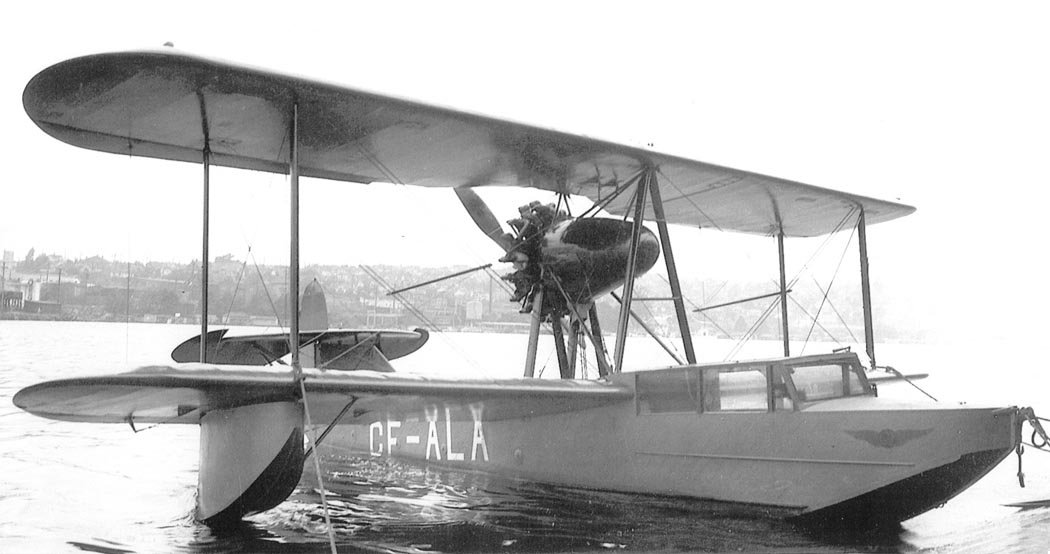 Boeing Model 204 |
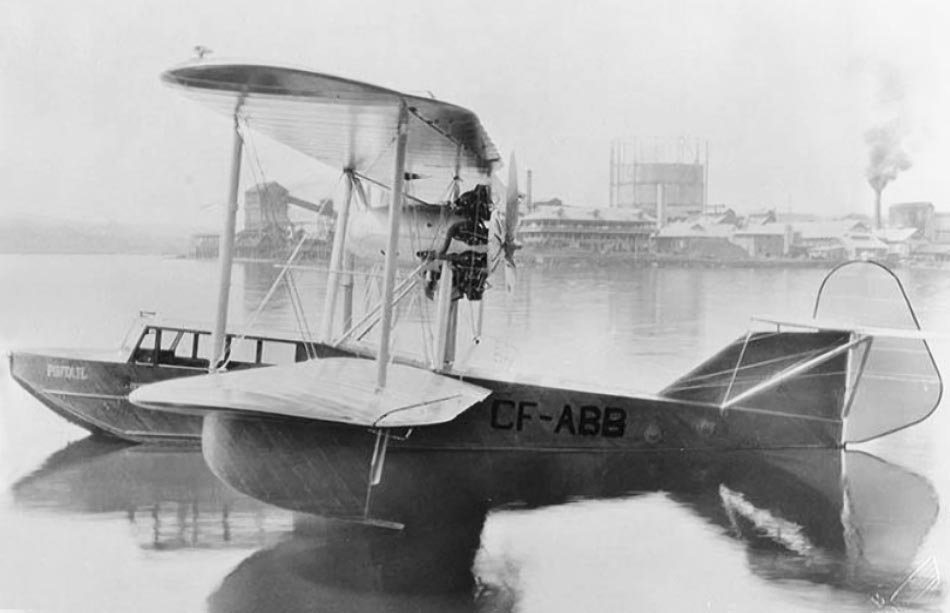 Boeing Model 204 |
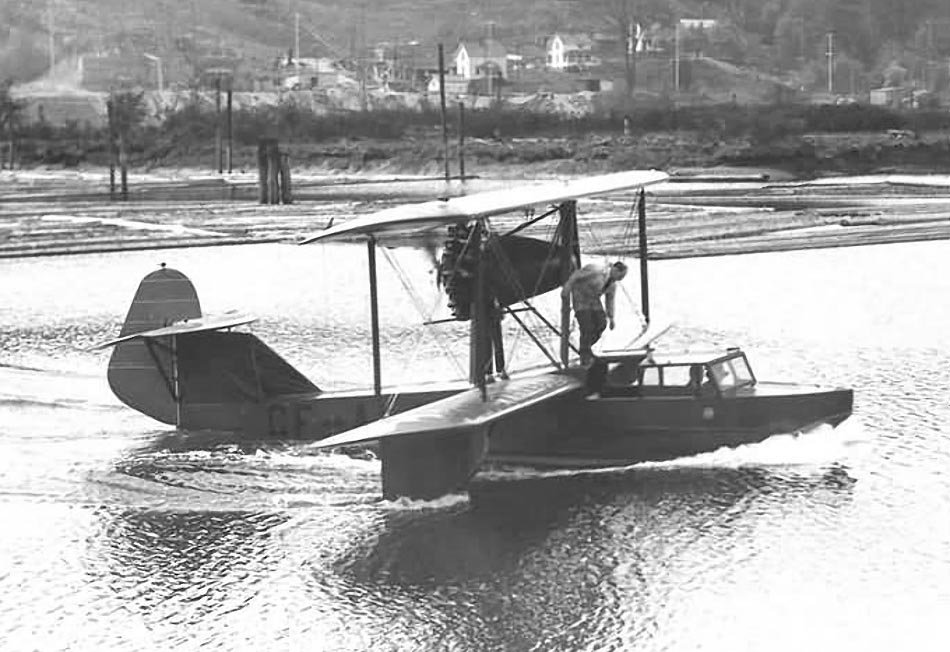 Boeing Model 204 |
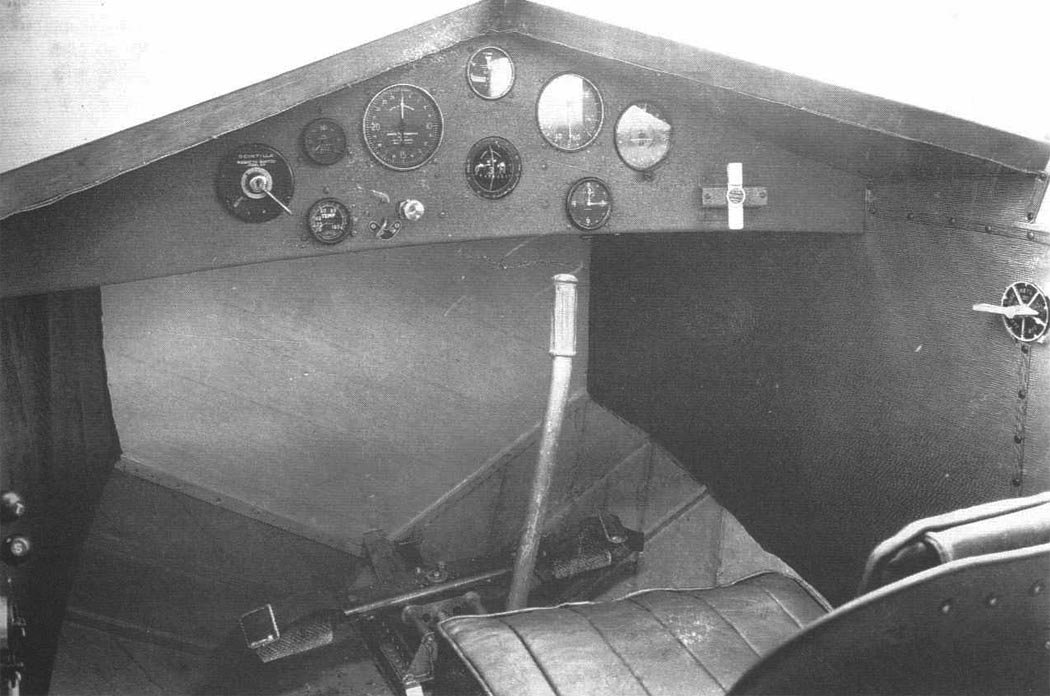 Boeing Model 204 |
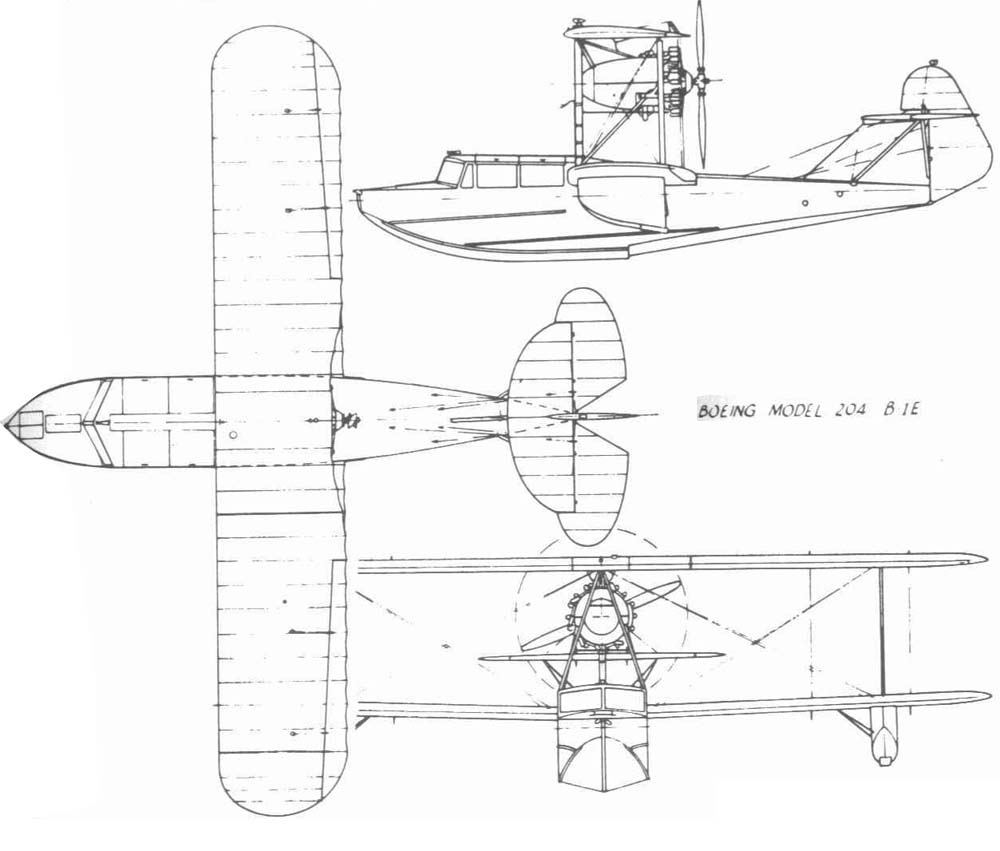 Boeing Model 204 |
ArchivoAéreo Editorial Team
A group of aviation researchers and enthusiasts dedicated to documenting and preserving global aeronautical history. All articles are reviewed to ensure historical accuracy.
Sources & Accuracy
The information presented in this technical sheet has been compiled from declassified flight manuals, historical archives, and specialized literature. While we strive for maximum accuracy, some performance data may vary depending on the specific variant or operational conditions.