Boeing Model 21 (NB)
Development and Initial Trials
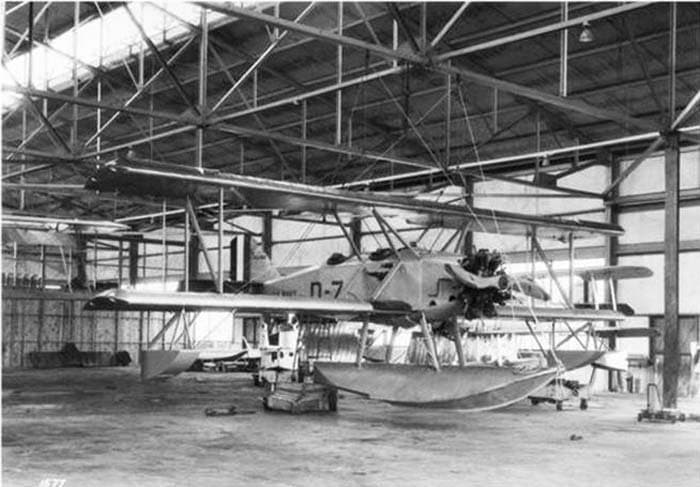
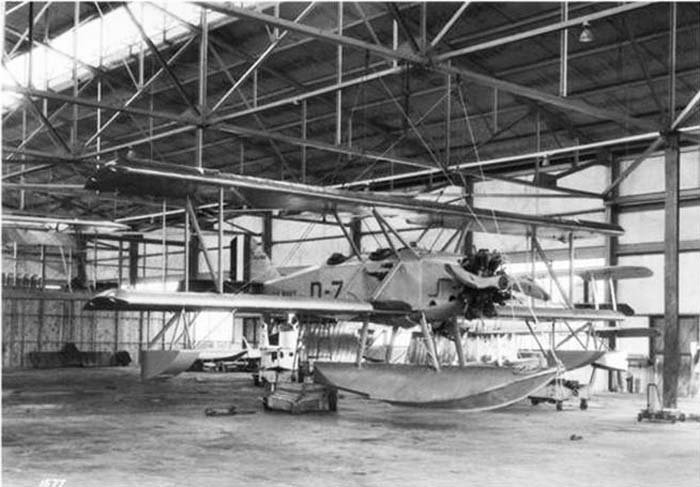
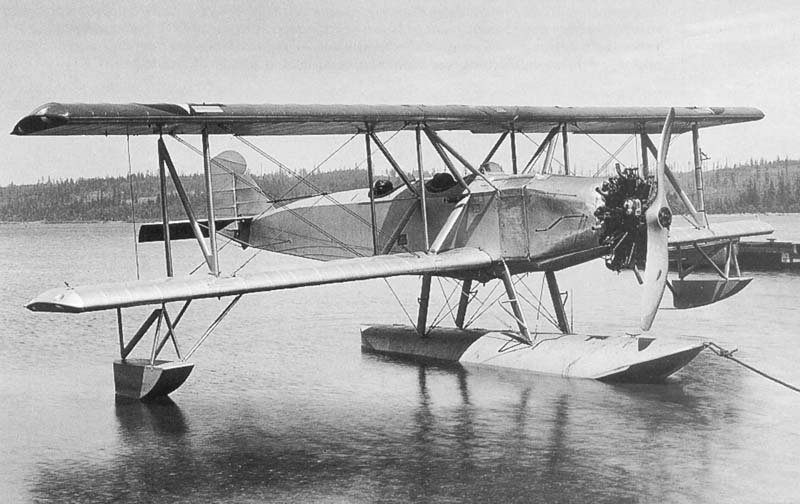
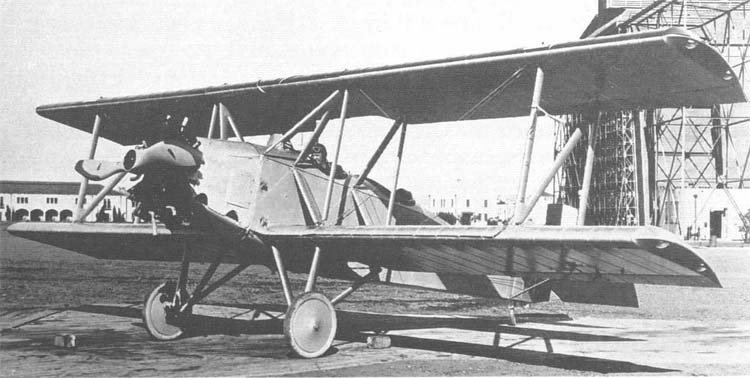
The “Boeing” company designed the two-bay biplane Model 21 for the US Navy as a primary training aircraft. The aircraft featured a wide biplane wing box center section for that period. The wheeled landing gear with a tail skid could be replaced by floats. The pilot and student sat in tandem open cockpits. The US Navy tested the Model 21 prototype under the designation VNB-1.
The aircraft did not satisfy naval leadership; in their opinion, it was not well suited for its intended role as it was too simple to fly and would not enter a spin. In anticipation of subsequently correcting these problems, a series of 41 units was ordered under the designation NB-1. The first was delivered on December 5, 1924, but it was soon discovered that after modification, these aircraft could enter a flat spin from which recovery was practically impossible. After further refinement, the aircraft became quite acceptable.
Production Variants and Engine Upgrades
Some NB-1s were fitted with Lawrance J-2 or J-4 engines; on several aircraft, these were later replaced with 220 hp (164 kW) Wright Whirlwind J-5 radial engines.
For the next delivery, 30 more aircraft were ordered to the NB-2 standard, differing from the NB-1 by the installation of wartime surplus V-type Wright-Hispano Type E-4 engines rated at 180 hp (134 kW). These were installed at the request of the US Navy, as a vast number of these engines were stored in naval depots.
Experimental Modifications
In an attempt to improve the flight characteristics of the Model 21, the Boeing company retained the last two NB-1 aircraft for experiments. The first of these became the NB-3, featuring an extended fuselage, modified tail assembly, and a Wright-Hispano Type E-4 engine. Tests in mid-1925 revealed no significant improvements, and the NB-3 was converted back to an NB-1.
The NB-4 was used for the same purpose as the NB-3 but with a lighter Lawrance engine. This aircraft also showed no improvements and was converted back to an NB-1.
Technical Specifications
| Modification | Model 21 (NB-1) |
| Wingspan, m | 11.23 |
| Length, m | 8.76 |
| Height, m | 3.56 |
| Wing area, m2 | 31.96 |
| Empty weight | 969 |
| Maximum takeoff weight | 1287 |
| Engine type | 1 Piston engine Lawrance J-1 |
| Power, hp | 1 x 200 |
| Maximum speed, km/h | 160 |
| Cruising speed, km/h | 145 |
| Practical range, km | 483 |
| Practical ceiling, m | 3110 |
| Crew | 2 |
| Armament | (for gunner training) turret-mounted 7.62-mm machine gun in the rear cockpit |
Image and diagram gallery of the Boeing Model 21 (NB)
 Boeing Model 21 (NB) |
 Boeing Model 21 (NB) |
 Boeing Model 21 (NB) |
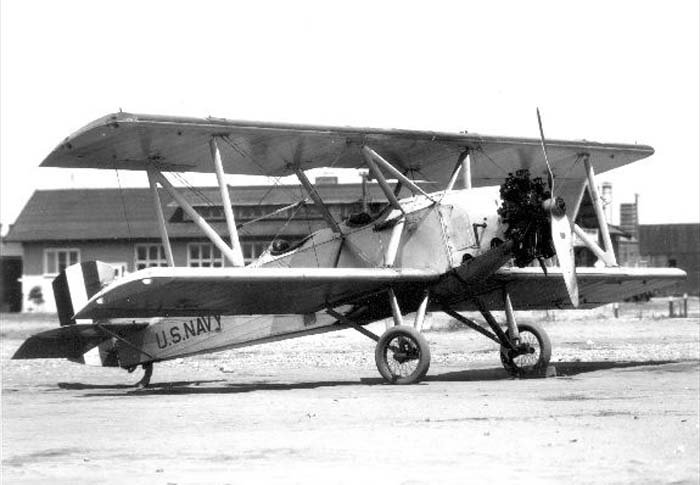 Boeing Model 21 (NB) |
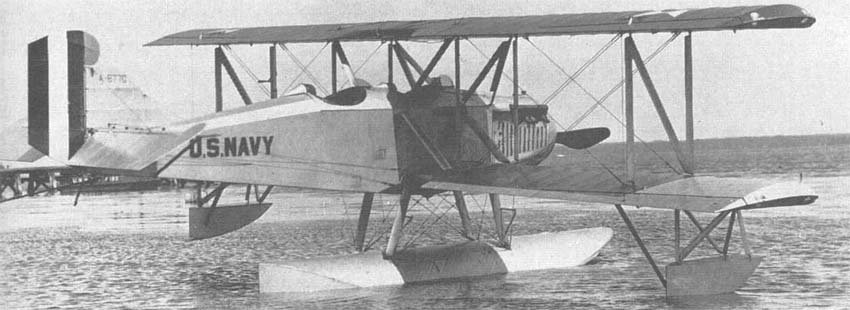 Boeing Model 21 (NB) |
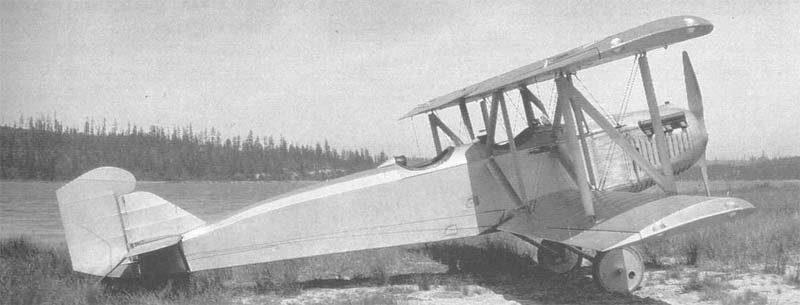 Boeing Model 21 (NB) |
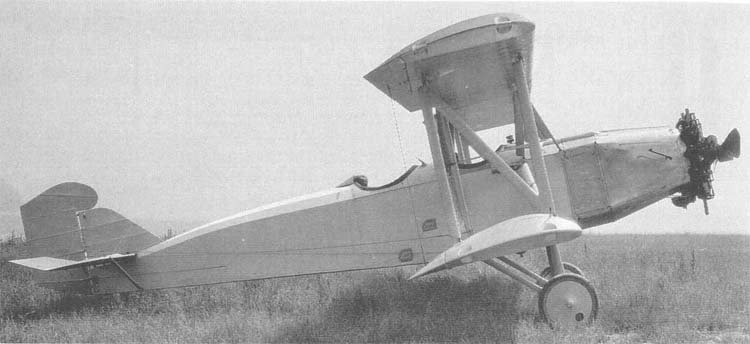 Boeing Model 21 (NB) |
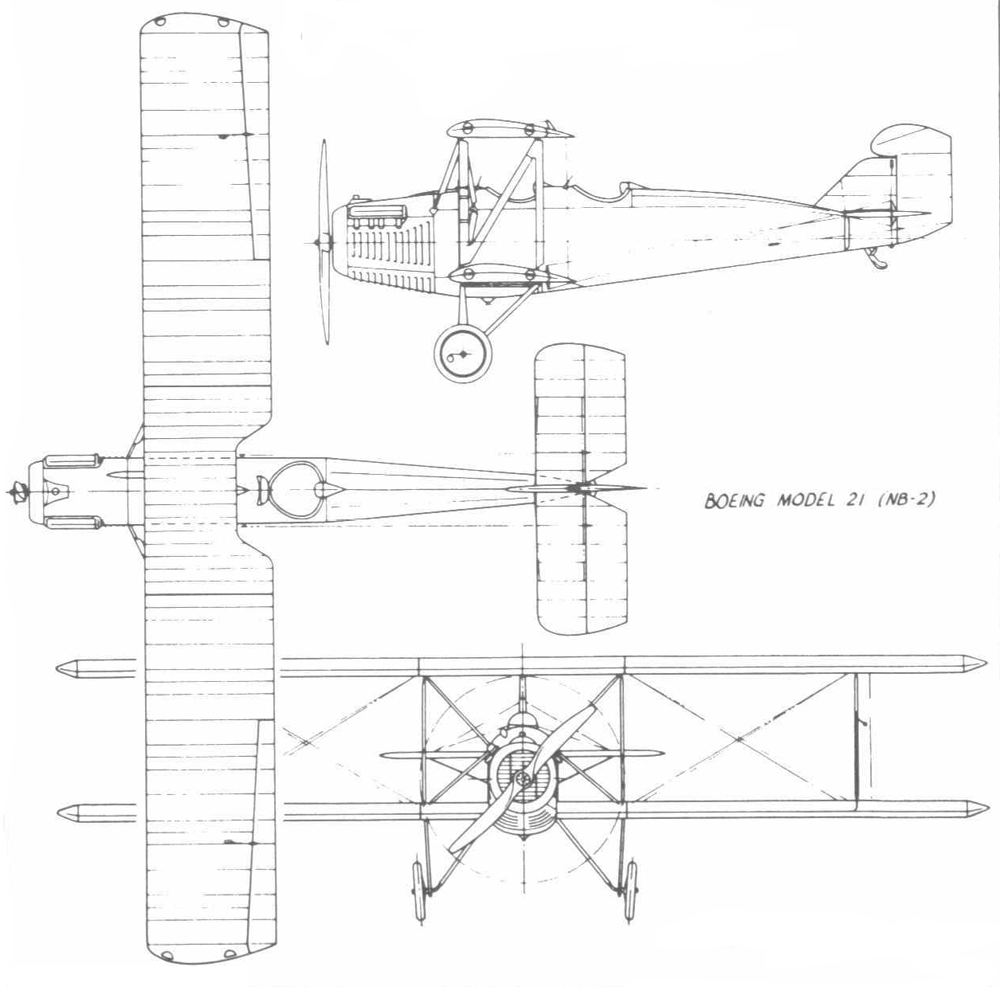 Boeing Model 21 (NB) |
ArchivoAéreo Editorial Team
A group of aviation researchers and enthusiasts dedicated to documenting and preserving global aeronautical history. All articles are reviewed to ensure historical accuracy.
Sources & Accuracy
The information presented in this technical sheet has been compiled from declassified flight manuals, historical archives, and specialized literature. While we strive for maximum accuracy, some performance data may vary depending on the specific variant or operational conditions.