Boeing Model 2(3)
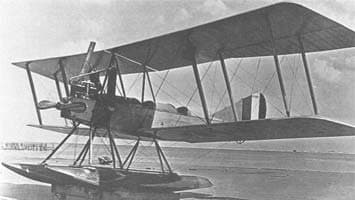
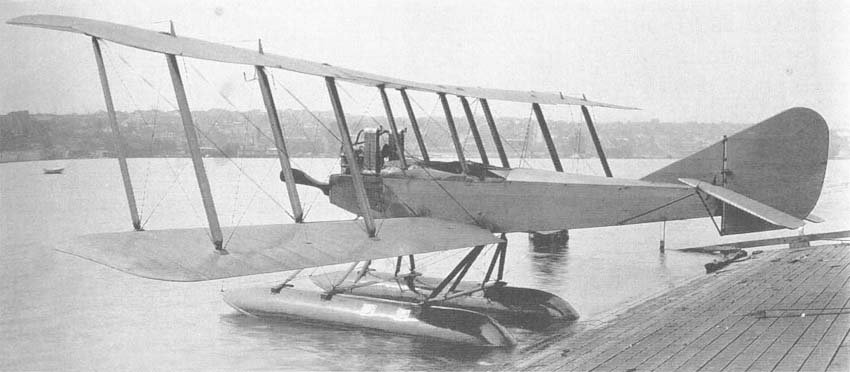
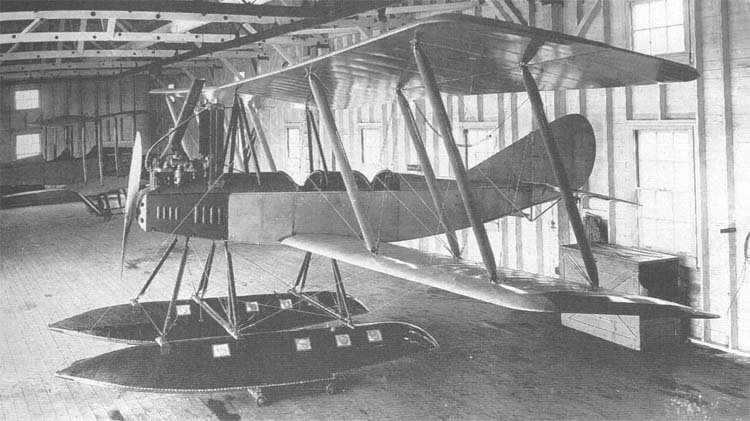
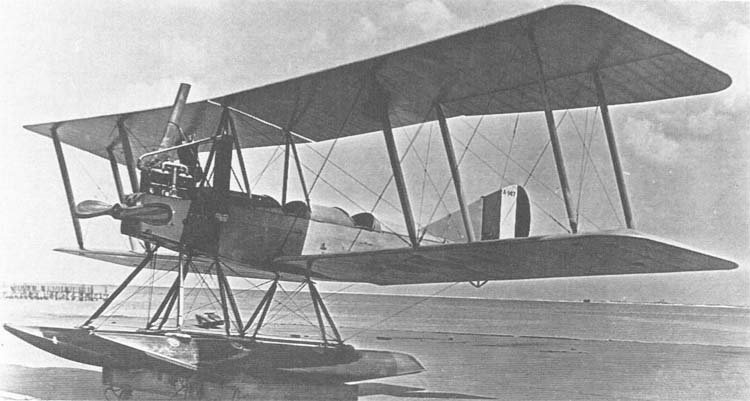
Known as C-4 (the fourth aircraft belonging to Boeing, though only its third design), the Boeing Model 2 was similar to the Model 1. However, its upper wing featured an increased transverse “V” and was moved forward, with the internal struts also modified.
Model 2 Innovations
Additionally, the tail section was redesigned: the rear float and the fixed part of the stabilizer were removed, leaving only the elevator. In their place, a fixed fin was added in front of the rudder. Only one example was built, which was disassembled after testing (its first flight was on November 15, 1916), although it was reassembled and flown again in August 1918.
Evolution to Model 3
The Model 3 differed from its predecessor only by its modified central upper wing struts. Three machines were built: C-5, C-6, and C-11. The U.S. Navy acquired two of these aircraft for evaluation as trainers.
Technical Specifications
| Modification | Model 3 |
| Wingspan, m | 13. 36 |
| Length, m | 8. 23 |
| Height, m | 3.84 |
| Wing area, m2 | 45.99 |
| Empty weight | 861 |
| Maximum takeoff weight | 1086 |
| Engine type | 1 Piston engine Hall-Scott A-7A |
| Power, hp | 1 х 100 |
| Maximum speed, km/h | 117 |
| Cruising speed, km/h | 105 |
| Practical range, km | 322 |
| Practical ceiling, m | 1981 |
| Crew | 2 |
Image and diagram gallery of the Boeing Model 2(3)
 Boeing Model 2(3) |
 Boeing Model 2(3) |
 Boeing Model 2(3) |
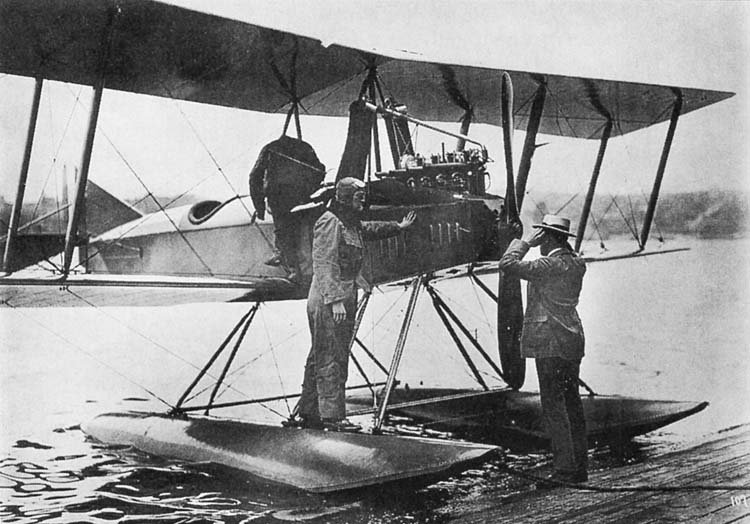 Boeing Model 2(3) |
ArchivoAéreo Editorial Team
A group of aviation researchers and enthusiasts dedicated to documenting and preserving global aeronautical history. All articles are reviewed to ensure historical accuracy.
Sources & Accuracy
The information presented in this technical sheet has been compiled from declassified flight manuals, historical archives, and specialized literature. While we strive for maximum accuracy, some performance data may vary depending on the specific variant or operational conditions.