Boeing Model 4 EA
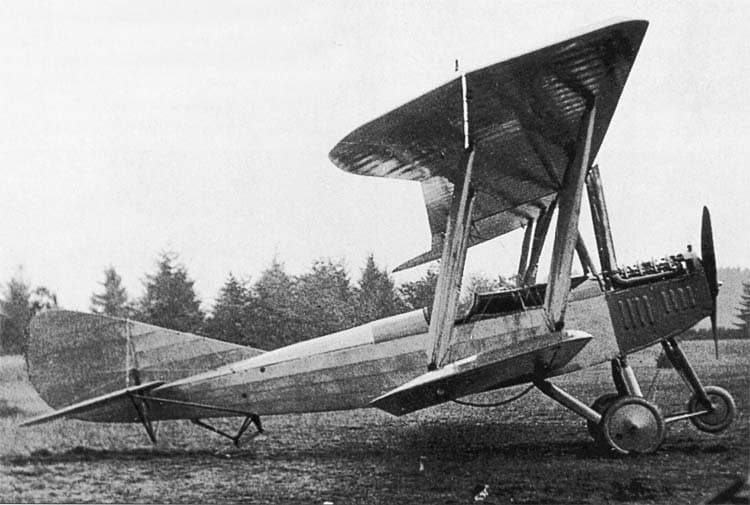
Two Boeing Model 4 aircraft, a reworked version of the Model 3, were built in January 1917. Known under the alternate designation EA (possibly E for Boeing’s fifth design, A for Army), they were developed for evaluation by the U.S. Army as trainer aircraft.
Key Design Innovations
The most significant difference from the Model 3 was the replacement of the float-type landing gear with a wheeled chassis. These machines were also equipped with a shared cockpit, accommodating two pilots seated side-by-side.
Advanced Propulsion
The Model 4 marked a significant milestone for Boeing. It was the firm’s first aircraft to be fitted with the more reliable Curtiss OXX series engine, enhancing its performance and suitability for training operations.
Technical Specifications
| Modification | Model 4 |
| Wingspan, m | 14.88 |
| Length, m | 7.57 |
| Wing area, m2 | 44.50 |
| Empty weight | 725 |
| Maximum takeoff weight | 991 |
| Engine type | 1 Piston engine Curtiss OXX-5 |
| Power, hp | 1 x 100 |
| Maximum speed, km/h | 108 |
| Cruising speed, km/h | 97 |
| Practical range, km | 519 |
| Service ceiling, m | 2134 |
| Crew, crew | 2 |
Image and diagram gallery of the Boeing Model 4 EA
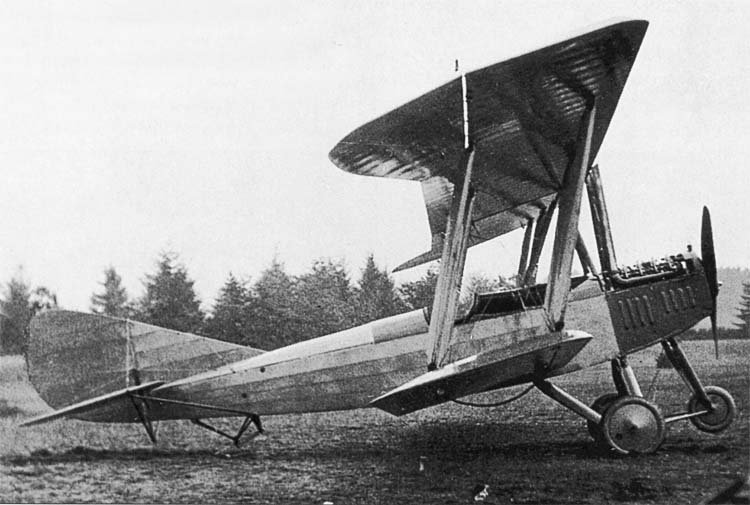 Boeing Model 4 EA |
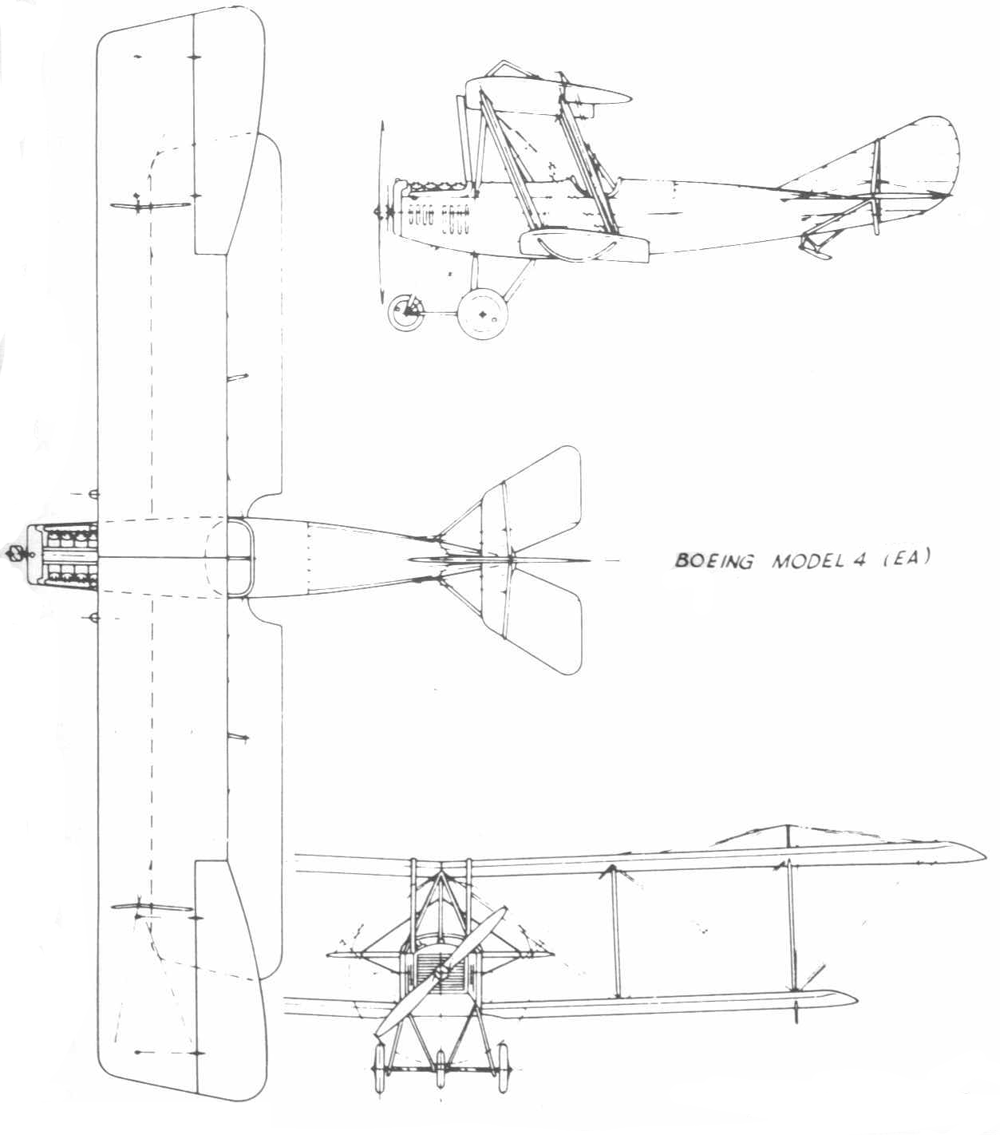 Boeing Model 4 EA |
ArchivoAéreo Editorial Team
A group of aviation researchers and enthusiasts dedicated to documenting and preserving global aeronautical history. All articles are reviewed to ensure historical accuracy.
Sources & Accuracy
The information presented in this technical sheet has been compiled from declassified flight manuals, historical archives, and specialized literature. While we strive for maximum accuracy, some performance data may vary depending on the specific variant or operational conditions.