Boeing Model 5
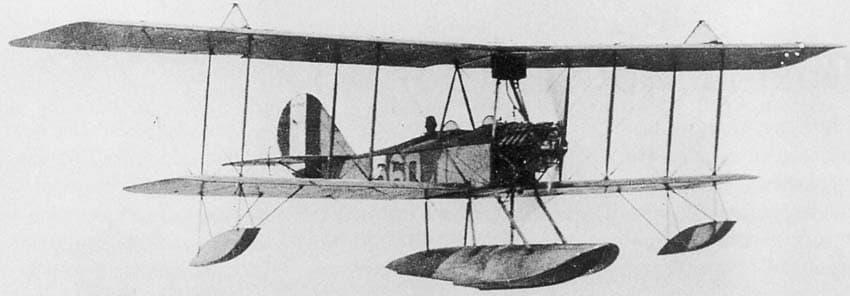
The Boeing Model 3 saw successful application in the U.S. Navy, leading the fleet to order an additional 50 similar aircraft. These seaplanes, designated Boeing Model 5 and generally similar to the Model 3, were constructed during 1918. However, due to numerous engine malfunctions, they were hardly used.
Upon their decommissioning after World War I, most of these aircraft still remained unpacked. This situation highlights the significant technical challenges Boeing faced in its early years of serial production.
Variants and Technical Issues
One additional unit, the C-1F, was acquired for evaluation. This variant featured a single main float under the fuselage and two small auxiliary floats beneath the lower wing. The C-1F was similar to the Model 2 but was equipped with a 100 hp (75 kW) Curtiss OXX-6 V-engine.
Despite these modifications, no further orders were placed for these machines. The experience with the C-1F underscored the persistent difficulties with design and engine reliability during that era.
Pioneering Airmail with the C-700
The final example of the Model 5 was the C-700, built specifically for William Boeing himself. On March 3, 1919, Boeing and Edward Hubbard embarked on a trial flight with it along the postal route from Vancouver to Seattle, marking a significant aviation milestone.
Later, this very machine inaugurated the first international airmail line between Seattle and Victoria, British Columbia. The C-700, despite the general deficiencies of the Model 5 series, became a symbol of aviation’s pioneering spirit.
Technical Specifications
| Modification | Model 5 |
| Wingspan, m | 13. 36 |
| Length, m | 8. 23 |
| Height, m | 3.84 |
| Wing area, m2 | 45.99 |
| Empty weight | 861 |
| Maximum takeoff weight | 1086 |
| Engine type | 1 Piston engine Hall-Scott A-7A |
| Power, hp | 1 x 100 |
| Maximum speed, km/h | 118 |
| Cruising speed, km/h | 105 |
| Practical range, km | 322 |
| Service ceiling, m | 1980 |
| Crew, crew members | 2 |
Image and diagram gallery of the Boeing Model 5
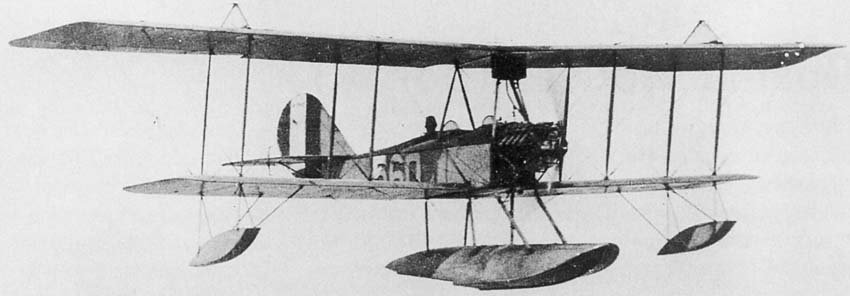 Boeing Model 5 |
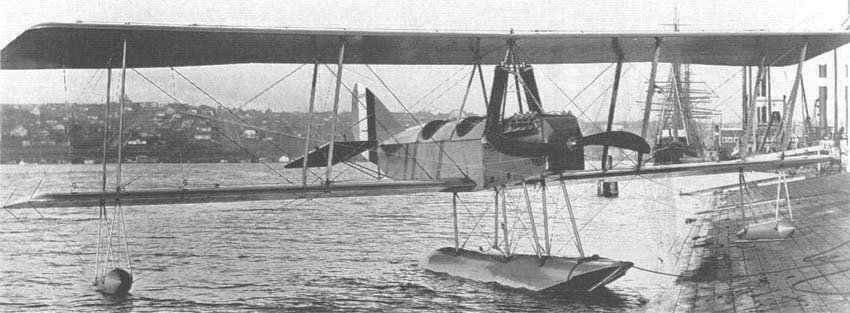 Boeing Model 5 |
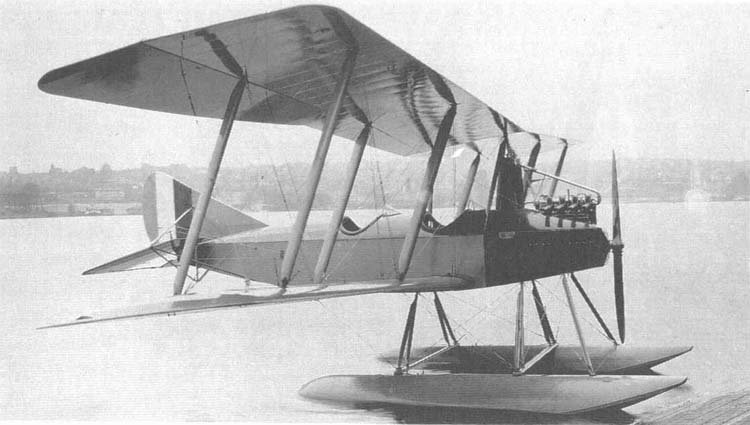 Boeing Model 5 |
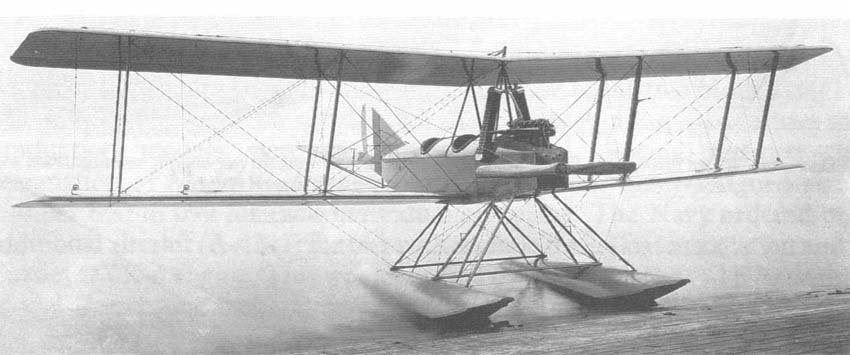 Boeing Model 5 |
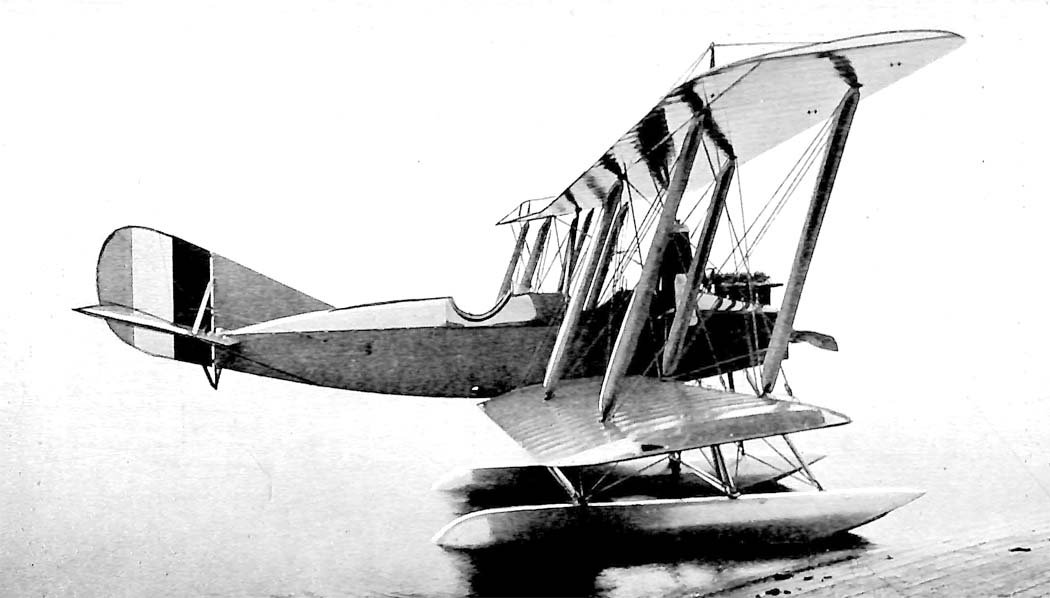 Boeing Model 5 |
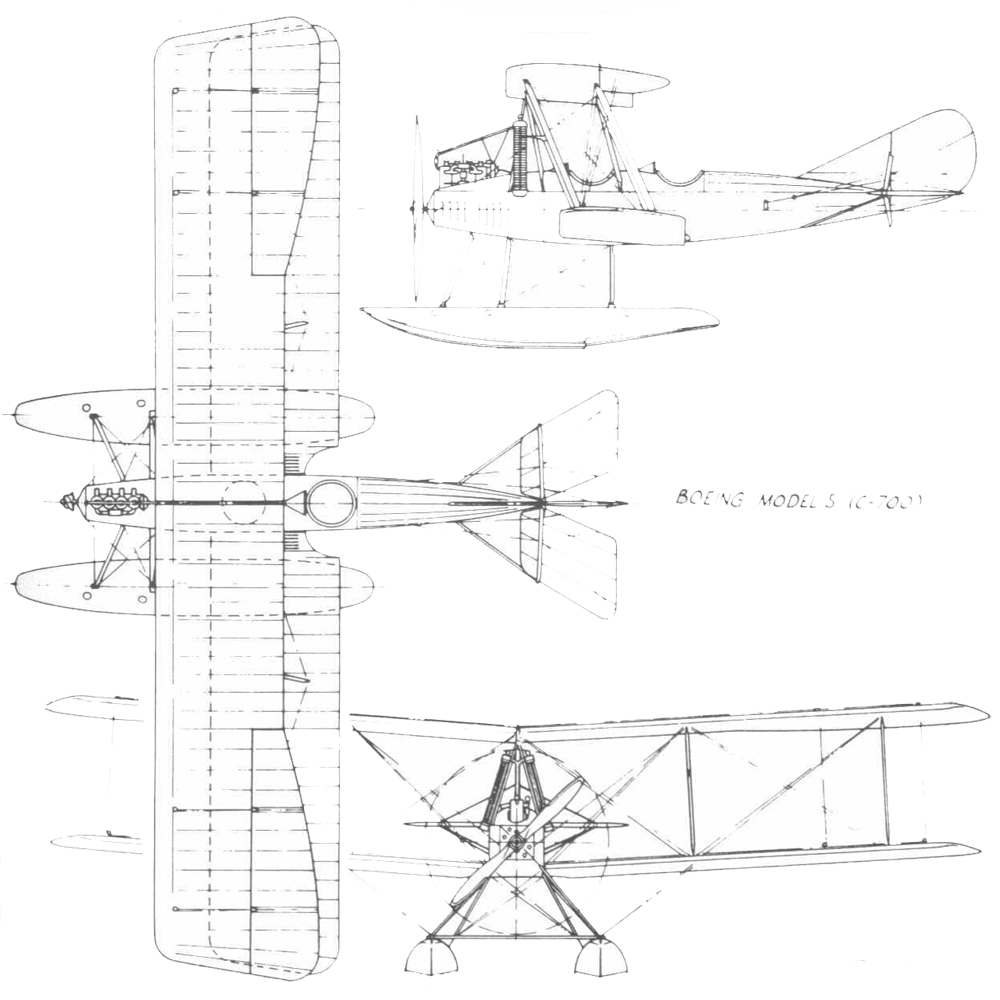 Boeing Model 5 |
ArchivoAéreo Editorial Team
A group of aviation researchers and enthusiasts dedicated to documenting and preserving global aeronautical history. All articles are reviewed to ensure historical accuracy.
Sources & Accuracy
The information presented in this technical sheet has been compiled from declassified flight manuals, historical archives, and specialized literature. While we strive for maximum accuracy, some performance data may vary depending on the specific variant or operational conditions.