Boeing Model 64
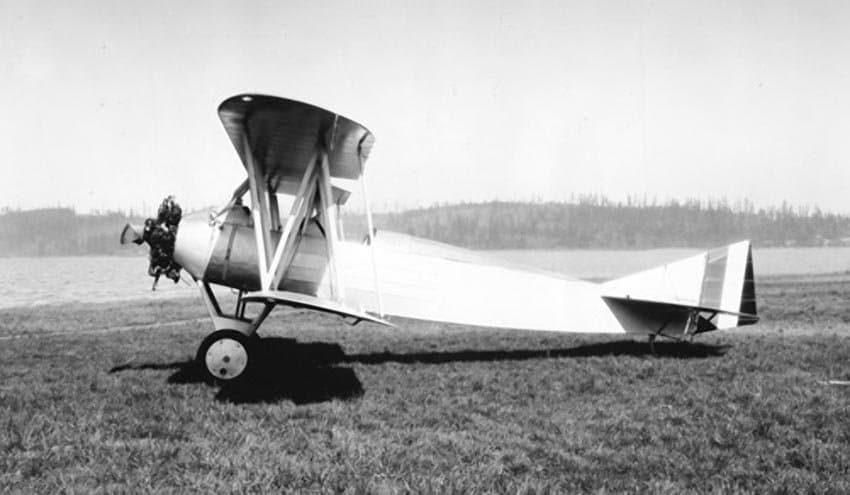
In 1925, Boeing designed the Boeing Model 64 training aircraft, intended for both the U.S. Army and Navy. It was a two-seat, two-bay biplane of mixed construction, powered by a 200 hp (150 kW) nine-cylinder Wright J-3 radial engine. Boeing engineers reverted to an older wing design due to issues with the Model 21 (NB).
Versatile Training Capabilities
Beyond initial pilot training, the aircraft could also be used for gunnery instruction. For this purpose, a movable 7.62mm machine gun turret was mounted in the rear cockpit, and a synchronized forward machine gun of the same caliber was installed. For naval use, the wheeled landing gear with a tail skid could be replaced with floats. The pilot and student sat in tandem open cockpits.
Design Evolution and Fate
The prototype’s first flight occurred in February 1926. During the summer, engineers refined a new single-bay wing featuring a NACA Munk M-12 profile. The Boeing Model 64, equipped with this improved wing, took to the air on August 31 of the same year.
The aircraft failed to attract military interest, as its flight characteristics proved to be even worse than those of the Model 21. The sole built example was eventually sold to Pacific Air Transport. A little later, the aircraft was fitted with a Wright J-5 engine and sold to a private individual.
Technical Specifications
| Modification | Model 64 |
| Wingspan, m | 11.23 |
| Length, m | 7.73 |
| Height, m | 3.38 |
| Wing area, m2 | 32.00 |
| Empty weight | 971 |
| Maximum takeoff weight | 1288 |
| Engine type | 1 Wright J-3 Piston engine |
| Power, hp | 1 x 200 |
| Maximum speed, km/h | 150 |
| Cruising speed, km/h | 135 |
| Practical range, km | 400 |
| Practical ceiling, m | 2286 |
| Crew | 2 |
| Armament | (for gunner training) one 7.62-mm forward-firing and one 7.62-mm turret machine gun in the rear cockpit |
Image and diagram gallery of the Boeing Model 64
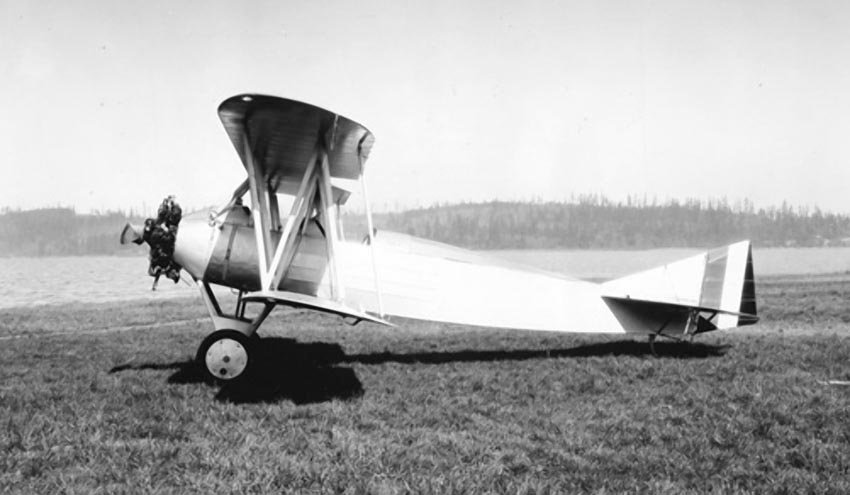 Boeing Model 64 |
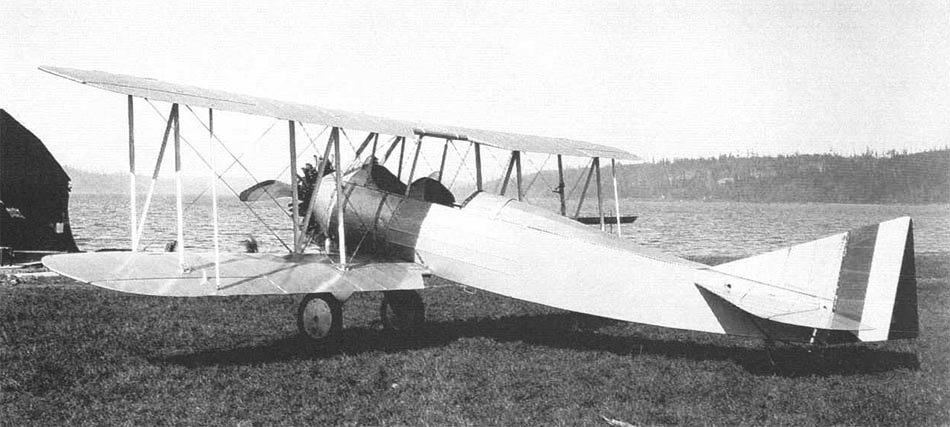 Boeing Model 64 |
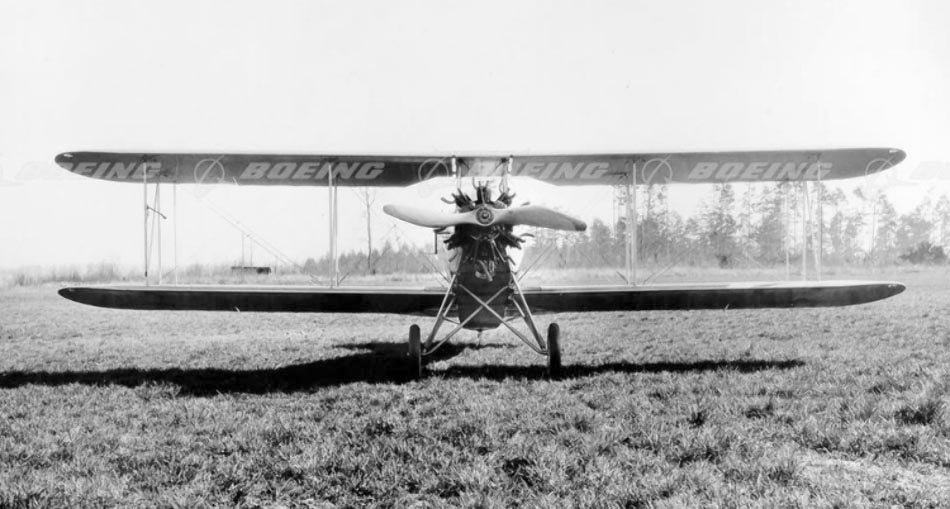 Boeing Model 64. Photograph: boeingimages.com |
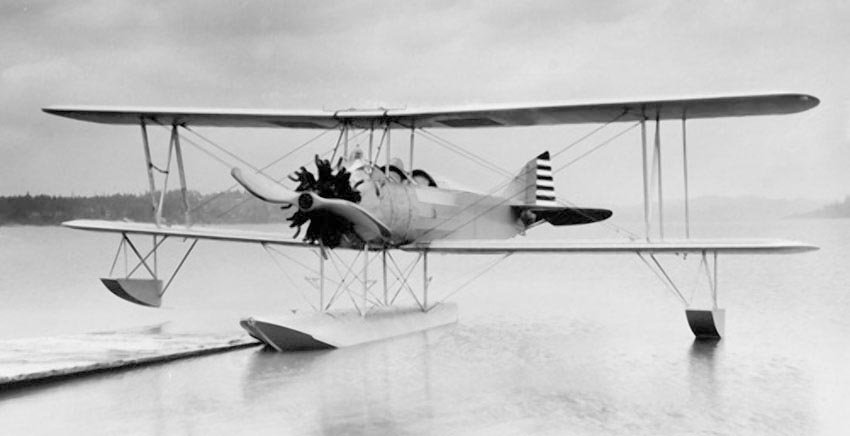 Boeing Model 64 |
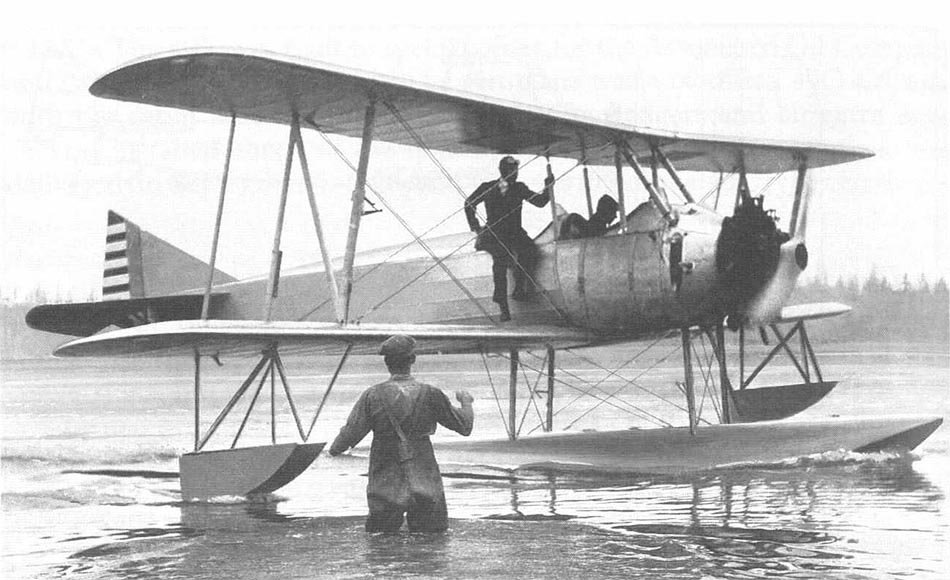 Boeing Model 64 |
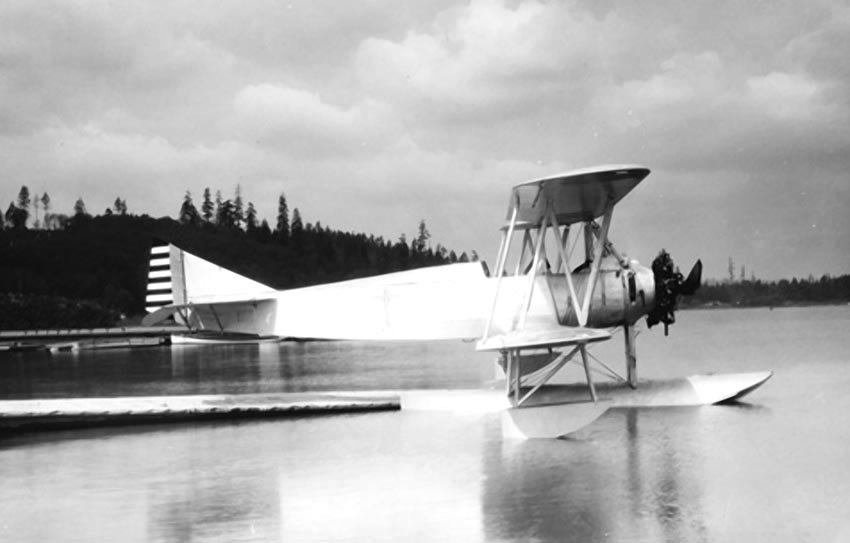 Boeing Model 64 |
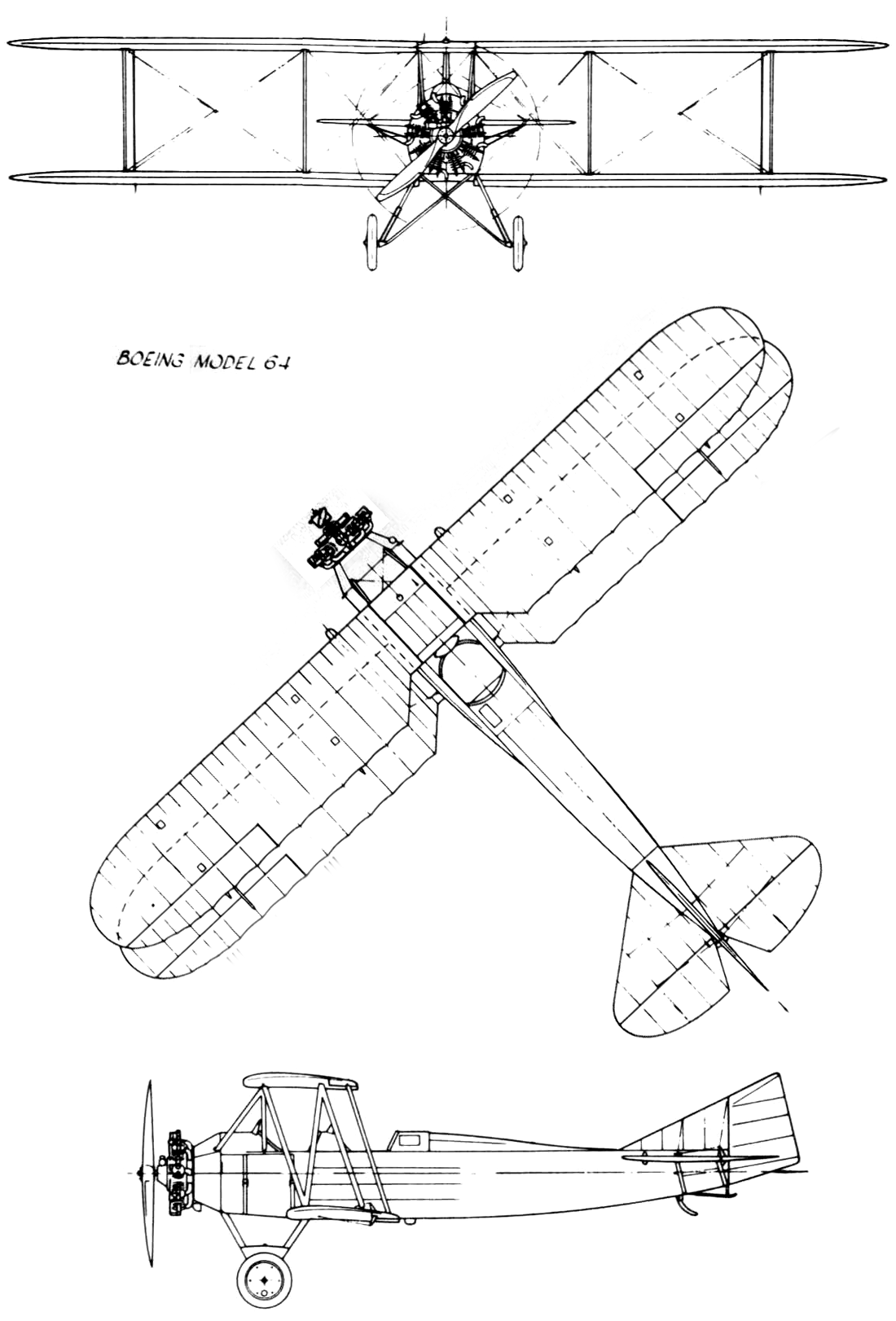 Boeing Model 64 |
ArchivoAéreo Editorial Team
A group of aviation researchers and enthusiasts dedicated to documenting and preserving global aeronautical history. All articles are reviewed to ensure historical accuracy.
Sources & Accuracy
The information presented in this technical sheet has been compiled from declassified flight manuals, historical archives, and specialized literature. While we strive for maximum accuracy, some performance data may vary depending on the specific variant or operational conditions.