Boeing Model 8 (BB-L6)
Origins and Design
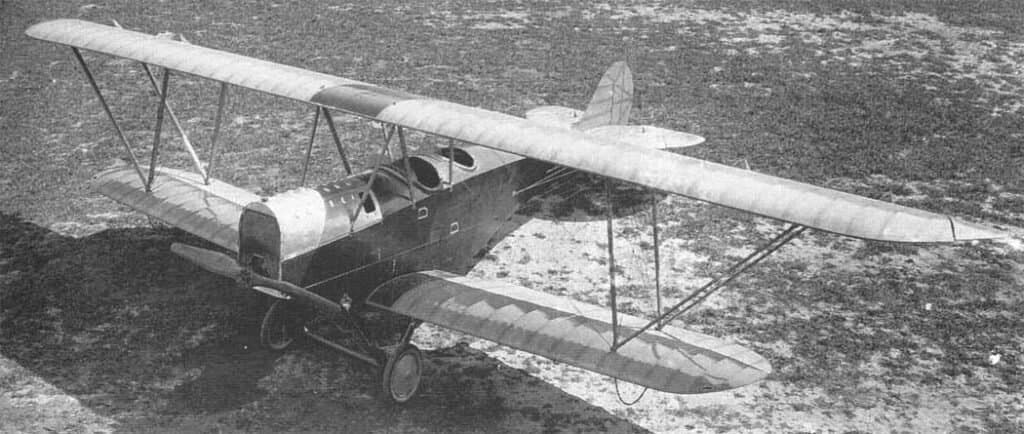
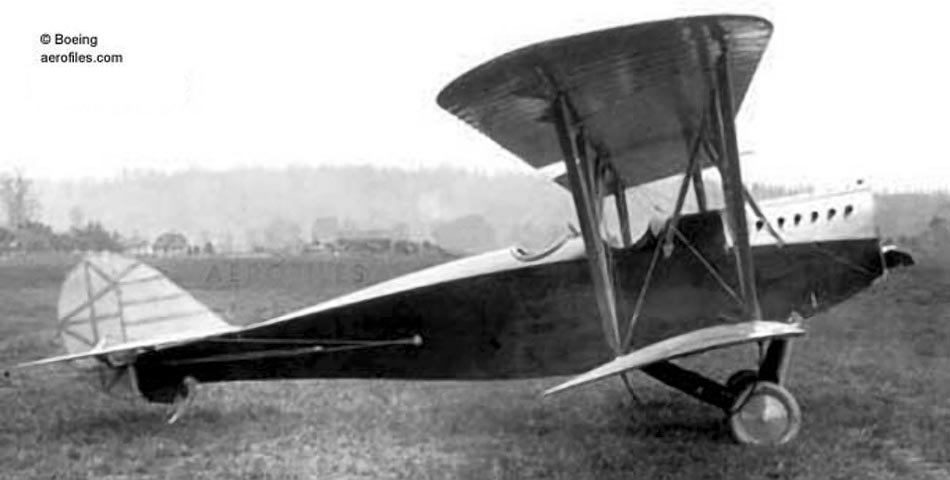
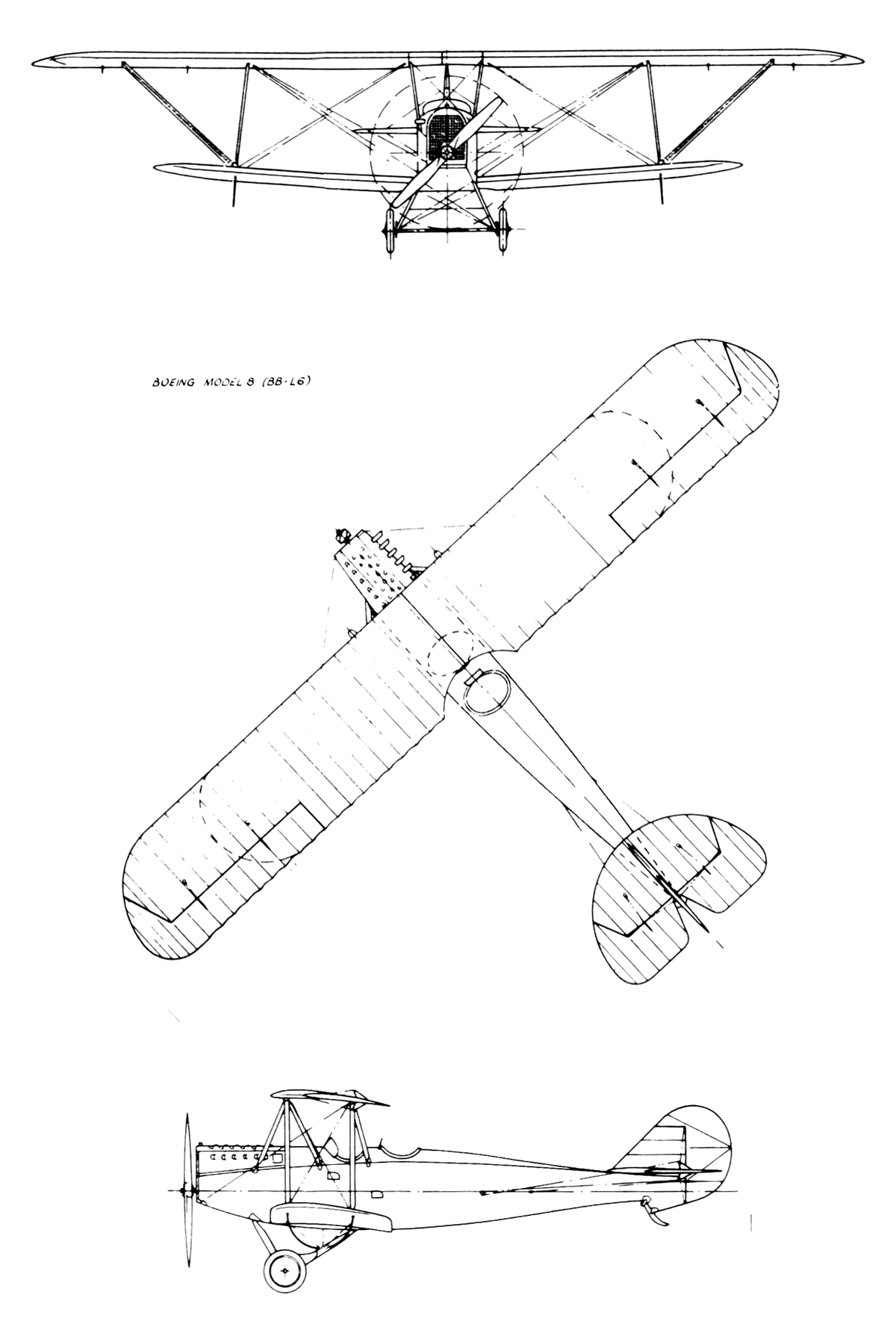
In 1920, the BB-L6 biplane, also known as the Boeing Model 8, was built commissioned by the firm’s first test pilot, Robert Menter. This model featured a wing structure almost entirely taken from the BB-1, but with the stabilizer mounted significantly lower. The forward cockpit accommodated two passengers side-by-side, while the pilot occupied the rear cockpit. The aircraft was equipped with a “Hall-Scott L-6” engine, which was reflected in its designation.
A Historic Milestone
The BB-L6 was built as a single example, bearing serial number 199. It made its inaugural flight on May 24, 1920, marking a significant milestone in aviation. This pioneering aircraft was the first to fly over the peak of Mount Rainier, an impressive 4389 meters high.
A Tragic Demise
Sadly, the aircraft met a sorrowful fate. It was later destroyed in a hangar fire in Kent, Washington, bringing an early end to the career of this unique pioneer aircraft.
Technical Specifications
| Modification | BB-L6 |
| Wingspan, m | 13. 44 |
| Length, m | 8. 91 |
| Height, m | 3.30 |
| Wing area, m2 | 43.20 |
| Empty weight | 749 |
| Maximum takeoff weight | 1 194 |
| Engine type | 1 Piston engine Hall-Scott L-6 |
| Power, hp | 1 х 200 |
| Maximum speed, km/h | 161 |
| Cruising speed, km/h | 145 |
| Practical range, km | 724 |
| Service ceiling, m | 4572 |
| Crew | 1 |
| Payload | 2 passengers |
Image and diagram gallery of the Boeing Model 8 (BB-L6)
 Boeing Model 8 (BB-L6) |
 Boeing Model 8 (BB-L6) |
 Boeing Model 8 (BB-L6) |
 Boeing Model 8 (BB-L6) |
 Boeing Model 8 (BB-L6) |
ArchivoAéreo Editorial Team
A group of aviation researchers and enthusiasts dedicated to documenting and preserving global aeronautical history. All articles are reviewed to ensure historical accuracy.
Sources & Accuracy
The information presented in this technical sheet has been compiled from declassified flight manuals, historical archives, and specialized literature. While we strive for maximum accuracy, some performance data may vary depending on the specific variant or operational conditions.