Bohannon B-1
Development of the Bohannon B-1
Following a successful experiment with the JM-2 “Pushy Galore” racing aircraft, engineer Bruce Bohannon, in collaboration with aviator and designer James W. Miller, decided to create a light sport aircraft capable of even more significant achievements. The lightweight multi-purpose aircraft Van’s RV-4 was chosen as its foundation.
Design and Specifications
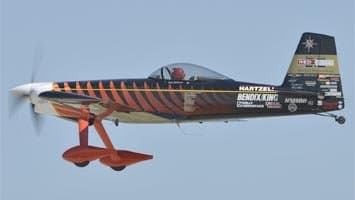
In 1999, the Bohannon B-1 (N389BB) was completed, painted in black and orange, earning it the nickname “Exxon Flyin’ Tiger.” It was a single-seat, cantilever low-wing monoplane, equipped with a 350 hp Lycoming IO-540 six-cylinder engine and a three-blade Hartzell propeller.
A Record-Breaking Machine
That same year, the B-1 broke the world record for climb rate in its class (FAI C-1b), reaching an altitude of 3000 meters in 2 minutes and 20 seconds. Over the following years, an astounding 24 (!!!) more records were broken, including 6000 meters in 6 minutes and 36 seconds in 2000. In 2001, the absolute record for piston aircraft fell, reaching 35,000 feet (10,668 meters).
The following year, this absolute record was broken twice, first to 11,441 meters and then to 12,588 meters. That same year also saw a climb rate record of 12,000 meters in 32 minutes and 2 seconds. In 2003, an absolute altitude of 14,301 meters was achieved, and the following year, another climb rate record of 12,000 meters in 20 minutes and 24 seconds was set.
Technical Specifications
| Modification | В1-1 |
| Wingspan, m | 7. 00 |
| Aircraft length, m | 6. 20 |
| Engine type | 1 Piston engine Lycoming IO-540 |
| Power, hp | 1 х 350 |
| Cruising speed, km/h | 390 |
| Rate of climb, m/s | 1343 |
| Crew, crew | 1 |
Image and diagram gallery of the Bohannon B-1
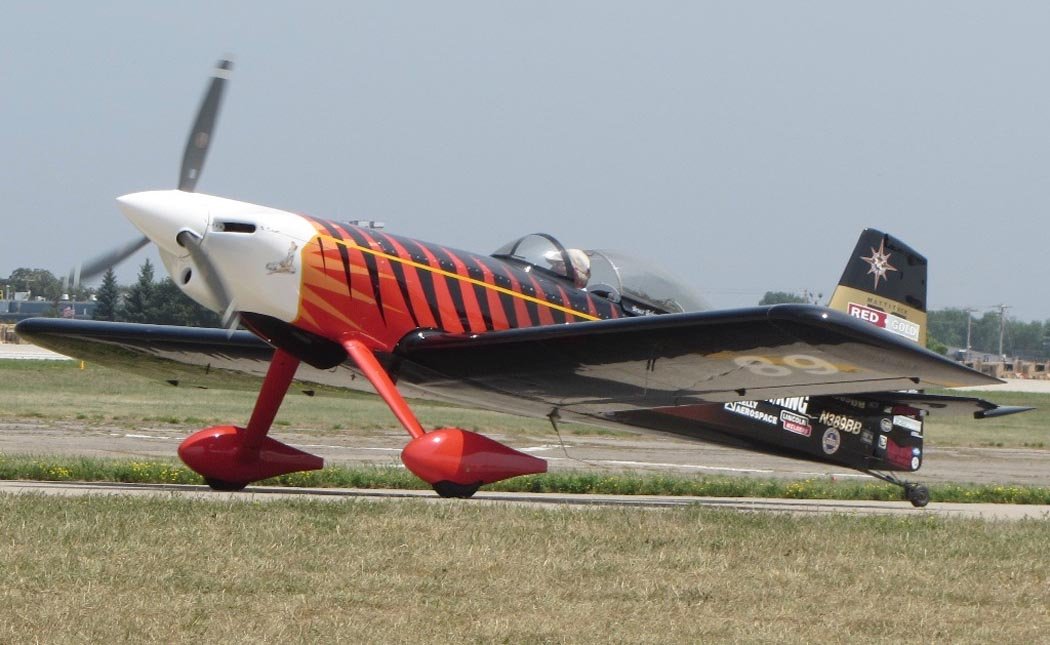 B-1 |
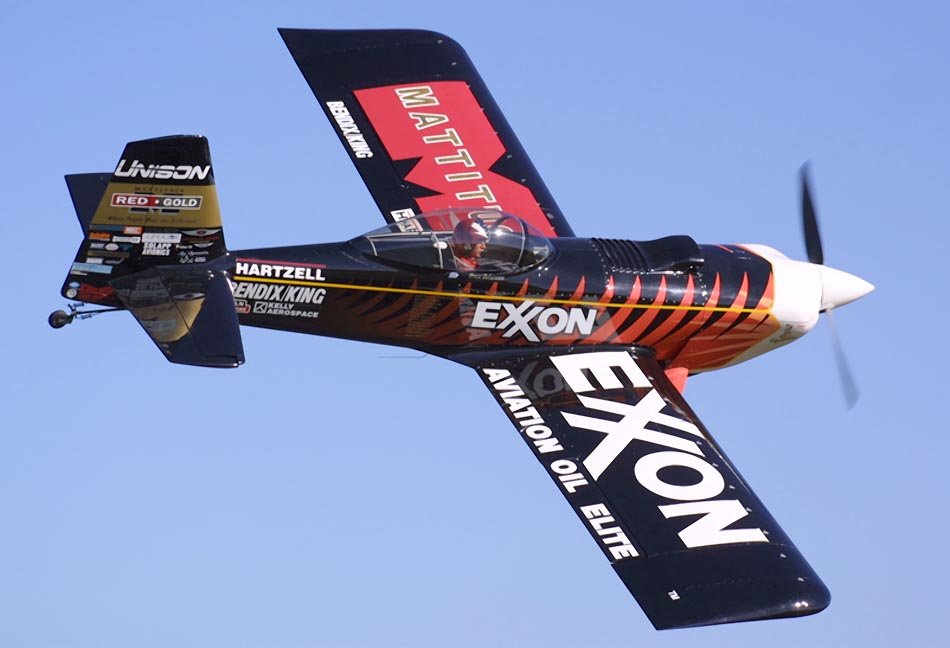 B-1. Photography: Brett Hahn |
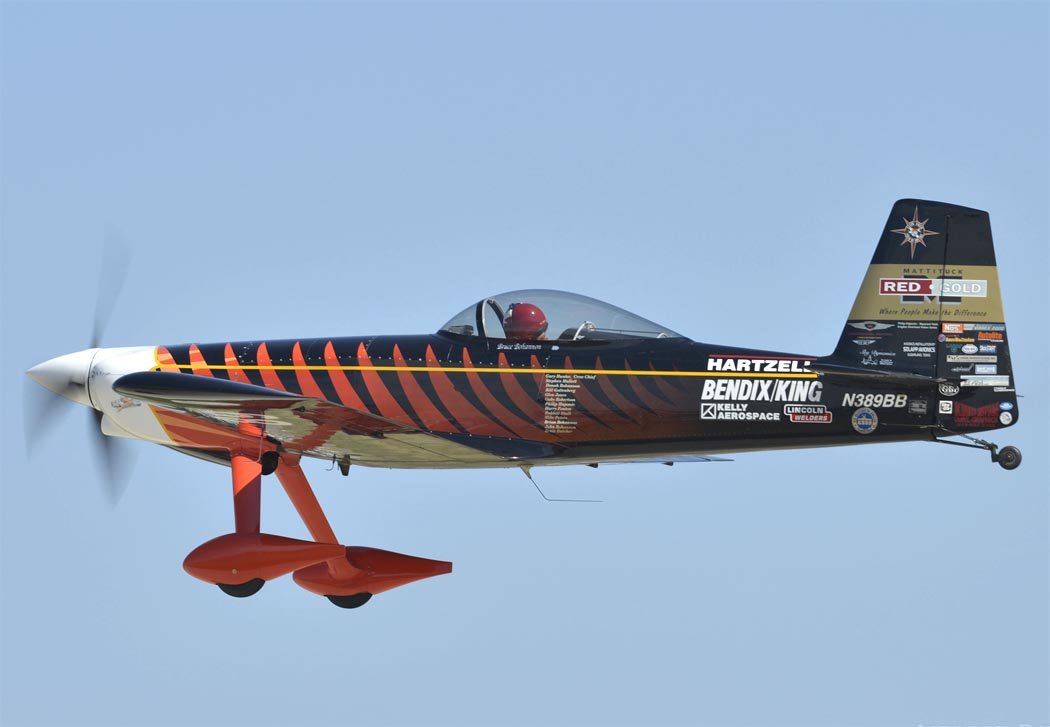 B-1. Photography: Todd Royer |
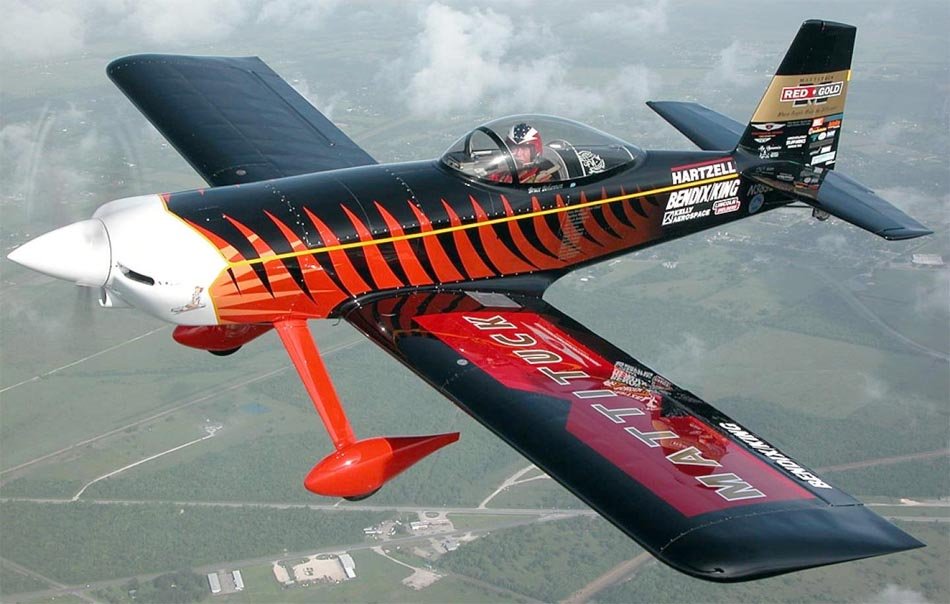 B-1. Photography: George A. Kounis |
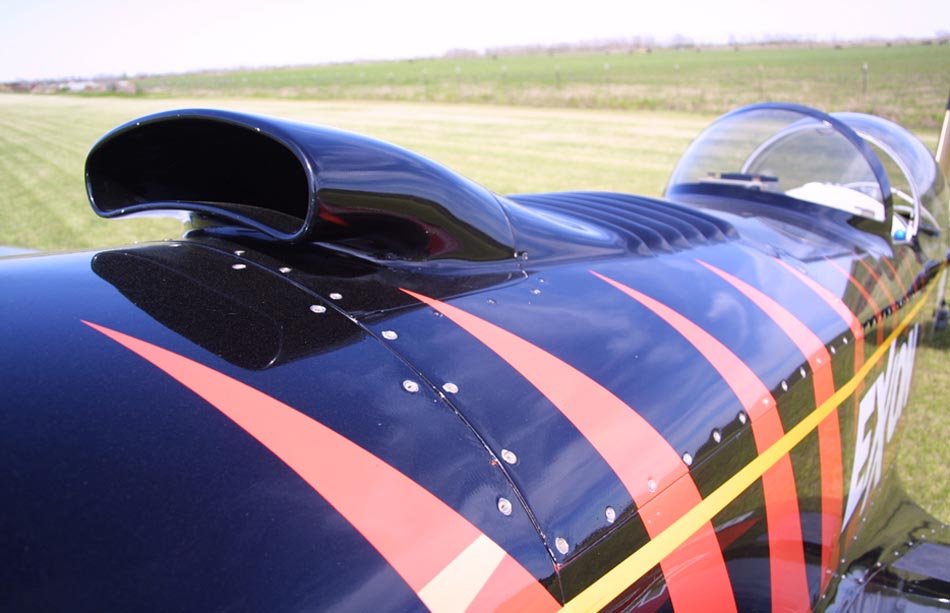 B-1. Photography: Brett Hahn |
ArchivoAéreo Editorial Team
A group of aviation researchers and enthusiasts dedicated to documenting and preserving global aeronautical history. All articles are reviewed to ensure historical accuracy.
Sources & Accuracy
The information presented in this technical sheet has been compiled from declassified flight manuals, historical archives, and specialized literature. While we strive for maximum accuracy, some performance data may vary depending on the specific variant or operational conditions.