Boorabee
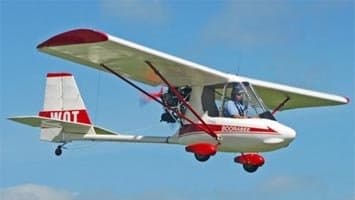
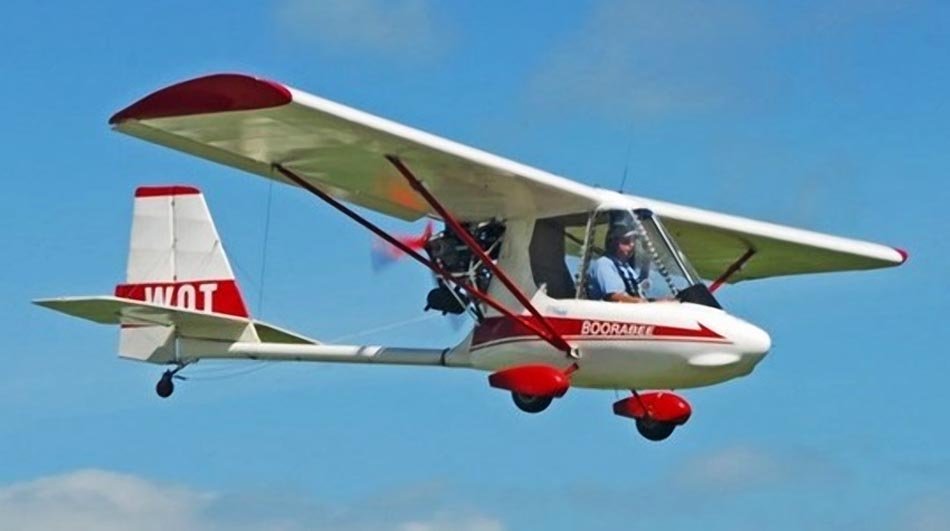
The Boorabee is a light multipurpose aircraft, developed by the Australian engineer Tom Cadet. The aircraft’s first prototype took to the skies in 1992, marking its entry into aviation history.
Key Features
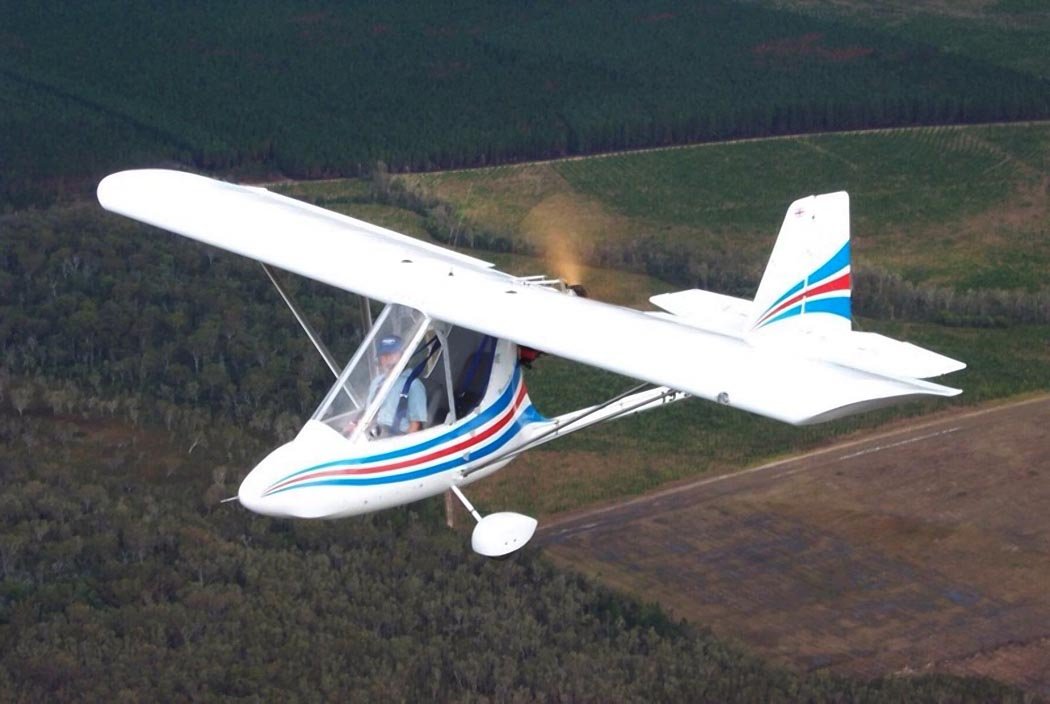
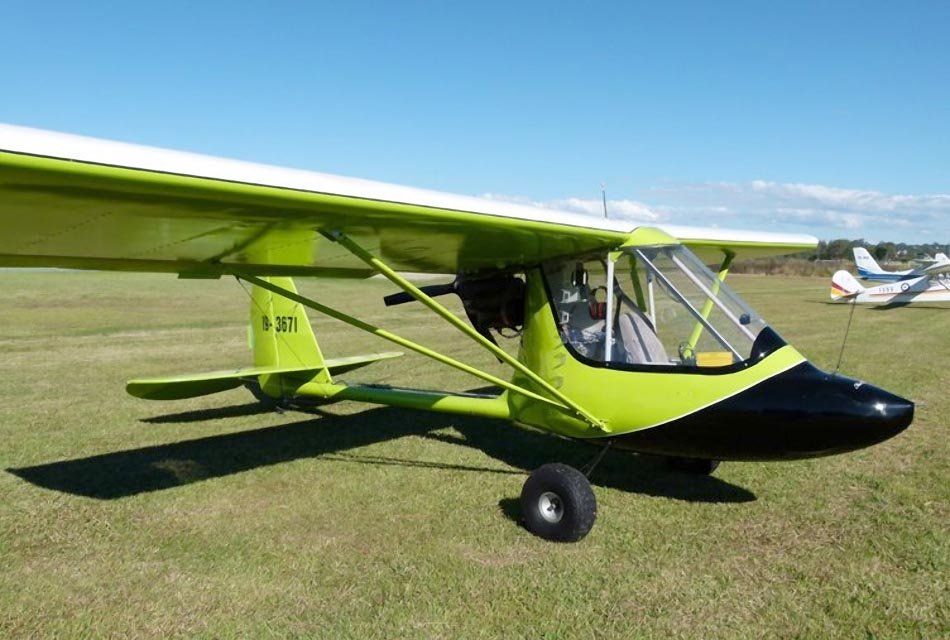
The Cadet Boorabee is characterized as a single-seat, strut-braced high-wing monoplane with fixed landing gear. It is equipped with a two-cylinder, two-stroke Rotax 503UL-2V engine, delivering 50 hp (37 kW).
This engine features electronic cooling and dual ignition, driving a three-blade pusher propeller. Its robust and straightforward design made it suitable for various light-duty applications.
Engine and Versions
As alternative powerplants, the 60 hp HKS 700 E engine or the 64 hp Rotax 582 could be utilized, offering operators flexibility. The Boorabee aircraft was manufactured in three main versions.
These included the Mark 1 with a wingspan of 9.14 m (30 feet), and the Mark 2, which featured an 8.83 m (29 feet) wingspan and an extended cabin.
Development and Production
In total, approximately a dozen Boorabee aircraft were built. This production number reflects its limited series nature, catering to a specific niche market for light aircraft.
Technical Specifications
| Modification | Boorabee Mk.1 |
| Wingspan, m | 9.14 |
| Aircraft length, m | 5.85 |
| Empty weight | 284 |
| Maximum takeoff weight | 554 |
| Fuel, l | 94 |
| Engine type | 1 Piston engine HKS 700 E |
| Power, hp | 1 x 60 |
| Maximum speed, km/h | 167 |
| Cruising speed, km/h | 111 |
| Flight duration, h | 10 |
| Maximum rate of climb, m/min | 152 |
| Crew | 1 |
Image and diagram gallery of the Boorabee
 Boorabee |
 Boorabee |
 Boorabee |
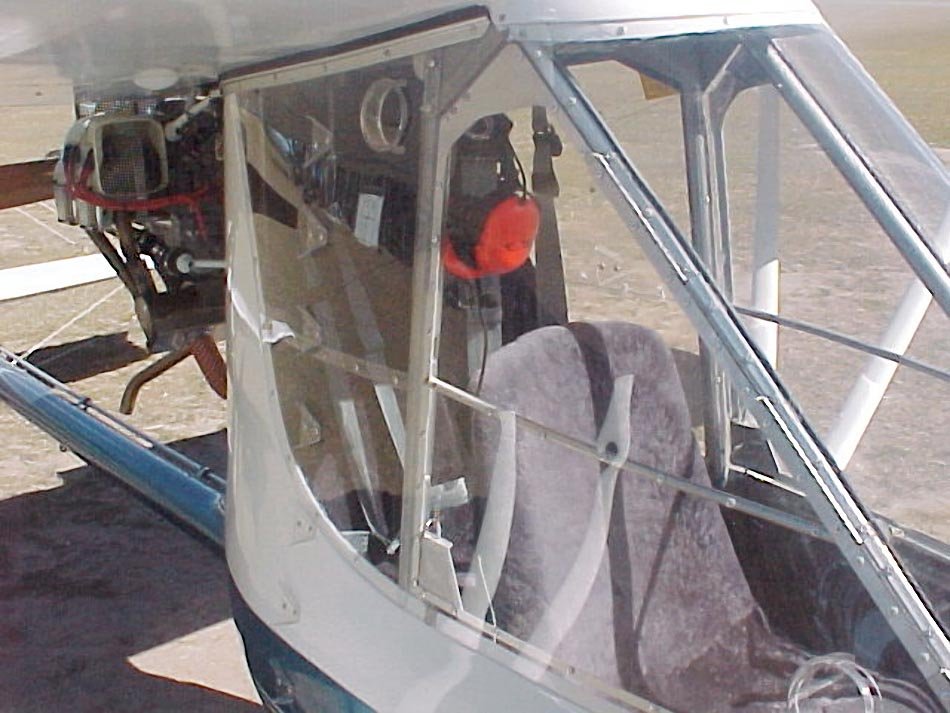 Boorabee |
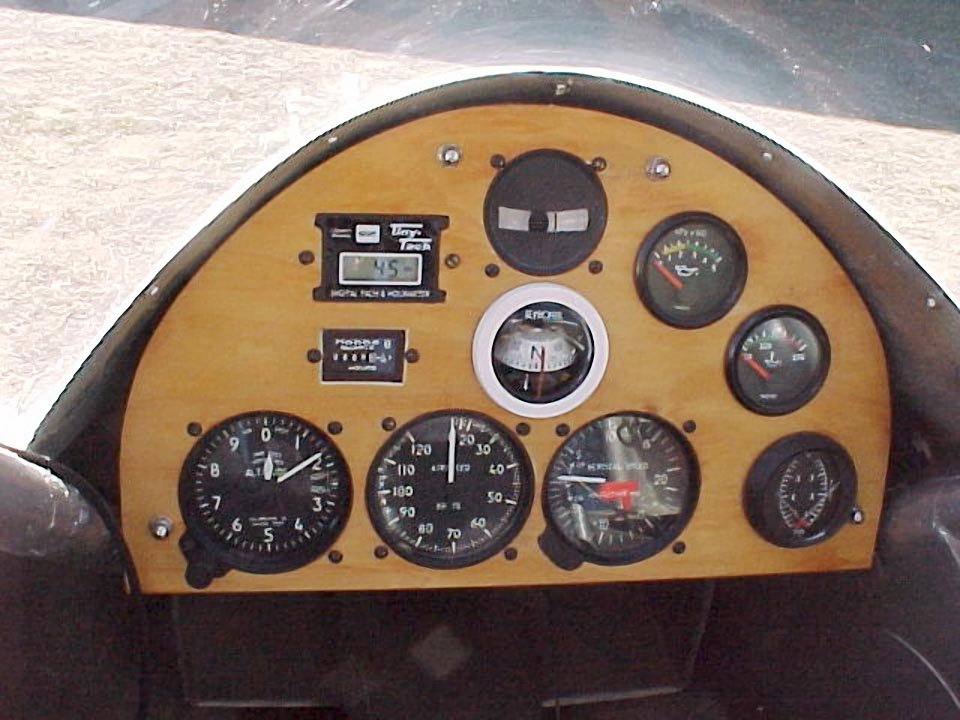 Boorabee |
ArchivoAéreo Editorial Team
A group of aviation researchers and enthusiasts dedicated to documenting and preserving global aeronautical history. All articles are reviewed to ensure historical accuracy.
Sources & Accuracy
The information presented in this technical sheet has been compiled from declassified flight manuals, historical archives, and specialized literature. While we strive for maximum accuracy, some performance data may vary depending on the specific variant or operational conditions.