Borei Amphibious Aircraft
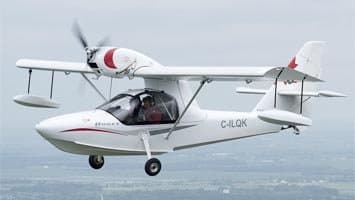
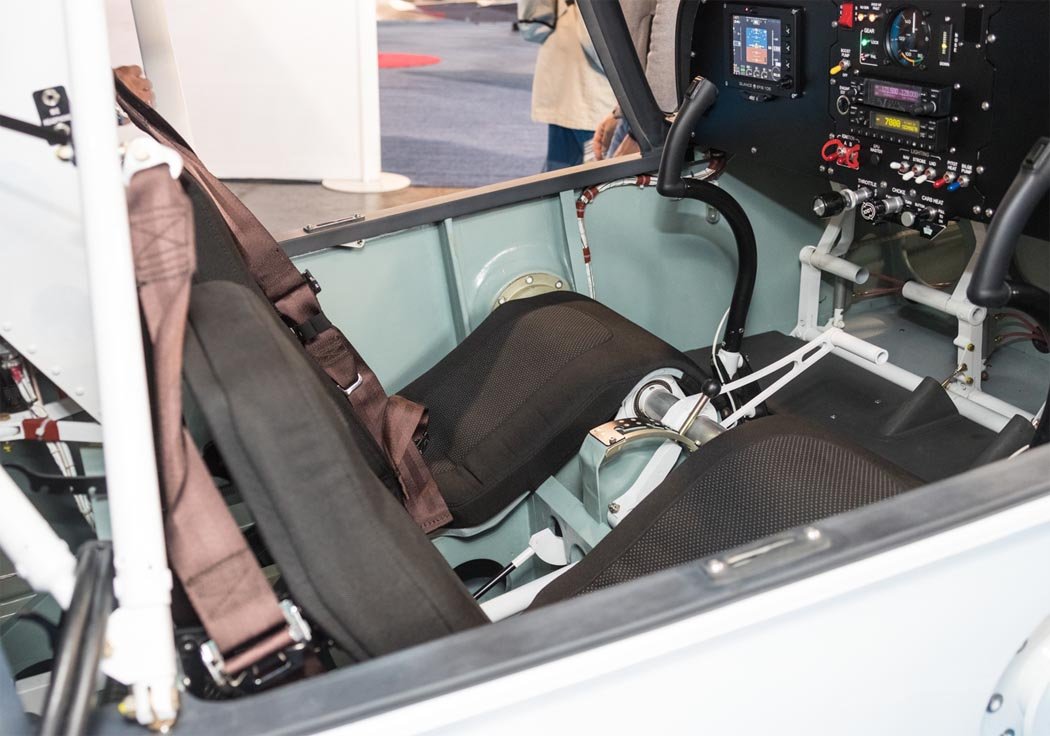
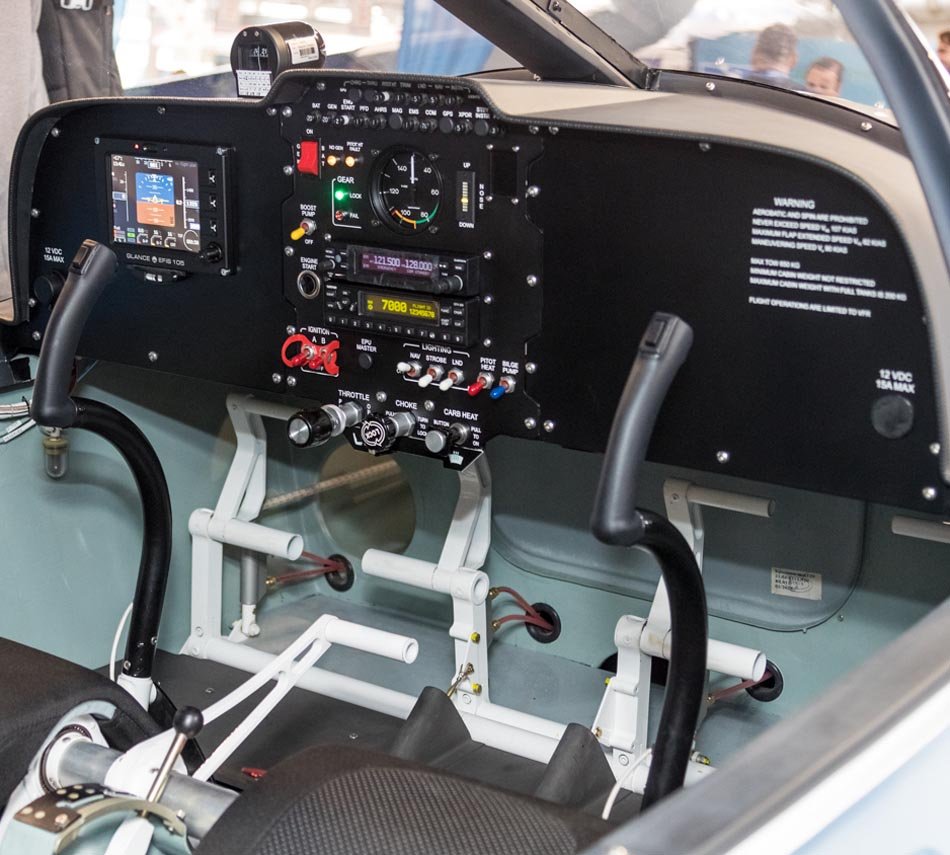
In 2017, serial production of the Borei amphibious aircraft began in the Samara region at NPO Aerovolga. By its characteristics, it’s a ‘flying Niva,’ capable of carrying cargo exceeding its own weight. This two-seater amphibian is equipped with night flight instruments and boasts a takeoff distance of just 40-50 meters on both water and land, depending on pilot experience.
Innovative Design and Production
The Borei amphibious aircraft became Aerovolga’s first product entirely designed in KOMPAS-3D, including theoretical drawings and hull lines. These designs were then used with CNC machines and 3D printers to create master models for producing working matrices. The aircraft was developed based on the work of Boris Chernov, a Samara designer of small aircraft. Remarkably, the aircraft was designed, manufactured, and made its first flight within a single year.
The Borei is classified as an ultralight aircraft, with a maximum takeoff weight of 450 kg, and is intended for training flights. It earned its name ‘Borei’ (Greek god of the north wind) because of its ability to operate in low temperatures, down to minus 35°C.
Versatile Applications and Certification
This aircraft is indispensable for training private pilots in flight schools and aeroclubs for seaplane operations. It will be highly valued by enthusiasts of fishing and hunting, as well as travelers exploring hard-to-reach locations. The amphibious aircraft is designed and certified according to Russian aviation operational rules, along with regulatory frameworks from Germany, Canada, and the USA.
The aircraft will be available in both economy and premium class configurations. It is equipped with a single Rotax 912/914 engine, consuming only about 10 liters of regular automotive gasoline per 100 km. The Borei does not require highly qualified personnel for maintenance and costs approximately 5.4 million rubles.
Future Expeditions
In the coming years, a major international expedition is planned around the Northern and then the Southern Polar Circles. The Borei will participate in this expedition, alongside the already proven LA-8C-RS aircraft, further showcasing its capabilities.
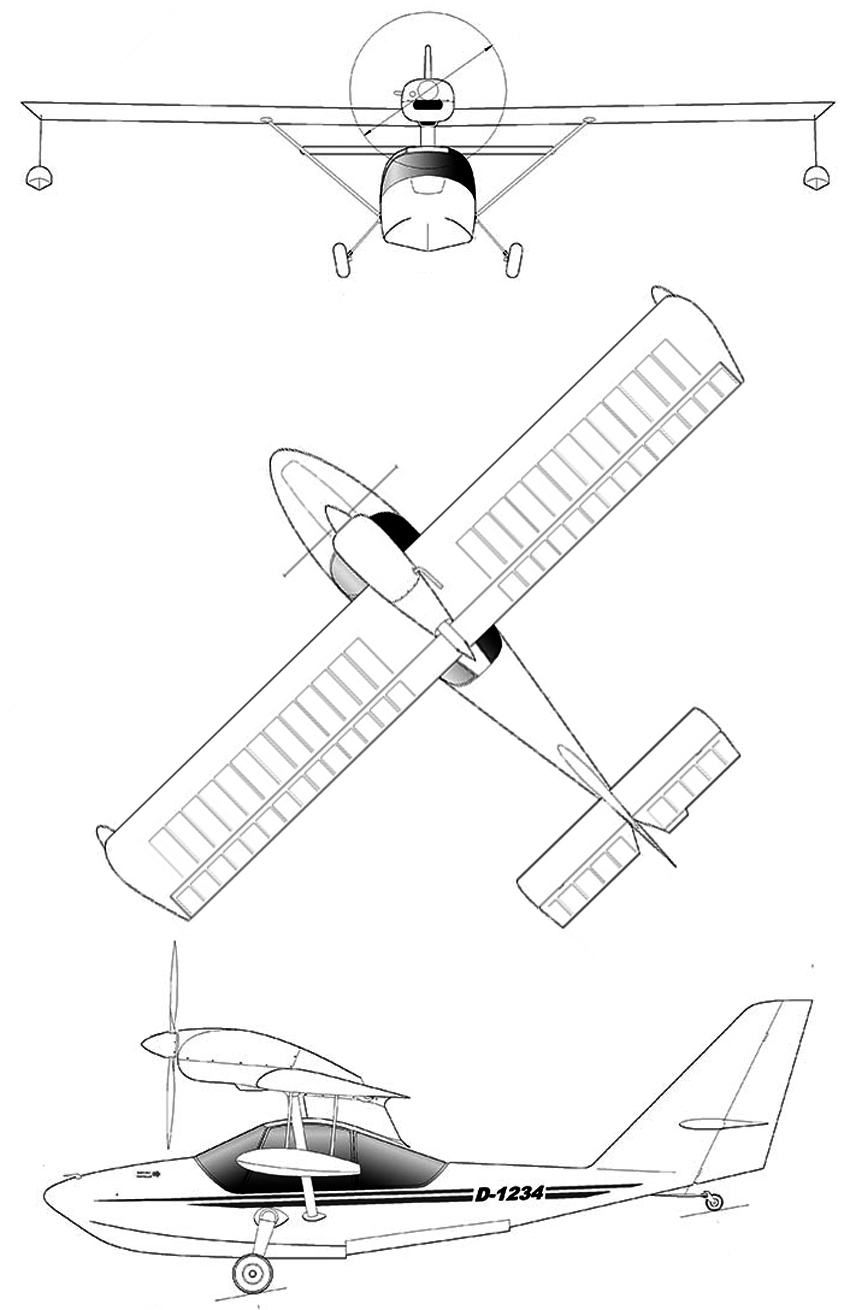
Technical Specifications
| Modification | Borey |
| Wingspan, m | 9.86 |
| Length, m | 7.00 |
| Height, m | 2.50 |
| Wing area, m2 | 13.50 |
| Empty weight | 358 |
| Maximum takeoff weight | 560 |
| Fuel capacity | 50 |
| Engine type | 1 Piston engine Rotax 912UL |
| Power, hp | 1 x 80 |
| Maximum speed, km/h | 198 |
| Cruising speed, km/h | 172 |
| Rate of climb, m/min | 210 |
| Crew | 2 |
Image and diagram gallery of the Borei Amphibious Aircraft
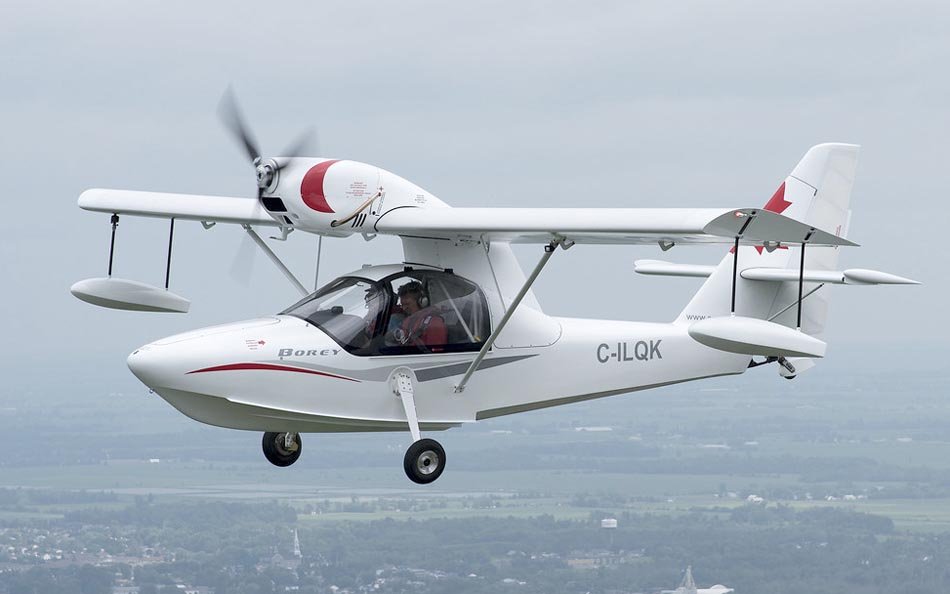 |
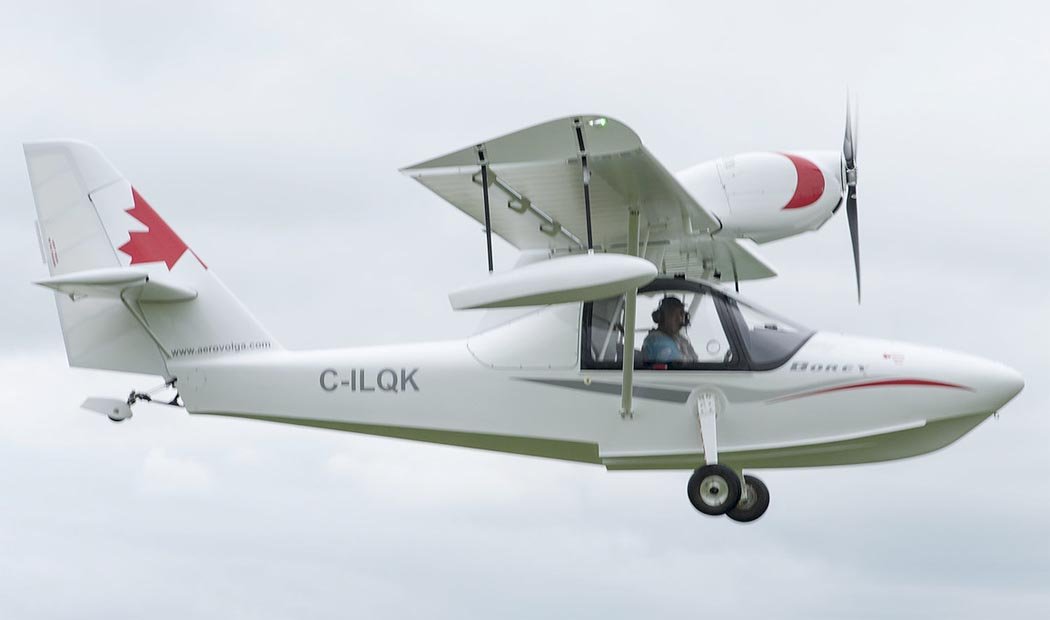 |
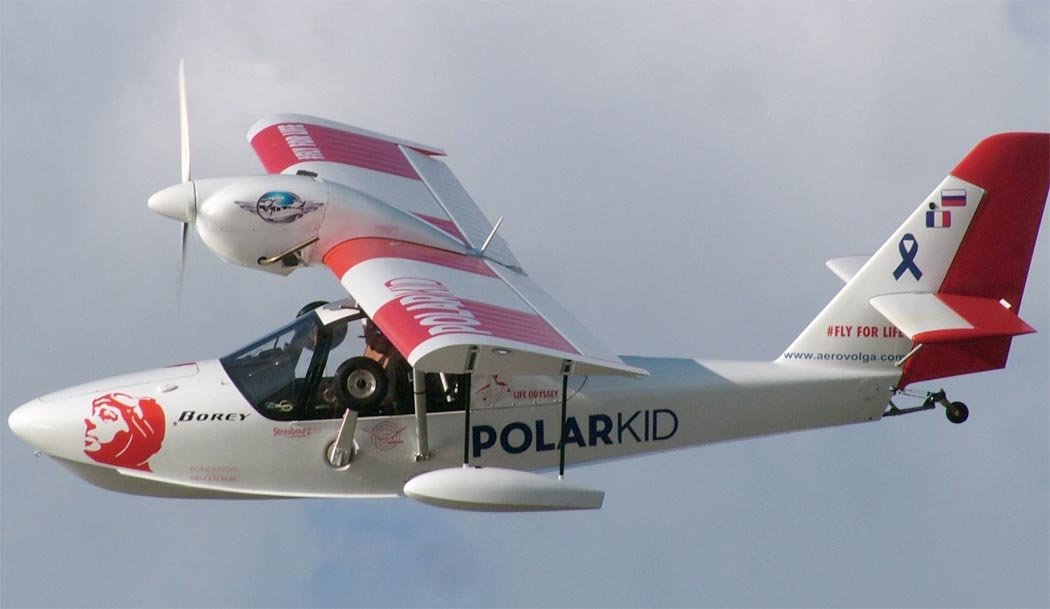 |
 |
 |
 |
ArchivoAéreo Editorial Team
A group of aviation researchers and enthusiasts dedicated to documenting and preserving global aeronautical history. All articles are reviewed to ensure historical accuracy.
Sources & Accuracy
The information presented in this technical sheet has been compiled from declassified flight manuals, historical archives, and specialized literature. While we strive for maximum accuracy, some performance data may vary depending on the specific variant or operational conditions.