Borovikov Andrey Evstigneevich
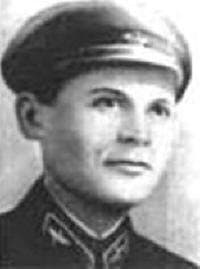
Early Life and Military Service
Andrey Evstigneevich Borovikov was born in 1912 in the village of Zhilkovo, Smolensk region, into a peasant family. In 1929, he was among the first to join the collective farm, demonstrating an early commitment to communal life and work.
He joined the Workers’ and Peasants’ Red Army (RKKA) in 1932, beginning his military career. Borovikov graduated from the 3rd Military School for Pilots and Navigators in Orenburg, honing his skills for aerial warfare. He then served as a navigator in the 59th Aviation Squadron of the OKDVA (Special Red Banner Far Eastern Army).
Heroism at Lake Khasan
Borovikov actively participated in the battles near Lake Khasan, a crucial border conflict. During these engagements, he served as the navigator of a high-speed bomber, playing a vital role in aerial operations. His aircraft was shot down while bombing enemy positions, putting him in grave danger.
After his plane was hit, Borovikov successfully parachuted, unfortunately landing in enemy territory. While attempting to make his way back to his own lines, he was killed in an unequal battle on August 6, 1938, making the ultimate sacrifice for his country.
Sacrifice and Posthumous Recognition
In recognition of his exceptional bravery and supreme sacrifice, Senior Lieutenant Andrey Evstigneevich Borovikov was posthumously awarded the title of Hero of the Soviet Union. This esteemed honor was bestowed upon him on October 25, 1938, cementing his place in history as a true hero.
ArchivoAéreo Editorial Team
A group of aviation researchers and enthusiasts dedicated to documenting and preserving global aeronautical history. All articles are reviewed to ensure historical accuracy.
Sources & Accuracy
The information presented in this technical sheet has been compiled from declassified flight manuals, historical archives, and specialized literature. While we strive for maximum accuracy, some performance data may vary depending on the specific variant or operational conditions.