Bossi 3 and Bossi 4 Seaplanes
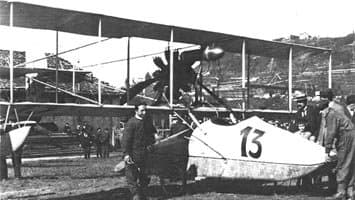
In late 1910, Italian engineer Enea Bossi began the development of a small flying boat, named the Bossi 3. This was a single-seater, two-bay biplane featuring floats at its wingtips.
The chosen powerplant was an 80 hp SPA 10 radial piston engine, driving a pusher propeller. By 1913, Enea Bossi refined the aircraft, installing a new, larger span upper wing equipped with ailerons.
Race Victory and Brazilian Interest
Following these modifications, pilot Balilla Battagli, flying the Bossi 3, won the Como-Isola Comacina-Como race. Impressed by this success, representatives from the Brazilian government approached Bossi, interested in acquiring flying boats for their Navy.
According to some reports, several units were purchased, equipped with 80 hp Lust engines, for the Fleet’s flight schools. However, no official records of these acquisitions have been preserved.
The Bossi 4 Development
In 1914, the designer constructed and tested a new version of the flying boat for the Italian Royal Navy – the Bossi 4. This was a two-seater biplane, powered by an 80 hp Gnome-Rhone radial engine. During testing, the aircraft crashed, and it was decided not to rebuild it.
Technical Specifications
| Modification | Bossi 4 |
| Wingspan, m | 11.00 |
| Engine type | 1 Piston engine Gnome-Rhone |
| Power, hp | 1 x 80 |
| Crew, crew | 2 |
Image and diagram gallery of the Bossi 3 and Bossi 4 Seaplanes
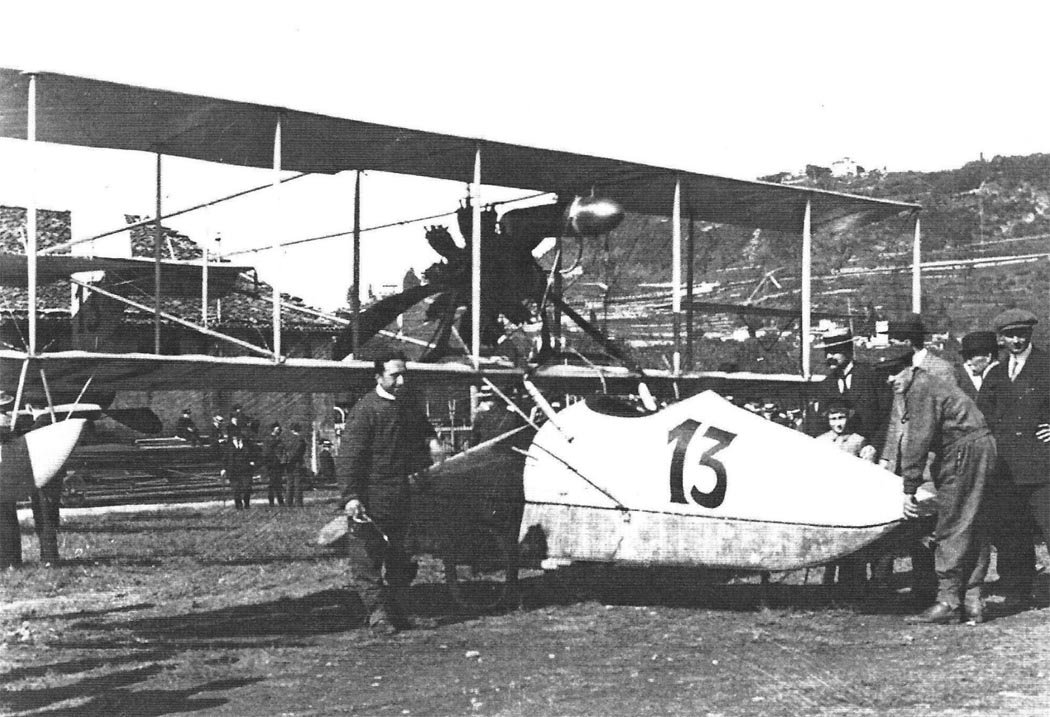 Bossi 3/4 |
ArchivoAéreo Editorial Team
A group of aviation researchers and enthusiasts dedicated to documenting and preserving global aeronautical history. All articles are reviewed to ensure historical accuracy.
Sources & Accuracy
The information presented in this technical sheet has been compiled from declassified flight manuals, historical archives, and specialized literature. While we strive for maximum accuracy, some performance data may vary depending on the specific variant or operational conditions.