Bossi-Mojoli Biplane
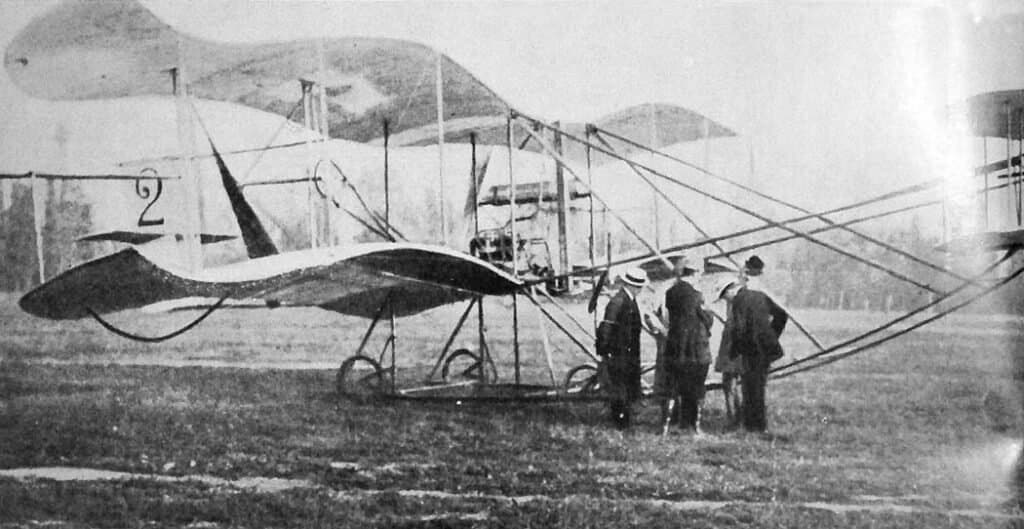
Italian aviation enthusiasts, engineer Enea Bossi and sportsman Luigi Mojoli, developed several unusual airplane designs in 1909. Their work was recognized with the “Diploma di Medaglia d’argento” (Silver Medal) at the first aviation exhibition held in Milan between November and December of that year.
Pioneering Italian Aviation
Bossi and Mojoli completed their first aircraft in early March 1909. This Bossi-Mojoli Biplane performed several short, straight flights, but its engine proved to be insufficiently powerful. Unfortunately, the aircraft was damaged in an accident shortly thereafter and was never restored.
The Innovative Second Biplane
Soon after the setbacks with the first model, the second biplane was completed. This one stood out due to its unusual wings, which featured a triple transverse curvature, designed to mimic the wings of large birds. A Zust car engine, producing 35 to 50 horsepower, was used as the power plant.
During testing, this second aircraft displayed promising flight characteristics and attracted the attention of numerous pilots, both in Italy and other countries, solidifying its creators’ innovative reputation.
Technical Specifications
| Modification | Biplano II |
| Upper wingspan, m | 14. 00 |
| Engine type | 1 Piston engine Zust |
| Power, hp | 1 x 35-50 |
| Crew, crew members | 1 |
Image and diagram gallery of the Bossi-Mojoli Biplane
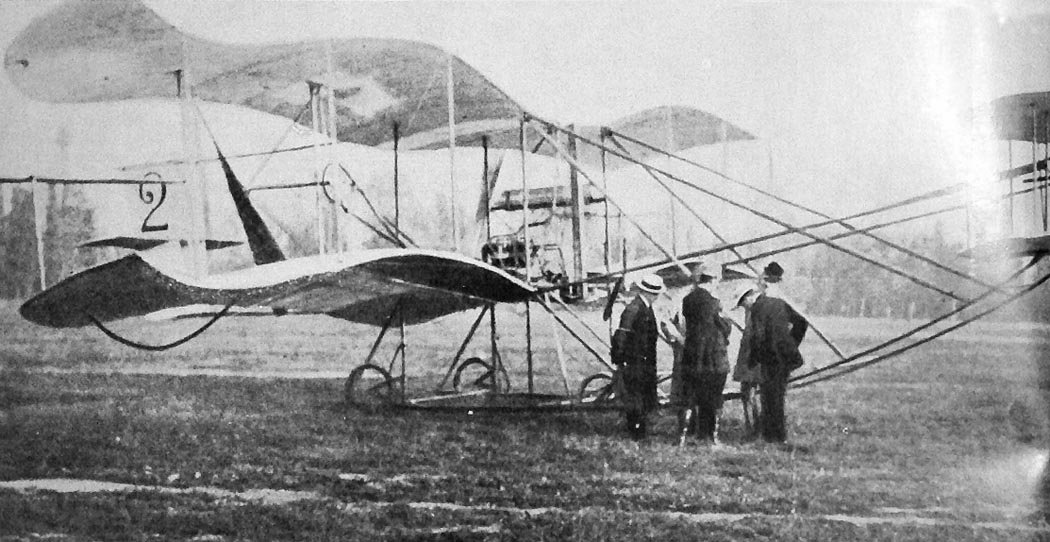 Biplane |
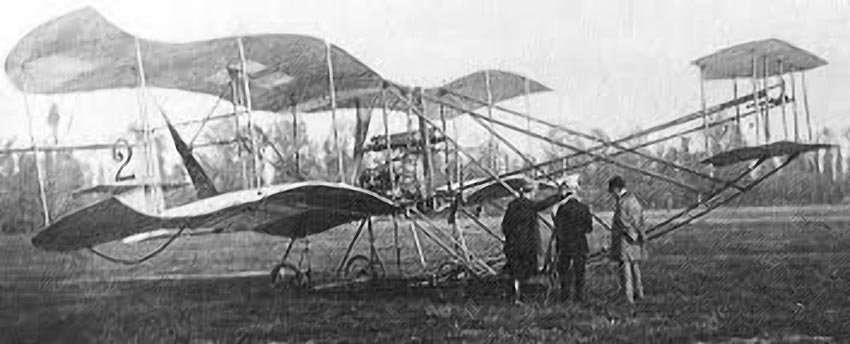 Biplane |
ArchivoAéreo Editorial Team
A group of aviation researchers and enthusiasts dedicated to documenting and preserving global aeronautical history. All articles are reviewed to ensure historical accuracy.
Sources & Accuracy
The information presented in this technical sheet has been compiled from declassified flight manuals, historical archives, and specialized literature. While we strive for maximum accuracy, some performance data may vary depending on the specific variant or operational conditions.