Br.730
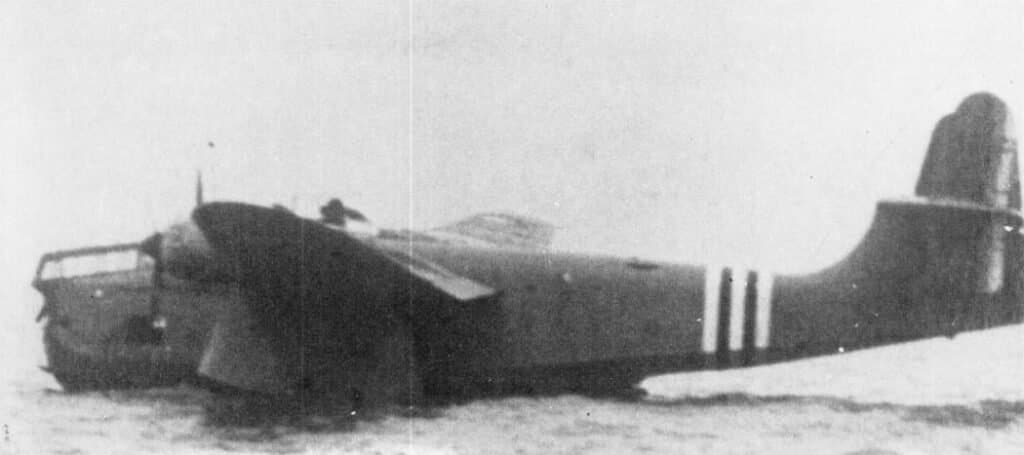
On May 10, 1935, the French Admiralty issued requirements for a new “cruiser seaplane” with a flight weight of 20 tons. In response, projects CAMS.141, Latécoère Late 510, LeO H.440, and Br.710 were prepared. The latter was a large monoplane flying boat with a “gull wing” configuration.
Changes introduced to the specifications in December 1935 necessitated a significant redesign of the original project. The structure was simplified, the “gull wing” configuration was abandoned, and the takeoff weight limit was raised to 25 tons. The revised project was named Br.730.
Initial Design and Construction
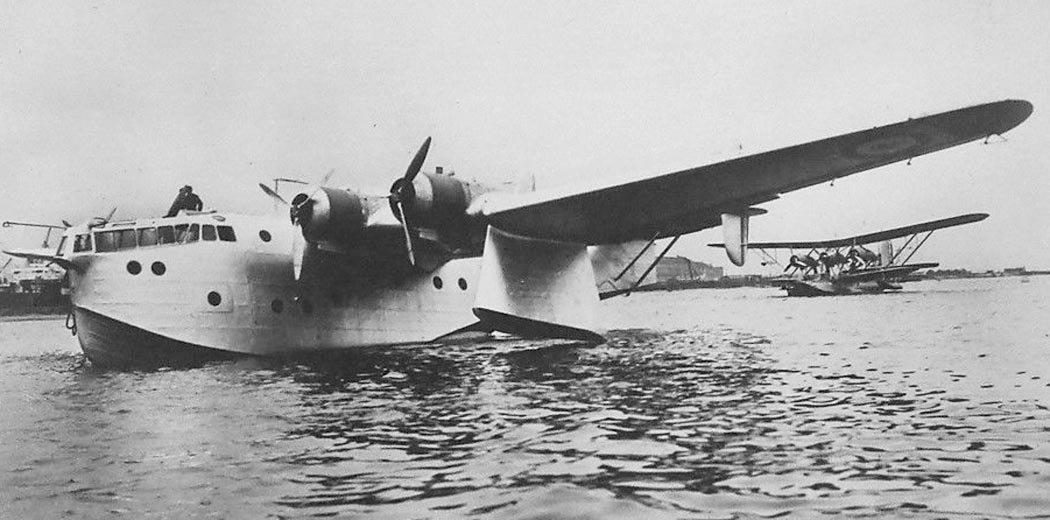
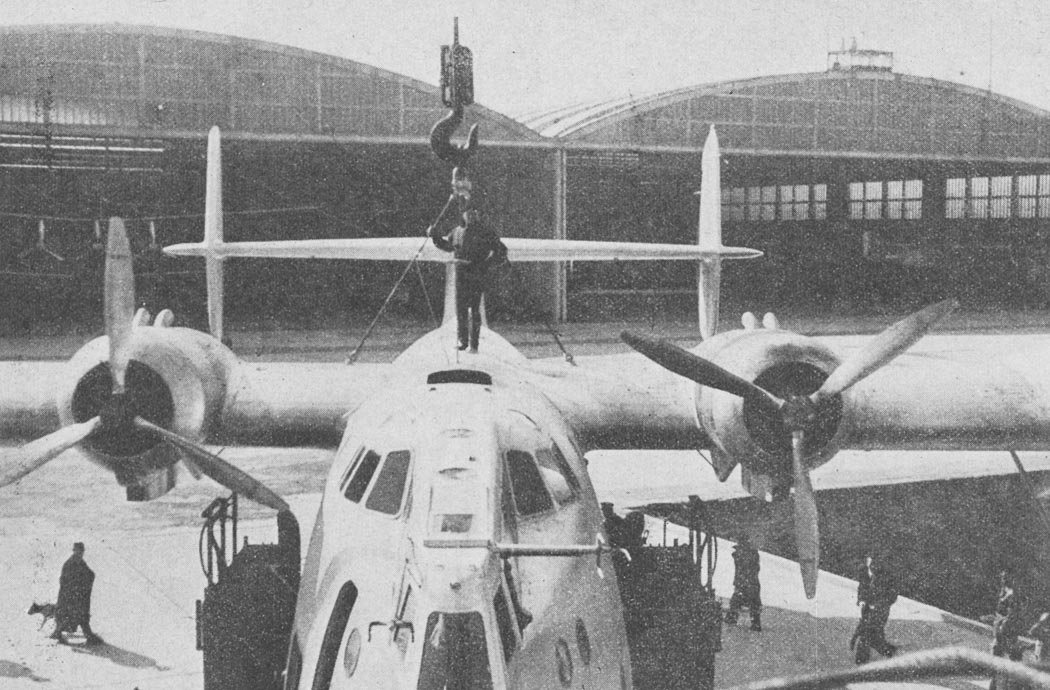
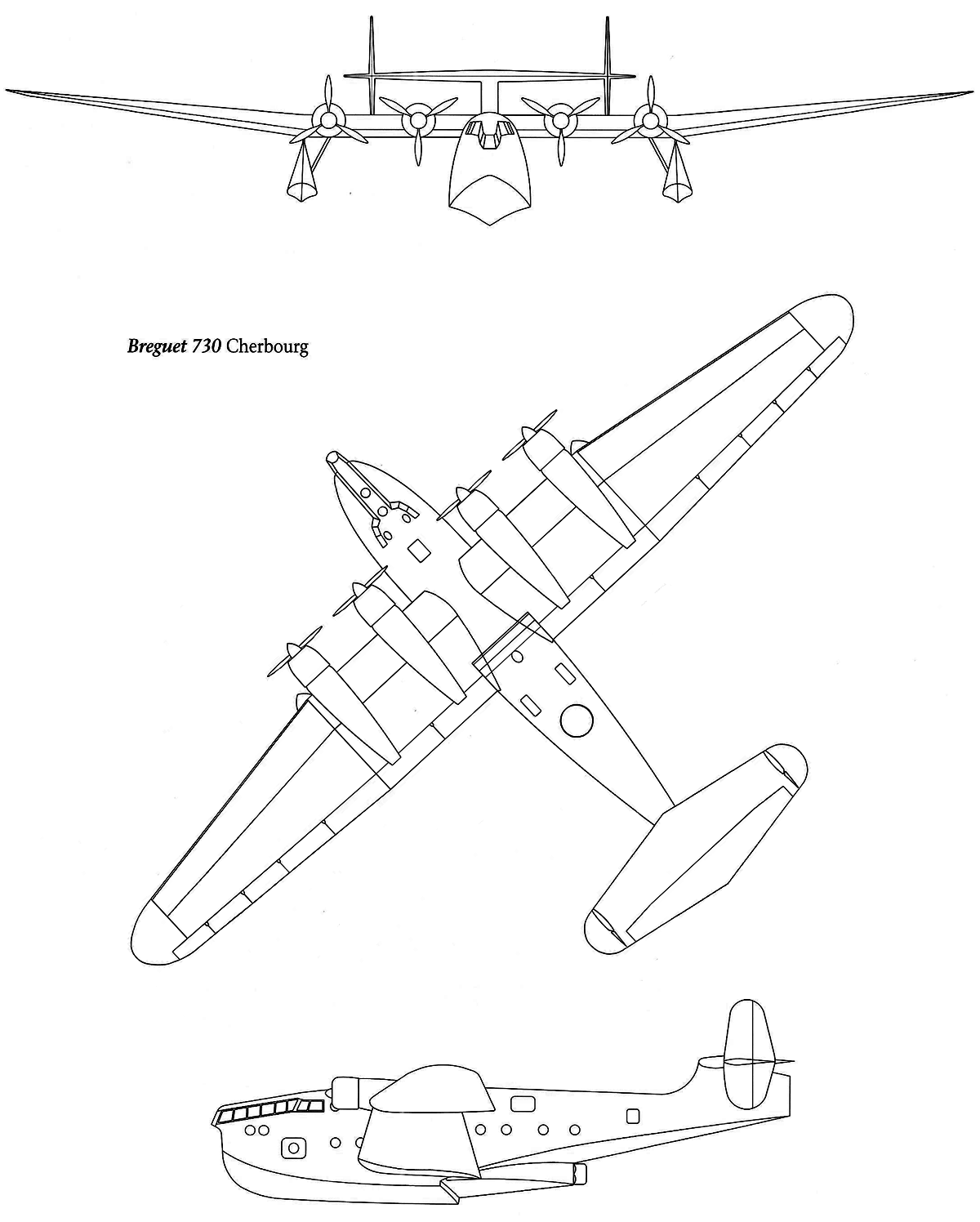
Construction of the prototype began in October 1936. The wing, featuring a box spar that accommodated 18,450 liters of fuel and a tunnel in the leading edge allowing a flight engineer to access any engine in flight, was prepared in Villacoublay. The hull, auxiliary underwing floats, and empennage were manufactured in Le Havre.
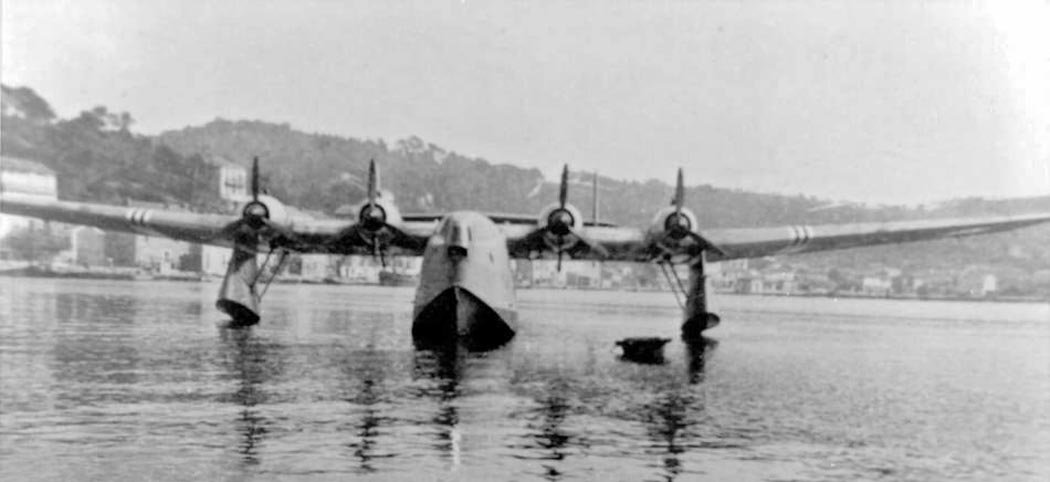
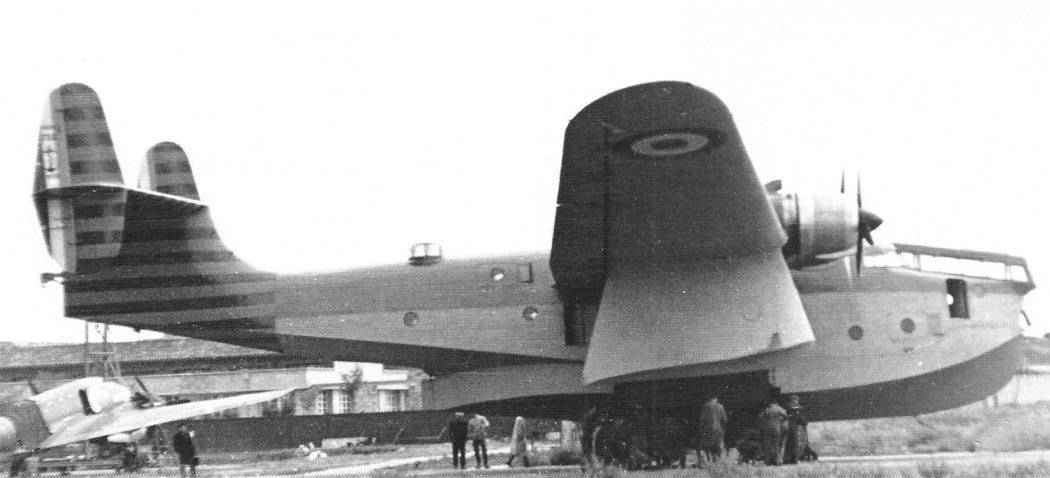
Each wing was equipped with one Gnome-Rhône 14N2 and one 14N3 engine, whose propellers rotated in opposite directions. Both engine types had the same power output of 1010 hp at an altitude of 1500 meters. The intended armament consisted of one 25mm cannon in a turret above and behind the pilot’s cockpit, and five 7.5mm Darne machine guns. Two machine guns fired from hatches under the cockpit, two more from hatches behind the wing, and one downward through a hatch behind the rear step.
Maiden Flight and Wartime Challenges
The Br.730-01 prototype first flew in Le Havre on April 4, 1938. Just over three months later, the flying boat broke up when the pilot carelessly landed it in heavy seas. Despite this accident, an order for four production aircraft was placed in early 1939. On September 9, a contract for unlimited production of this type of flying boat was added.
However, in the spring of the following year, it was decided that since flying boats largely operated outside the range of land-based enemy fighters, losses would be minimal, and the order should be reduced so that Bréguet could concentrate efforts on producing more essential types of combat aircraft. At this time, the Latécoère company factory, then associated with Bréguet, had just begun manufacturing the fuselage of the first production aircraft. The flying boat differed from the prototype only in minor details. By the time of the armistice on June 25, 1940, when production ceased, four fuselages were almost complete.
Post-War Service and Legacy
In 1941, work resumed, this time by order of the Vichy government. The following year, the hull of the first production aircraft and the preserved wing of the prototype were transported to the naval air base at Berre, where they were assembled into a single unit, resulting in the Br.730 No. 1. Equipped with four Gnome-Rhône 14 N44/45 engines of 1120 hp, the flying boat was ready for flight when German troops occupied the territory previously under Vichy control. Tests did not take place.
At the same time, the factory in Toulouse quietly continued work on subsequent aircraft, in case the Luftwaffe showed interest in them. However, the pace of work was quite high, considering the deportation of workers from the factory to Germany.
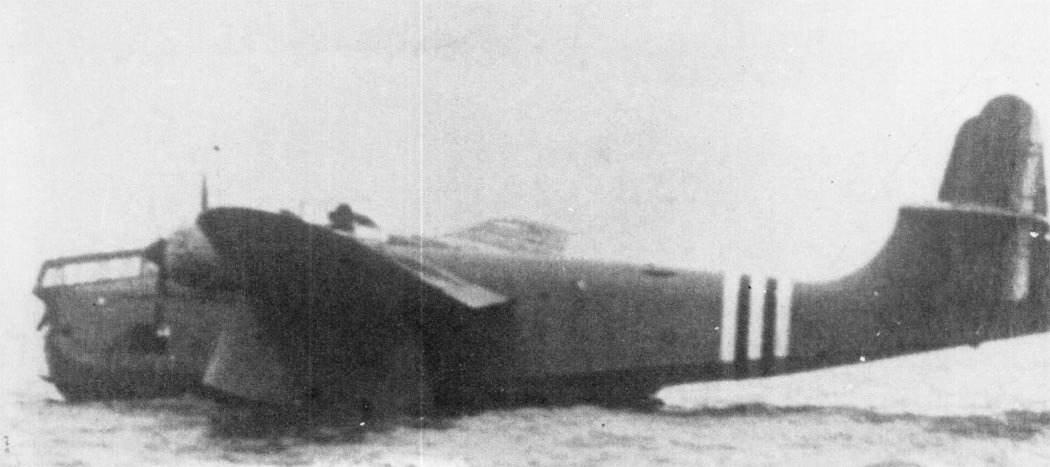
Eleven hulls were at various stages of assembly when an Allied air raid caused extensive damage to the facility on April 6, 1944. Only three survived. In the last days of August, retreating German forces destroyed the Berre airbase, but Br.730 No.1 sustained only minor damage. In December, its flight tests began on Lake Berre.
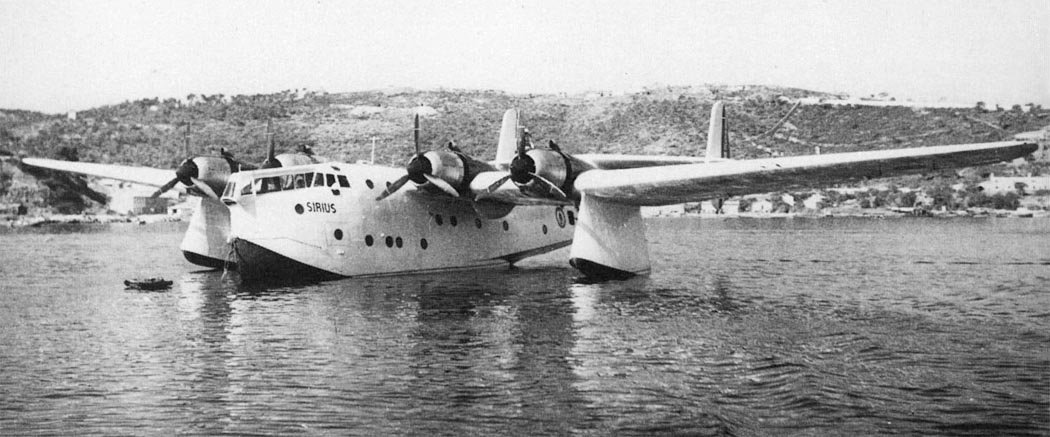
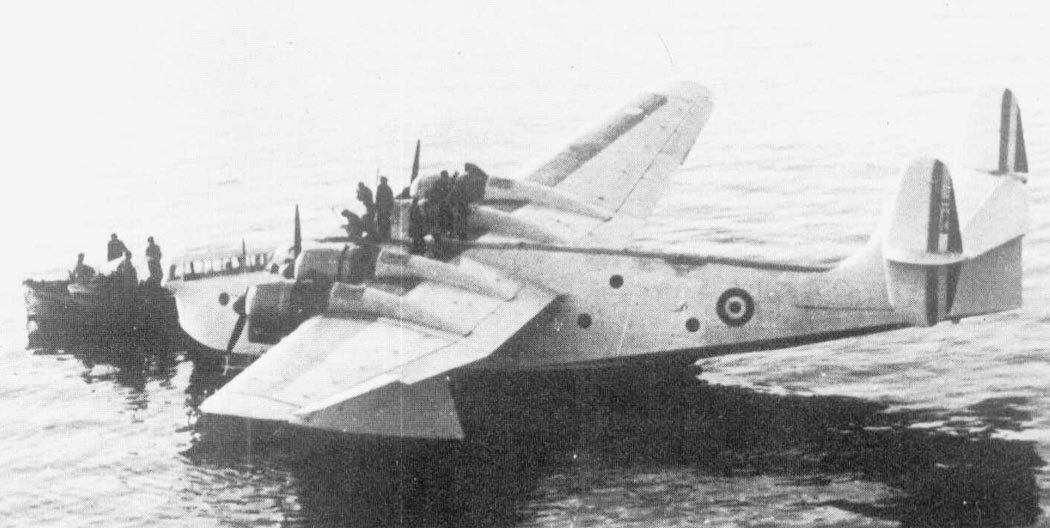
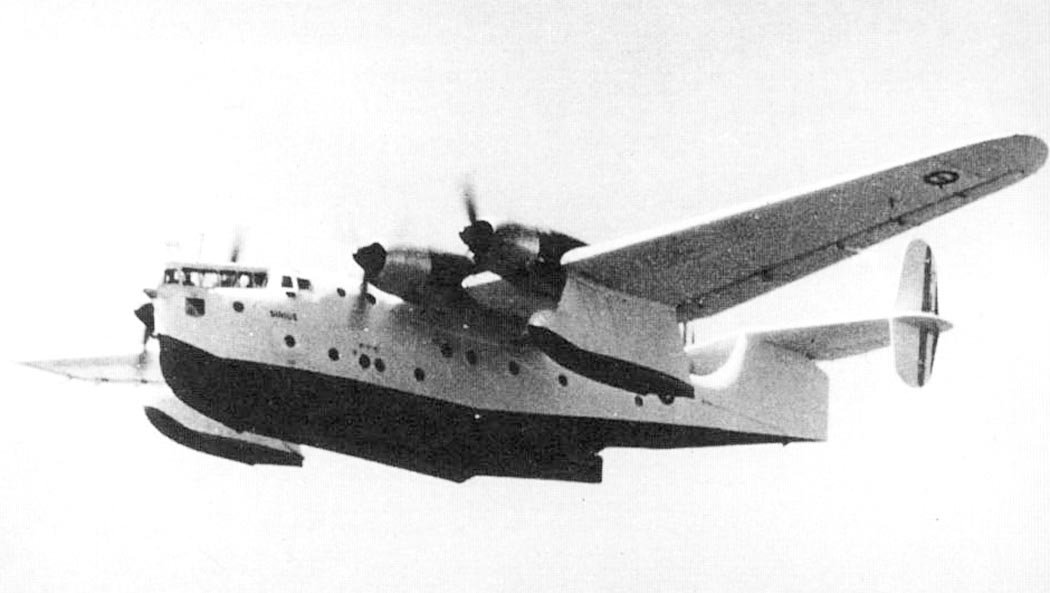
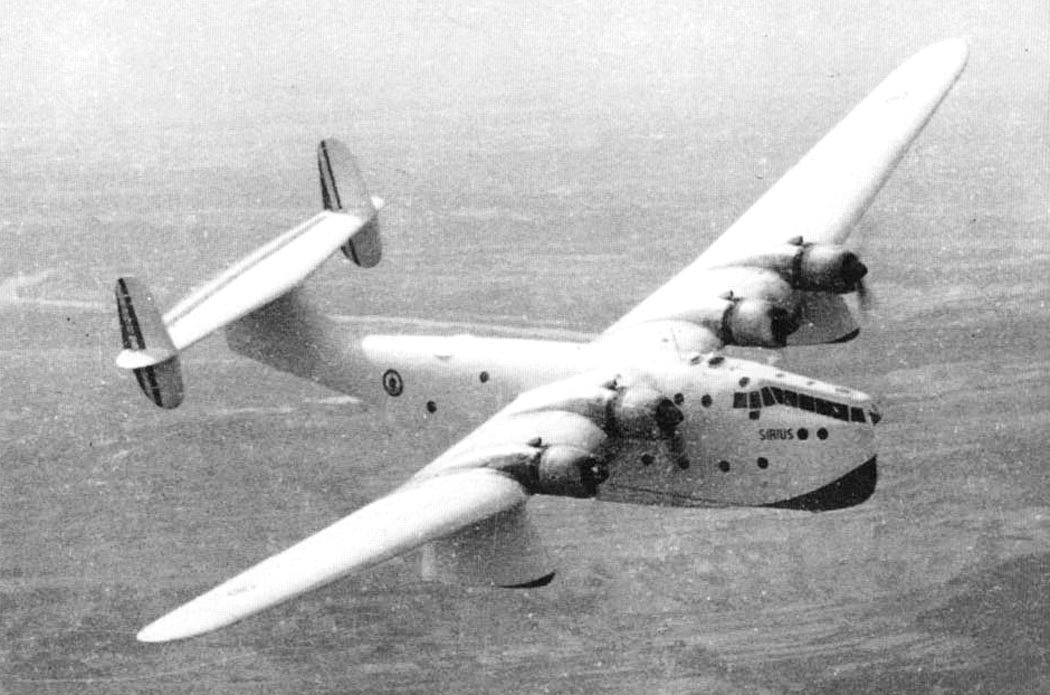
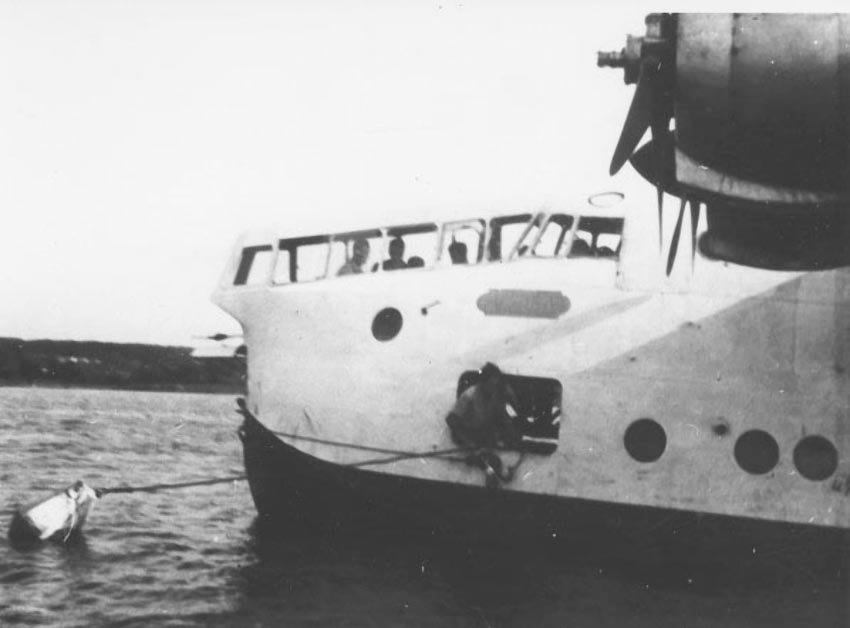
Official acceptance trials concluded in mid-February 1945. Br.730 No. 1, christened “Vega,” was transferred to Flotilla 9FTr. One of the three fuselages that survived the bombing was transported to Biscarrosse for completion as Br.730 No.2. This aircraft made its first flight in May 1946. The two remaining flying boats had their nose sections and underwing floats redesigned, and were fitted with Gnome-Rhône 14R200/201 engines, each producing 1350 hp. This modification was designated Br.731.
Both aircraft of this type entered Squadron 33S under the names “Altair” and “Bellatrix.” They were later scrapped, as was Br.730 No.2 “Sirius,” while “Vega” crashed in December 1948 in North Africa. It was used as a long-range transport aircraft.
Technical Specifications
| Modification | Br-730 |
| Wingspan, m | 40.35 |
| Length, m | 24.35 |
| Height, m | 8.60 |
| Wing area, m2 | 173.00 |
| Empty weight | 16100 |
| Normal takeoff weight | 28500 |
| Engine type | 4 Piston engine Gnome-Rhone 14N-44 |
| Power, hp | 4 x 1120 |
| Maximum speed, km/h | 330 |
| Cruising speed, km/h | 287 |
| Practical range, km | 6900 |
| Service ceiling, m | 5800 |
| Crew, crew members | 6 |
Image and diagram gallery of the Br.730
 Br.730 |
 Br.730 |
 Br.730 |
 Br.730 |
 Br.730 |
 Br.730 |
 Br.730 |
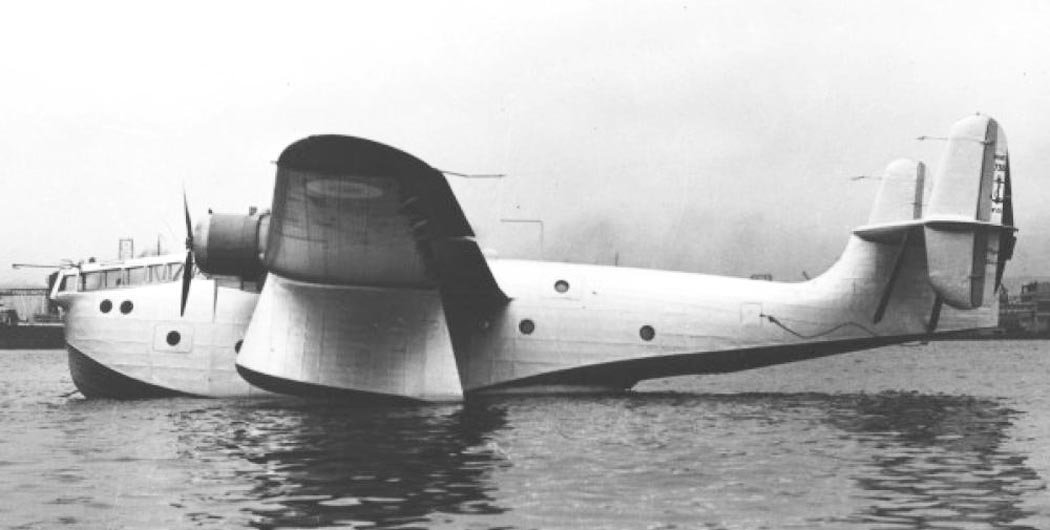 Br.730 |
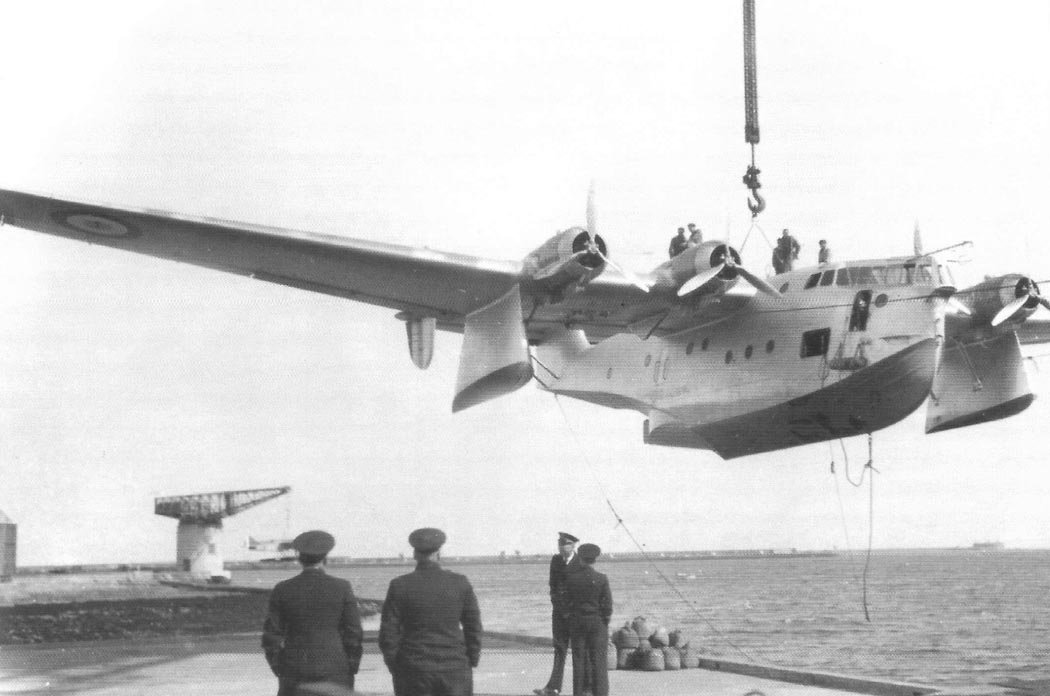 Br.730 |
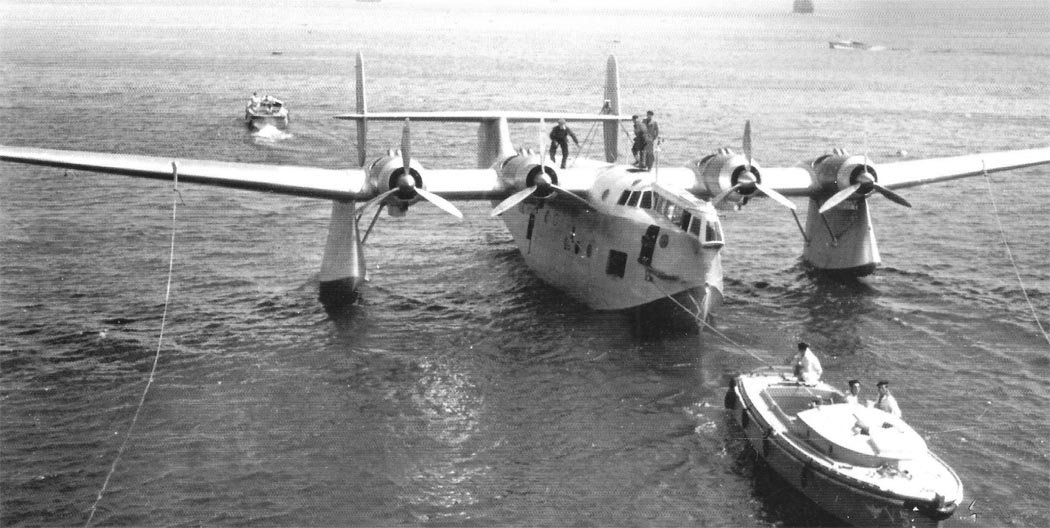 Br.730 |
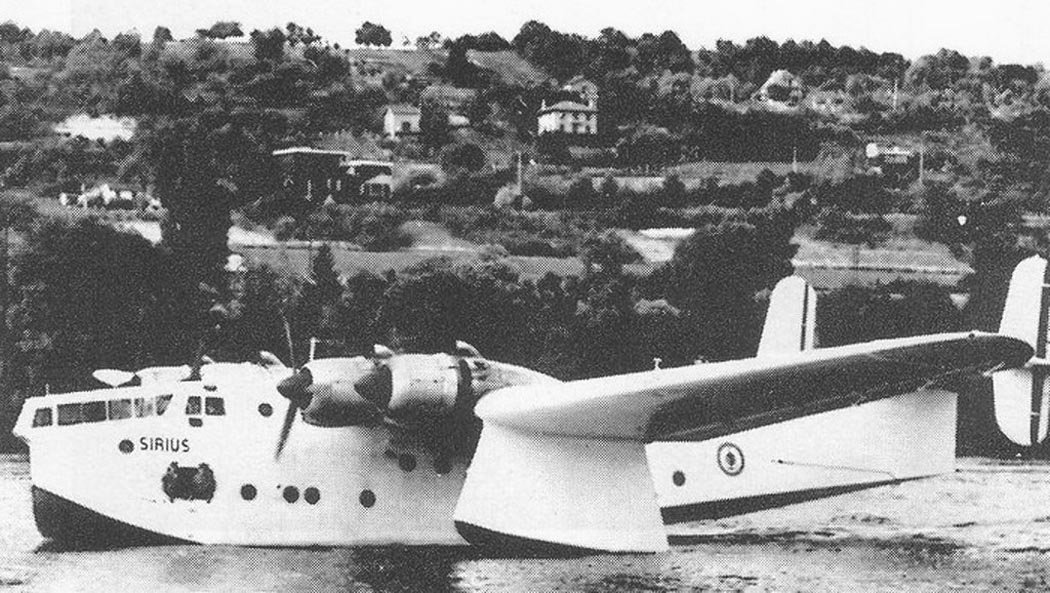 Br.730 |
 Br.730 |
 Br.730 |
 Br.730 |
 Br.730 |
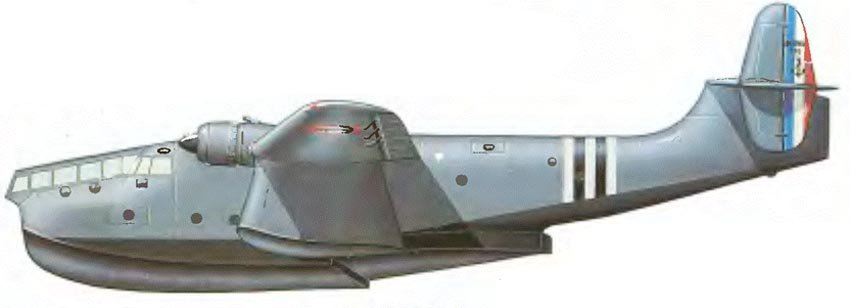 Br.730 |
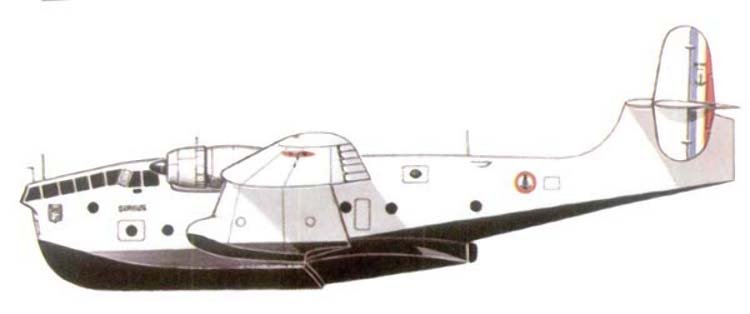 Br.730 |
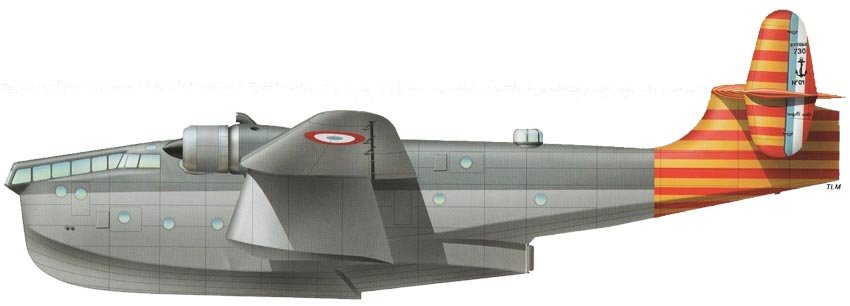 Br.730 |
ArchivoAéreo Editorial Team
A group of aviation researchers and enthusiasts dedicated to documenting and preserving global aeronautical history. All articles are reviewed to ensure historical accuracy.
Sources & Accuracy
The information presented in this technical sheet has been compiled from declassified flight manuals, historical archives, and specialized literature. While we strive for maximum accuracy, some performance data may vary depending on the specific variant or operational conditions.