Breda-Pittoni B.P.471
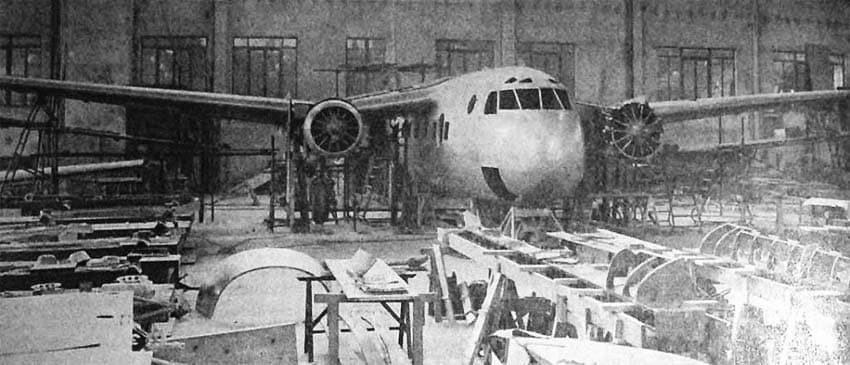
The Breda-Pittoni B.P.471 was a little-known yet charming and original Italian aircraft. Its intended roles included transport, passenger service, training (for pilot navigation, blind flying, etc.), and photo-reconnaissance. The design was conceived by engineer Mario Pittoni, who was also responsible for aircraft like the Breda 64/65 light bombers and the Breda 201 dive bomber—machines that, to be honest, were rather mediocre even by Italian standards.
Innovative Design and Features
The main distinguishing feature of this new aircraft was its W-shaped wing. This configuration was chosen for several reasons: to reduce the height of the main landing gear struts; to increase lateral stability and controllability (Pittoni had observed this firsthand with the Ba.201, and he also managed the wind tunnel at Breda); to enhance lift in the wing area between the fuselage and the engine nacelle; and to completely eliminate aerodynamic interference between the wing and the fuselage.
The B.P.471 was an all-metal aircraft, powered by American P&W R-1830-92 Twin Wasp engines, each delivering 1215 hp.
A Unique Prototype
The prototype aircraft (MM 61801) made its first flight in 1950. It remained the sole example produced and was utilized by the Italian Ministry of Defense as a transport plane for its internal needs.
Technical Specifications
| Modification | BP.471 |
| Wingspan, m | 23.00 |
| Aircraft length, m | 17.50 |
| Aircraft height, m | 5.75 |
| Wing area, m2 | 54.50 |
| Empty weight | 6060 |
| Maximum takeoff weight | 10000 |
| Engine type | 2 Piston engines Pratt & Whitney R-1830-92 Twin Wasp |
| Power, hp | 2 x 1215 |
| Maximum speed, km/h | 473 |
| Cruising speed, km/h | 415 |
| Practical range, km | 2000 |
| Practical ceiling, m | 7500 |
| Crew, crew members | 2 |
| Payload | up to 18 passengers or cargo |
Image and diagram gallery of the Breda-Pittoni B.P.471
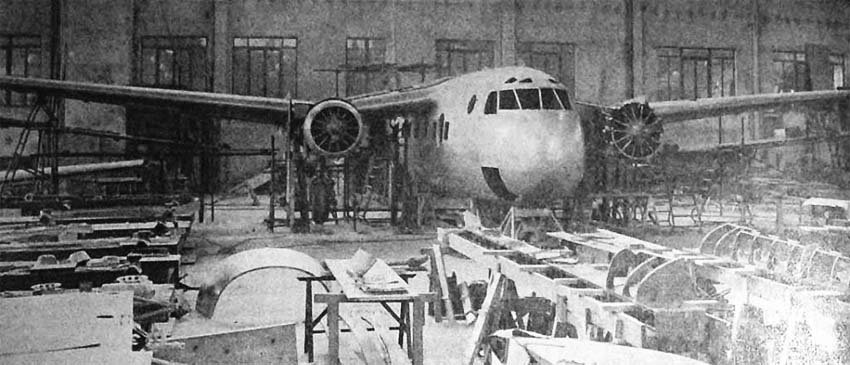 BP.471 |
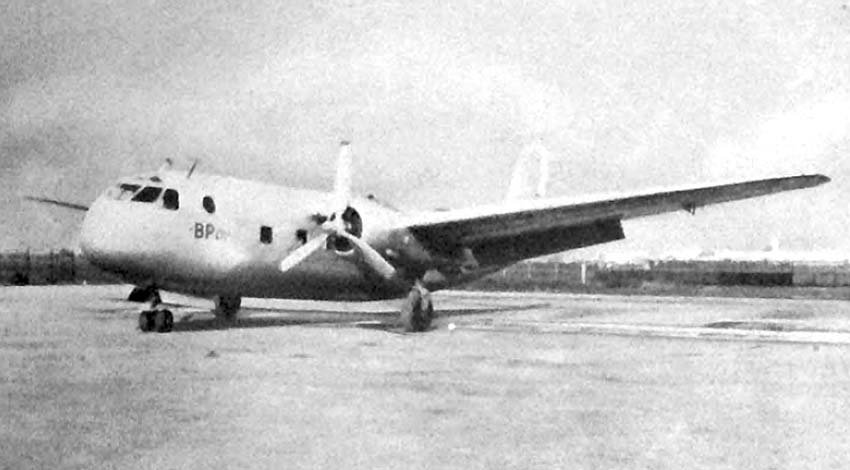 BP.471 |
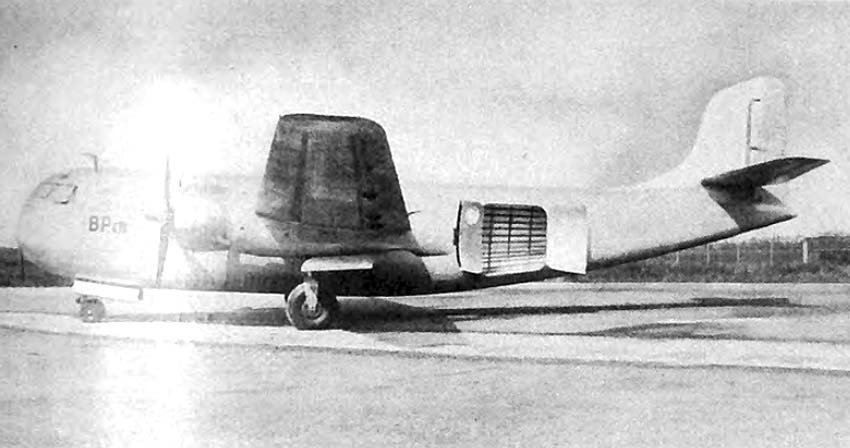 BP.471 |
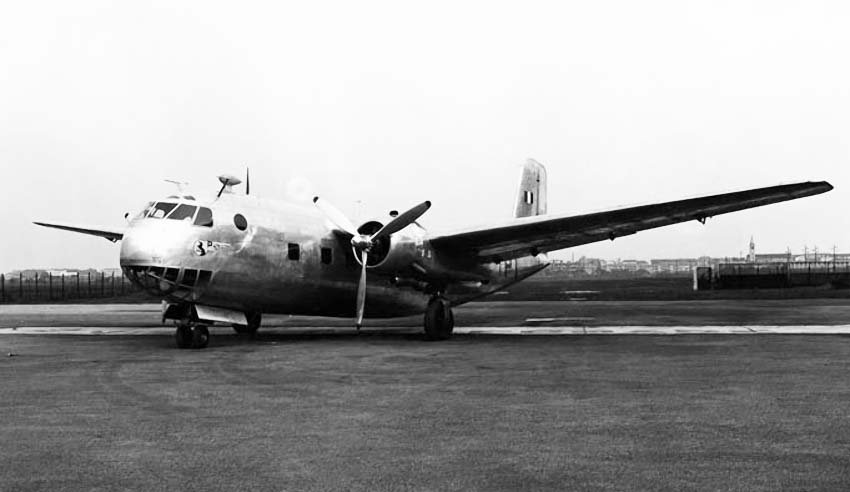 BP.471 |
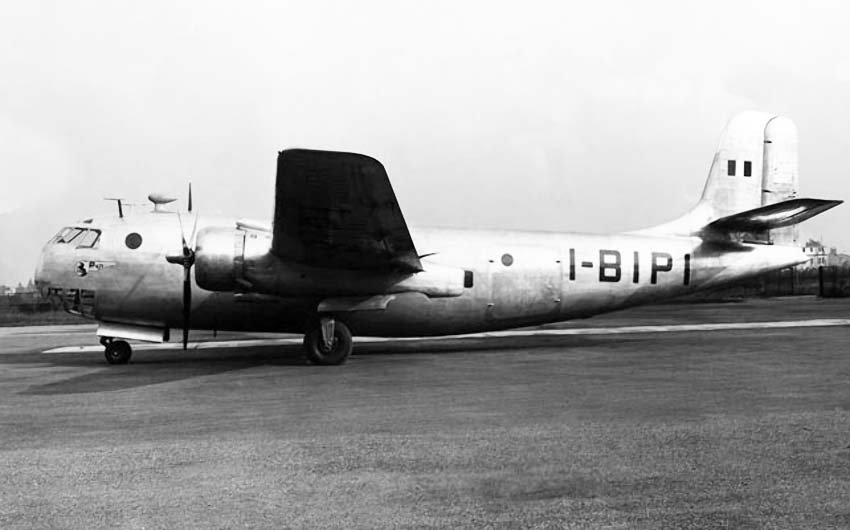 BP.471 |
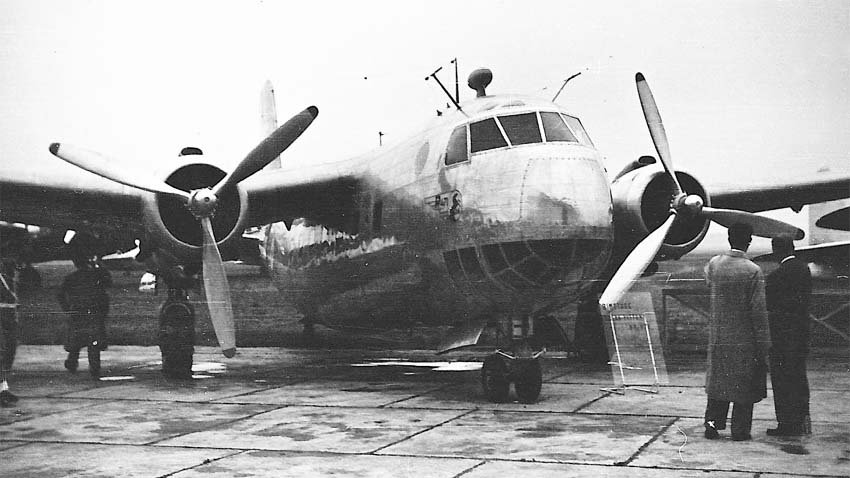 BP.471 |
ArchivoAéreo Editorial Team
A group of aviation researchers and enthusiasts dedicated to documenting and preserving global aeronautical history. All articles are reviewed to ensure historical accuracy.
Sources & Accuracy
The information presented in this technical sheet has been compiled from declassified flight manuals, historical archives, and specialized literature. While we strive for maximum accuracy, some performance data may vary depending on the specific variant or operational conditions.