Breese-Wilde 5
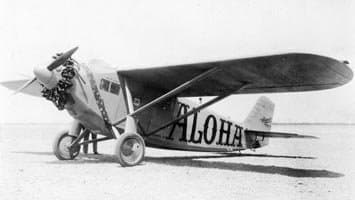
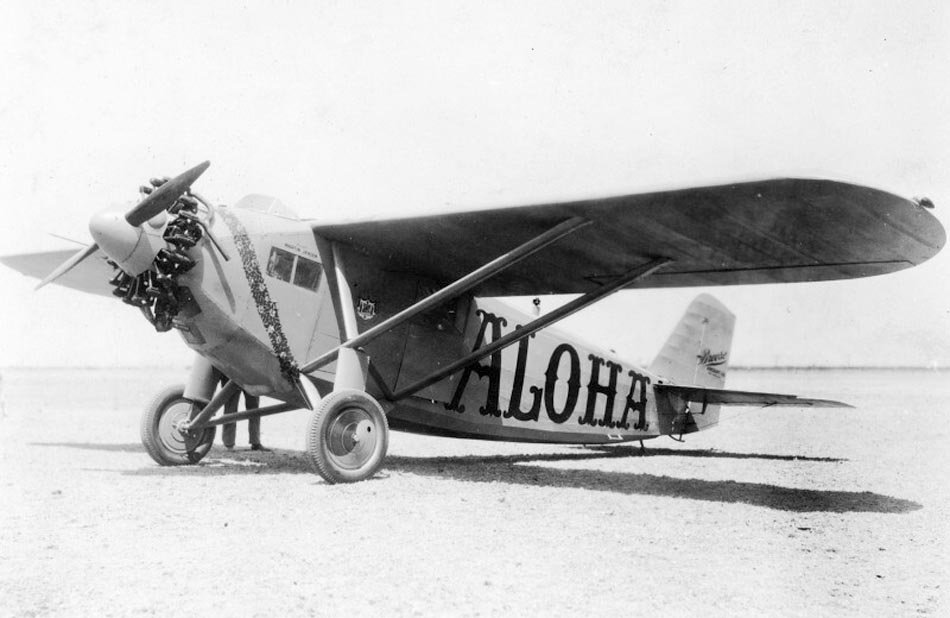
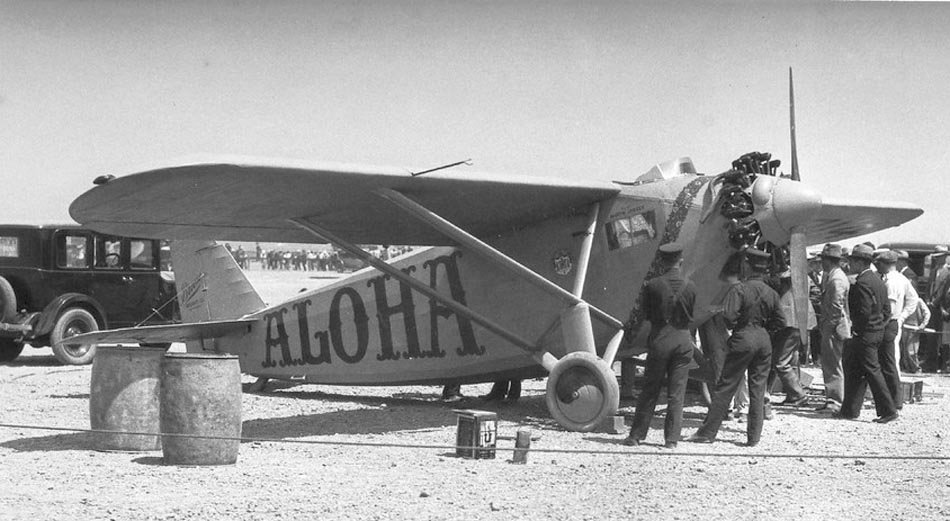
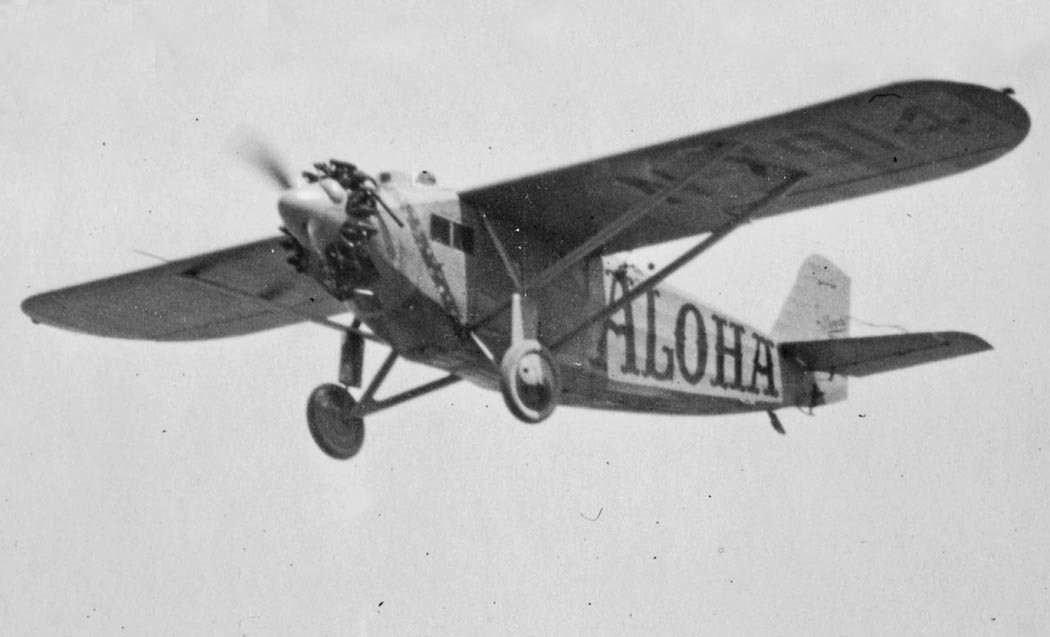
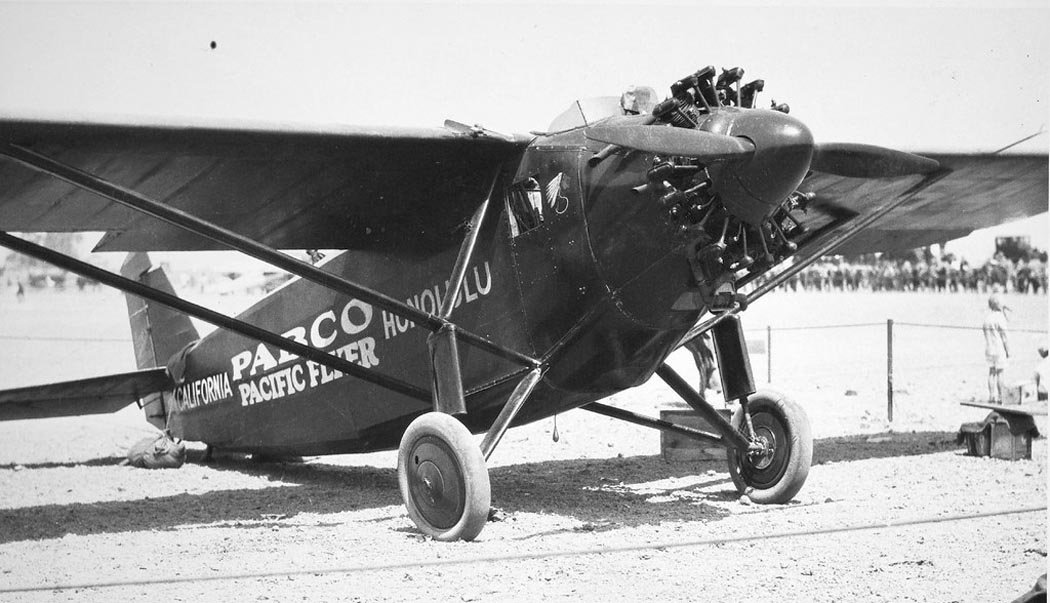
In 1927, the American company Breese Aircraft Co. of San Francisco changed its name to Breese-Wilde Aircraft Construction Co. The first project of the revamped company was a light transport aircraft, designated as the Breese-Wilde 5. This was a six-seat strut-braced high-wing monoplane, equipped with a single 220 hp Wright J-5-CA Whirlwind radial engine. The aircraft’s two pilots were located in an open cockpit above the wings, while three or four passengers were accommodated in an enclosed passenger cabin.
The Famous Dole Race
The aircraft gained widespread recognition after the Dole Race. James Drummond Dole, known as the “Pineapple King,” founded the Hawaiian Pineapple Company (HAPCO) and amassed a million-dollar fortune from fruit. Inspired by Charles Lindbergh’s successful transatlantic flight, Dole decided to organize an aerial race in the summer of 1927. The route would be from Oakland (California) to Honolulu (Hawaii), a significant challenge for all aviators backed by substantial prize money.
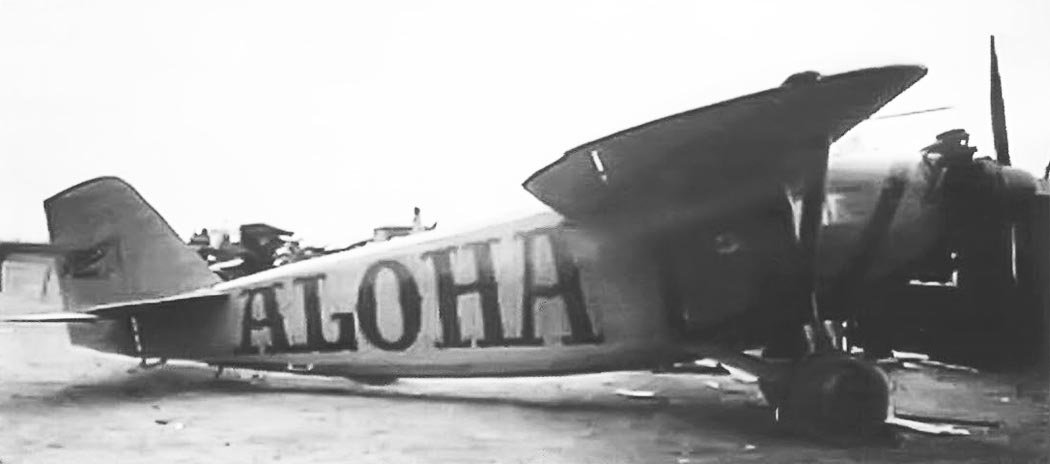
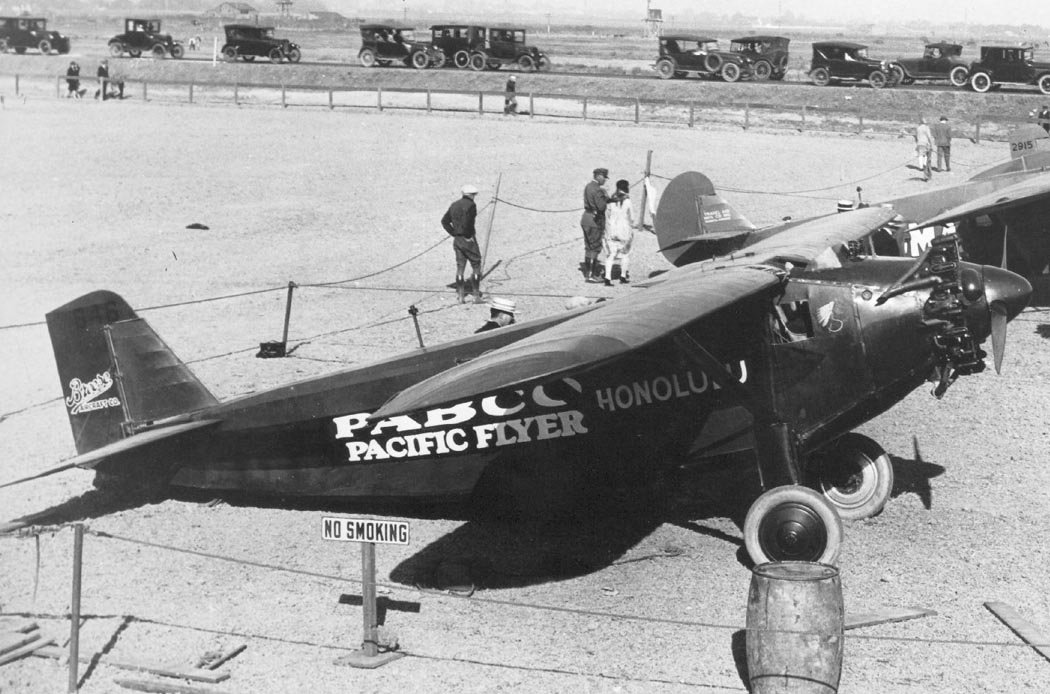
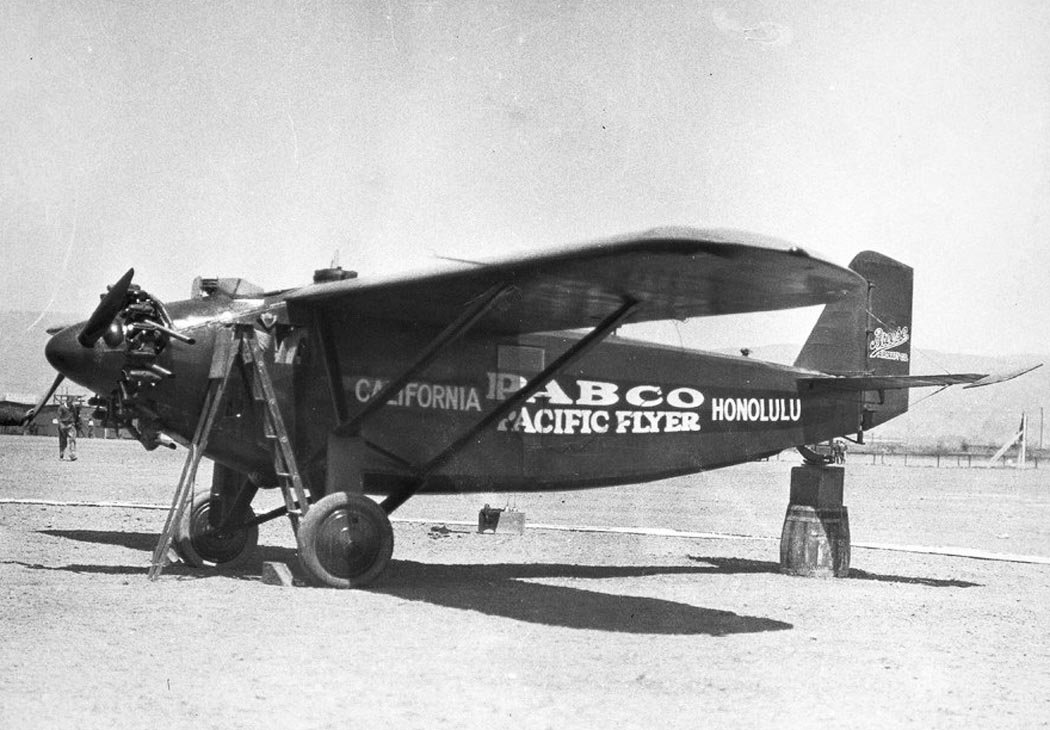
The winner was to receive 25,000 dollars (approximately 341,000 modern dollars), with 10,000 dollars (around 136,500 today) for second place. To participate in the races, Breese-Wilde built two machines: “Aloha” (NX914) and “Pabco Pacific Flyer” (NX646). The first aircraft, piloted by Martin Jensen, received the number “11,” while the second (pilot Livingston Irving) was assigned number “7.”
On one of these machines, the “Pabco Flyer,” the tank volume was successfully increased to 380 gallons. The crew of the second aircraft, “Aloha,” decided to take additional fuel in 49 jerry cans, which they used to fill the cabin floor.
Pacific Challenge: Flight Trials
On August 16, at 12:11 PM, the “Pabco Flyer” attempted to take off. Livingston Irving managed to lift the machine into the air, but it immediately fell into shallow water, sustaining minor damage. The aircraft was towed to the airfield, quickly repaired, and prepared for a repeat attempt.
However, the second attempt was again unsuccessful, and this time the aircraft suffered much more serious damage, breaking its landing gear and wing. The flight of the “Aloha” crew, who took second place in the race, went quite differently.
Without radio equipment, not rising above 30 meters, relying only on dead reckoning and visual navigation by landmarks, Martin Jensen and Paul Schlueter got lost. When they managed to correct their course by the Sun, time had already been lost – they lagged behind the winners by 1 hour and 58 minutes.
Post-Race Legacy
After the races, Breese-Wilde Aircraft built five more planes. One of these was purchased by Varney Air Lines, and another was bought by Irving and converted into the Irving Cabin (NC646).
Technical Specifications
| Modification | Breese-Wilde 5 |
| Wingspan, m | 12.50 |
| Length, m | 8.23 |
| Height, m | 3.20 |
| Wing area, m2 | 24.15 |
| Empty weight | 703 |
| Maximum takeoff weight | 2261 |
| Fuel capacity, l | 1100 |
| Engine type | 1 Piston engine Wright J-5-CA Whirlwind |
| Power, hp | 1 x 220 |
| Maximum speed, km/h | 217 |
| Cruising speed, km/h | 185 |
| Service ceiling, m | 4724 |
| Crew | 2 |
| Payload | 3-4 passengers |
Image and diagram gallery of the Breese-Wilde 5
 Breese-Wilde 5 |
 Breese-Wilde 5 |
 Breese-Wilde 5 |
 Breese-Wilde 5 |
 Breese-Wilde 5 |
 Breese-Wilde 5 |
 Breese-Wilde 5 |
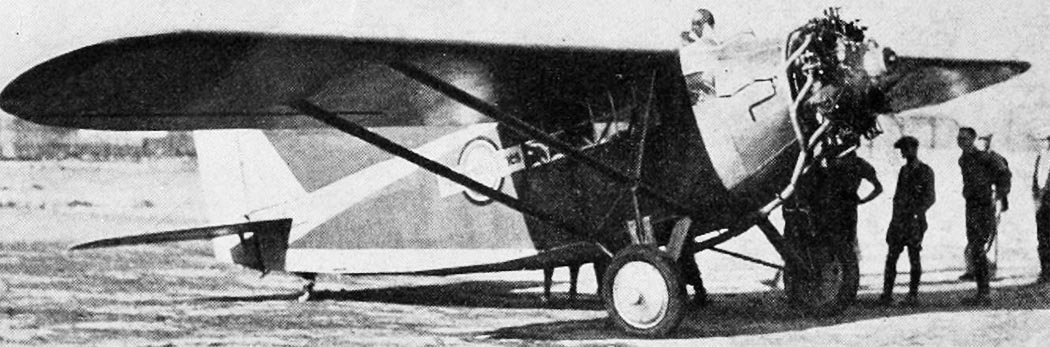 Breese-Wilde 5 |
ArchivoAéreo Editorial Team
A group of aviation researchers and enthusiasts dedicated to documenting and preserving global aeronautical history. All articles are reviewed to ensure historical accuracy.
Sources & Accuracy
The information presented in this technical sheet has been compiled from declassified flight manuals, historical archives, and specialized literature. While we strive for maximum accuracy, some performance data may vary depending on the specific variant or operational conditions.