Breguet 26
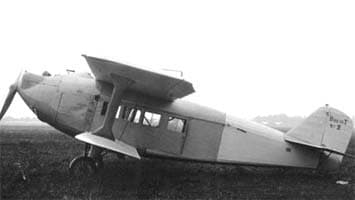
The Br.26 was an aircraft developed by the French firm Societé Anonyme des Atelliers d’Aviation Louis Breguet. It was based on the design of the Breguet 19, but featured a new fuselage and a different engine.
This model served as a light transport aircraft, capable of carrying up to six passengers. It was initially equipped with a Gnome-Rhone Jupiter 9Ab engine, delivering 420 hp.
First Flight and Variants
The aircraft’s maiden flight took place in mid-1926. The first example was followed by a second variant, powered by a Lorraine 12Ed engine producing 450 hp.
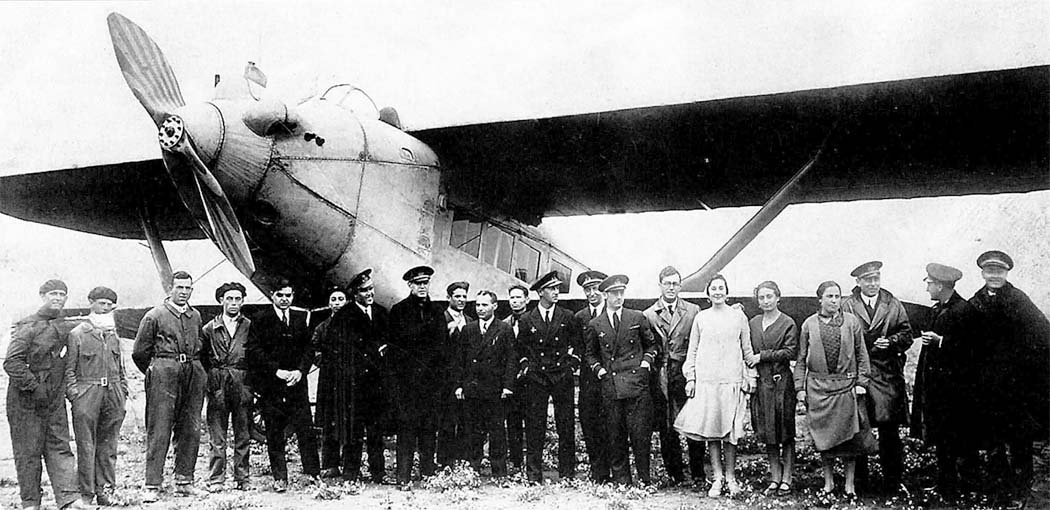
Subsequently, this second aircraft was handed over to the Republican forces in Spain, playing a role in their internal conflict.
Production and Service
A total of four Bre.26T examples were built. Of these, two were manufactured under license by the CASA firm, intended for civil clients and capable of transporting six passengers.
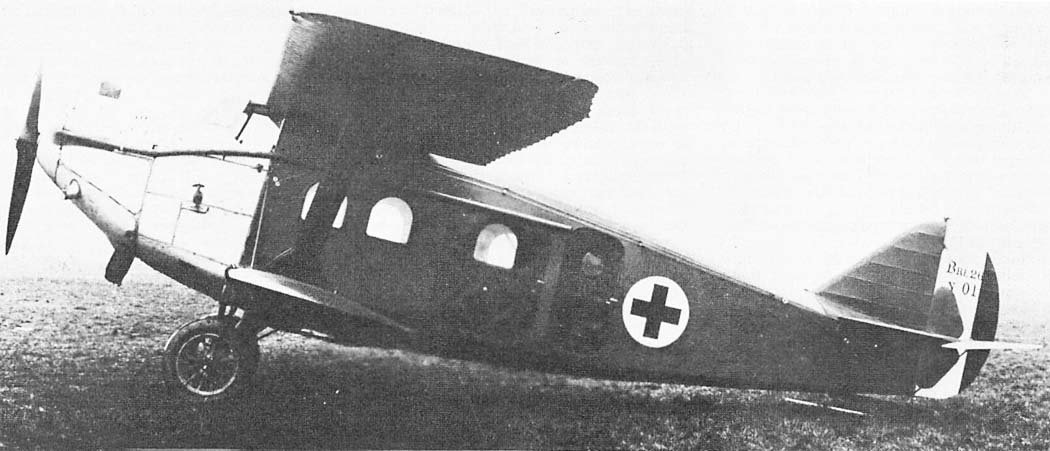
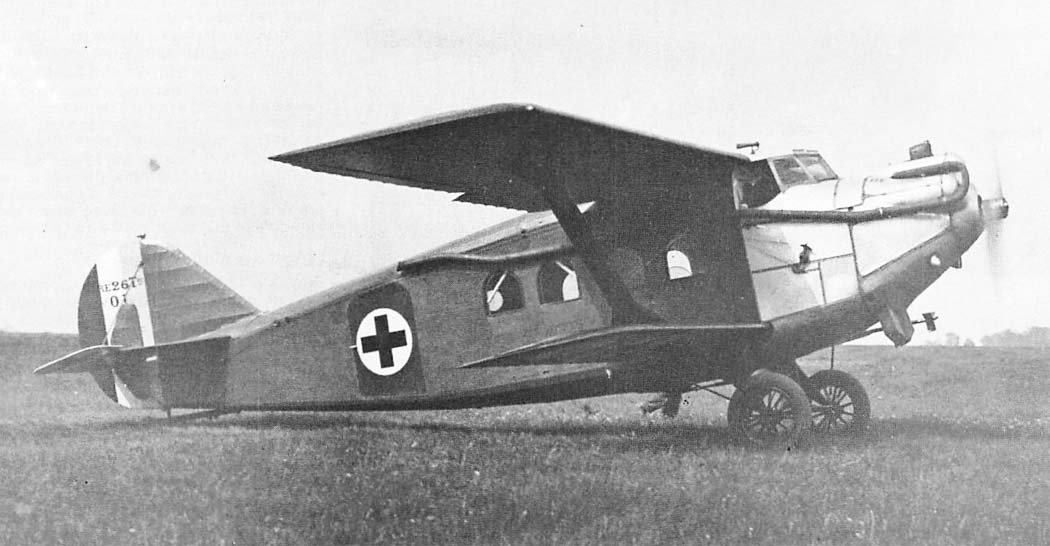
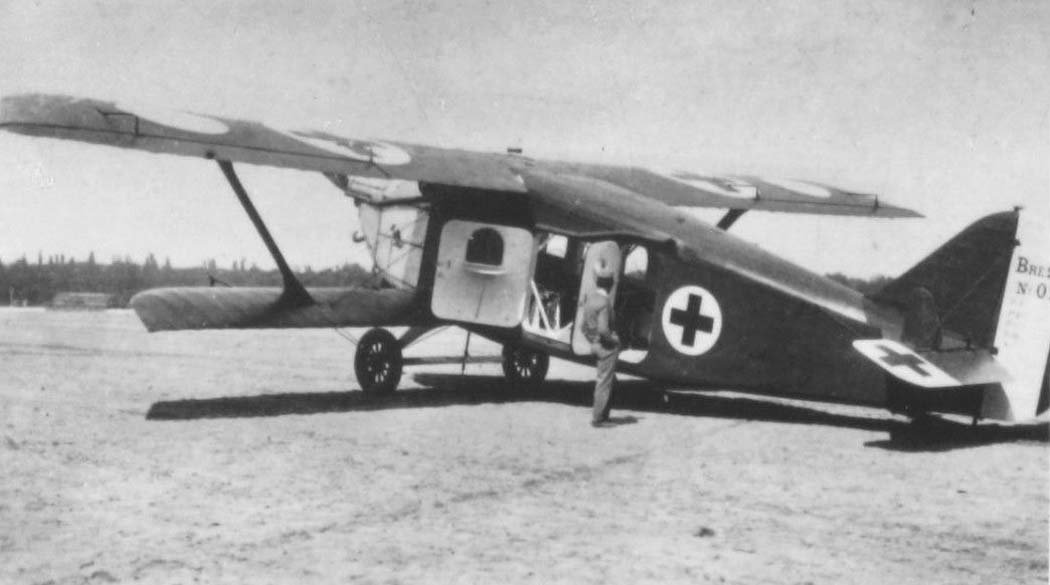
The two remaining aircraft, in their ambulance variant (Bre.26TSbis), were supplied to the French Air Force, where they served for evacuation and medical transport purposes.
Technical Specifications
| Modification | Br.26T |
| Wingspan, m | 16. 80 |
| Length, m | 11.00 |
| Wing area, m2 | 50.50 |
| Empty weight | 1412 |
| Maximum takeoff weight | 3055 |
| Engine type | 1 Piston engine Gnome-Rhone Jupiter 9Ab |
| Power, hp | 1 x 420 |
| Maximum speed, km/h | 206 |
| Cruising speed, km/h | 1 85 |
| Practical range, km | 820 |
| Service ceiling, m | 5000 |
| Crew, crew members | 2 |
| Payload: | 6 passengers |
Image and diagram gallery of the Breguet 26
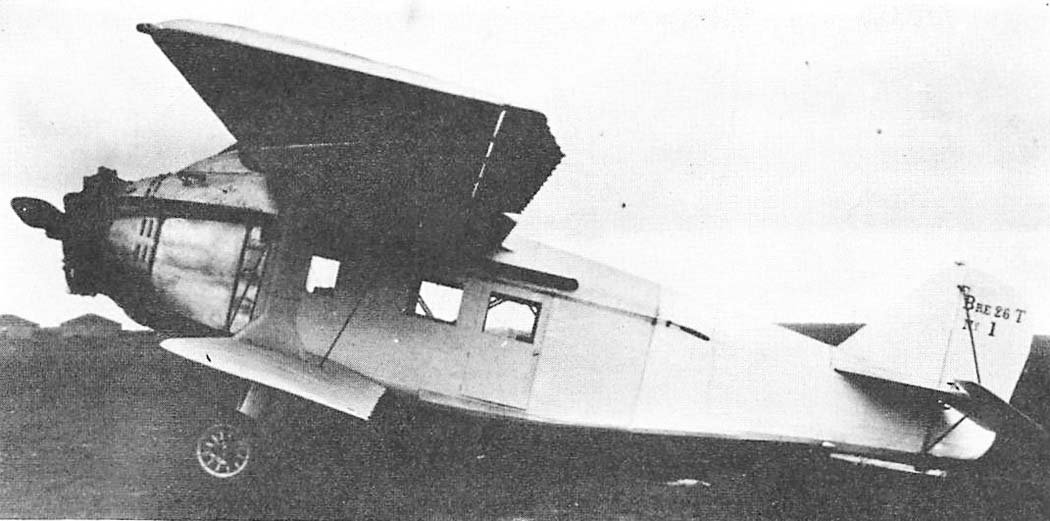 Br.26 |
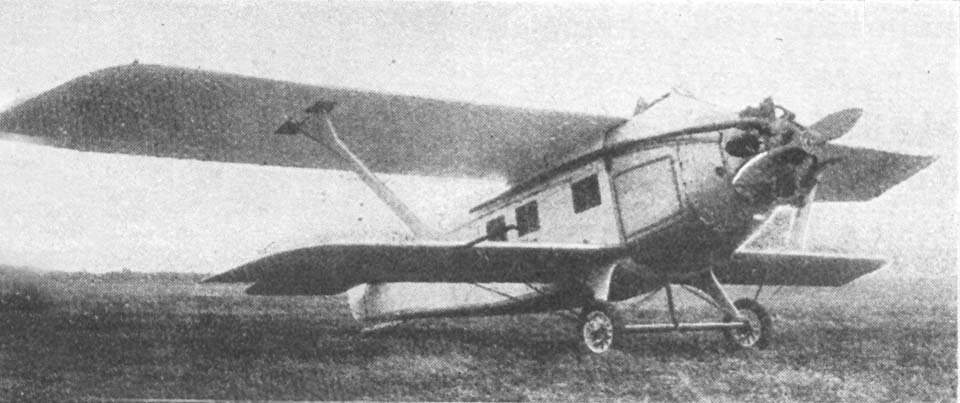 Br.26 |
 Br.26 |
 Br.26 |
 Br.26 |
 Br.26 |
 Br.26 |
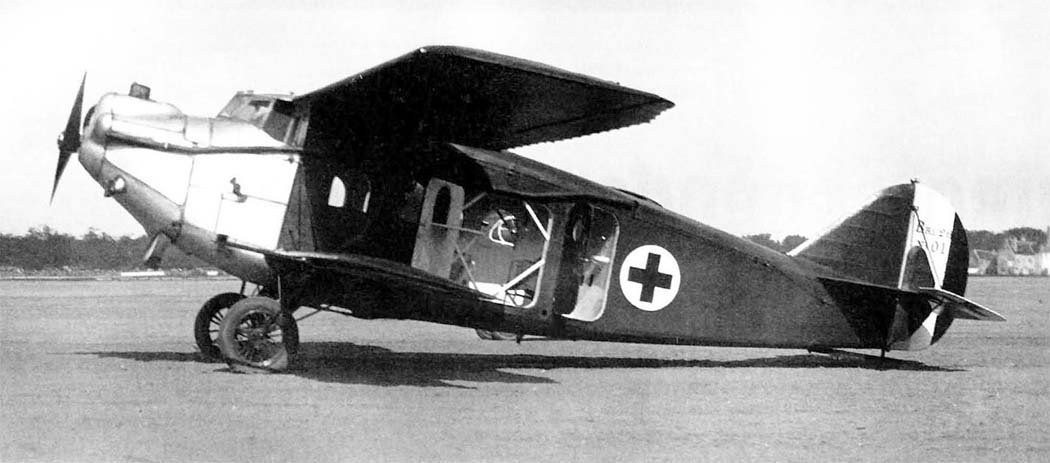 Br.26 |
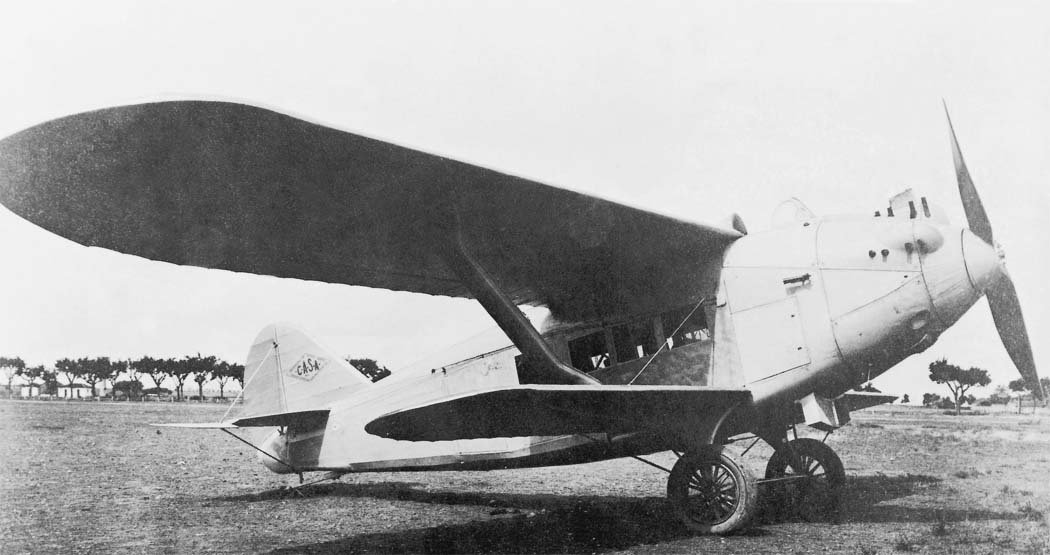 Br.26 |
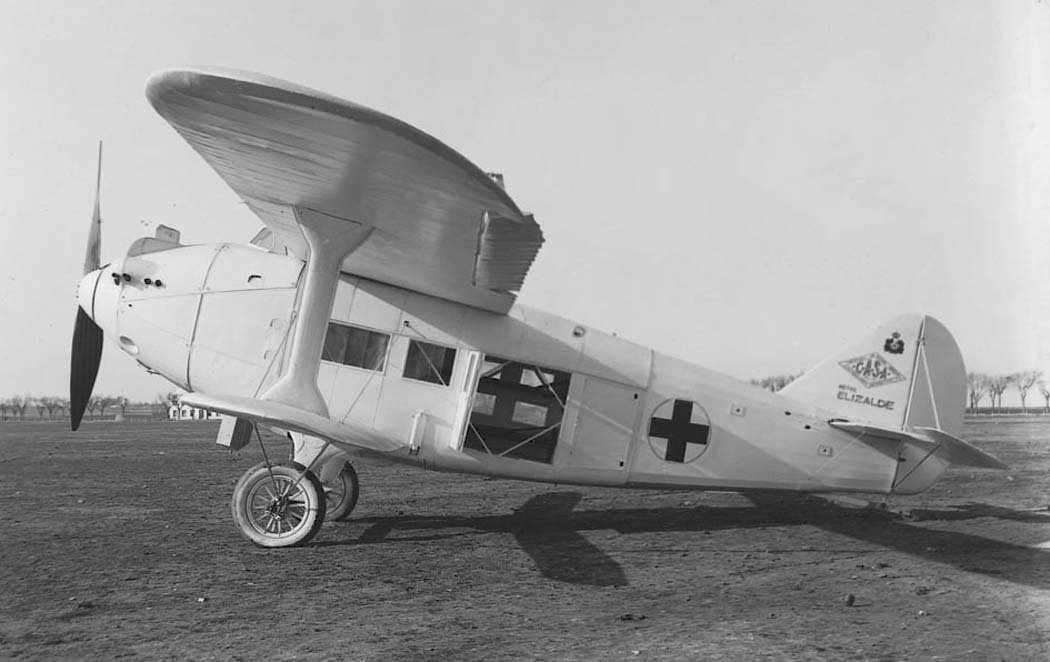 Br.26 |
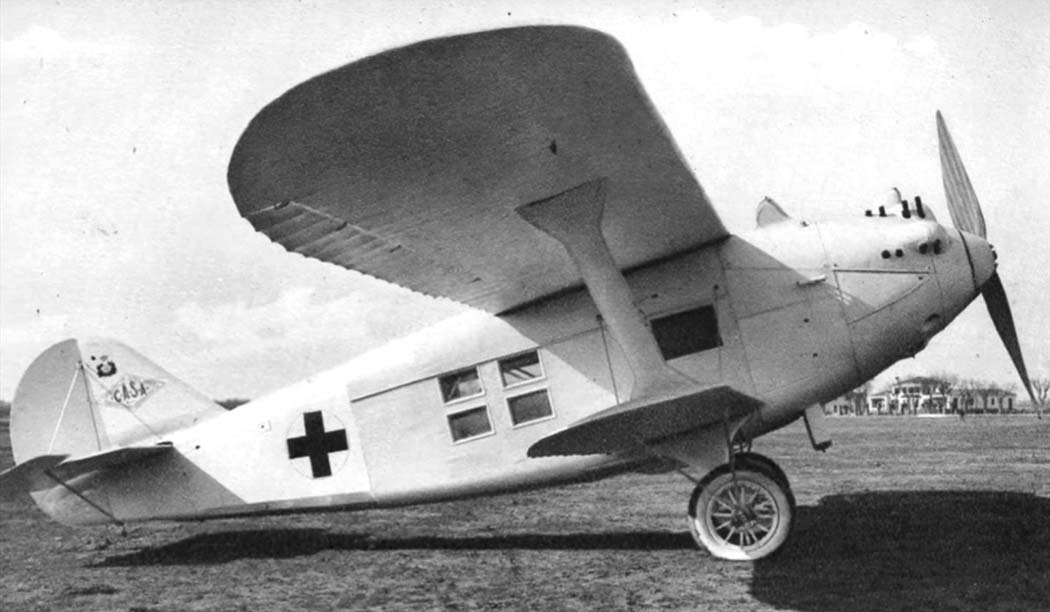 Br.26 |
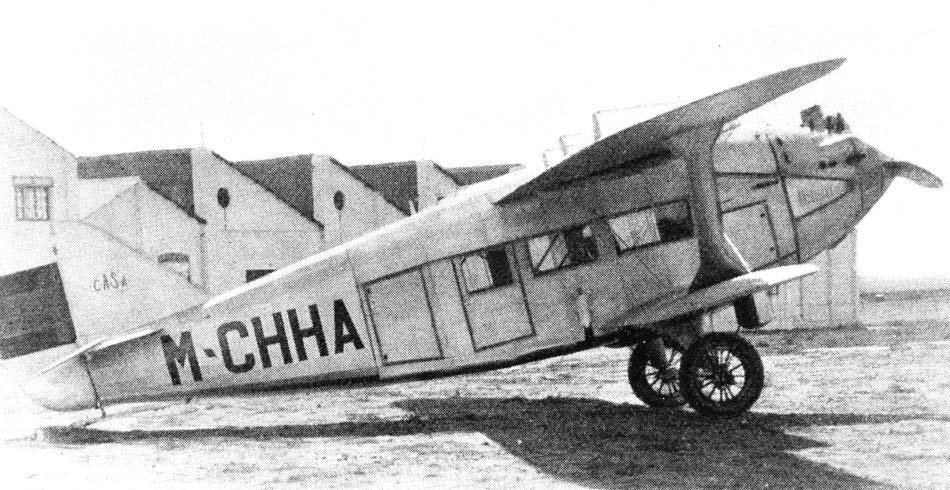 Br.26 |
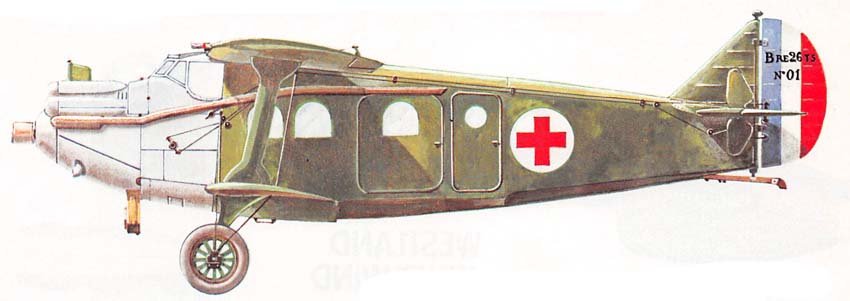 Br.26 |
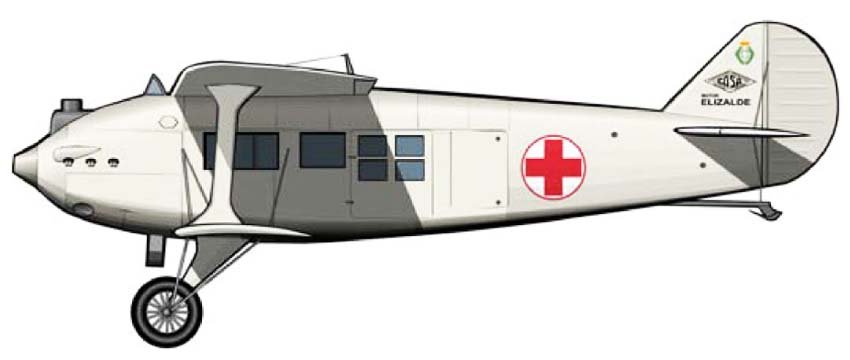 Br.26 |
ArchivoAéreo Editorial Team
A group of aviation researchers and enthusiasts dedicated to documenting and preserving global aeronautical history. All articles are reviewed to ensure historical accuracy.
Sources & Accuracy
The information presented in this technical sheet has been compiled from declassified flight manuals, historical archives, and specialized literature. While we strive for maximum accuracy, some performance data may vary depending on the specific variant or operational conditions.