Breguet 393T
Louis Breguet (1880-1955), an aviation pioneer, built his first aircraft in 1909. By 1911, he achieved a world-first by carrying over 10 people on his machine, though it was a record flight with passengers crammed on wings and fuselage. During WWI, Breguet developed the robust and reliable Breguet XIV, a versatile multi-purpose aircraft used as a light bomber and reconnaissance plane, with around 8,000 units produced.
After the war, the Breguet XIV became one of France’s first transport aircraft. In 1919, Lignes Aériennes Latécoère began using it for flights from France to Morocco. The same year saw the introduction of a specialized passenger variant, the Breguet XIVT. Breguet also founded his own airline, CMA (Compagnie des Messageries Aériennes), which later merged into Air Union in 1923.
The Breguet XIX also found use in civil aviation, succeeding the Model 14. In 1928, Breguet developed the successful single-engine Bre.26T airliner, capable of carrying six passengers. This was followed by the improved eight-seat Bre.28T, which gained significant popularity among French airlines due to its high level of passenger comfort.
Development of the Bre.39T Airliner
Breguet made his first attempt at a multi-engine airliner in 1923 with the 20-seat Bre.20 Leviathan. This aircraft appeared single-engined because its tandem-mounted engines were hidden in the forward fuselage, driving a single propeller. However, this initial multi-engine endeavor proved unsuccessful.
In 1930, at the request of a major client, Air Union, Breguet began developing the three-engine biplane Bre.39T. Six of these aircraft were intended to replace the Latécoère 25 and Latécoère 28 on the African route. The prototype, Bre.391T, featured an all-metal fuselage and made its maiden flight on January 30, 1931.
Unfortunately, the Bre.391T’s flight was short-lived; it crashed near Dijon on July 3, killing the test pilot, due to a propeller blade detaching from one of the wing engines. This disaster delayed further development. The second prototype, Bre.392T (registration F-AMOD), equipped with Hispano-Suiza engines, appeared only in 1933 but was found to be overweight and did not enter production.
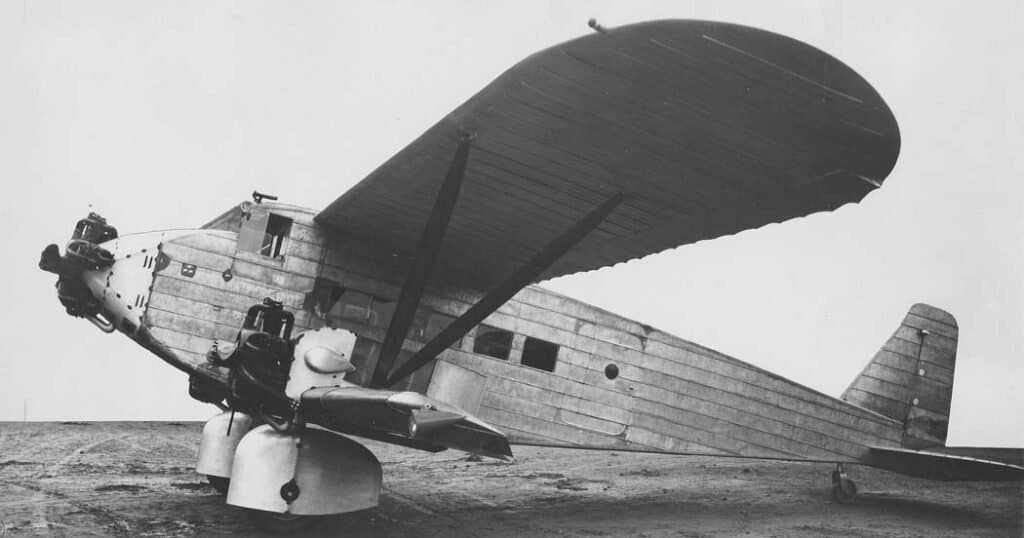
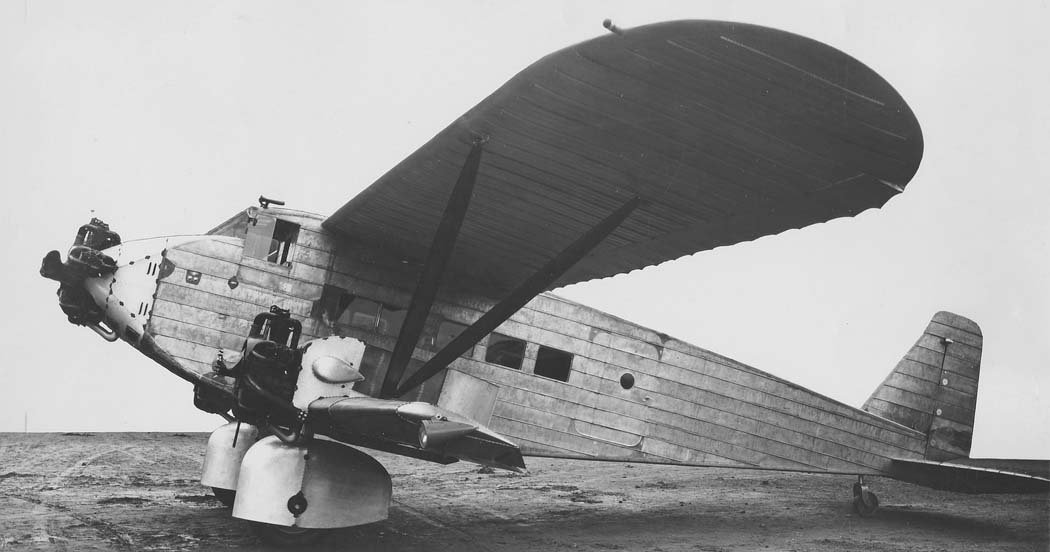
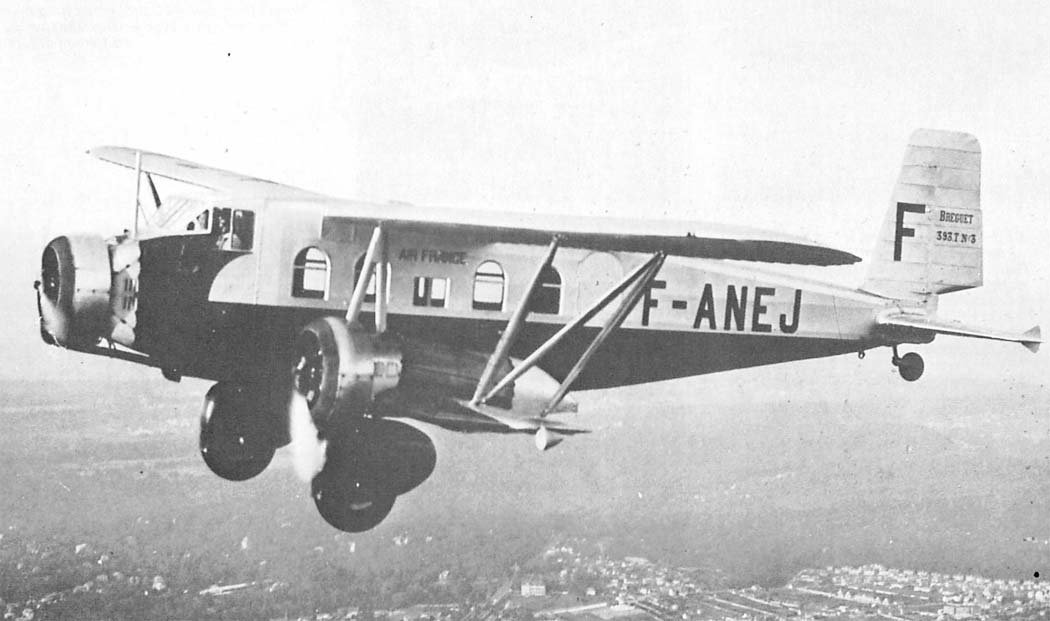
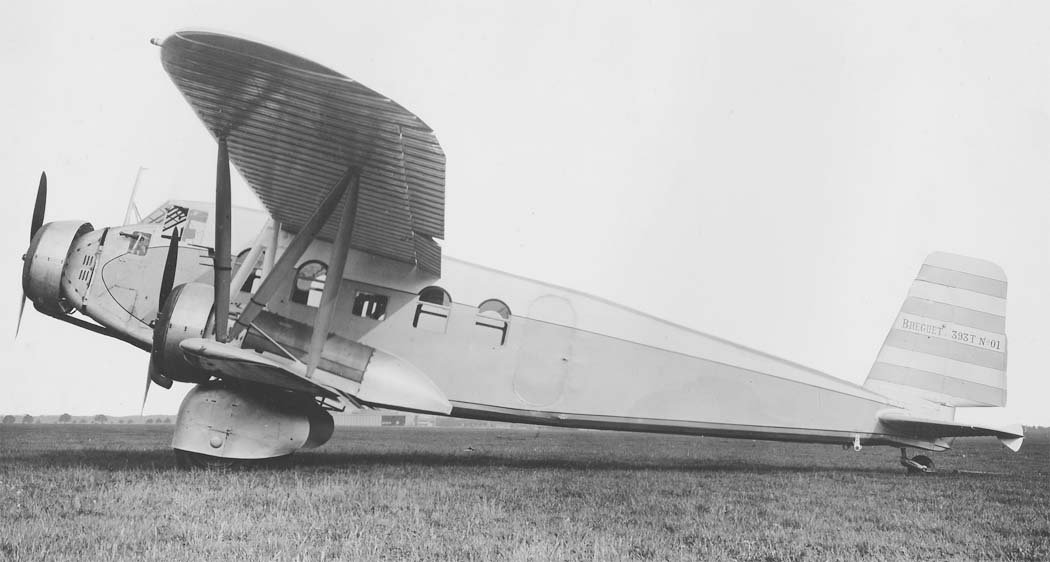
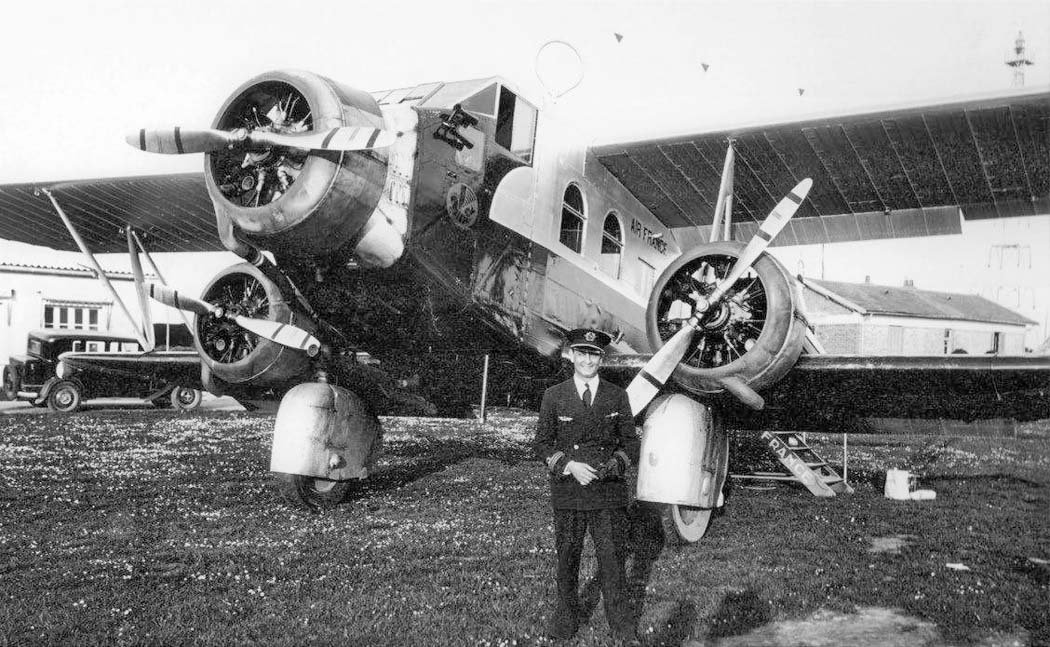
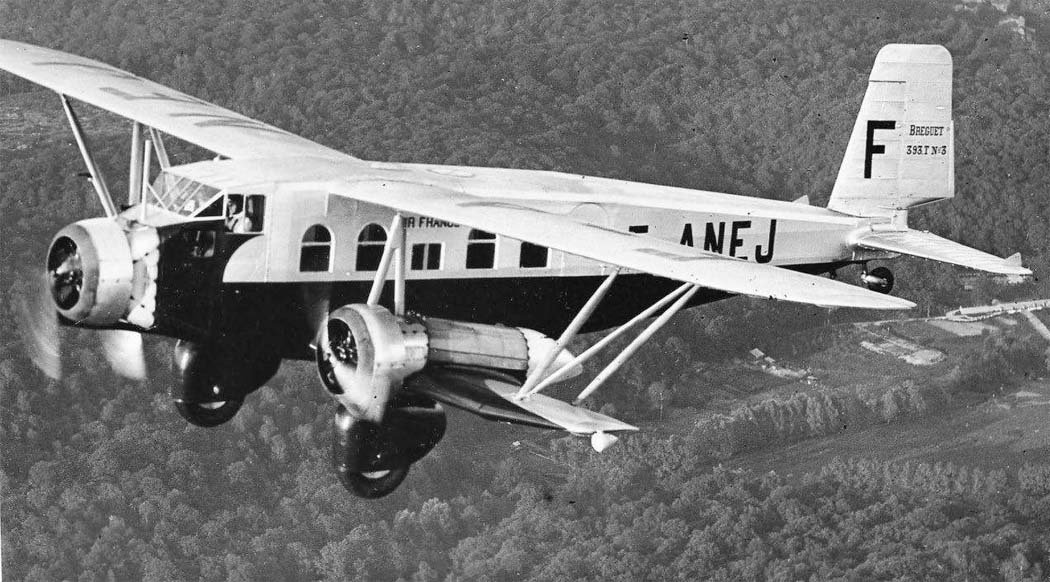
Only the third prototype, Bre.393T (F-ANEH), proved structurally successful. It was fitted with more powerful Gnôme Rhône 7Kd Titan Major engines. The metal fuselage skin was replaced with fabric, interplane struts were redesigned, and a tailwheel and fairings for the main landing gear wheels were installed.
Operational Service and Technical Specifications
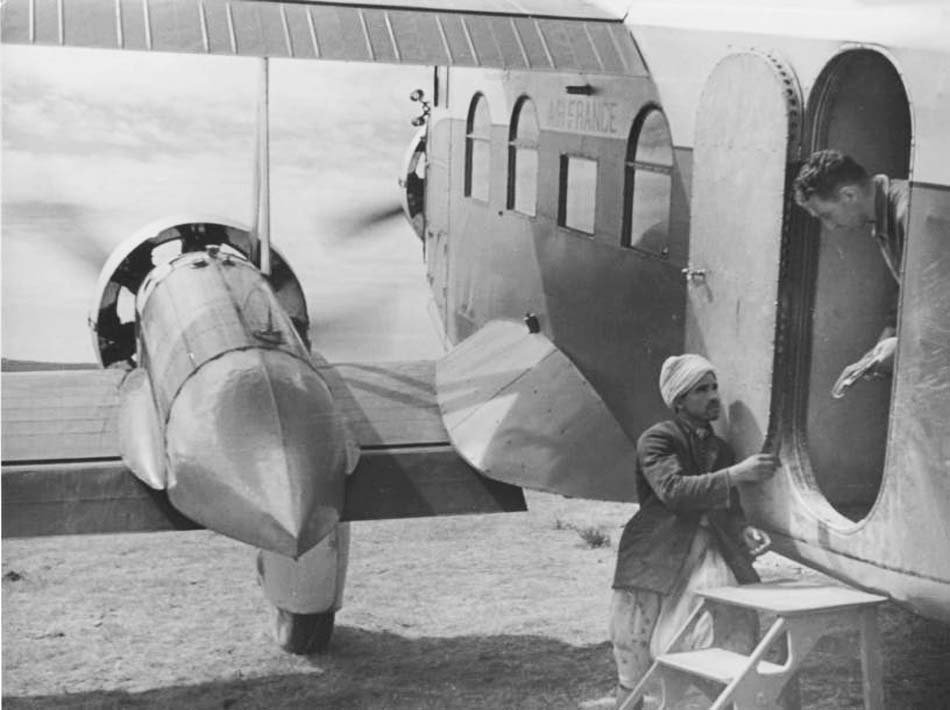
While the Air Union order was being fulfilled, French air transport underwent reorganization. Consequently, the completed aircraft were delivered to the newly formed Air France. Commercial flights commenced in July 1934, with the airliner deployed on the Toulouse-Casablanca route, making stops in Barcelona and Alicante in Spain. From Casablanca, passengers could connect to South Africa via other Air France planes.
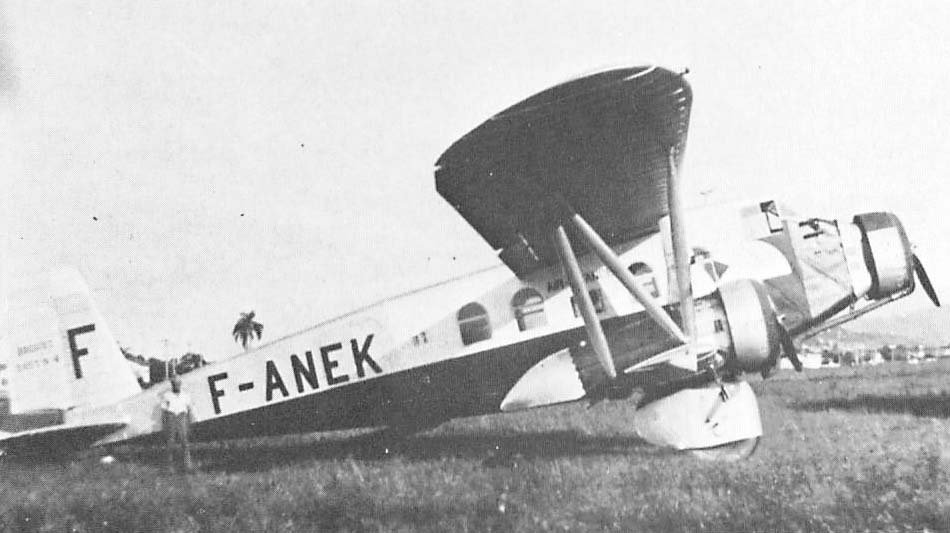
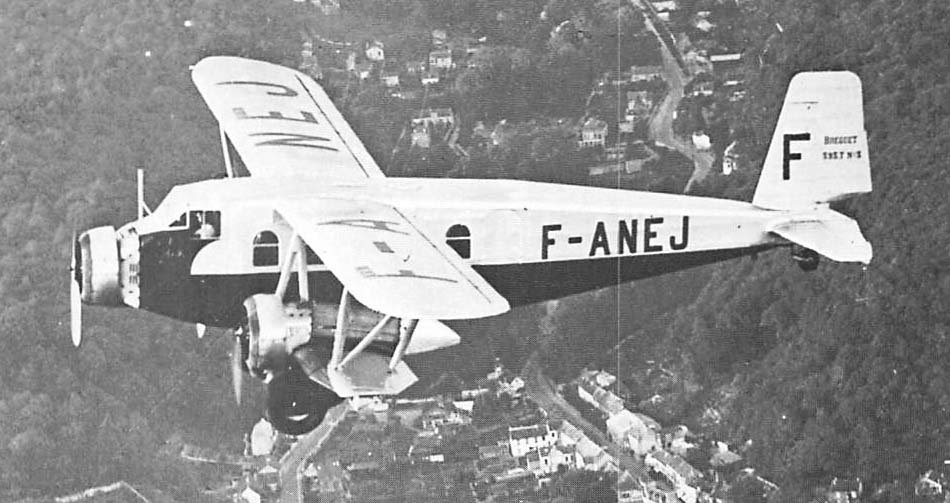
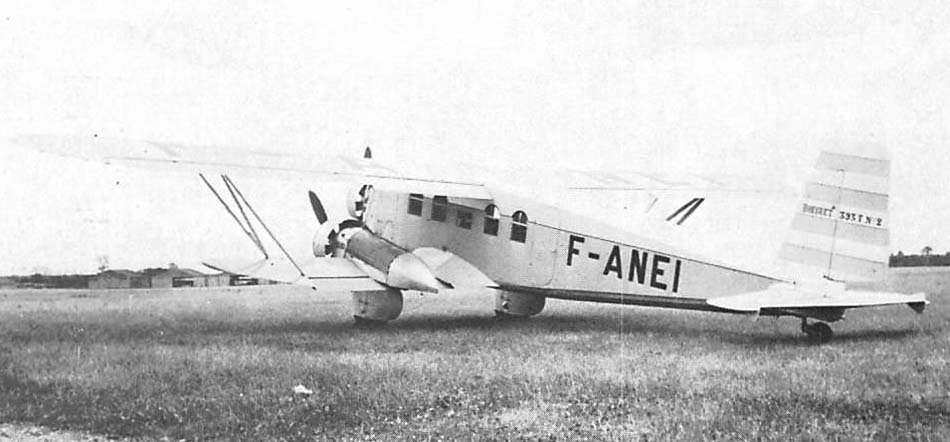
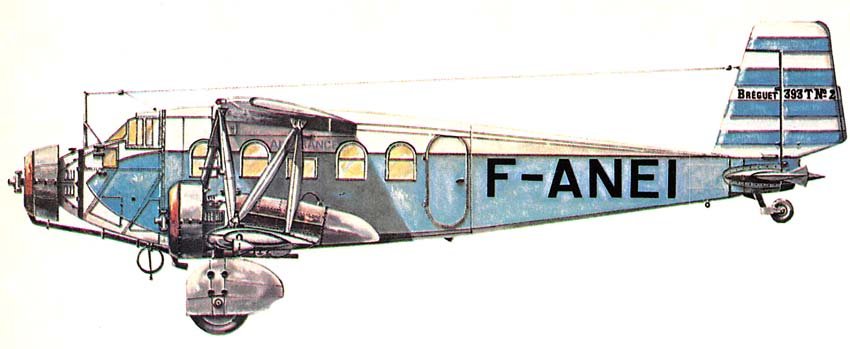
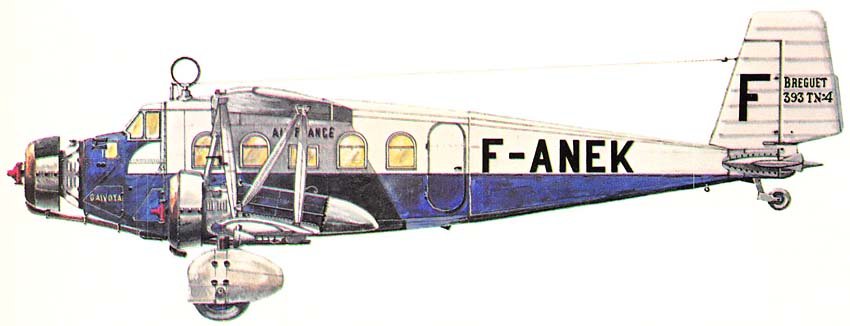
The first Bre.393T had a short service life, crashing in July 1935. The remaining units (F-ANEI, F-ANEJ, F-ANEK, F-ANEL, F-ANEM) operated until their retirement. These aircraft also served on the Paris-Lisbon line and flew to other European countries. Two aircraft were configured for long-range flights, named Alcyon and Gaivota, carrying only four passengers but achieving a range of 1,600 km thanks to increased fuel capacity. In 1935, these long-range airliners were deployed on the Rio de Janeiro-Buenos Aires route.
The Bre.393T met the airline’s expectations for reliability and comfort, surpassing previous aircraft by 50 km/h in speed. However, it did not prove profitable and failed to replace the Latécoère 28 as hoped. With the emergence of more efficient airliners, the Bre.393T was withdrawn from regular service in 1937.
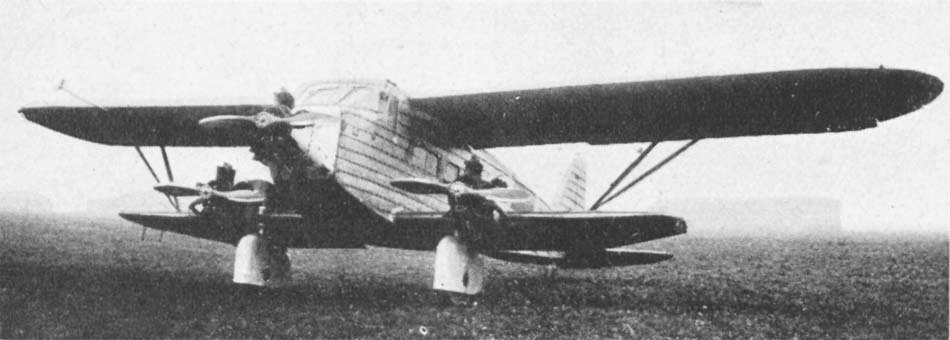
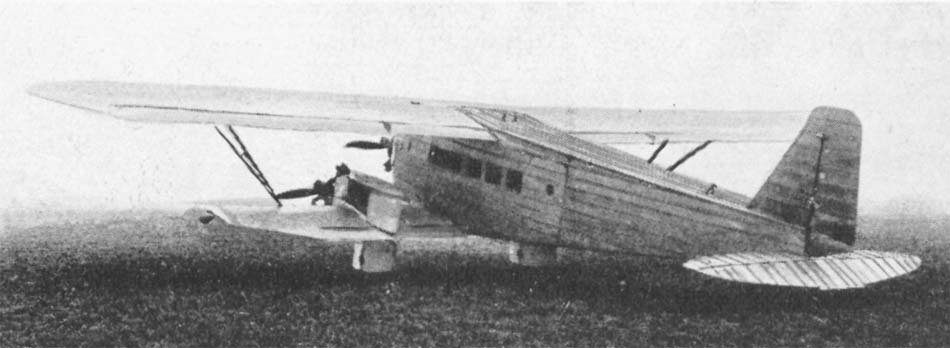
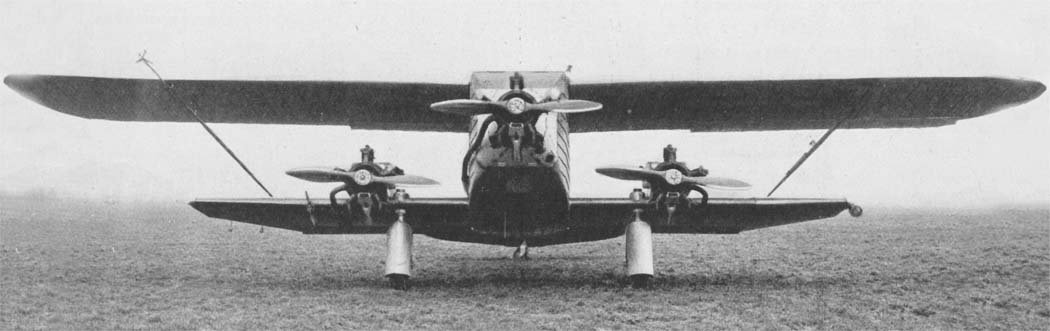
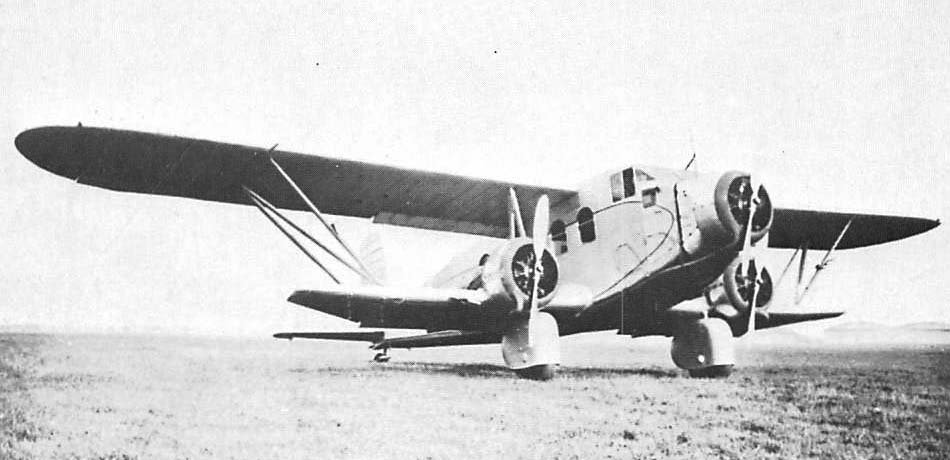
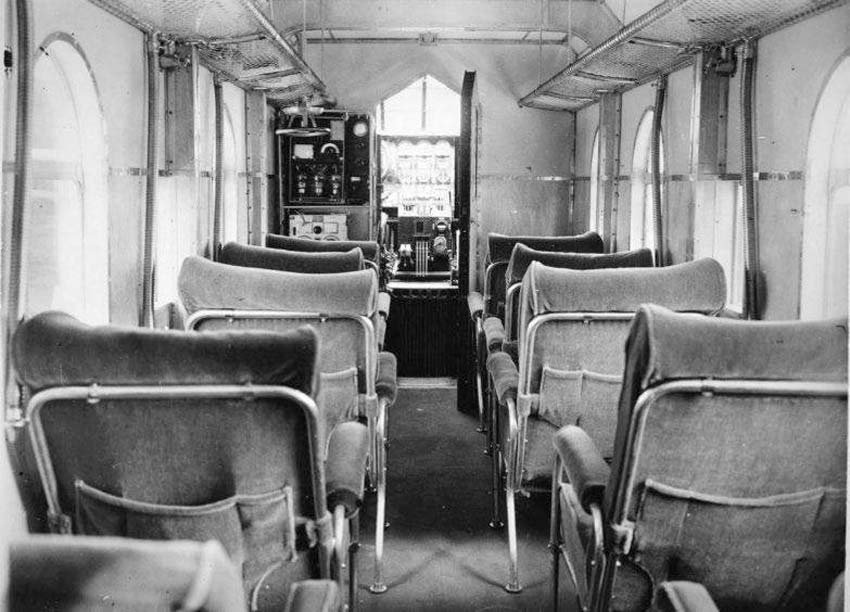
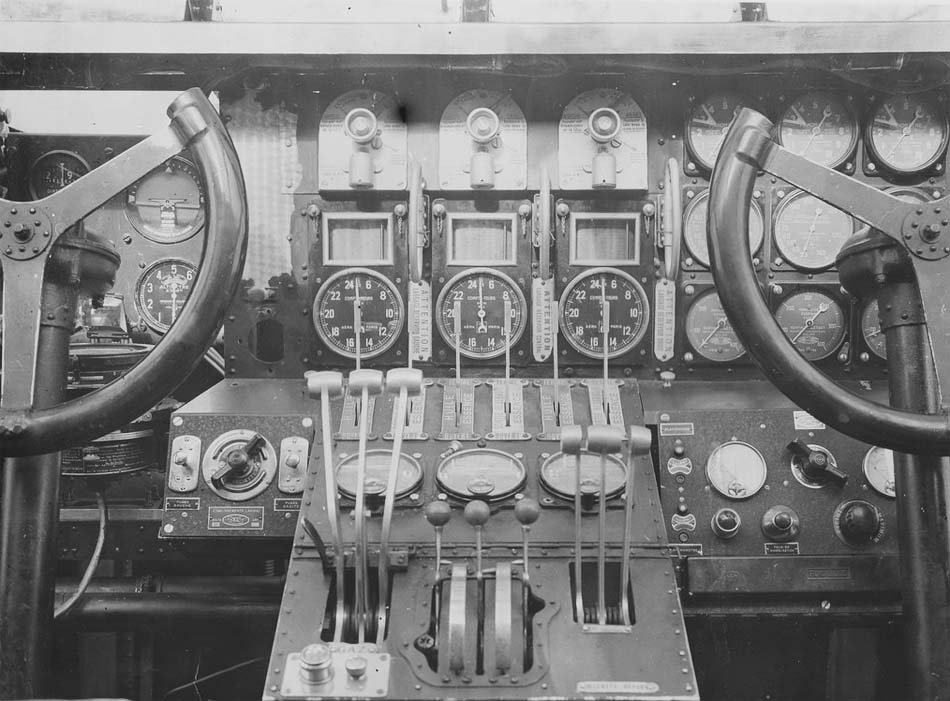
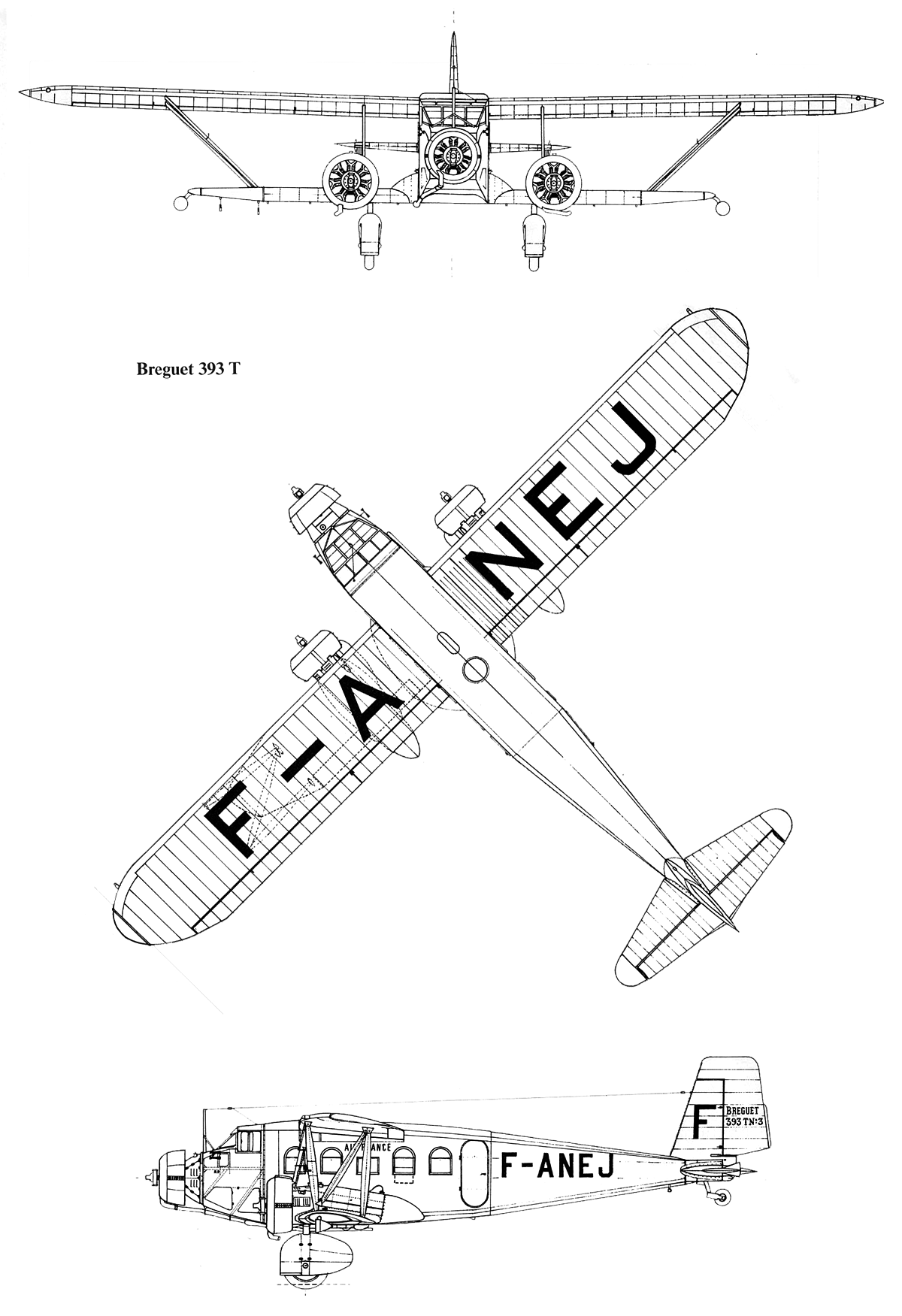
The Bre.393T was a three-engine sesquiplane of mixed construction, following a classical design. Its fuselage had a rectangular cross-section with a metal frame. The front section featured duralumin skinning, while the rest was fabric-covered. It had an engine compartment at the front (NACA cowl), followed by an enclosed two-seat cockpit, and then a 10-seat passenger cabin with two seats per row and an aisle.
The wing was rectangular with a metal frame and smooth duralumin skinning. Power came from three piston engines: one in the nose and two on the lower wing. Engine types varied by prototype: Gnôme Rhône 5Kd Titan (238 hp/176 kW, radial) for Bre.391T; Gnôme Rhône 7Kd Titan Major (350 hp/257 kW, radial) for Bre.393T; and Hispano-Suiza 9Qc (300 hp/224 kW) for Bre.392T. All used two-bladed all-metal propellers. The tail section featured a single fin with two stabilizers. The landing gear was two-strutted with a tailwheel, one wheel per strut, and faired wheels.
Technical Specifications
| Modification | Br.393T |
| Wingspan, m | 20. 71 |
| Aircraft length, m | 14. 76 |
| Wing area, m2 | 66. 46 |
| Empty weight | 3966 |
| Maximum takeoff weight | 6000 |
| Engine type | 3 Piston engine Gnome & Rhône 7Kd |
| Power, hp | 3 x 350 |
| Maximum speed, km/h | 250 |
| Cruising speed, km/h | 235 |
| Practical range, km | 975 |
| Practical ceiling, m | 5850 |
| Crew, crew members | 2 |
| Payload: | 10 passengers |
Image and diagram gallery of the Breguet 393T
 Br.39 |
 Br.39 |
 Br.39 |
 Br.39 |
 Br.39 |
 Br.39 |
 Br.39 |
 Br.39 |
 Br.39 |
 Br.39 |
 Br.39 |
 Br.39 |
 Br.39 |
 Br.39 |
 Br.39 |
 Br.39 |
 Br.39 |
 Br.39 |
ArchivoAéreo Editorial Team
A group of aviation researchers and enthusiasts dedicated to documenting and preserving global aeronautical history. All articles are reviewed to ensure historical accuracy.
Sources & Accuracy
The information presented in this technical sheet has been compiled from declassified flight manuals, historical archives, and specialized literature. While we strive for maximum accuracy, some performance data may vary depending on the specific variant or operational conditions.