Breguet Br.17
Development and Initial Production
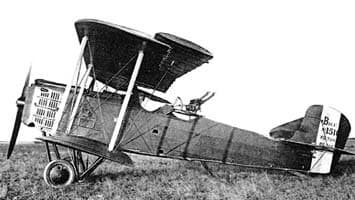
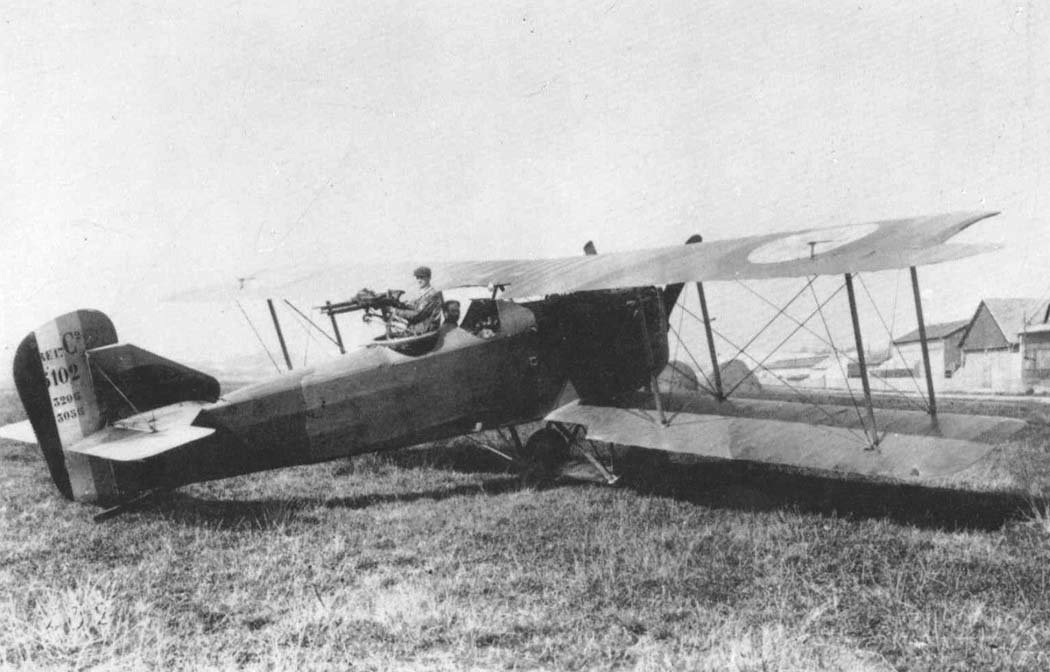
The experimental prototype of the two-seater Breguet Br.17 fighter made its maiden flight in the summer of 1918. Plans were set to produce at least 1,000 serial aircraft in 1919; however, following the end of the war, fewer than 100 units were built in the early 1920s. This aircraft represented a scaled-down version of the Br.14, offering a more compact design and an improved thrust-to-weight ratio.
Design and Prototype Specifications
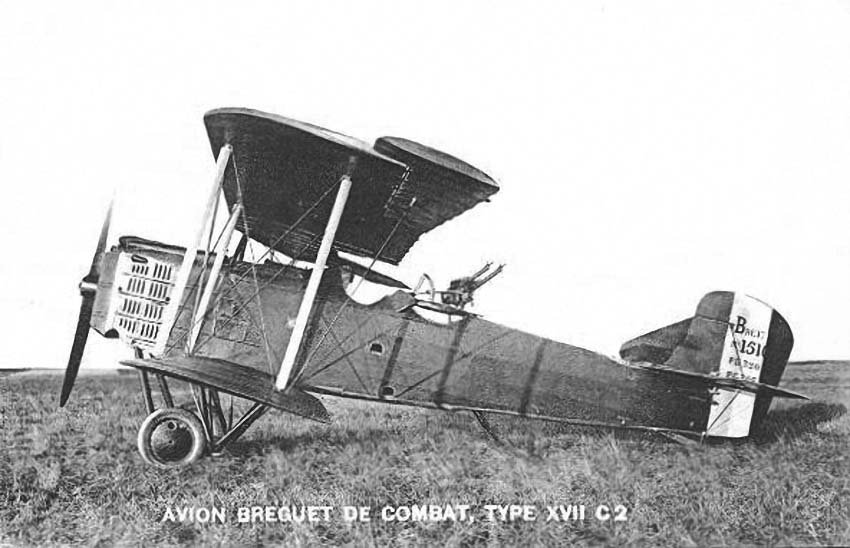
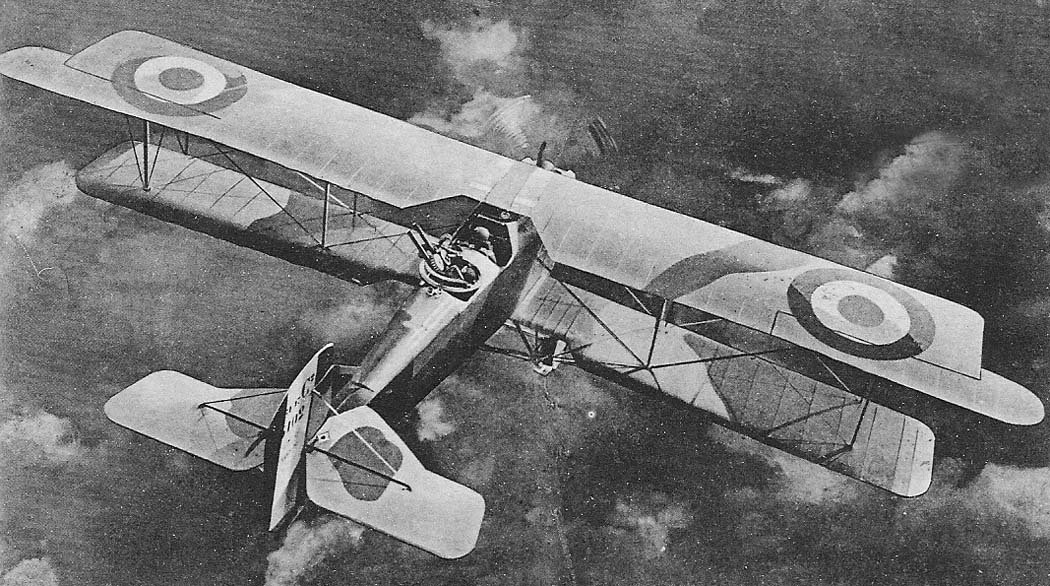
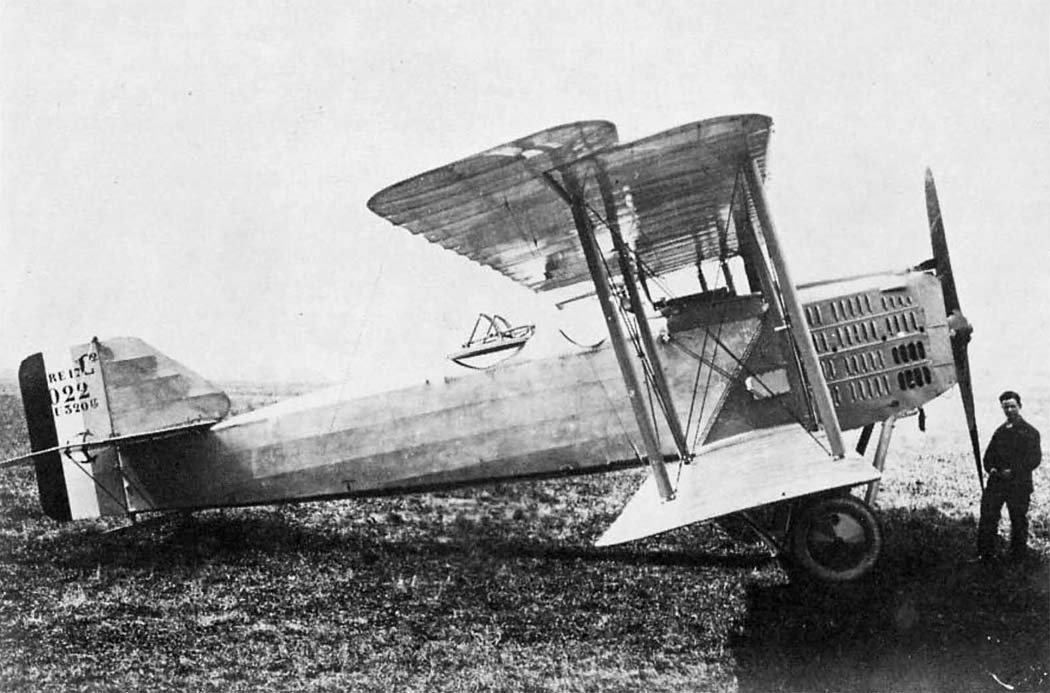
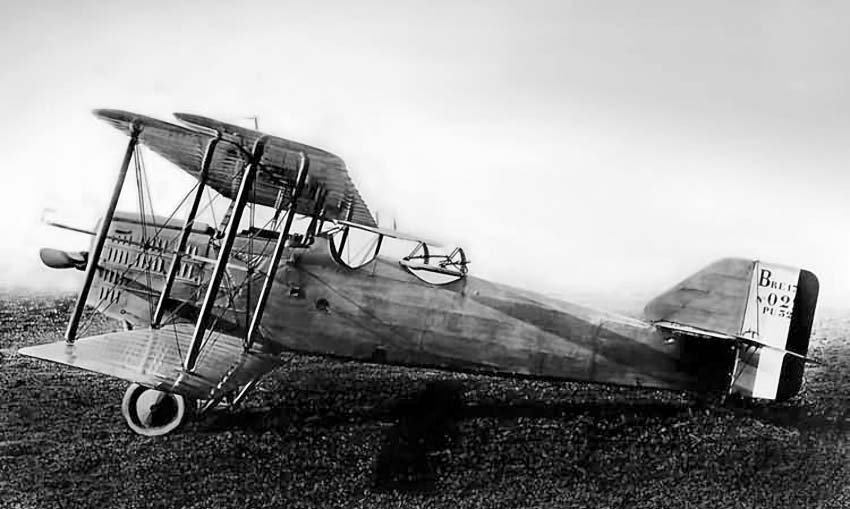
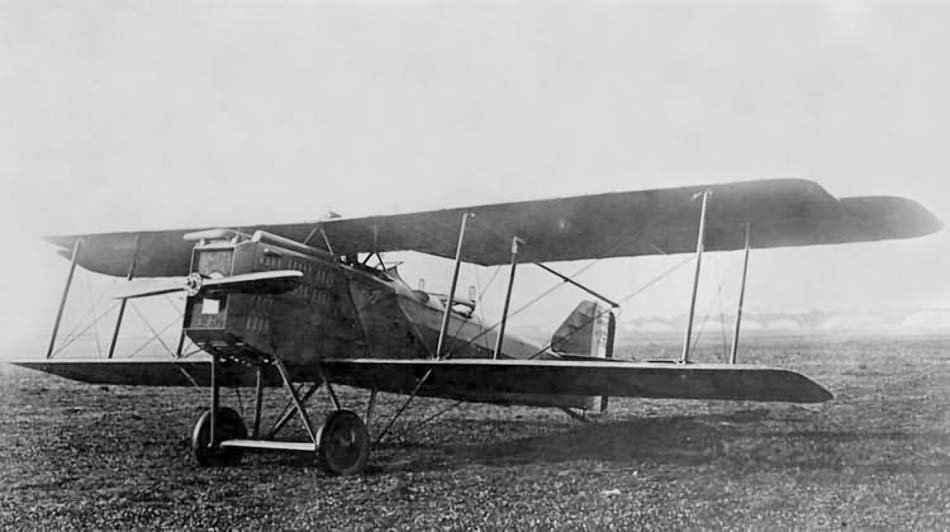
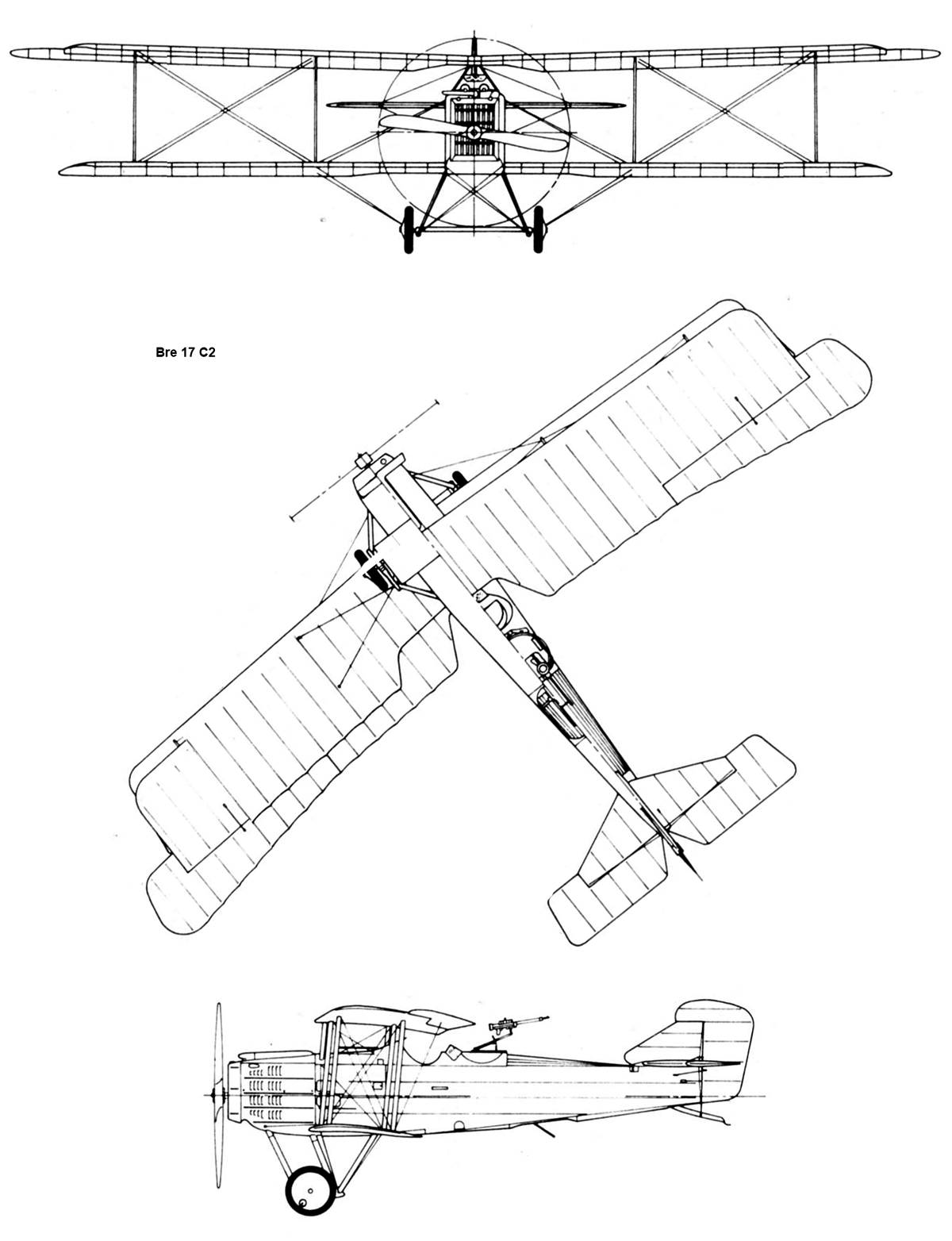
Like the Br.14, the Br.17 was a two-bay biplane featuring wings of different spans. It was powered by a 420 hp Renault 12K engine, which contributed to its significantly superior flight characteristics compared to its predecessor. Ailerons were exclusively installed on the upper wing and incorporated horn balance for enhanced control. The experimental aircraft was also tested as a night fighter, though further development in this specific role did not proceed.
Serial Production and Armament
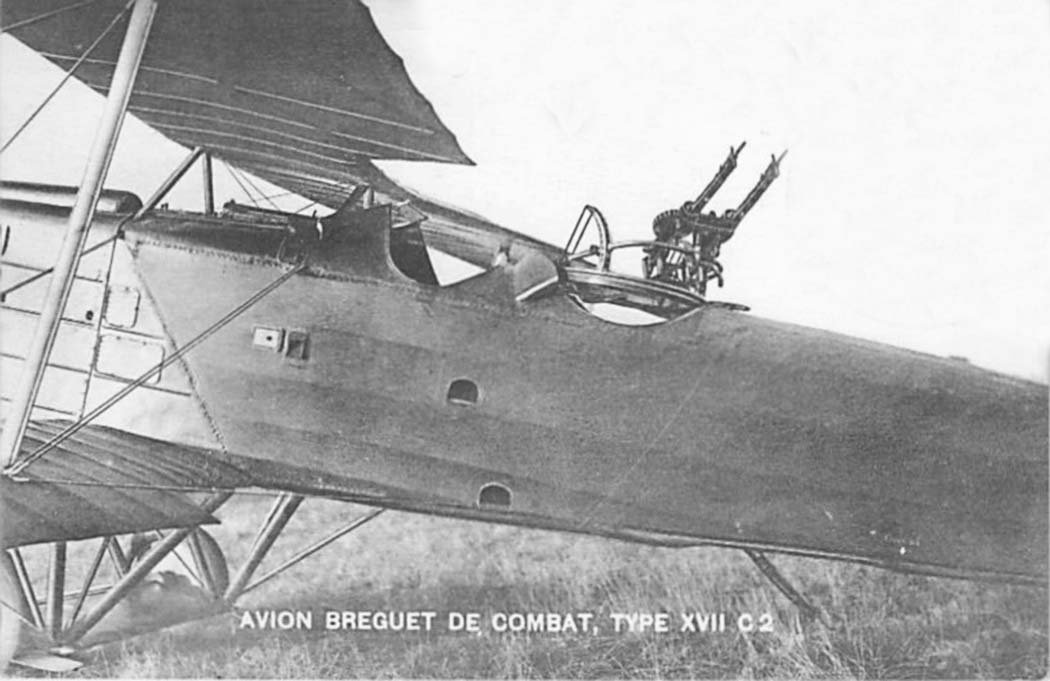
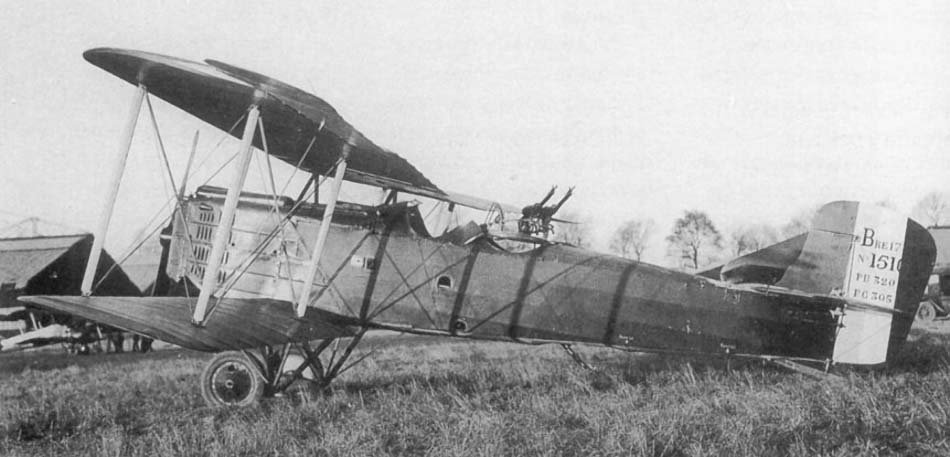
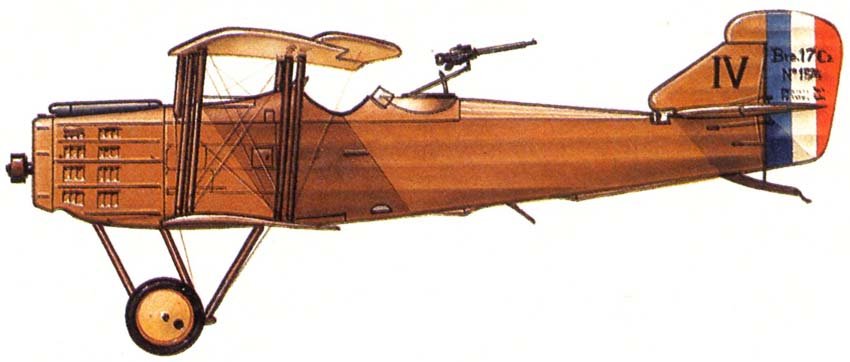
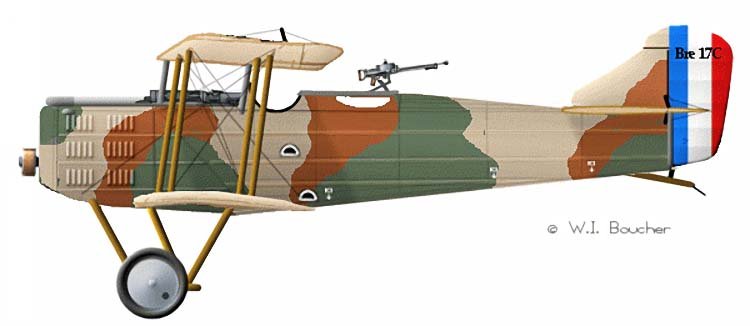
Production aircraft were equipped with slightly more powerful Renault 12KI engines and featured a modified vertical empennage. The rudder, for instance, had rounded contours and horn compensation. The Br.17 boasted impressive armament for its era, including twin synchronized Vickers machine guns mounted atop the engine cowling. Additionally, it carried twin Lewis machine guns on a ring mount in the observer’s cockpit, plus a single Lewis machine gun positioned to fire into the lower rear sector through a grate in the fuselage floor. Despite its capabilities, no military unit was ever fully equipped with Br.17 aircraft.
Technical Specifications
| Modification | Br.17 |
| Wingspan, m | 14.28 |
| Length, m | 8.10 |
| Height, m | 3.42 |
| Wing area, m2 | 43.30 |
| Normal takeoff weight, kg | 1840 |
| Engine type | 1 Piston engine Renault 12KI |
| Power, hp | 1 x 450 |
| Maximum speed, km/h | 218 |
| Cruising speed, km/h | 187 |
| Maximum rate of climb, m/min | 350 |
| Service ceiling, m | 7500 |
| Crew, crew members | 1 |
| Armament: | two synchronized 7.7-mm Vickers machine guns, located on top of the engine cowling; two twin 7.7-mm Lewis machine guns, mounted on a ring mount in the observer’s cockpit; and one 7.7-mm Lewis machine gun for firing at the lower rear sector through a grate in the fuselage floor. |
Image and diagram gallery of the Breguet Br.17
 Br.17 |
 Br.17 |
 Br.17 |
 Br.17 |
 Br.17 |
 Br.17 |
 Br.17 |
 Br.17 |
 Br.17 |
 Br.17 |
 Br.17 |
ArchivoAéreo Editorial Team
A group of aviation researchers and enthusiasts dedicated to documenting and preserving global aeronautical history. All articles are reviewed to ensure historical accuracy.
Sources & Accuracy
The information presented in this technical sheet has been compiled from declassified flight manuals, historical archives, and specialized literature. While we strive for maximum accuracy, some performance data may vary depending on the specific variant or operational conditions.