Breguet Br.22 Leviathan
Concept and Development
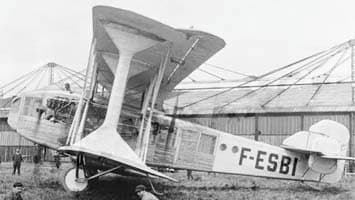
Following the shortcomings of the Br.XX, the Societé Anonyme des Atelliers d’Aviation Louis Breguet company embarked on developing another transport-passenger aircraft, designated the Breguet Br.22 Leviathan. This new aircraft was essentially a modified version of the Br.XX, reimagined to accommodate a novel powerplant configuration.
Innovative Powerplant and First Flight
Moving away from the unsuccessful tandem engine concept seen in other Breguet projects, the Br.22 featured four 260 hp Lorraine engines. These engines were ingeniously arranged in pairs on each side of the fuselage, adopting a “push-pull” setup. The Br.22 made its maiden flight on September 14, 1923, initiating its flight test program.
Testing and Limited Production
However, during the exhaustive testing phase, it quickly became apparent that the innovative powerplant did not offer the anticipated reliability. Moreover, the aircraft’s overall flight characteristics proved to be significantly inferior to those of its predecessor, the Br.XX. Consequently, only a single Br.22 Leviathan was ever produced, leading Breguet’s engineers to revert to designing aircraft with more conventional engine layouts.
Technical Specifications
| Modification | Br.22 |
| Wingspan, m | 25.5 3 |
| Length, m | 13. 71 |
| Height, m | 5.13 |
| Wing area, m2 | 137.00 |
| Empty weight | 4000 |
| Maximum takeoff weight | 7030 |
| Engine type | 4 Piston engine Lorraine |
| Power, hp | 4 x 260 |
| Maximum speed, km/h | 170 |
| Cruising speed, km/h | 1 50 |
| Practical range, km | 800 |
| Practical ceiling, m | 4500 |
| Crew, crew members | 3 |
| Payload: | 20 passengers |
Image and diagram gallery of the Breguet Br.22 Leviathan
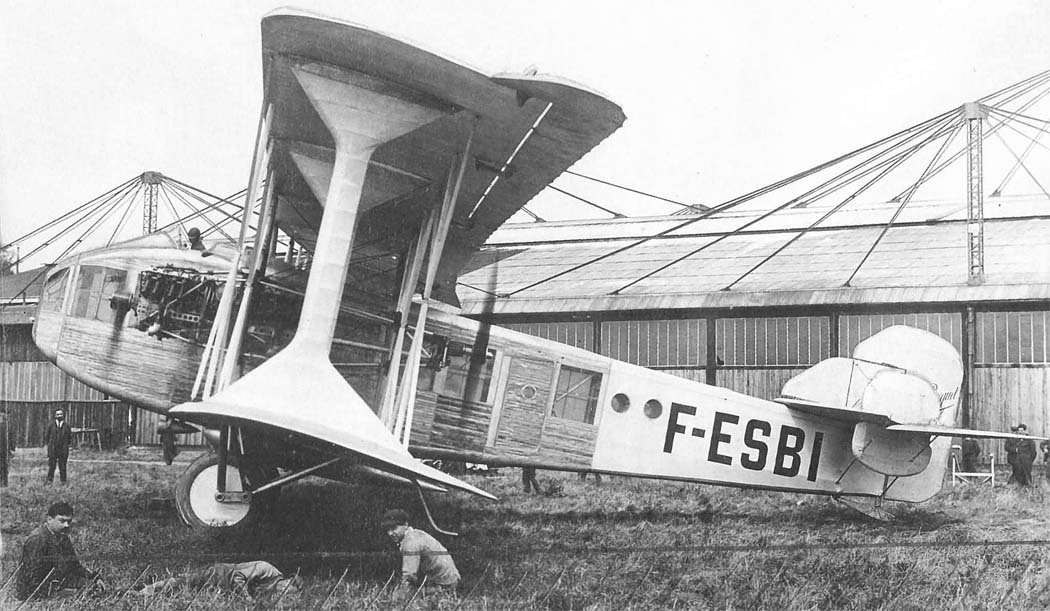 Br.22 Leviathan |
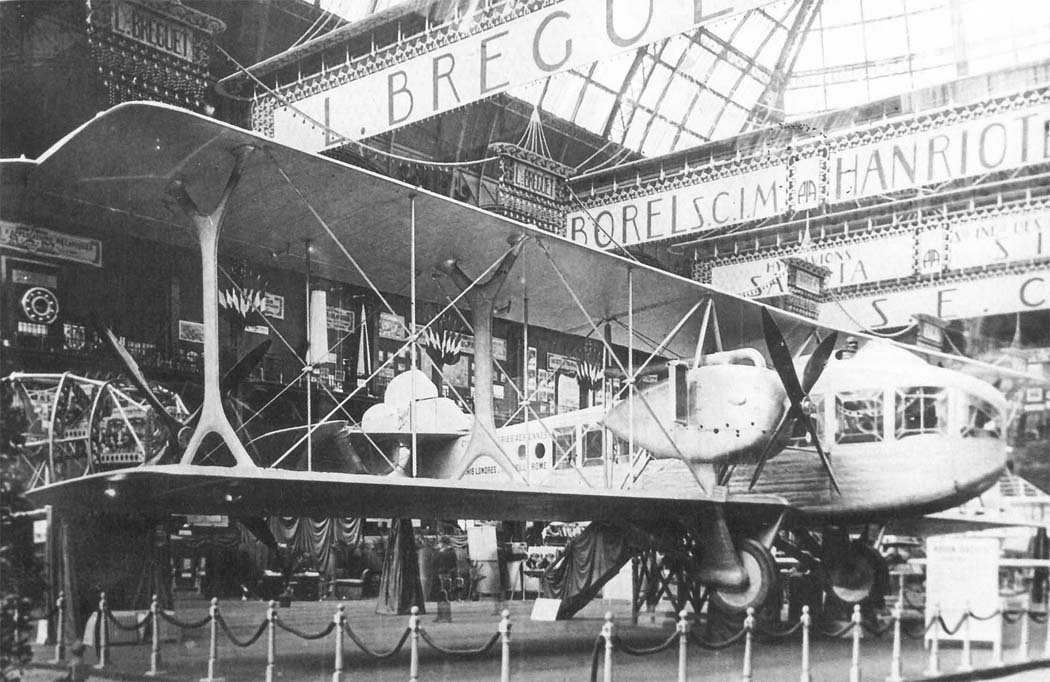 Br.22 Leviathan |
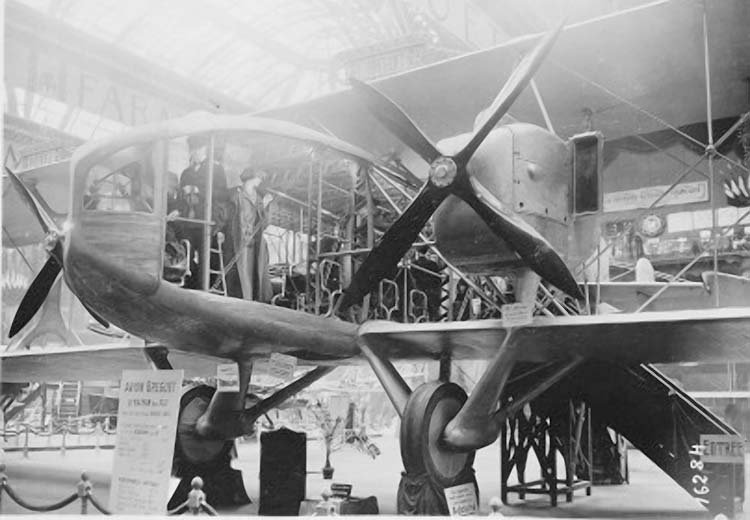 Br.22 Leviathan |
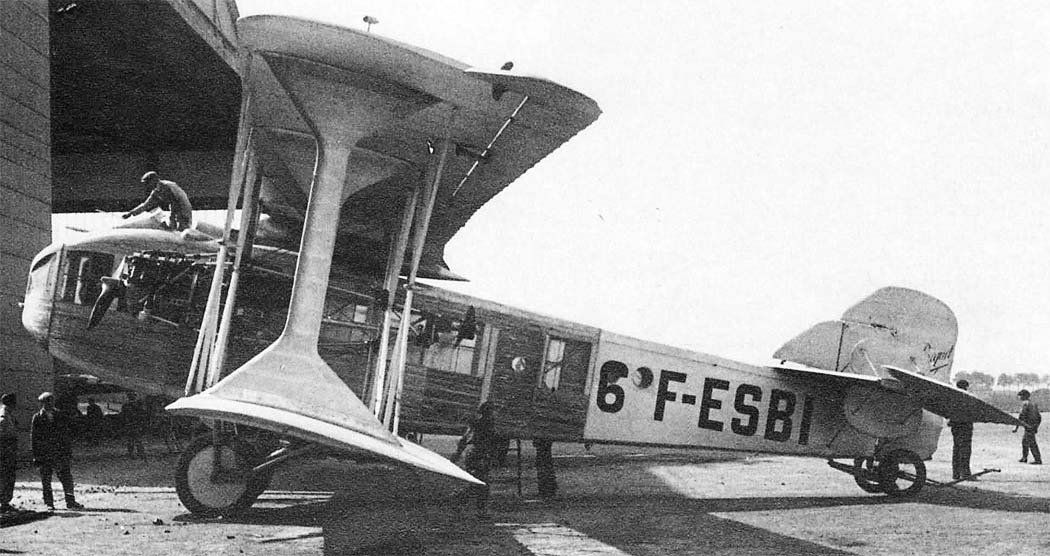 Br.22 Leviathan |
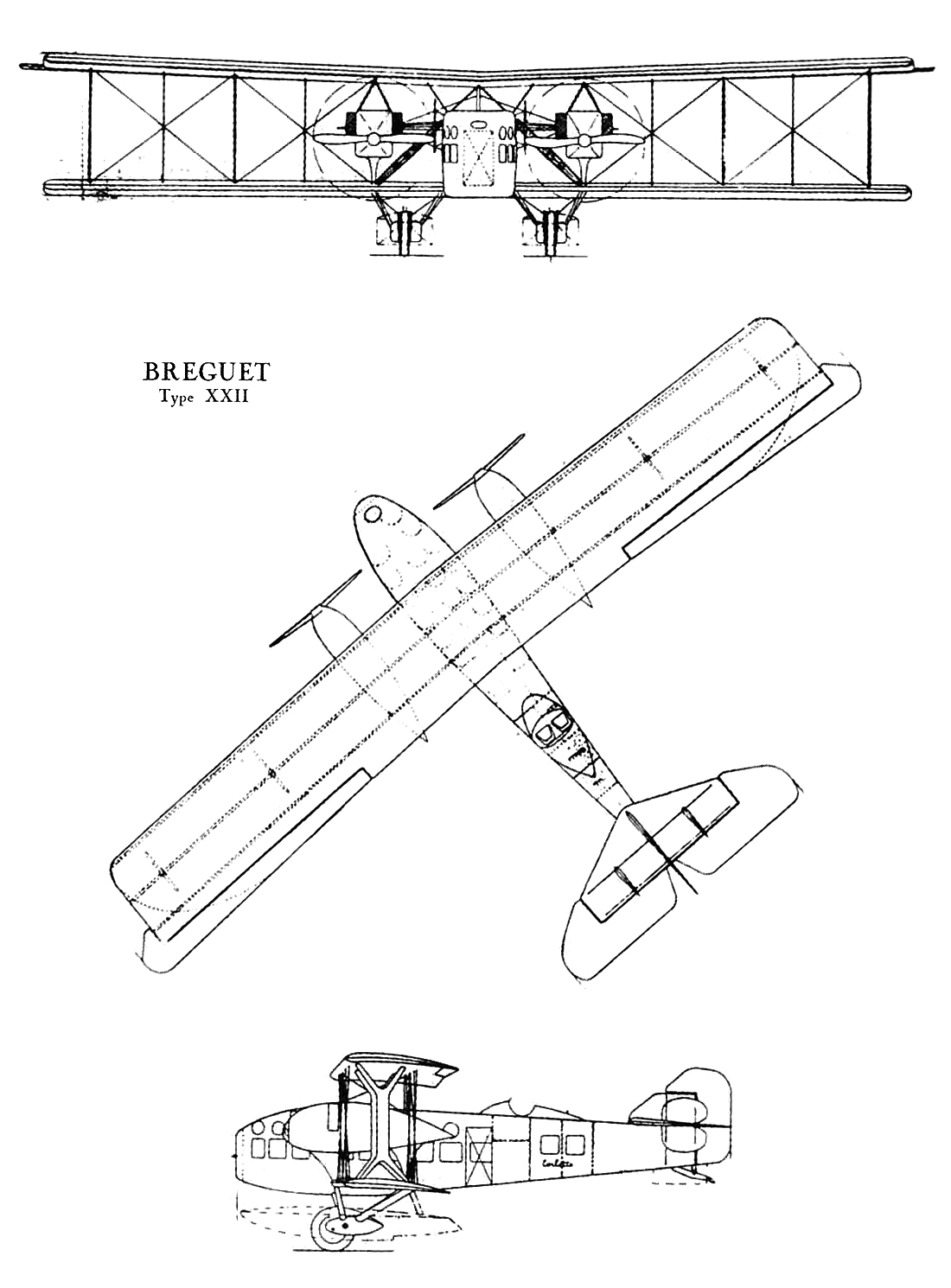 Br.22 Leviathan |
ArchivoAéreo Editorial Team
A group of aviation researchers and enthusiasts dedicated to documenting and preserving global aeronautical history. All articles are reviewed to ensure historical accuracy.
Sources & Accuracy
The information presented in this technical sheet has been compiled from declassified flight manuals, historical archives, and specialized literature. While we strive for maximum accuracy, some performance data may vary depending on the specific variant or operational conditions.