Breguet Br.410/Br.411
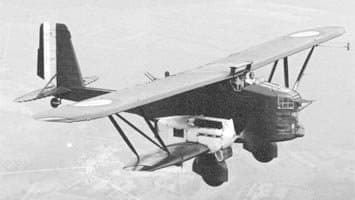
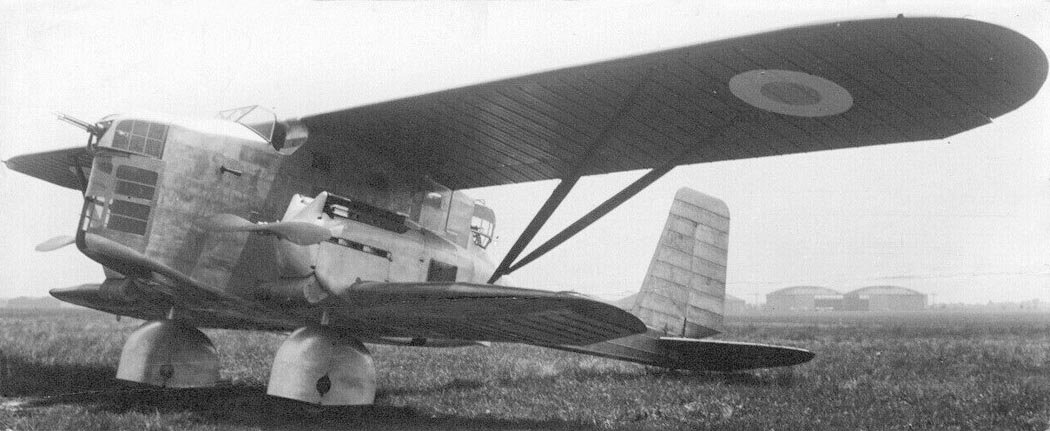
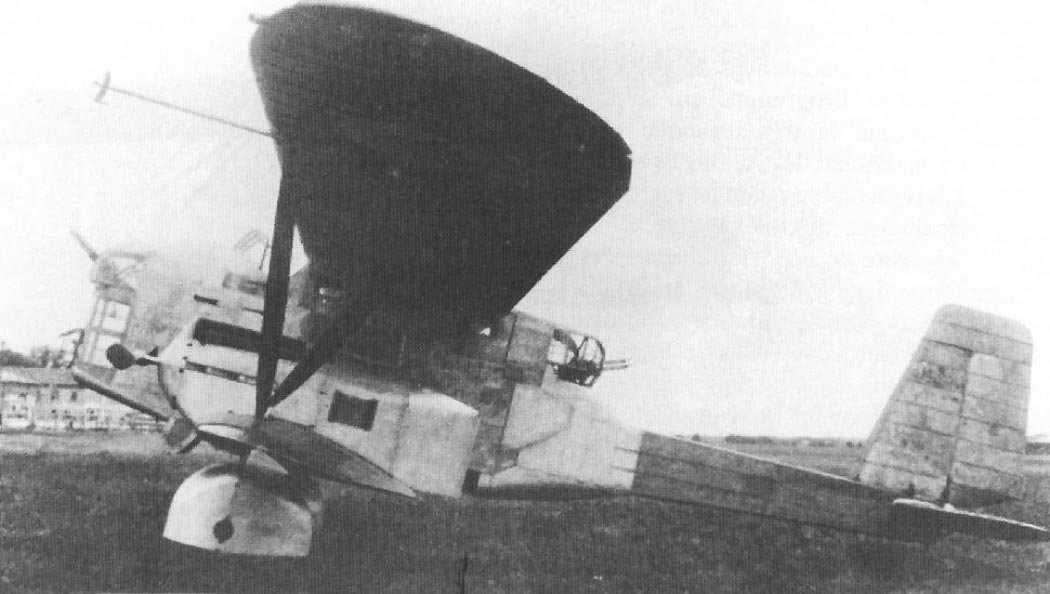
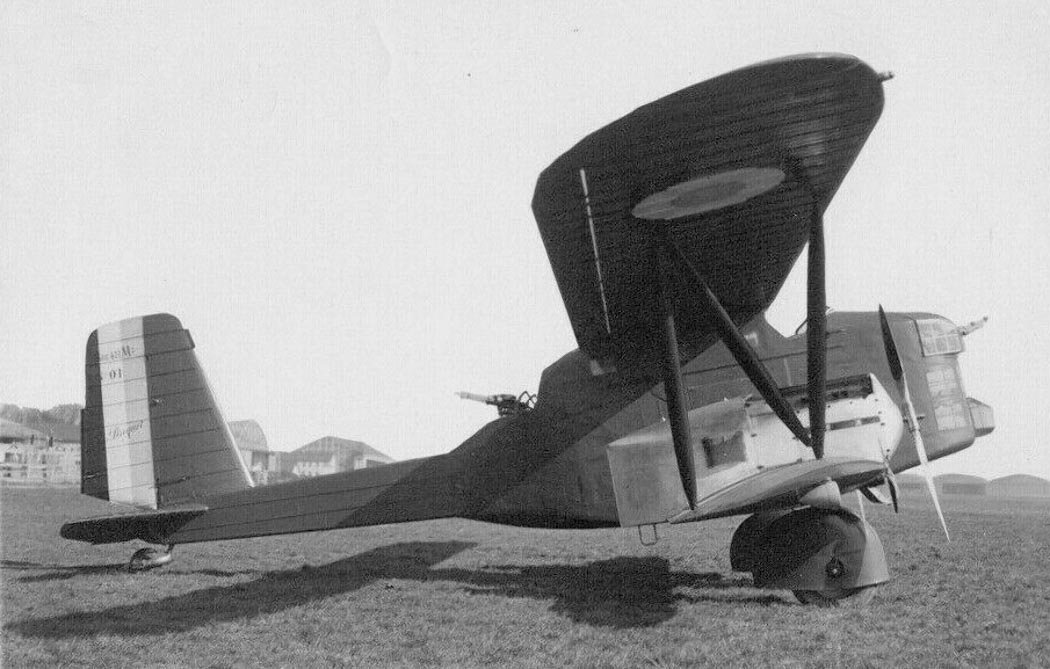
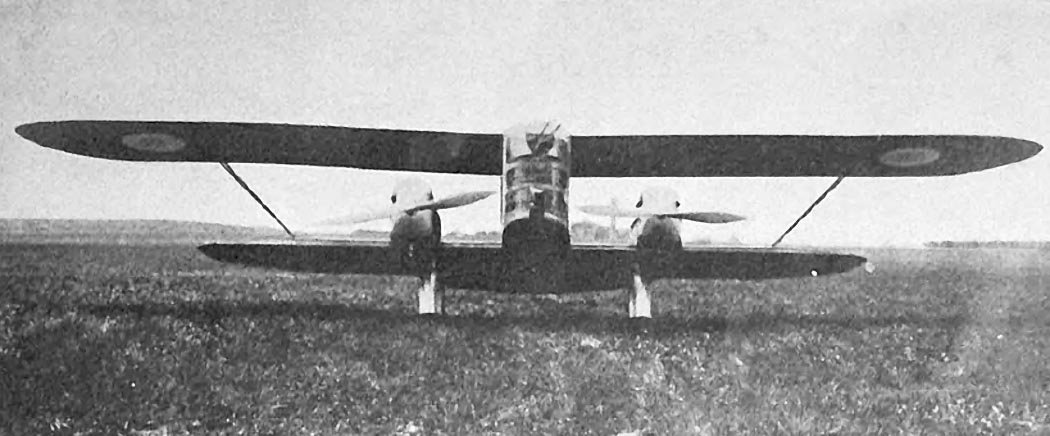
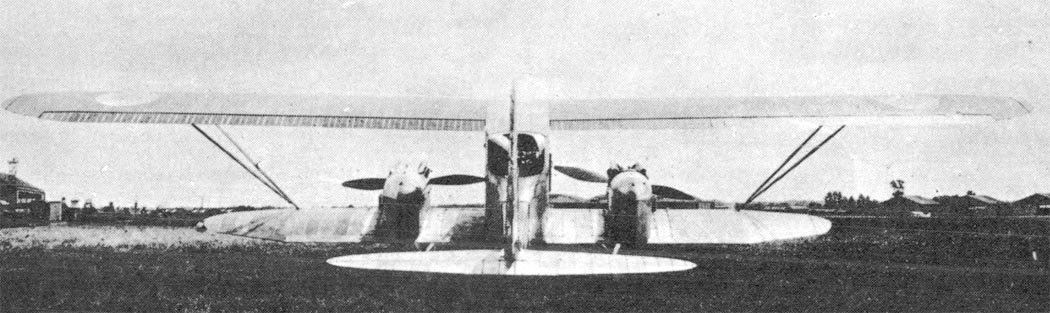
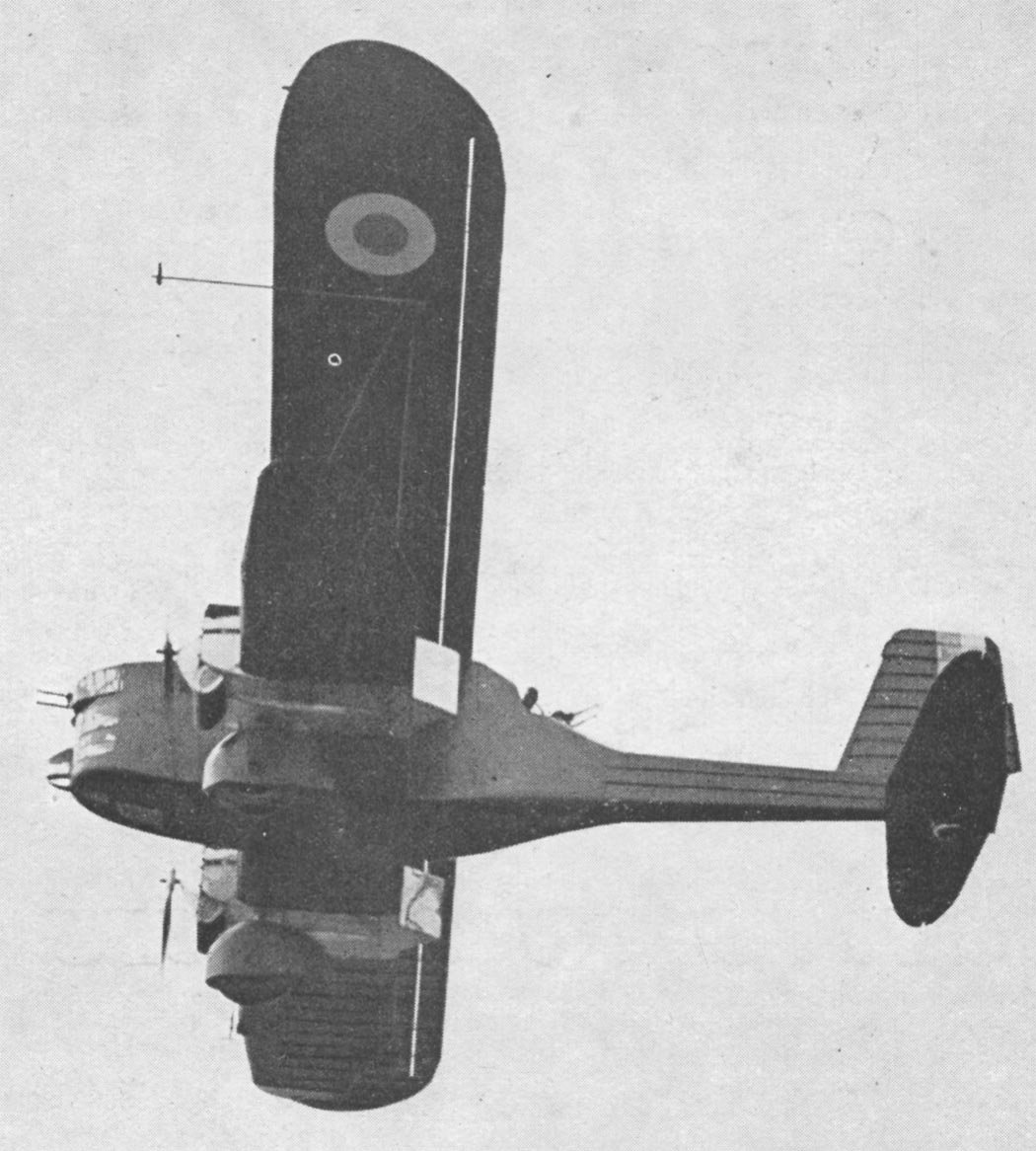
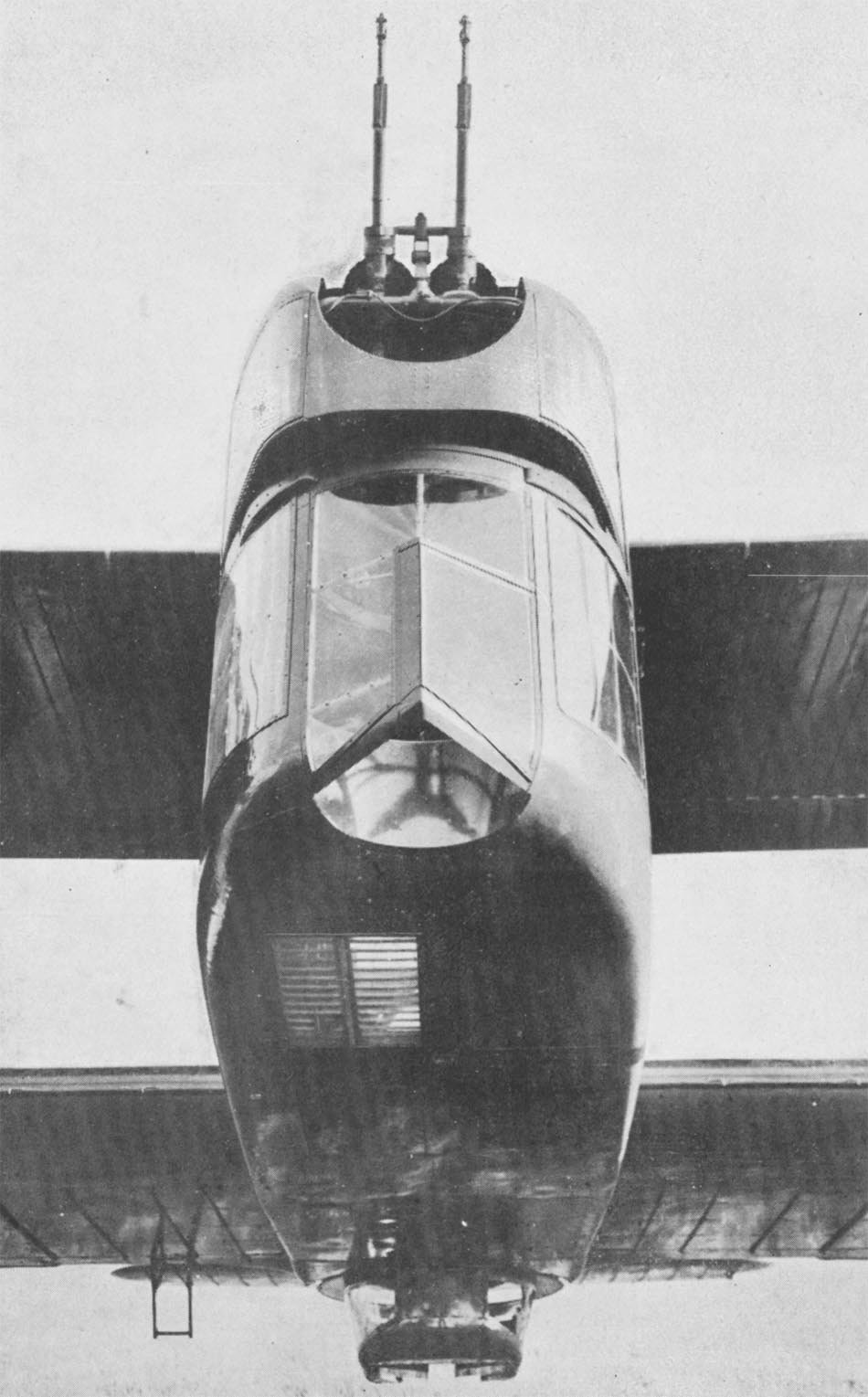
The Breguet Br.410 was a bomber-reconnaissance aircraft developed by the French firm Societé Anonyme des Atelliers d’Aviation Louis Breguet. It was created in 1930, based on the Bre.27. This machine featured a completely different specification, essentially requiring a near-complete redesign, retaining only the general principle of a biplane layout with fixed landing gear and open pilot cockpits, along with larger central and nose fuselage-gondola sections and a tail boom.
Initial Design and Requirements
Furthermore, the Air Force demanded a four-seater, twin-engine bomber with enhanced defensive armament, which also led to significant changes. The Br.410 was a biplane equipped with two 650 hp Hispano-Suiza 12Nb engines. It was armed with two forward and two rear 7.7mm machine guns.
Capable of carrying up to 1300 kilograms of bomb load, the aircraft was designed for robust performance. Despite its capabilities, the biplane configuration was becoming increasingly outdated in military aviation by the early 1930s.
Flight Testing and Subsequent Development
The aircraft’s first flight took place in June 1931. During testing, the aircraft underwent a series of modernizations. While the Breguet 410 proved to be a decent aircraft, the military reacted to it quite coolly, limiting its prospects for widespread adoption.
As a result of this lukewarm reception, the next version of the aircraft, the Br.411, was released in February 1932. Built in the same year, it featured only minor internal modifications. However, the Br.411 also failed to gain the necessary support from the armed forces.
Technical Specifications
| Modification | Br.410 |
| Wingspan, m | 20.20 |
| Length, m | 11.30 |
| Height, m | 5.09 |
| Wing area, m2 | 65.10 |
| Empty weight | 3375 |
| Normal takeoff weight | 7200 |
| Engine type | 2 Piston engines Hispano-Suiza 12Nb |
| Power, hp | 2 x 650 |
| Maximum speed, km/h | 305 |
| Cruising speed, km/h | 264 |
| Practical range, km | 1300 |
| Rate of climb, m/min | 435 |
| Practical ceiling, m | 10000 |
| Crew, crew members | 4 |
| Armament | Two forward and two rear 7.7-mm Lewis machine guns; bomb load up to 1300 kg. |
Image and diagram gallery of the Breguet Br.410/Br.411
 Br.410(411) |
 Br.410(411) |
 Br.410(411) |
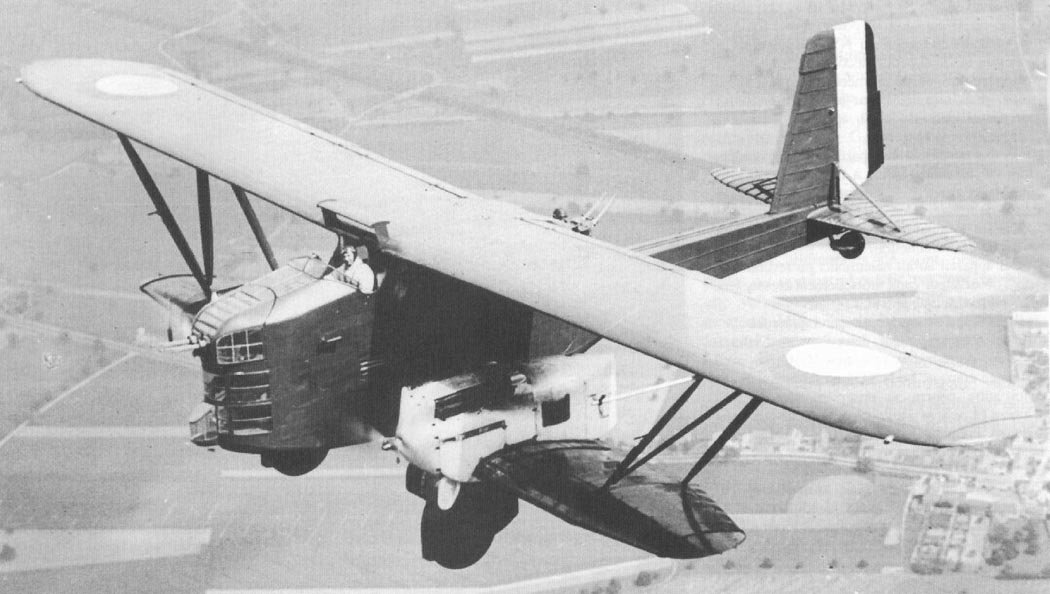 Br.410(411) |
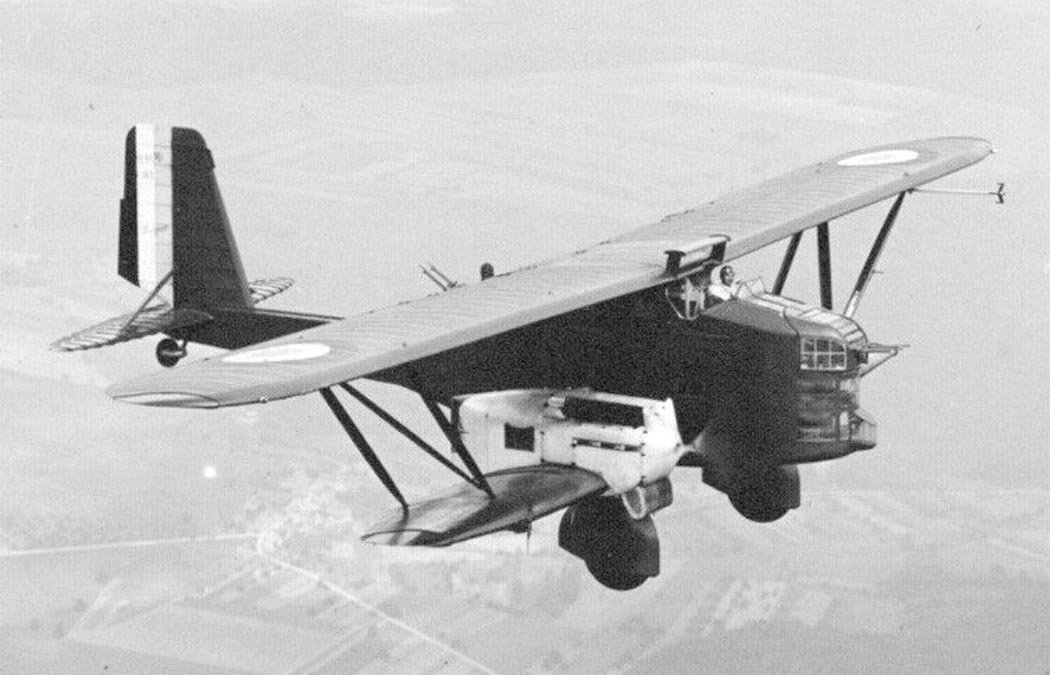 Br.410(411) |
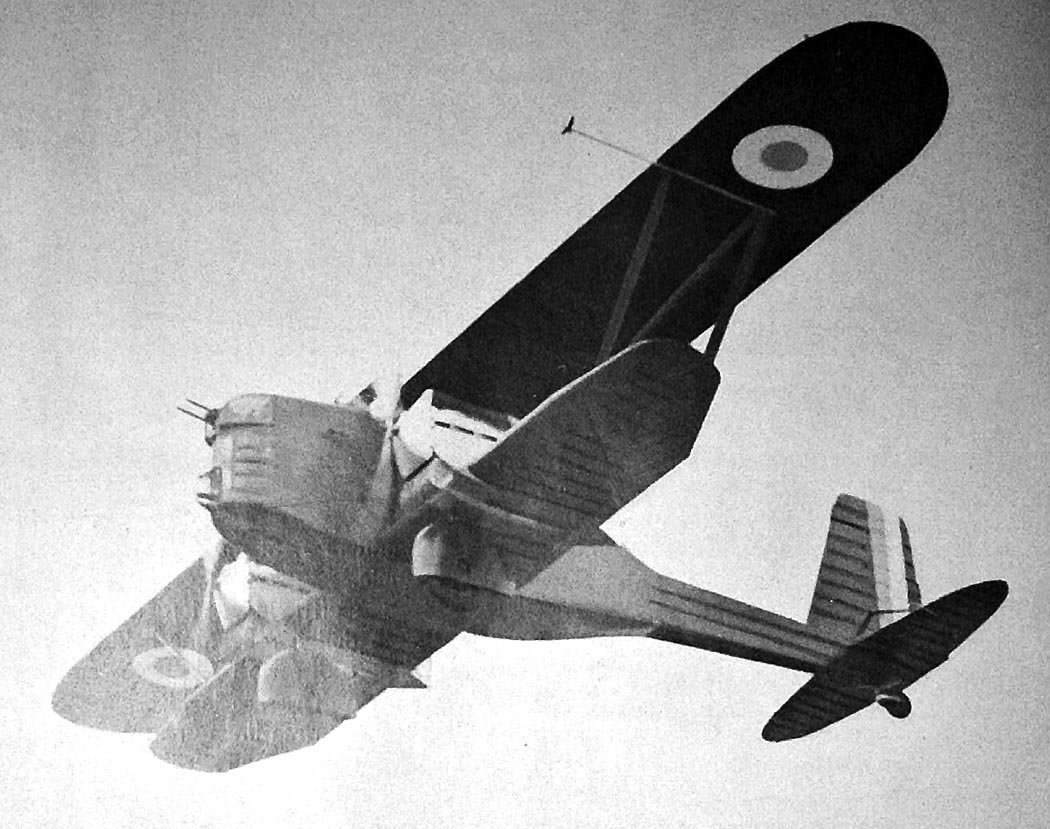 Br.410(411) |
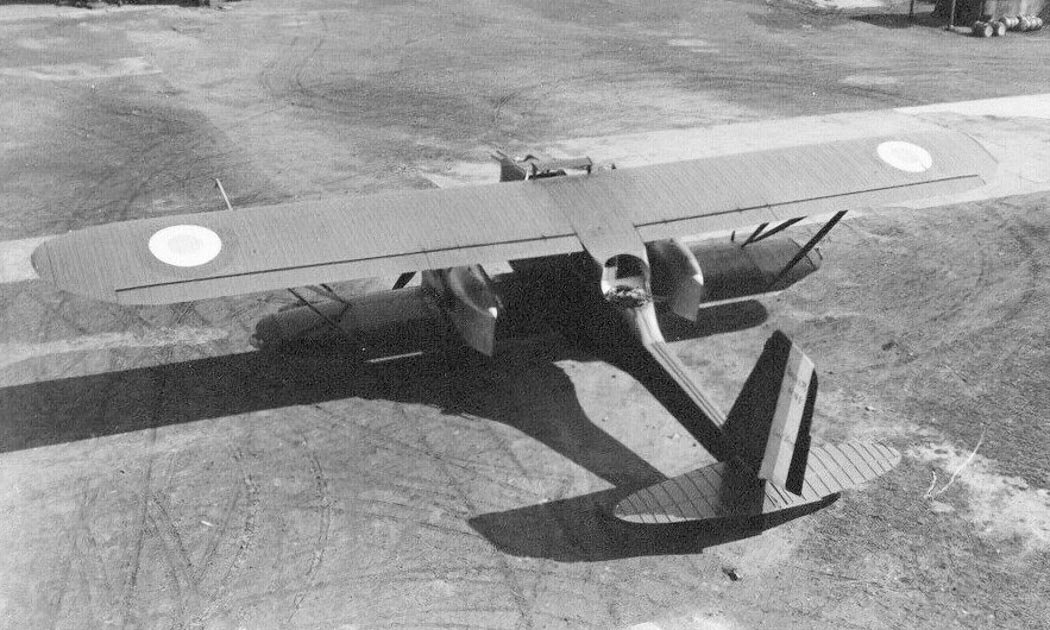 Br.410(411) |
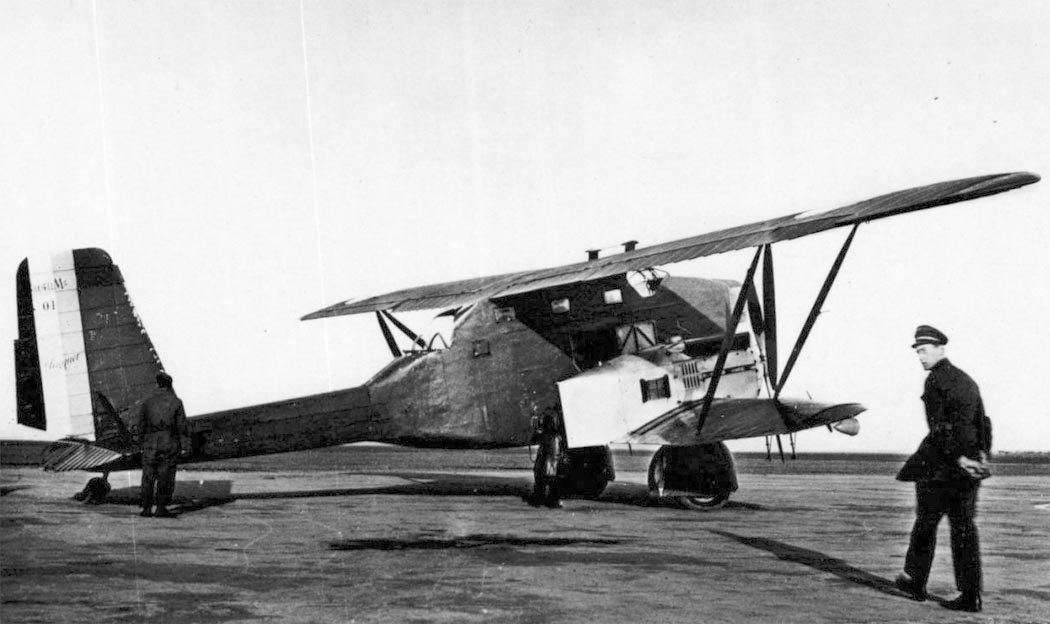 Br.410(411) |
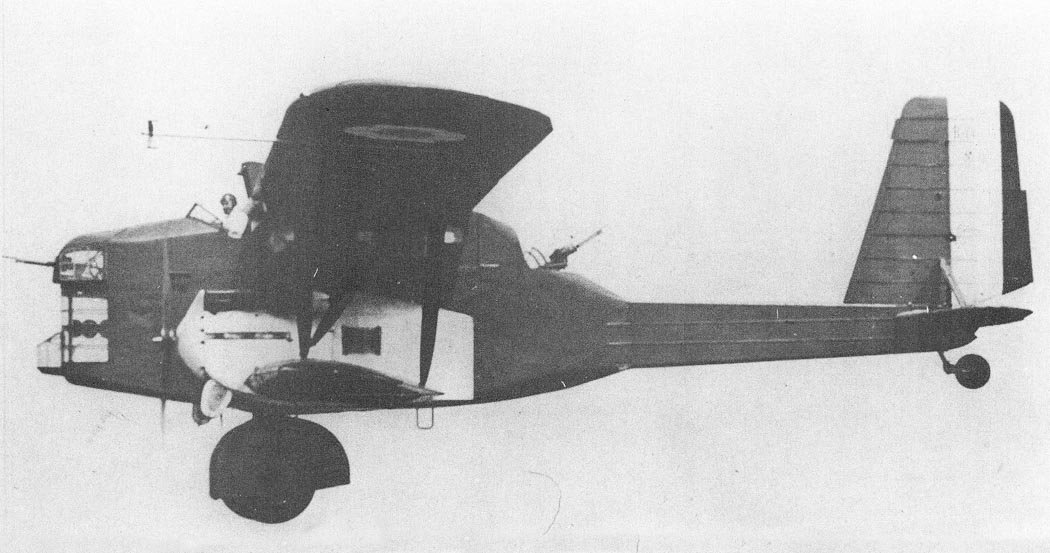 Br.410(411) |
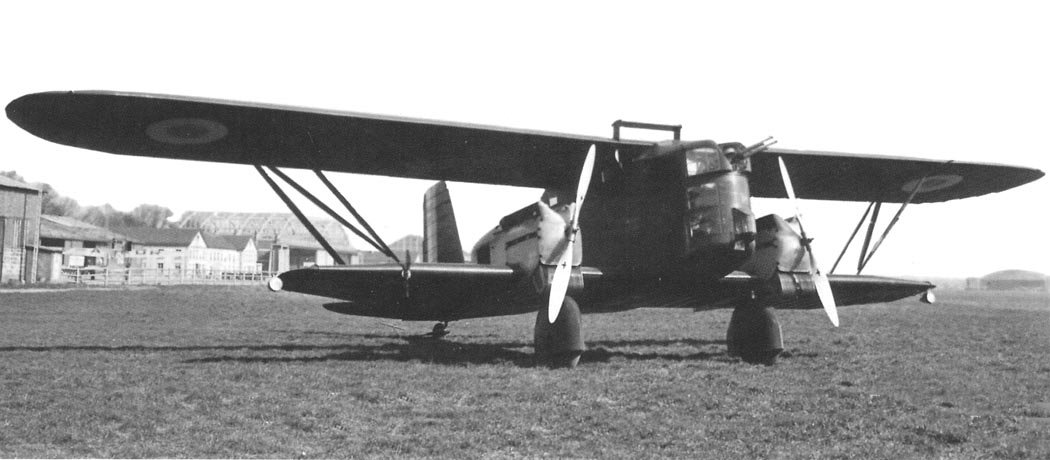 Br.410(411) |
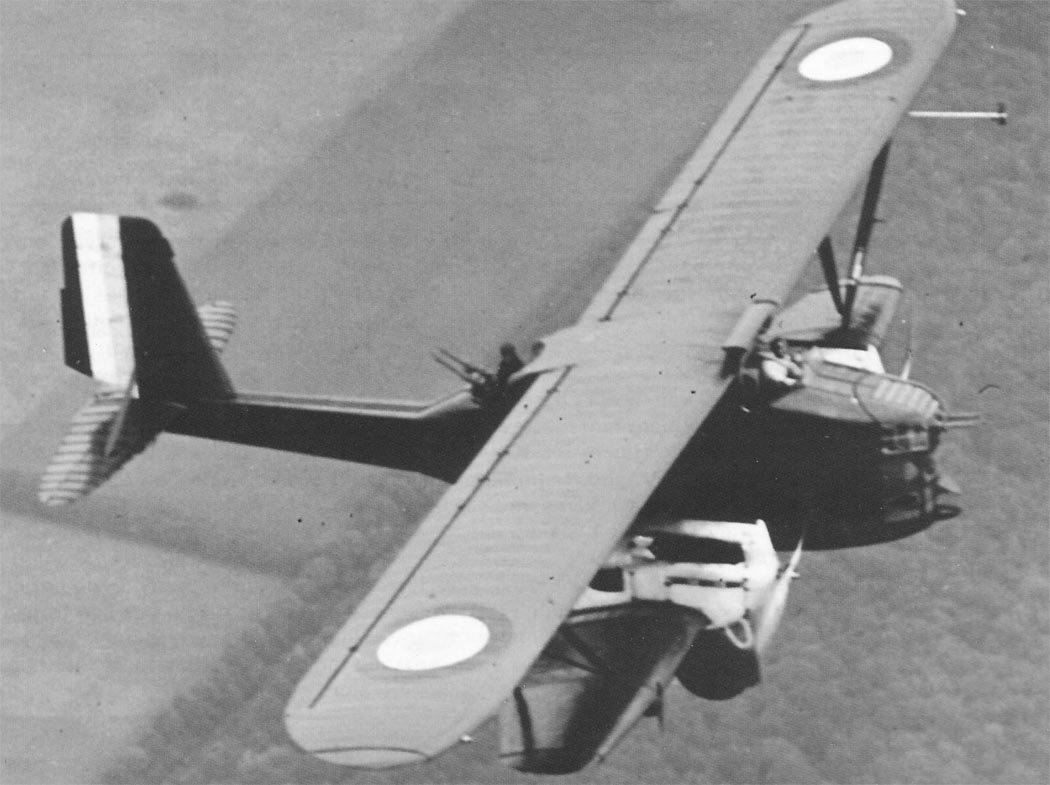 Br.410(411) |
 Br.410(411) |
 Br.410(411) |
 Br.410(411) |
 Br.410(411) |
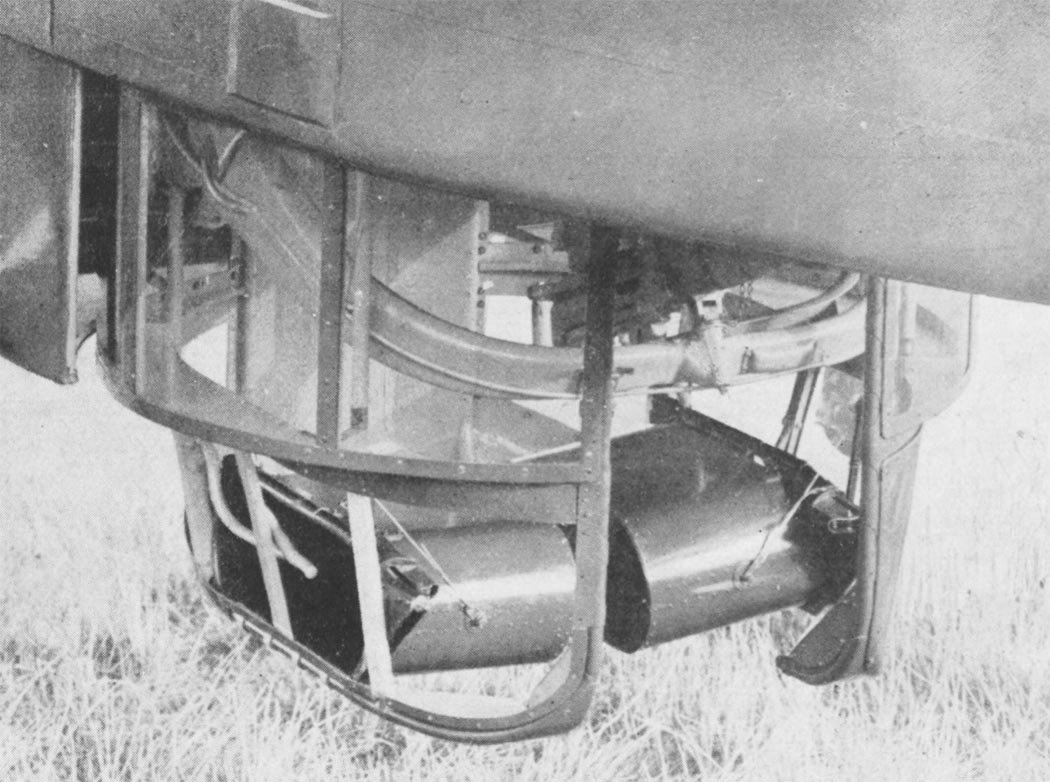 Br.410(411) |
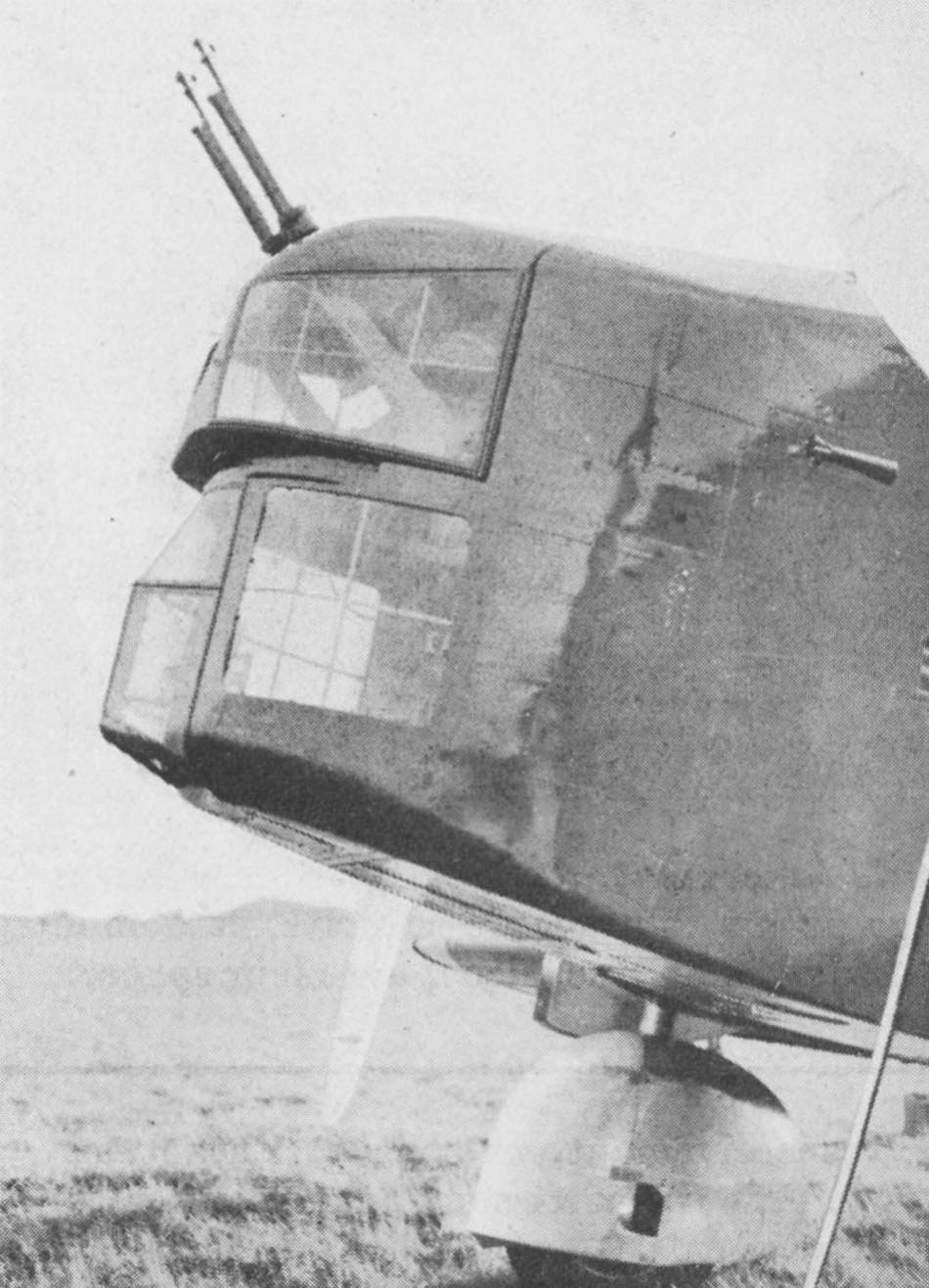 Br.410(411) |
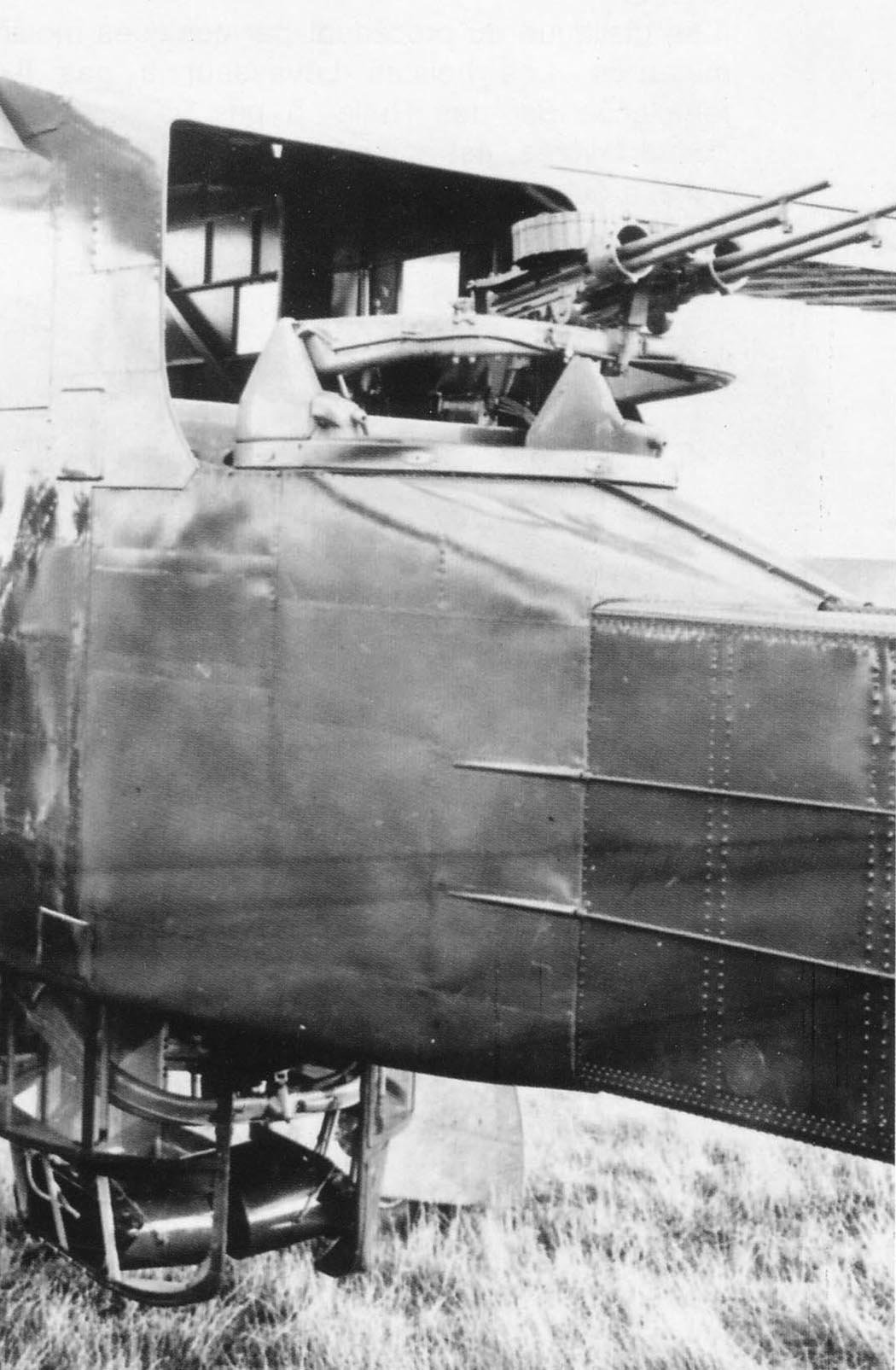 Br.410(411) |
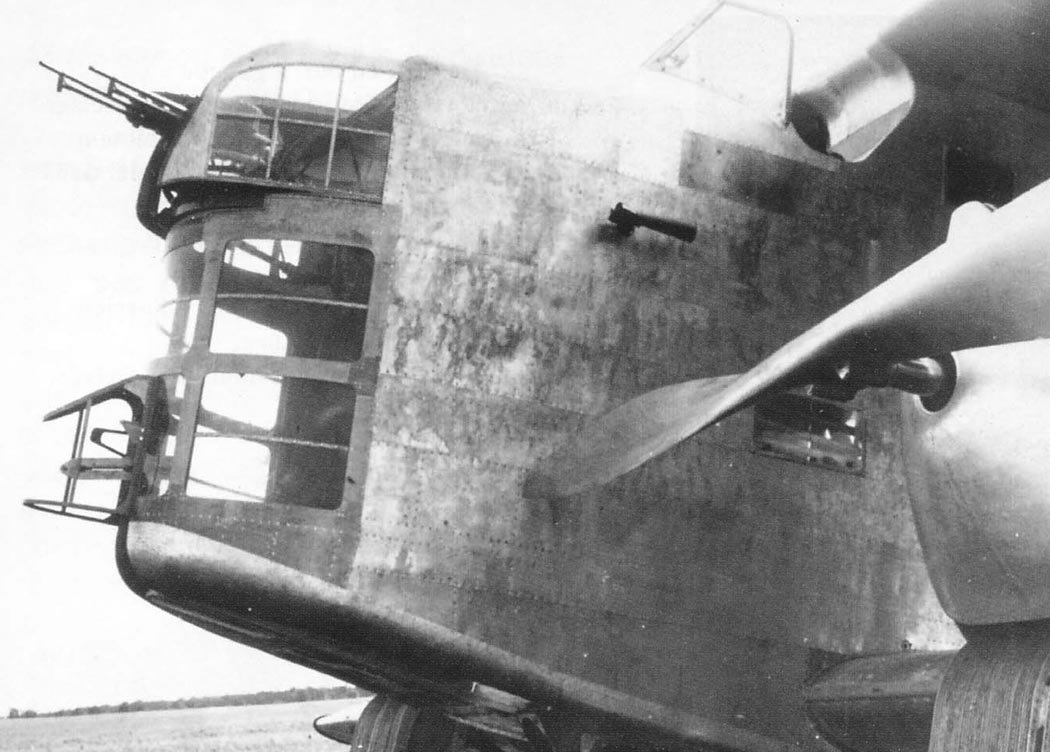 Br.410(411) |
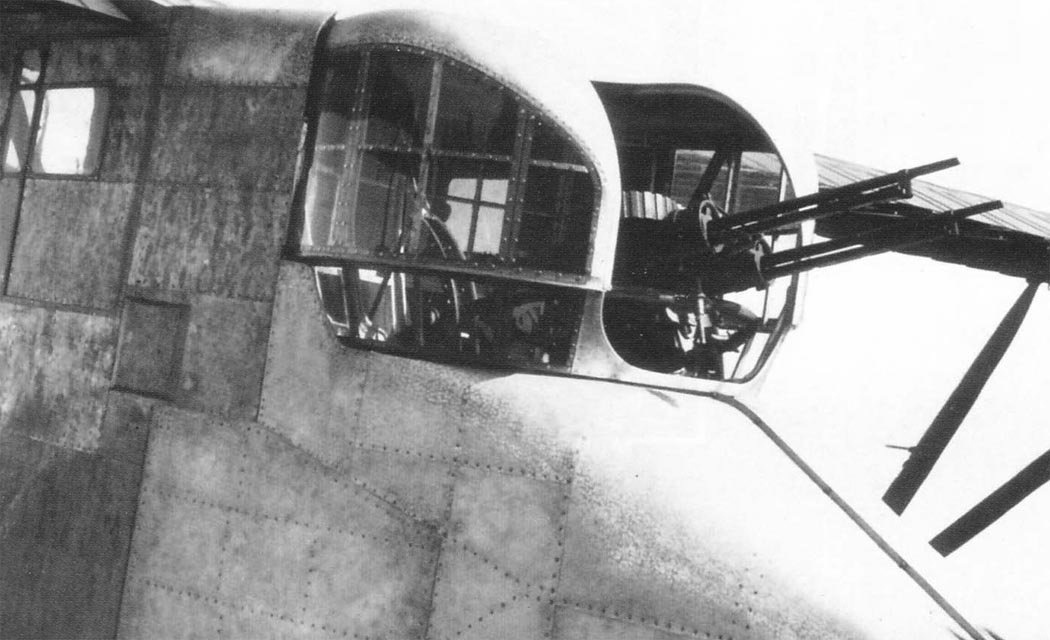 Br.410(411) |
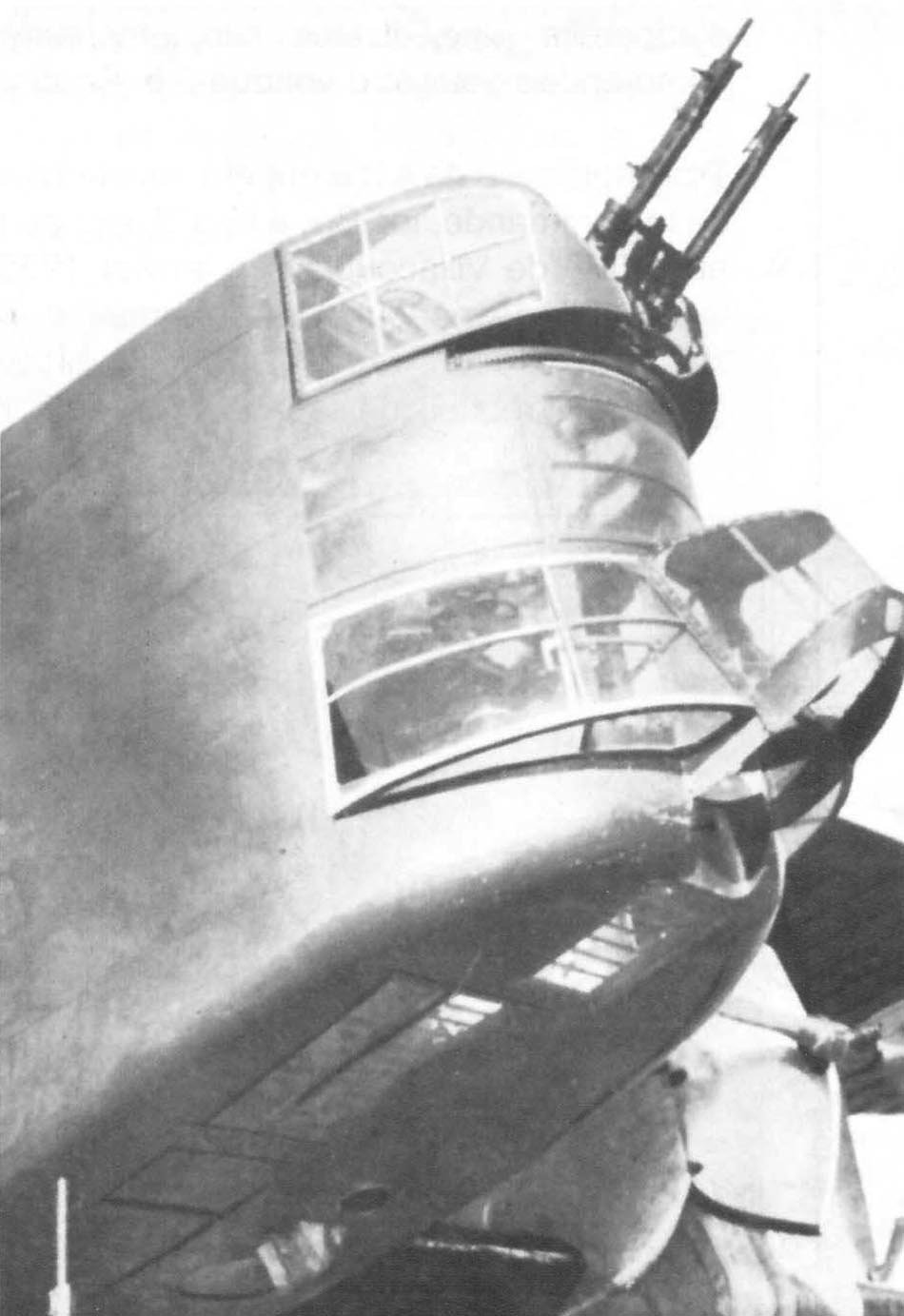 Br.410(411) |
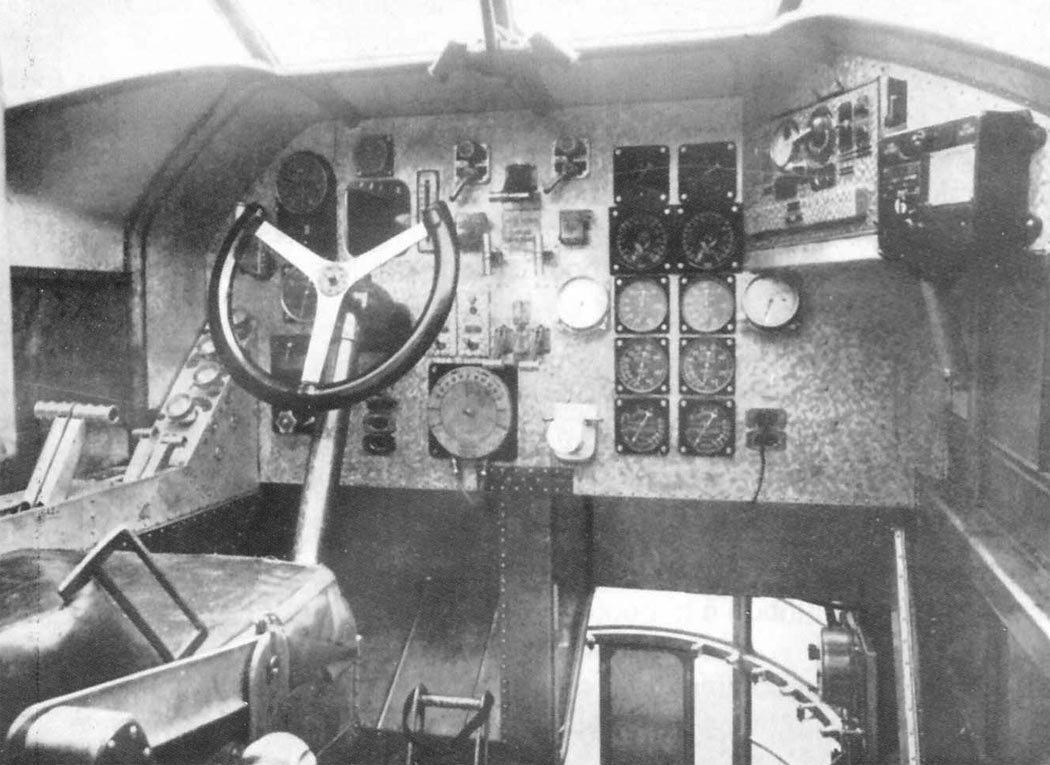 Br.410(411) |
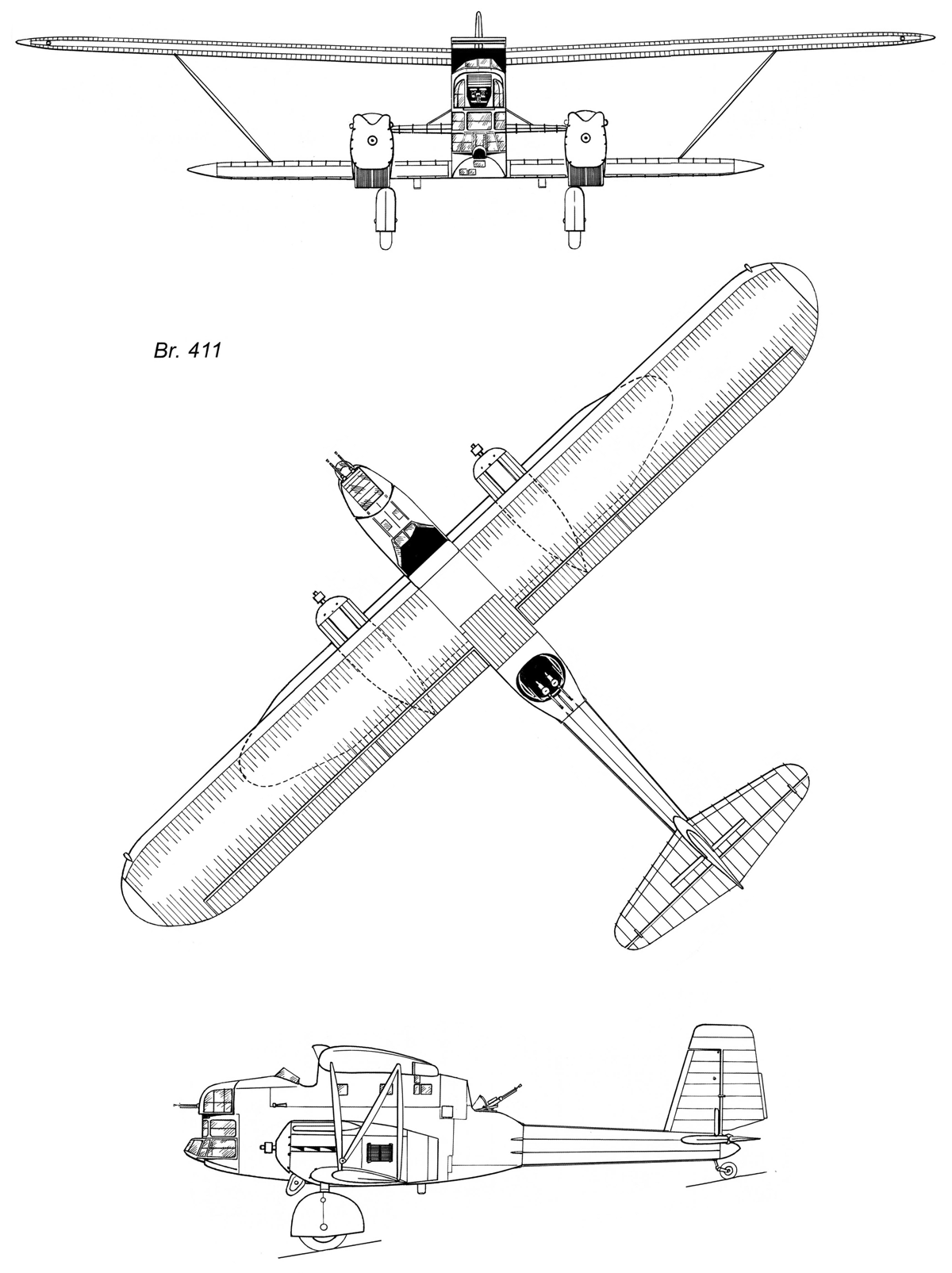 Br.410(411) |
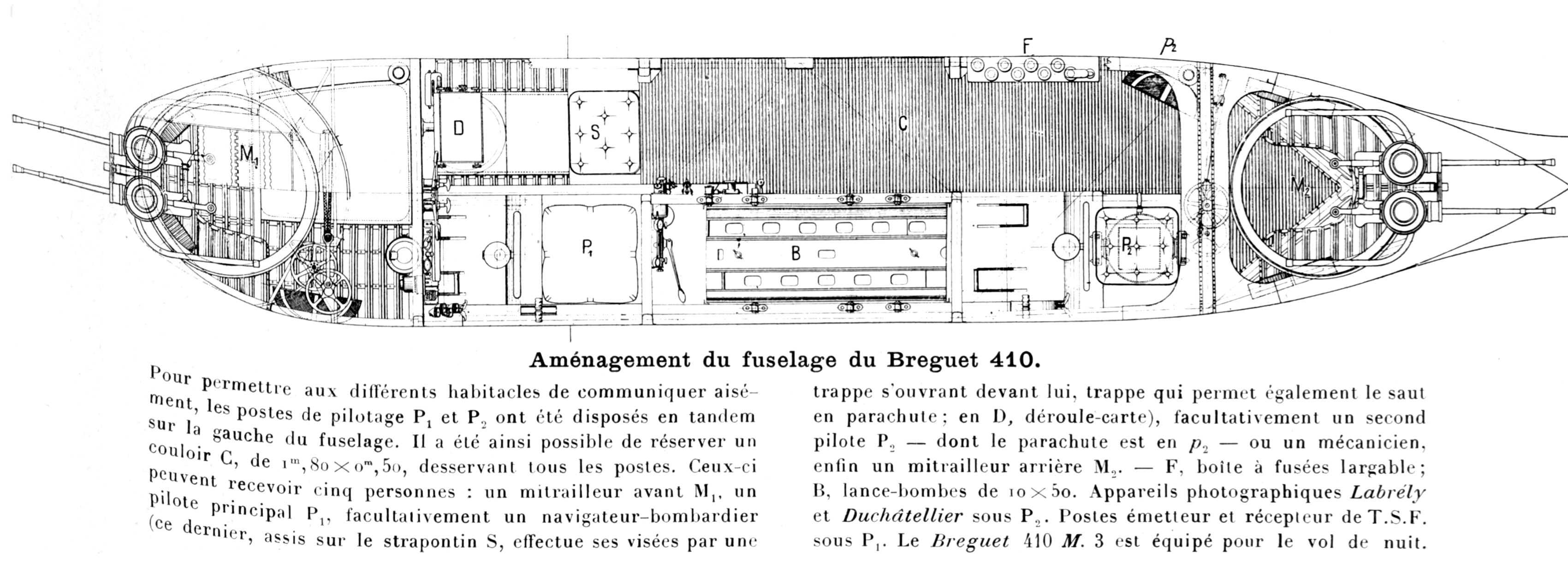 Br.410(411) |
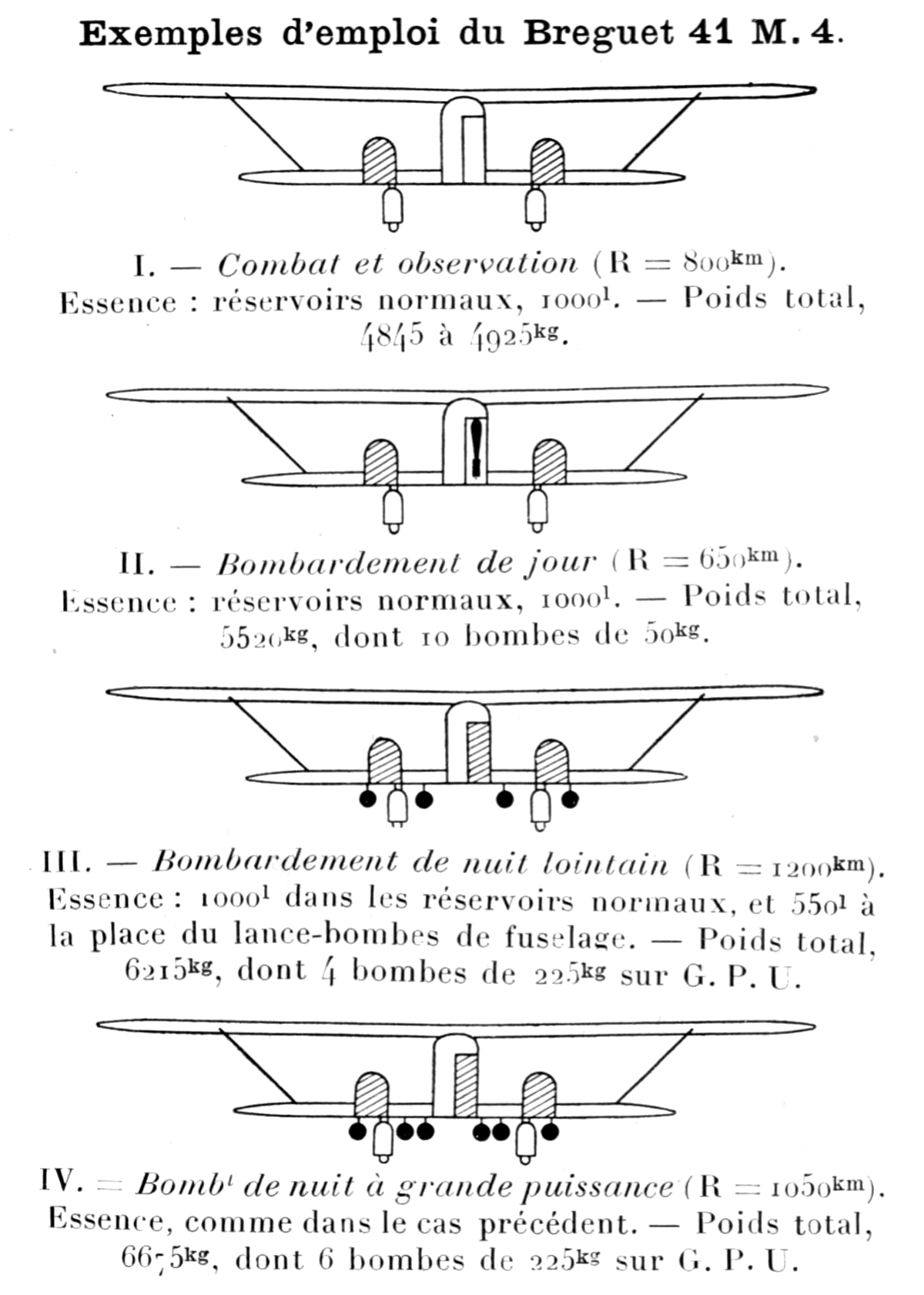 Br.410(411) |
ArchivoAéreo Editorial Team
A group of aviation researchers and enthusiasts dedicated to documenting and preserving global aeronautical history. All articles are reviewed to ensure historical accuracy.
Sources & Accuracy
The information presented in this technical sheet has been compiled from declassified flight manuals, historical archives, and specialized literature. While we strive for maximum accuracy, some performance data may vary depending on the specific variant or operational conditions.