Breguet Br.691/693
Origins and Development of the Br.690
In the mid-1930s, there was a clear resurgence of interest in the capabilities of two and three-seat twin-engine fighters on the European continent. Aircraft of this type had periodically appeared before, but they did not become widespread because the primary combat task of fighters—intercepting enemy aircraft—was more effectively performed by cheaper single-seat, single-engine machines.
Consequently, little attention was paid to the development of long-range heavy fighters. However, a moment arrived when the design of such aircraft began almost simultaneously in several countries. All were heavy twin-engine monoplane fighters with multi-role capabilities.
In 1934, work began in Augsburg (Germany) on the drawings of the machine that would later become known as the Messerschmitt Bf 110. In Amsterdam (Netherlands), work started on the project for the future light “cruiser” Fokker G.I. Meanwhile, in France, in October of the same year, the Air Force technical service issued requirements for a three-seat fighter with fixed forward-firing cannon armament, intended for interception, escort, and use as a leader for single-engine fighters.
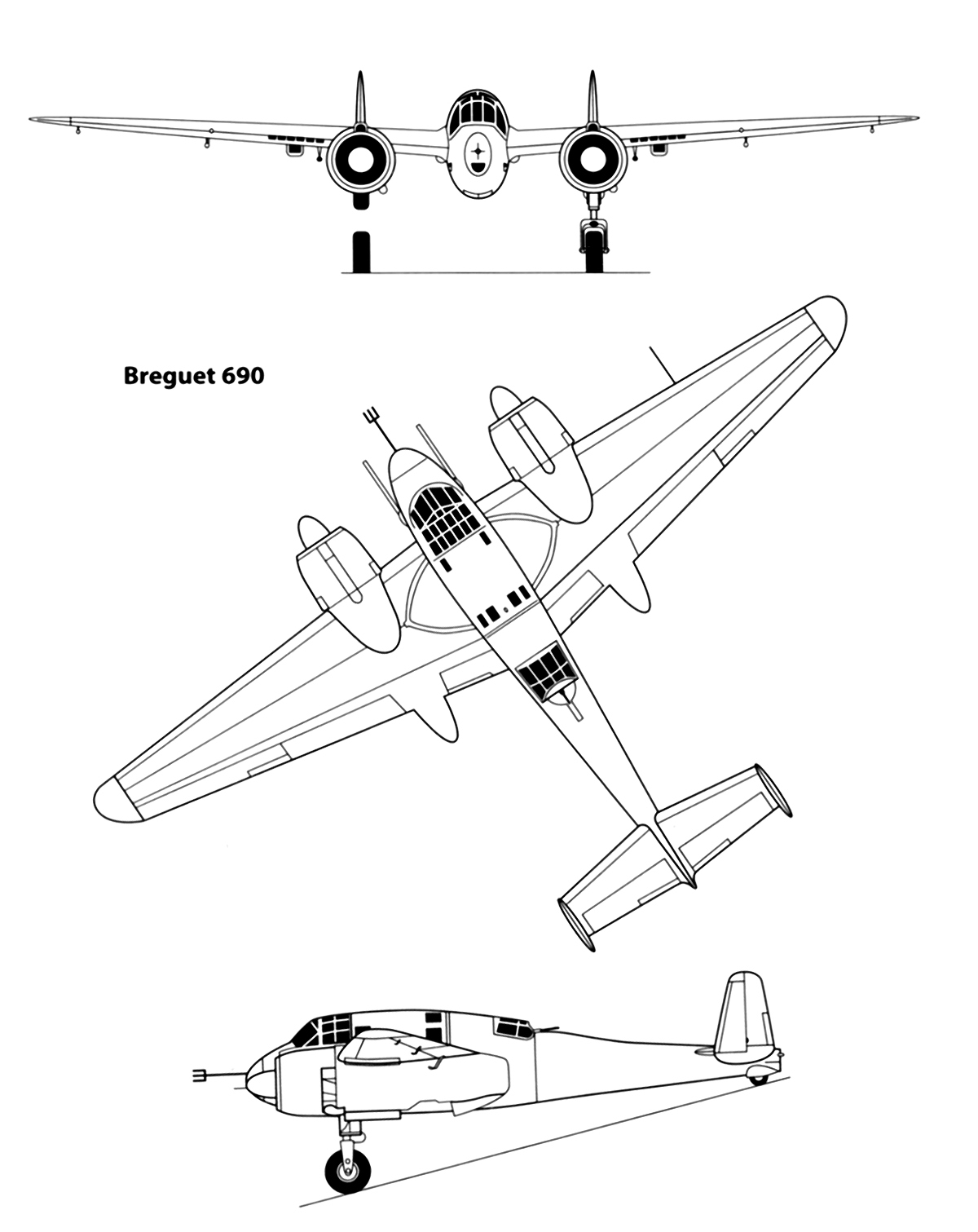
Eight French design bureaus entered the race in parallel with their counterparts in Germany and the Netherlands. The requirement for a C3 category aircraft (“Triplace de Chasse” – three-seat fighter) led to the Potez P.630, Hanriot 220, Loire-Nieuport LN.20, and Romano Ro.HO. But the most advanced in concept was the Breguet Br.690, developed by a team led by Georges Ricard.
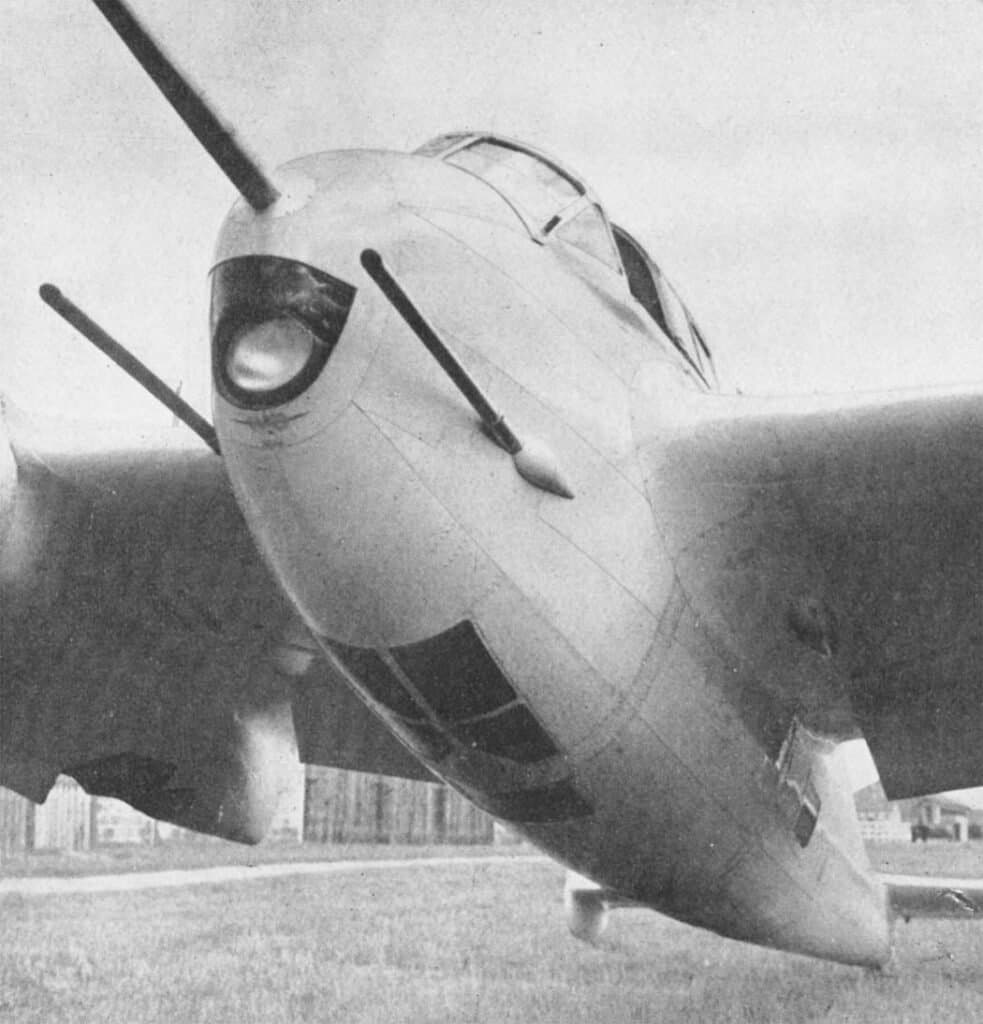
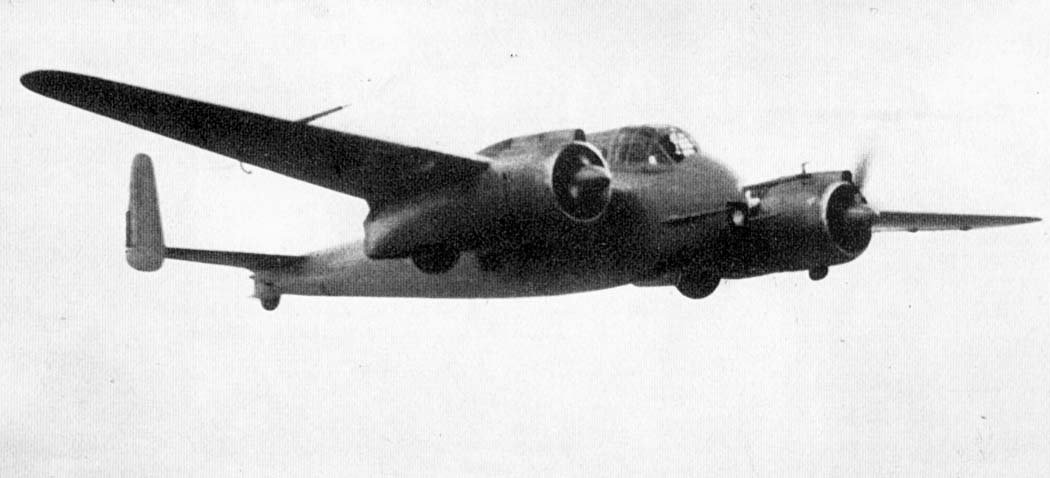
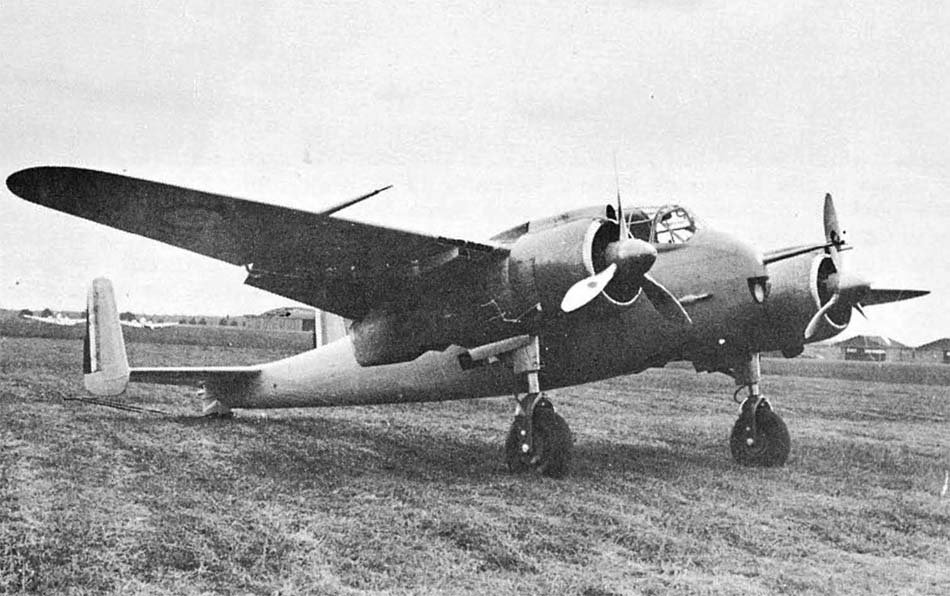
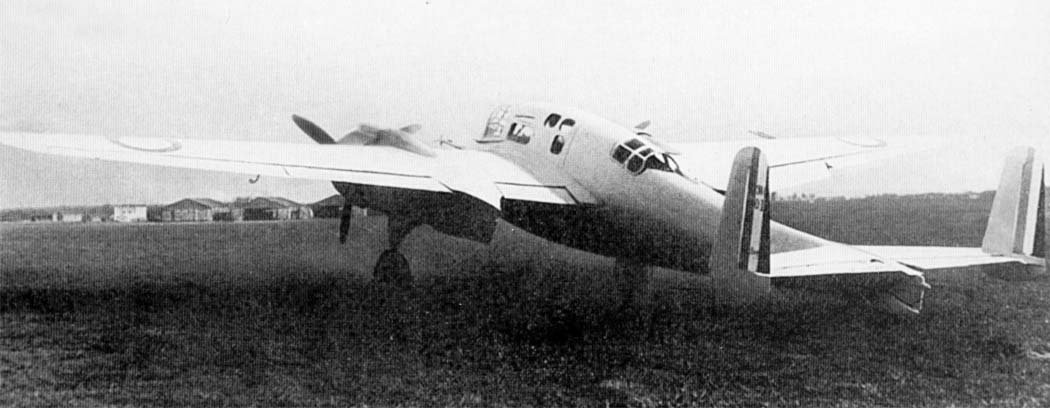
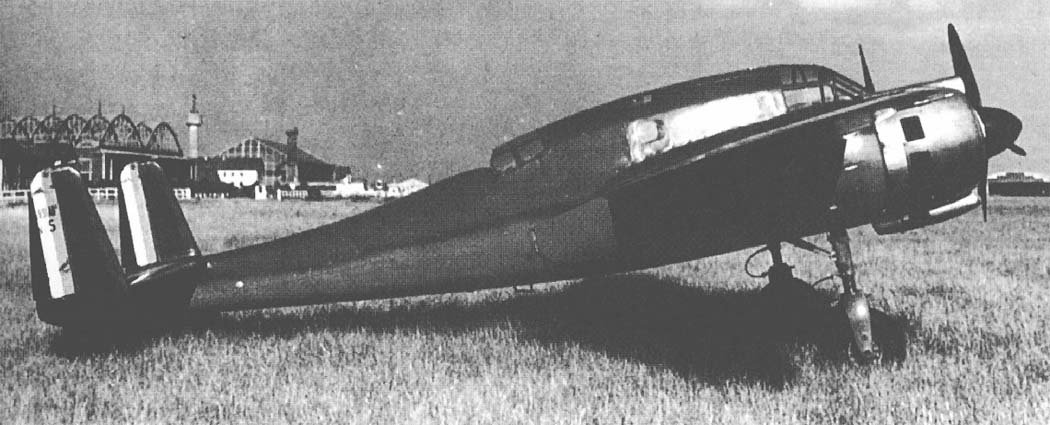
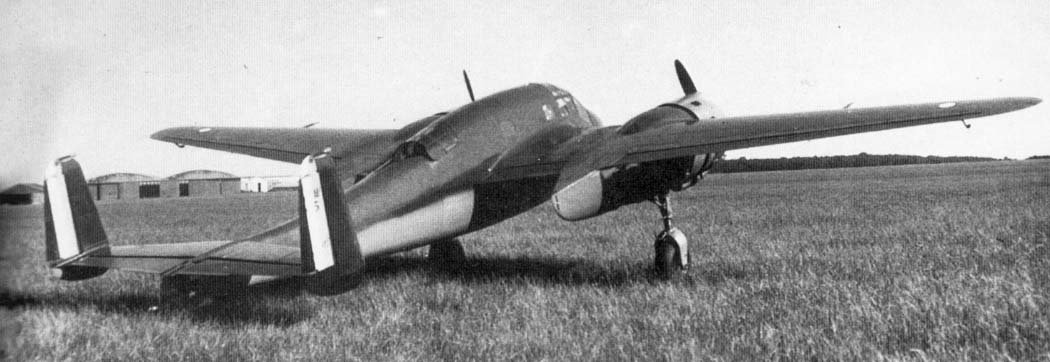
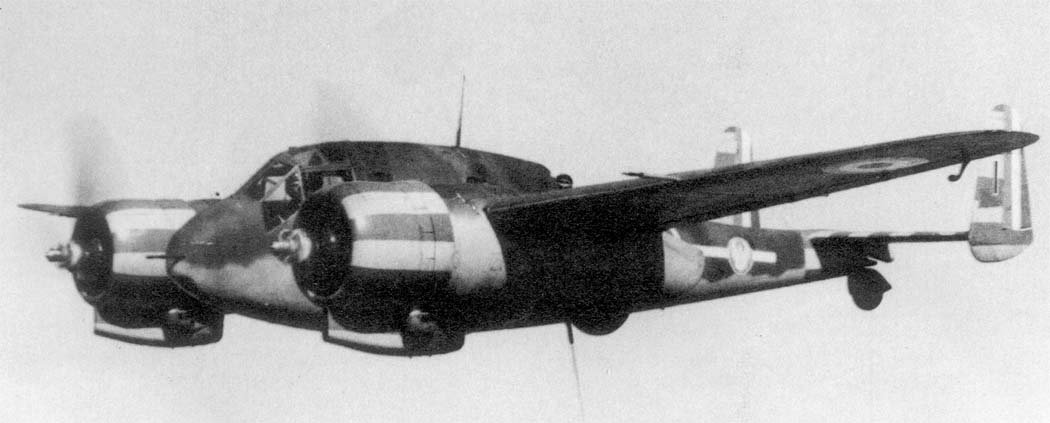
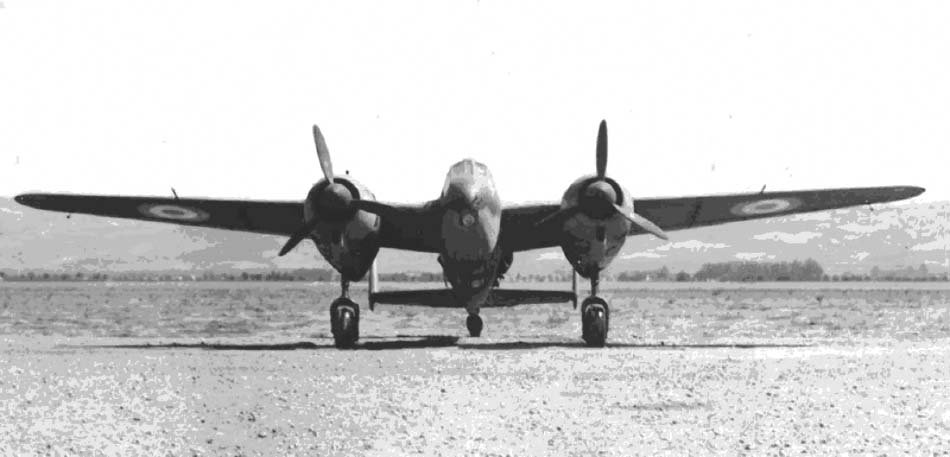
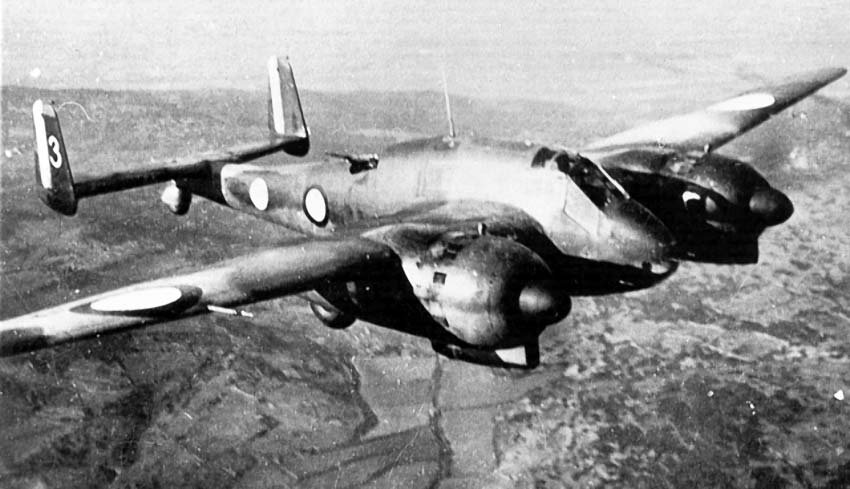
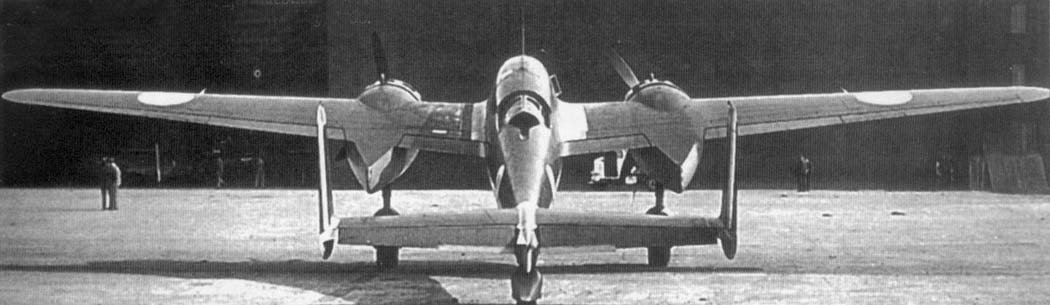
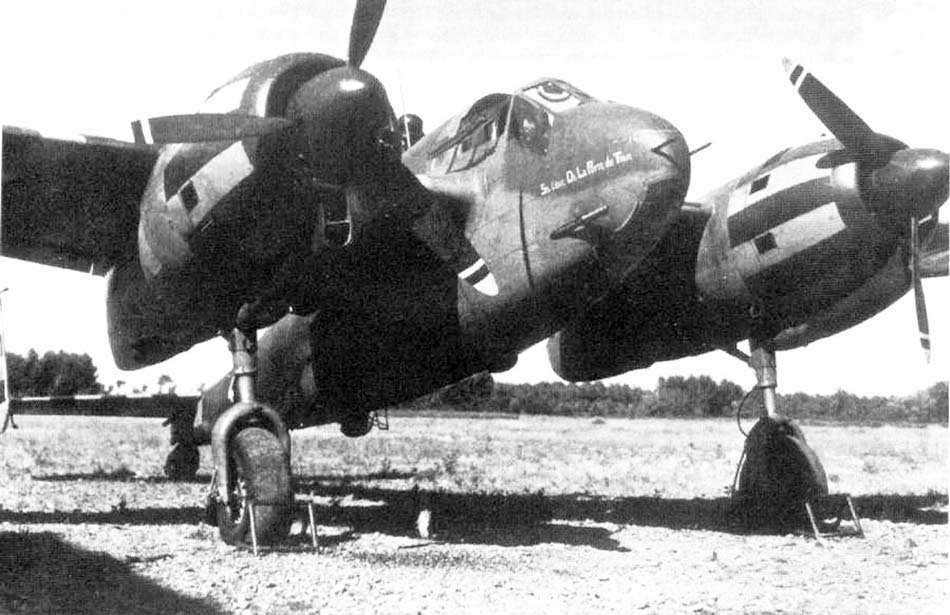
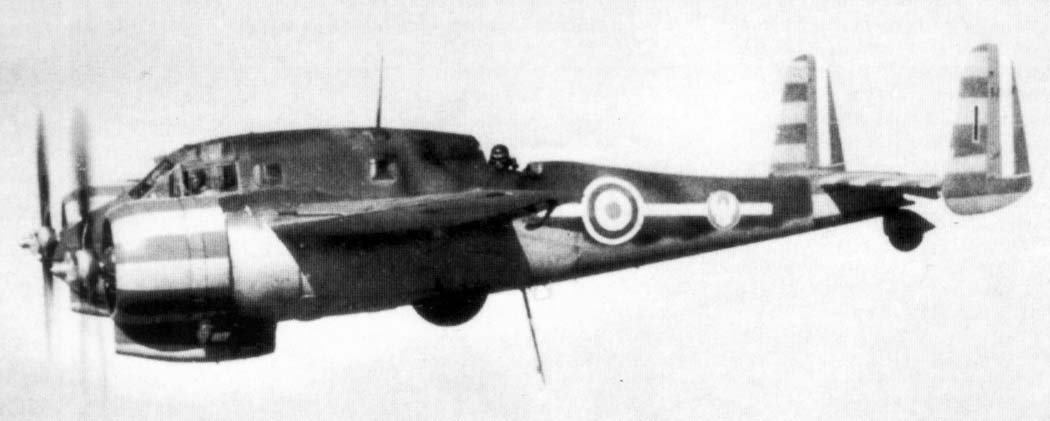
This robust, aesthetically attractive combat aircraft would, a few years later, be considered a lightened predecessor of the Bristol Beaufighter. The Br.690’s most distinctive feature was its very short fuselage nose; it was a cantilever mid-wing monoplane. The duralumin monocoque fuselage accommodated the pilot, navigator, and radio operator/gunner.
Armament consisted of two 20 mm Hispano-Suiza cannons in the fuselage (one to the left, one to the right of the pilot’s seat) and one 7.5 mm MAC 1934 machine gun on a movable mount in the rear cockpit. The wing was also all-metal, with a torsion box to which detachable leading and trailing edges were attached. Ailerons with metal frames and fabric covering, and pneumatically operated flaps, were fixed to the trailing edge of the wing.
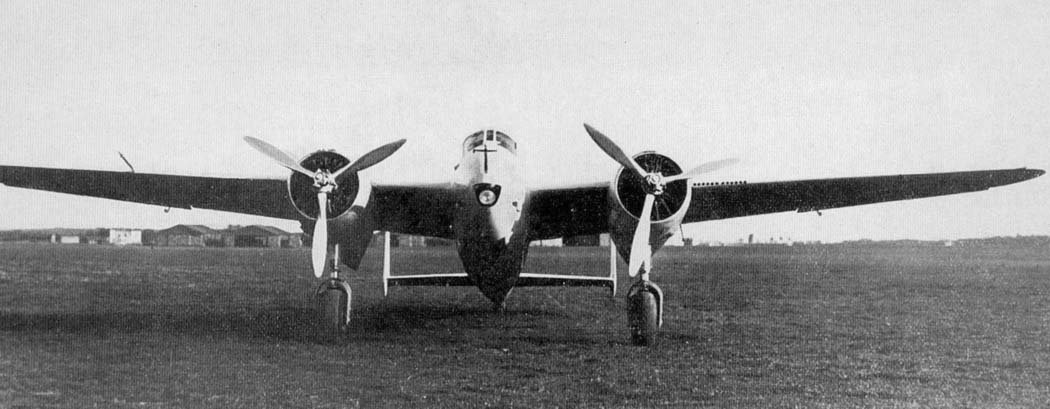
The wing was divided into two halves, bolted to the main fuselage bulkheads separating the three crew cabins. The tail unit had a similar construction to the wing, with control surfaces covered in fabric. The aircraft was powered by two 14-cylinder Hispano-Suiza 14AB 02/03 air-cooled radial engines.
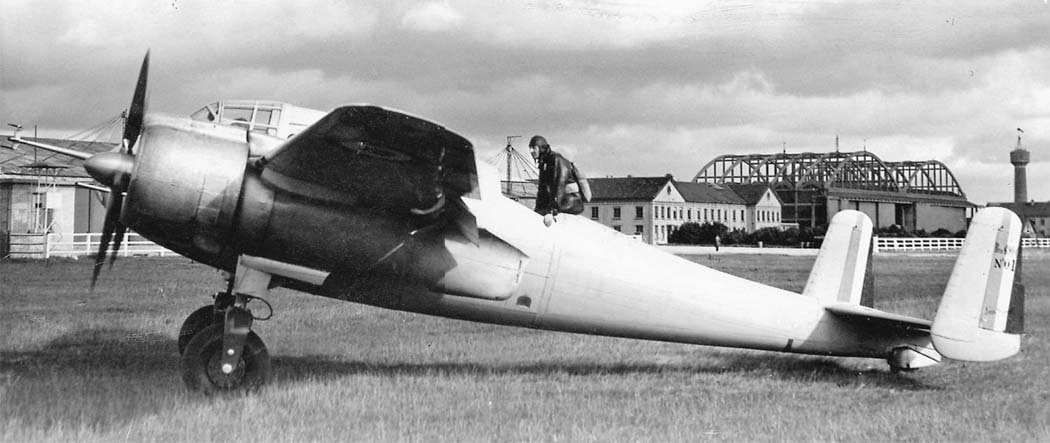
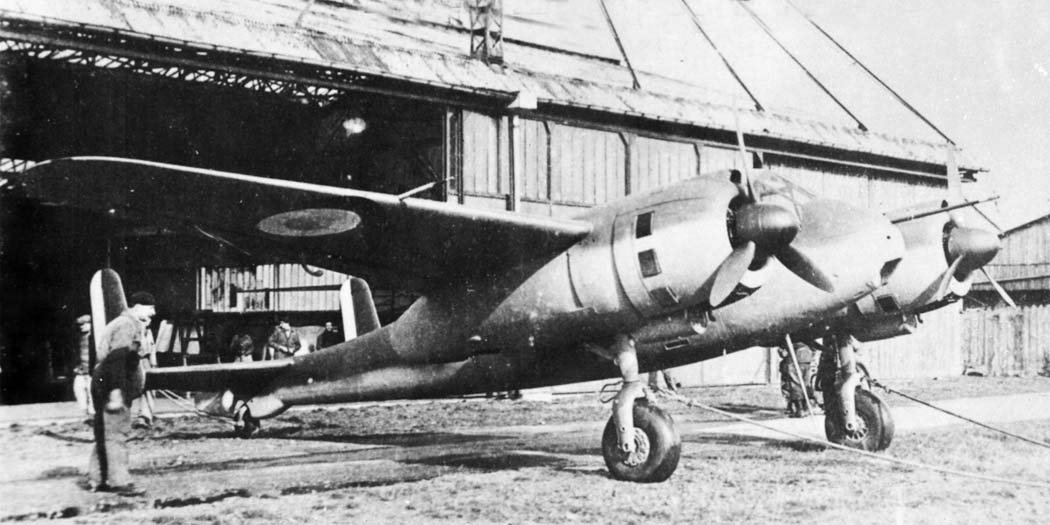
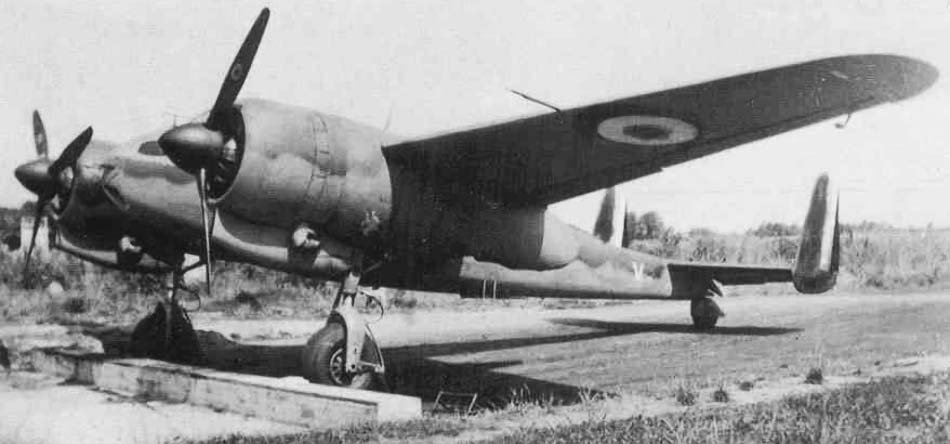
Each engine developed 680 hp at 3500 m and 650 hp at takeoff. These engines rotated three-bladed Hamilton propellers in opposite directions. The fuel supply of 705 liters was distributed between two 205-liter tanks in the wings and two 147-liter tanks in the engine nacelles. The wheels of the main landing gear retracted backward into the nacelles, and the long struts gave the aircraft a characteristic high parking angle. Construction of the prototype Br.690-01 began in Villacoublay in 1935, but the official order for this machine did not follow until March 26, 1937, by which time it was almost ready.
The Br.691: Adapting for Attack
At the same time, the Air Force technical service was studying potential requirements for an attack aircraft. The Air Force staff was divided on the approach to such a machine, with the most “hard-line” faction adhering to the old Douhet theory. However, the creator of the Br.690, Ricard, had considered the possibility of his machine performing such tasks from the outset. Preliminary estimations were made for a two-seat attack variant.
The construction of the Br.690-01 was already too far advanced to be converted into an attack aircraft without a serious delay to the test program. It was decided to leave it in its original form. But this sacrifice proved futile. Due to the priority given to the serial production of the P.630 for the supply of Hispano-Suiza engines, the prototype aircraft waited ten months until it received a pair of engines. Only on March 23, 1938, did Breguet’s chief pilot, Maurice Claisse, first lift the machine into the air.
Four months later, the Br.690-01 was sent for testing at CEMA. During official trials, the Breguet demonstrated complete superiority over the P.630 in flight performance, good handling, and excellent maneuverability. However, the landing gear’s oil shock absorbers proved to be insufficiently robust. The prototype had to be returned to the Breguet factory at the end of August for modifications.
Even before the Br.690-01 arrived at CEMA, the results shown by the aircraft during factory tests were so promising that on June 14, 1938, an order was issued for 100 machines in the two-seat attack-bomber variant, designated Br.691AB2. In subsequent months, this quantity was increased to 204 aircraft, although this decision met fierce resistance from certain Air Force staff members who denied the very necessity of a specialized attack aircraft.
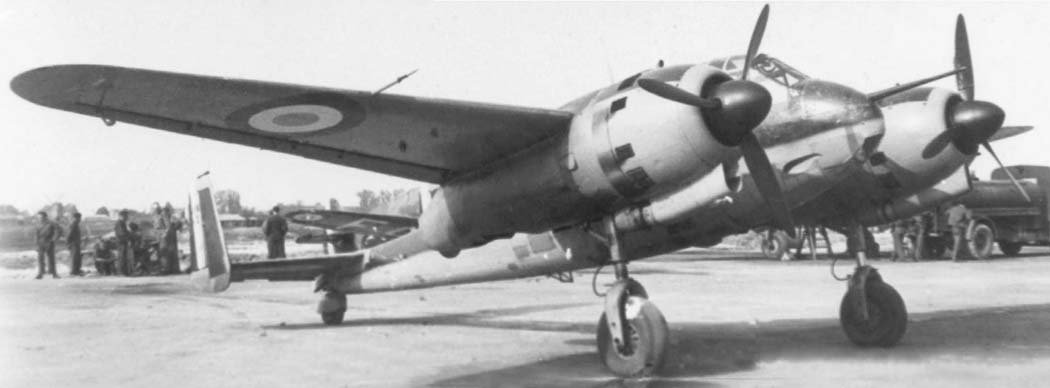
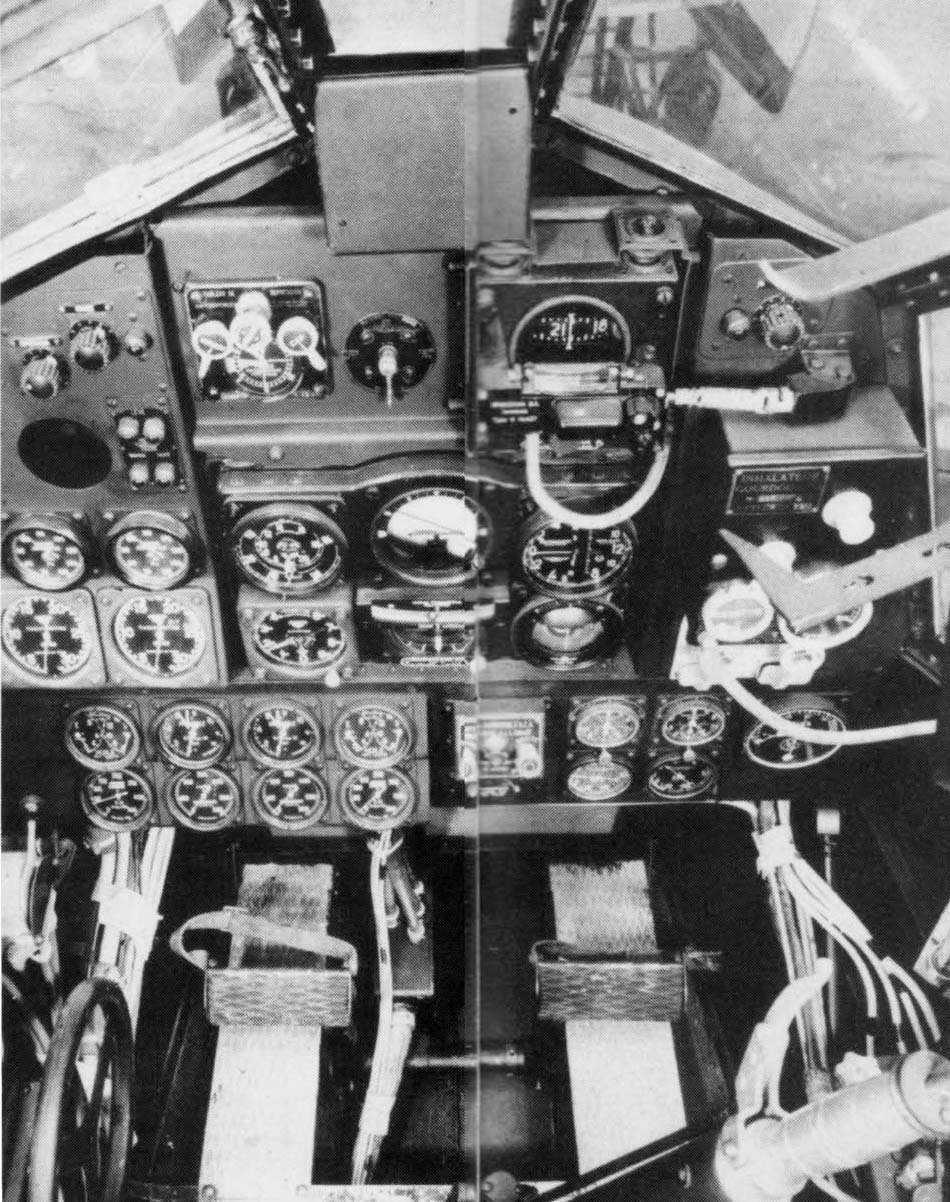
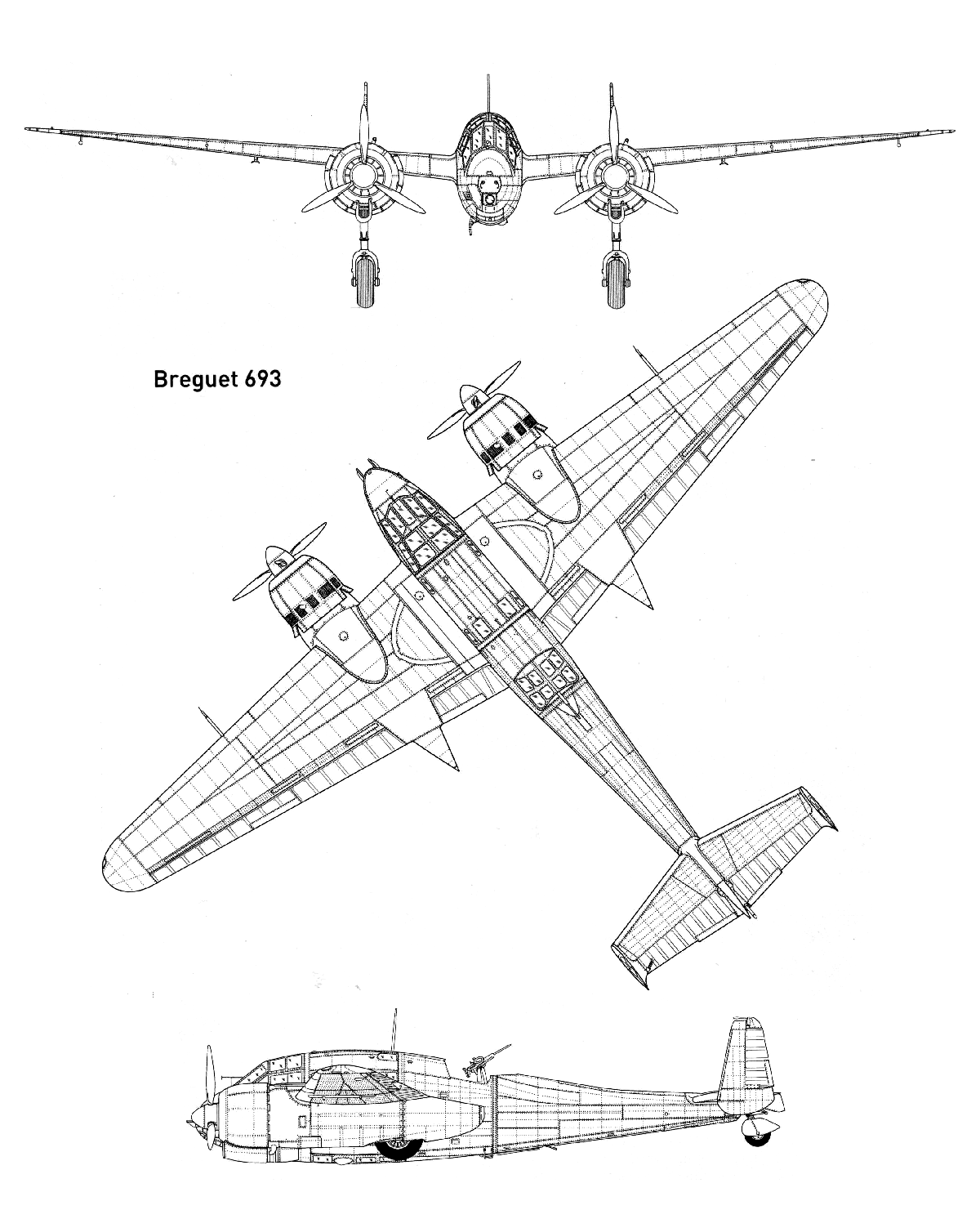
The conversion of the basic design for the new role did not pose serious problems. The main changes involved eliminating the navigator’s cockpit, which was located between the two main spars. Its place was taken by a bomb bay, where eight 50 kg bombs were arranged one above the other in a cassette. The number of cannons in the nose was reduced to one; a 20 mm HS404 cannon was located on the starboard side in the forward fuselage, fired by the pilot using a Baile-Lenard 40 sight, which also served for dive bombing.
Two 7.5 mm MAC 1934 machine guns were added to the cannon. Both the cannon and machine guns could be deflected downwards by 15° during ground attacks. A Fassin 20 camera was also mounted in the nose. The radio operator-gunner in the rear cockpit had a 7.5 mm MAC 1934 machine gun for rear defense on an Alcan 220 movable mount (later Alcan 224), and another such machine gun fired obliquely downwards and backward.
Compared to the Br.690-01, the attack aircraft was slightly longer due to a 0.3 m increase in the nose section. The engine mounts were lengthened by 0.24 m to maintain the aircraft’s center of gravity in its original position. The travel of the main landing gear and tail wheel shock absorbers was increased, and the tail wheel itself was made larger. Oil radiators were moved from the wing’s leading edge to under the engine nacelles.
Previously, the pilot’s canopy section slid backward; now, its halves hinged sideways. The total fuel capacity was increased to 986 liters, with an additional 140-liter tank added to each engine nacelle. The first 100 Br.691s were planned to be equipped with Hispano-Suiza 14AB10/11 engines, developing 700 hp at takeoff and 725 hp at 3250 m.
Subsequent machines were to receive 14AB12/13 engines, specially designed for low-altitude operations, with a takeoff power of 800 hp and 745 hp at 650 m. The first 50 aircraft were fitted with Ratier 1447/1448 propellers, and from the 51st aircraft, Hamilton HS1311/1312 propellers were introduced. The Breguet company quickly set up a production line for the Br.691. Less than a year after the serial production contract was signed, the first aircraft rolled off the line.
In fact, Br.691 No. 1 took to the air less than eight weeks after the prototype attack aircraft Br.691-01. The latter flew on March 22, 1939, and the production aircraft on May 15. In late August, Squadron 1/54, detached from the 54th Escadre, arrived in Orléans, where in October it received the first batch of five Br.691s.
The Hispano-Suiza 14AB engine, characterized by its small diameter, provided a favorable ratio between power and frontal area. However, it soon became clear that this engine did not possess the expected service life. Its “teething problems” could not be overcome, and reliability remained low. Since Hispano-Suiza had devoted all its efforts to developing liquid-cooled engines, there was little chance of success.
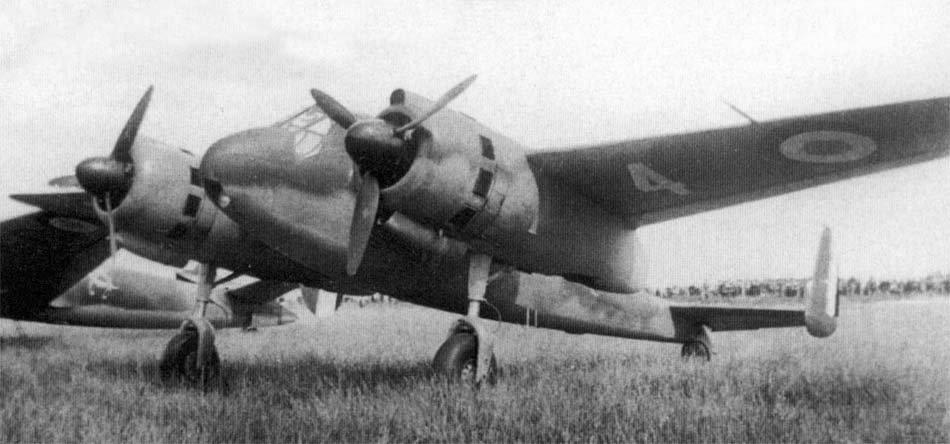
Therefore, it was decided to replace the Hispano with the even smaller-diameter Gnome-Rhône 14M radial engine. Consequently, Br.691 No. 19 was reconfigured on the assembly line for a pair of Gnome-Rhône 14M6/7 engines, developing 700 hp at takeoff and 660 hp at 4000 m. This aircraft began testing on October 25, 1939, as Br.693-01. On November 24, it was transferred to CEMA for official trials.
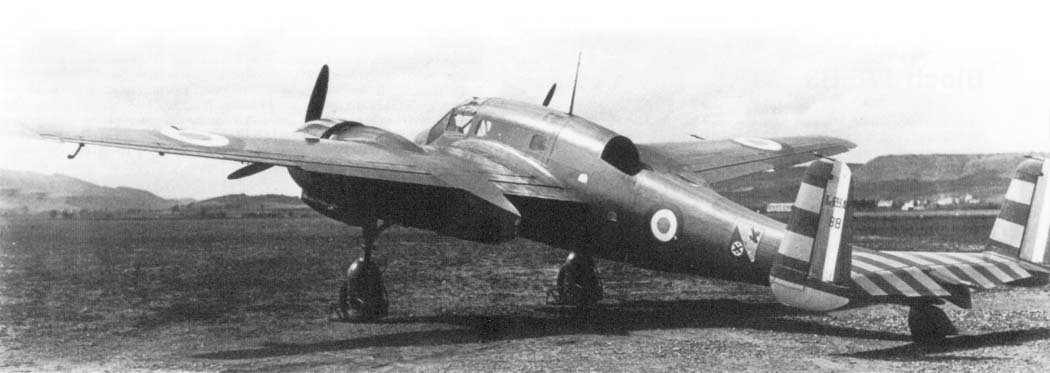
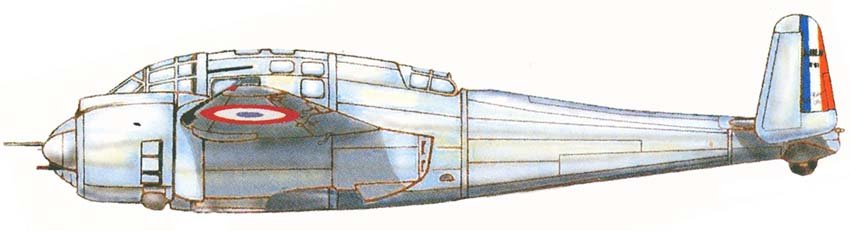
Since the flight performance after the engine change remained virtually unchanged, Breguet was instructed to cease production of the Br.691 after the 78th aircraft and to assemble all subsequent attack aircraft with Gnome-Rhônes as Br.693s from the 79th machine onwards. Accordingly, the 79th production aircraft took to the air on March 2, 1940, as Br.693 No. 1. Except for the engines, the Br.693 was identical to the Br.691. Their equipment and armament coincided, although later series machines introduced MAC 1934 machine guns mounted in the tail section of the engine nacelles.
Combat Operations and Production Halt
An additional order for the Br.693 was placed in Belgium at the “Société Anonyme Belge de Constructions Aéronautiques” (SABCA) factory, which was to produce nine aircraft for the French Air Force. SABCA also received an order for 32 Br.694s for the Belgian military aviation. However, the German occupation of the country prevented the production of even a single machine of this type.
The Br.694 was a tactical reconnaissance modification based on the Br.693. The crew consisted of three people, and the aircraft retained the ability to be used as an attacker. The development of this model began in the summer of 1939 at the request of the Swedish government, which subsequently issued an order for 12 aircraft. The Br.694 was to be equipped with two Gnome-Rhône 14M4/5 engines, delivering 710 hp at takeoff and 680 hp at 4000 m. The central part of the fuselage corresponded to the original Br.690 layout, restoring the cabin which housed an observer with a reconnaissance camera. Armament was reduced to one fixed machine gun forward and one on a movable mount in the rear cockpit.
The Swedish order for the Br.694 was canceled, but the Belgian military showed interest in a slightly modified variant of this modification with more powerful forward-firing armament, capable of acting both as a three-seat reconnaissance aircraft and a two-seat bomber. The Br.694-01 prototype first flew in Villacoublay on January 20, 1940. On June 1, it was transferred to naval aviation, as the Navy had at one point planned to order 100 Br.693s for shore-based units.
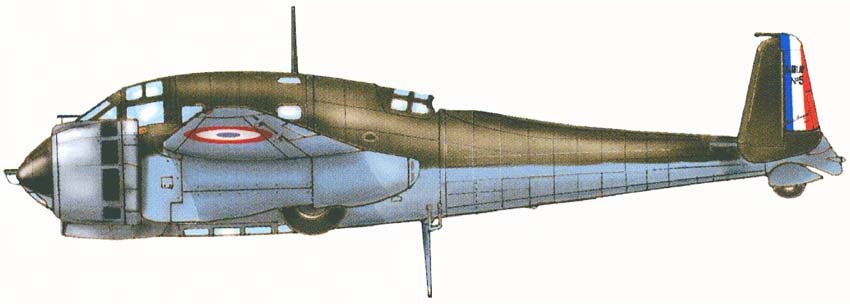
In 1939, a policy was actively pursued to adapt all types of combat aircraft to alternative American or British-made engines as a precautionary measure in case French engine factories were put out of action. Accordingly, the Br.690-01 was fitted with a pair of 14-cylinder twin-row Pratt & Whitney SB4-G “Twin Wasp Junior” radial engines, transforming it into the prototype of the Br.695 modification.
The Pratt & Whitney engine, delivering 825 hp at takeoff and 750 hp at 2740 m, was lighter than the Gnome-Rhône, but its outer diameter was 1.12 m, approximately 20% larger than the French engine (with a diameter of 0.95 m). To the worse power-to-frontal-area ratio was added the fact that the American engine could not be accommodated under the cramped cowlings designed for the Gnome-Rhônes.
The engine mount had to be completely redesigned and lengthened, while to maintain the center of gravity position, the lighter American engines had to be moved even further from the wing’s leading edge. The nacelles themselves were also largely re-engineered. The significantly larger diameter cowlings severely restricted the pilot’s side view. Increased drag reduced speed by about 6%, and takeoff and landing characteristics also deteriorated somewhat. As a result, the Br.695 did not achieve the popularity of the Br.693 in Air Force units.
A contract for the production of an initial series of 15 Br.695AB2s was signed on July 27, 1939. Five weeks later, on September 2, the order was significantly increased. Despite the aforementioned drawbacks, flight tests of the Br.695-01, which concluded on March 3, 1940, were deemed successful. On April 23, the first production Br.695 No. 1 already took to the air, and in the first week of July, machines of this type began arriving at units of the 18th Groupement (division).
The flexibility of the basic design, allowing it to be easily adapted for various roles, as well as the strength and good aerodynamics of the airframe, permitting the installation of increasingly powerful engines, led to a number of experimental variants and projects for many other modifications. Even in the early stages of design, Ricard explored the possibility of installing 14-cylinder twin-row Gnome-Rhône 14N radial engines, developing 980 hp at 4530 m, on his aircraft. This project was designated Br.692AB2.
Although an increase in flight performance due to greater thrust was certainly desirable for the Br.692, the large diameter of the 14N engine (1.29 m) required such significant configuration changes that this modification did not progress beyond the drawing board. For the Br.692B2, the aircraft’s mission was intended to be changed. This was a two-seat light bomber based on the Br.693 with Gnome-Rhône 14M6/7 engines. The Br.696 featured a slightly enlarged bomb bay, allowing for four 100 kg bombs or two 200 kg bombs, arranged one above the other.
During bombing, the bombardier-radio operator aimed through a Bronzavia D30 periscopic sight, which passed through the floor of his cabin. Fixed, forward-firing armament was reduced to two 7.5 mm MAC 1934 machine guns, while rear defense was still provided by another such machine gun on a movable mount. The prototype of this modification, the Br.696-01, made its first flight on November 3, 1939.
The SNCAC concern’s factory in Bourges (formerly owned by Hanriot) was instructed to prepare tools and equipment for the production of the Br.696B2. However, the priority given to attack aircraft led to the abandonment of Br.696 production in Bourges in favor of the Br.697AB2. Production of the latter began there in the spring of 1940, starting with No. 1001.
Despite the demise of the Br.692 project, Br.671 No. 17 (likely a typo, probably Br.691 No. 17) was indeed fitted with Gnome-Rhône 14N48/49 engines, developing 1070 hp at 2210 m. This work was part of the program to create the two-seat heavy fighter Br.700C2, which appeared on Ricard’s drawing boards in mid-1939. The experimental aircraft with the 14N 48/49 was designated Br.697-01. It first flew on October 19, 1939, in Villacoublay, demonstrating a significant increase in climb rate and a maximum speed of 570 km/h.
On February 17, 1940, two prototypes of the Br.700C2 fighter were ordered, but only a full-scale mockup was built. The work was interrupted by the German occupation, and the experimental Br.697-01 was destroyed to prevent it from falling into enemy hands. The Br.700C2 project was based on the Br.690 airframe, but its armament included a fixed 30 mm cannon forward. Calculations estimated a maximum speed of 600 km/h at 4000 m.
Another project that was not realized was the Br.698Bp2, a two-seat dive bomber. It was developed to the same Air Force requirements as the Potez P.63.13, and the engines for the Br.698Bp2 were intended to be the same as those for the Br.693. Special ailerons, functioning on the same principle as a similar Junkers system, acted as aerodynamic brakes. During the occupation, Georges Ricard was arrested by the Gestapo at the request of the Reich Air Ministry, which wanted to ascertain whether this component was the result of French espionage.
Another planned modification was the Br.699B2, which was a Br.696 but with SB4-G “Twin Wasp Junior” engines. Like the Br.698Bp2, it did not progress beyond the drawings. The final modification of the basic Br.690, created by Ricard, was the Br.810—a two-seat naval attack-bomber. It was a response to the AB2 program requirements issued in October 1939. The Br.810 airframe was similar to its predecessors, but the wings could fold, and landing flaps and a tailhook were introduced. The machine was intended to be equipped with Gnome-Rhône 14M4/5 engines.
In October 1939, Squadron 1/54 began its transition to the Br.691. The following month, two other squadrons from the 54th Escadre also began retraining on this aircraft. In December, all three were combined into the 6th Attack-Bomber Brigade. In January of the following year, the 51st Escadre also began re-equipping with the Br.691. Soon, the new aircraft became very popular with pilots, although among ground crews, their reputation was poor due to the low reliability of the Hispano-Suiza engines. The landing gear also caused many problems.
On April 15, the 6th Brigade was disbanded. The 54th Escadre was transformed into the 18th Groupement (including groups GBA I/54 and II/54), and the 51st Escadre into the 19th Groupement (GBA I/51 and II/51). At the same time, the 18th Groupement began receiving the first Br.693s. By May 11, 1940, GBA I/54, based in Montdidier, had 14 Br.693s, and GBA II/54, in Rouy, had 12 Br.693s.
GBA I/54 conducted its first combat mission on the evening of May 12, when 11 Br.693s attacked German columns near Tongeren. The aircraft were met with heavy ground fire. Seven machines were shot down during this raid. One attacker was so badly damaged that it crashed upon landing in Bapaume, and another made a forced landing in Berry-au-Bac. Only two aircraft were able to return to Montdidier, one of which received so many hits that repairing it was pointless.
GBA II/54, which was performing a similar mission in the same area with seven Br.693s, was luckier, losing only one aircraft. At this time, the 19th Groupement was retraining on the Br.693 in southern France. Group GB II/35, which began re-equipping with the Br.691 in Briare in March and had received its first three Br.693s (from those produced by SNCAC) a few days earlier, was considered a reserve of equipment and crews.
When the advance of German tank divisions forced the 18th Groupement to retreat to Briare, pilots from GBA II/35 were transferred to replenish losses. The 19th Groupement also took an active part in the fighting, being hastily transferred north. On May 19, it arrived in Étampes. This unit had not yet completed its transition to the Br.693; six P.633s, used during retraining, remained in its composition. Some of them flew alongside the Br.693s during their first combat mission on May 20, when 14 aircraft attacked the enemy in the Arras area. The P.633s were withdrawn from service two days later.
The Br.693s fought with varying success. If surprise could be achieved, losses were insignificant. After the disastrous sortie by GBA I/54 on May 12, various tactics were tried. The most successful proved to be a dive attack at a 45° angle from an altitude of about 900 m, with bombs released from approximately 300 m. Before this, the target was approached at low altitude.
The 18th and 19th Groupements carried out combat sorties until the ceasefire, retreating from one airfield to another. By May 25, they had completed about 500 sorties and lost 47 aircraft. The robust construction of the Br.693 allowed many machines of this type to return to their bases, having sustained multiple damages from anti-aircraft fire. If not for the extremely simple repairs, ensured by well-thought-out design solutions (for example, a complete engine replacement took only 1 hour and 20 minutes), it would have been difficult to maintain the combat effectiveness of the groups under conditions of constant relocation from one site to another.
The armament of the Br.693 proved to be very effective. At the same time, there was no doubt that the Gnome-Rhône engines would have been better if they had developed maximum power at a lower altitude than 4000 m. This is where the error of the Air Ministry became evident, which, despite the specific low-altitude combat tasks of the Br.693, did not insist on installing a Gnome-Rhône variant adapted for low altitudes.
Production of the “690” family of aircraft ceased when German troops approached Villacoublay, and a few days later, Bourges. The Villacoublay factory managed to assemble 224 Br.693s and 50 Br.695s, of which 106 and 33 respectively actually entered service with the French Air Force, despite a shortage of various equipment. SNCAC produced 30 Br.693s in Bourges; the 24th of these (No. 1024) made its acceptance flight on June 9, 1940.
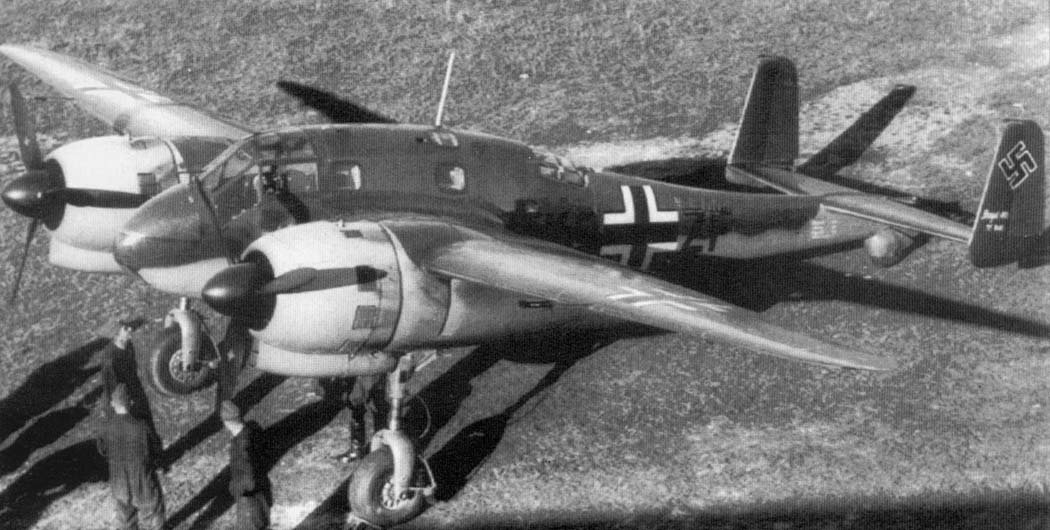
According to the armistice terms, groups GBA II/35, II/51, and II/54 were disbanded, but the Vichy government was allowed to retain the 18th Groupement, comprising groups GBA I/51 and GBA I/54 (a total of 26 aircraft), at Lézignan airfield. The GBA I/51 group’s inventory included several Br.695s. All these aircraft were captured by the enemy in November 1942, when the Germans entered Vichy government territory. Some of them, as well as machines found in storage, were transferred to Italy, where the Italian Air Force used them for training.
Technical Specifications
| Modification | Br.693 |
| Wingspan, m | 15.37 |
| Length, m | 9.67 |
| Height, m | 3.19 |
| Wing area, m2 | 29.20 |
| Empty weight | 3010 |
| Normal takeoff weight | 4500 |
| Maximum takeoff weight | 4900 |
| Engine type | 2 Piston engines Gnome-Rhône 14M-6/7 |
| Power, hp | 2 x 700 |
| Maximum speed at altitude, km/h | 427 |
| Maximum speed at sea level, km/h | 390 |
| Cruising speed, km/h | 400 |
| Practical range, km | 1350 |
| Rate of climb, m/min | 556 |
| Practical ceiling, m | 8400 |
| Crew | 2 |
| Armament | One 20-mm Hispano-Suiza 404 cannon; two 7.5-mm forward Darne MAC1934 machine guns; one 7.5-mm Darne machine gun on a flexible mount in the rear cockpit (100 rounds); one 7.5-mm fixed machine gun, mounted obliquely under the fuselage for firing at the rear hemisphere (500 rounds); (on later variants) one 7.5-mm machine gun in each engine nacelle for firing at the rear hemisphere; Bombs up to 400 kg (8 x 50 kg bombs). |
Image and diagram gallery of the Breguet Br.691/693
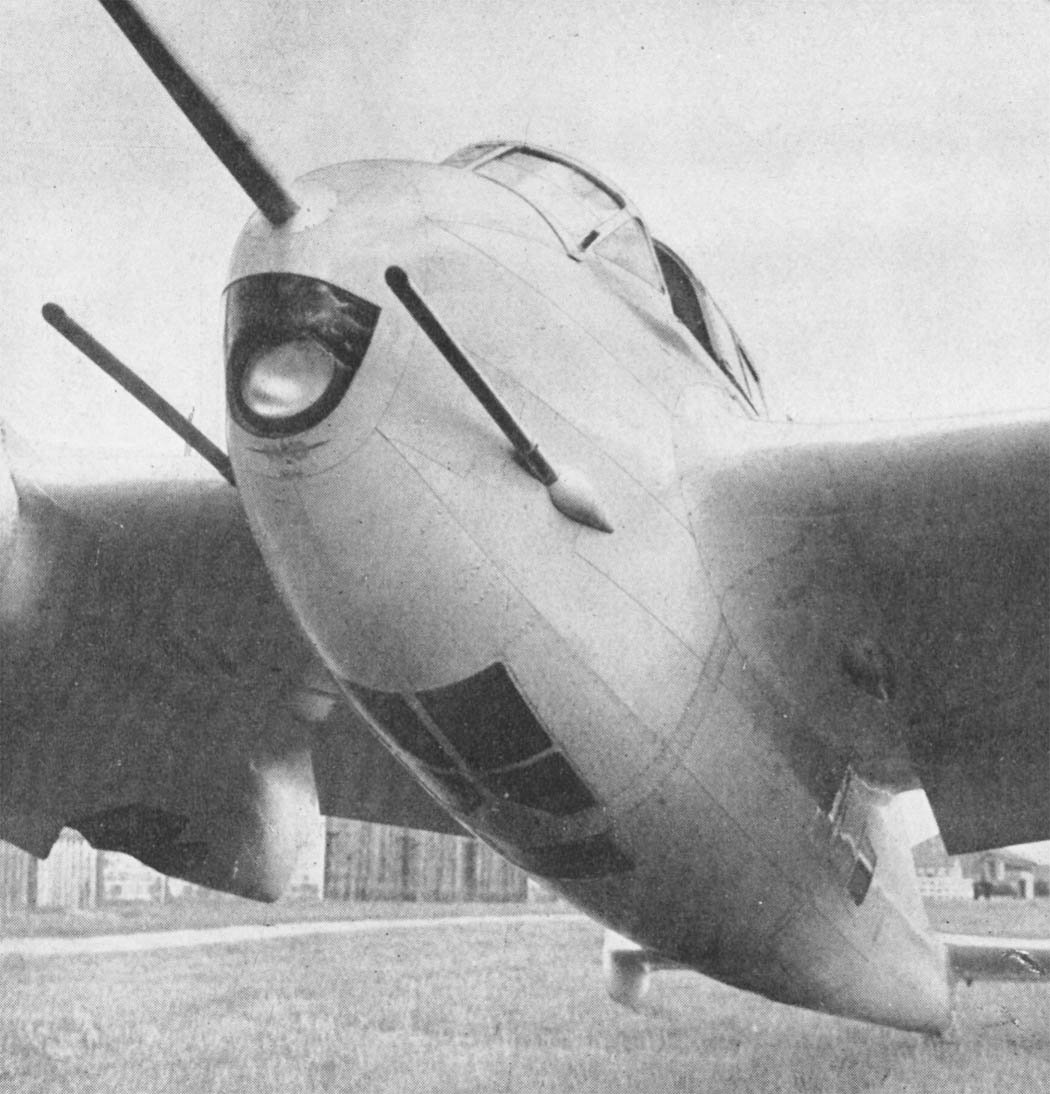 Br.691(693) |
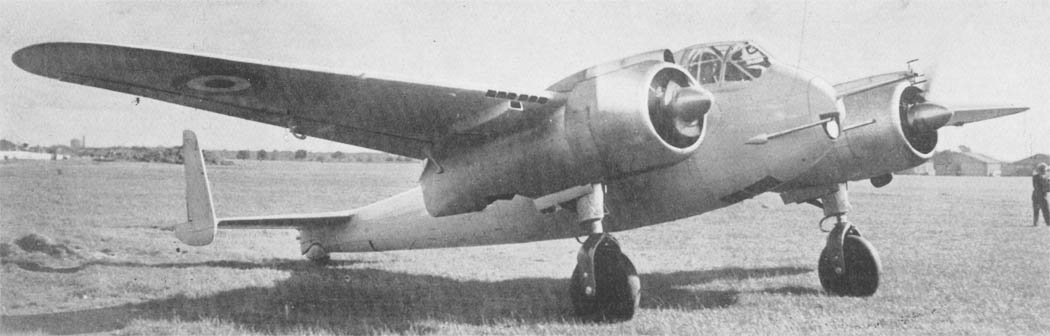 Br.691(693) |
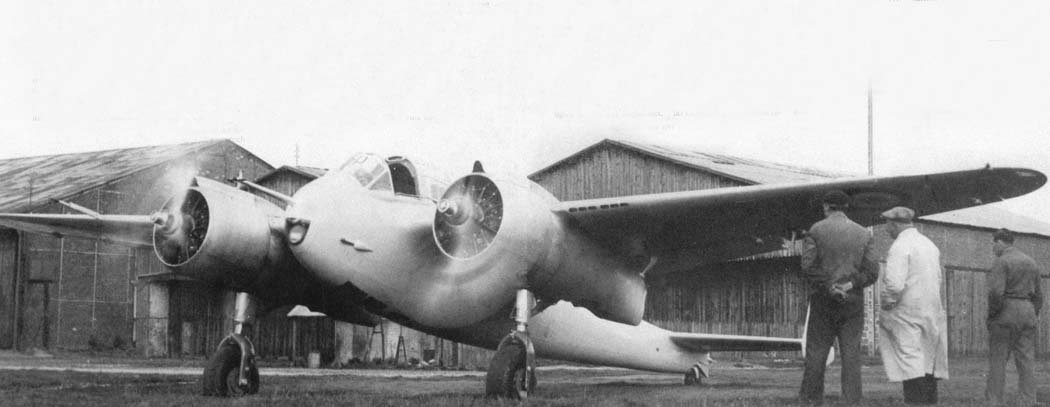 Br.691(693) |
 Br.691(693) |
 Br.691(693) |
 Br.691(693) |
 Br.691(693) |
 Br.691(693) |
 Br.691(693) |
 Br.691(693) |
 Br.691(693) |
 Br.691(693) |
 Br.691(693) |
 Br.691(693) |
 Br.691(693) |
 Br.691(693) |
 Br.691(693) |
 Br.691(693) |
 Br.691(693) |
 Br.691(693) |
 Br.691(693) |
 Br.691(693) |
 Br.691(693) |
 Br.691(693) |
 Br.691(693) |
 Br.691(693) |
 Br.691(693) |
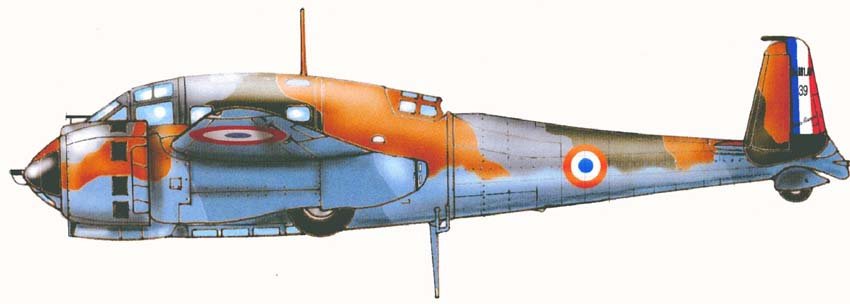 Br.691(693) |
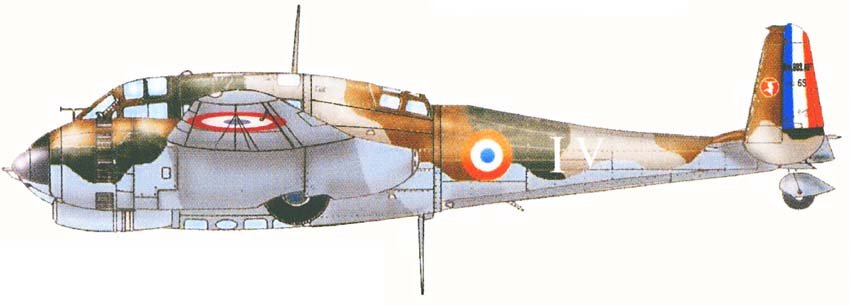 Br.691(693) |
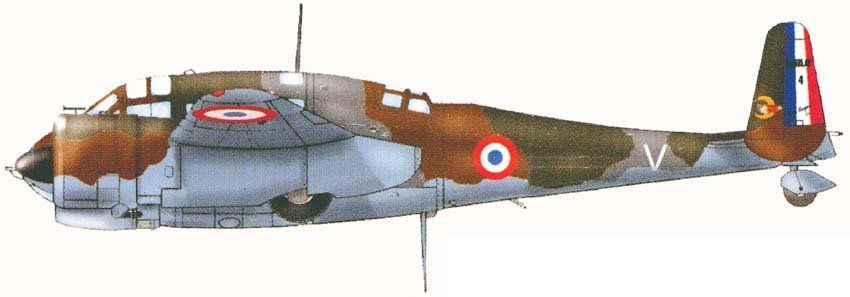 Br.691(693) |
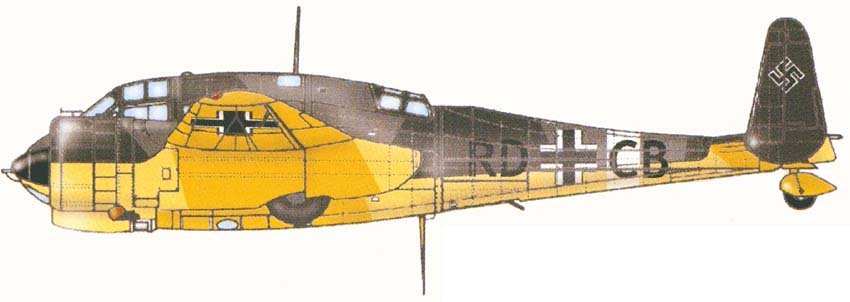 Br.691(693) |
ArchivoAéreo Editorial Team
A group of aviation researchers and enthusiasts dedicated to documenting and preserving global aeronautical history. All articles are reviewed to ensure historical accuracy.
Sources & Accuracy
The information presented in this technical sheet has been compiled from declassified flight manuals, historical archives, and specialized literature. While we strive for maximum accuracy, some performance data may vary depending on the specific variant or operational conditions.