Breguet Br.XXI
Initial Development and Exhibition
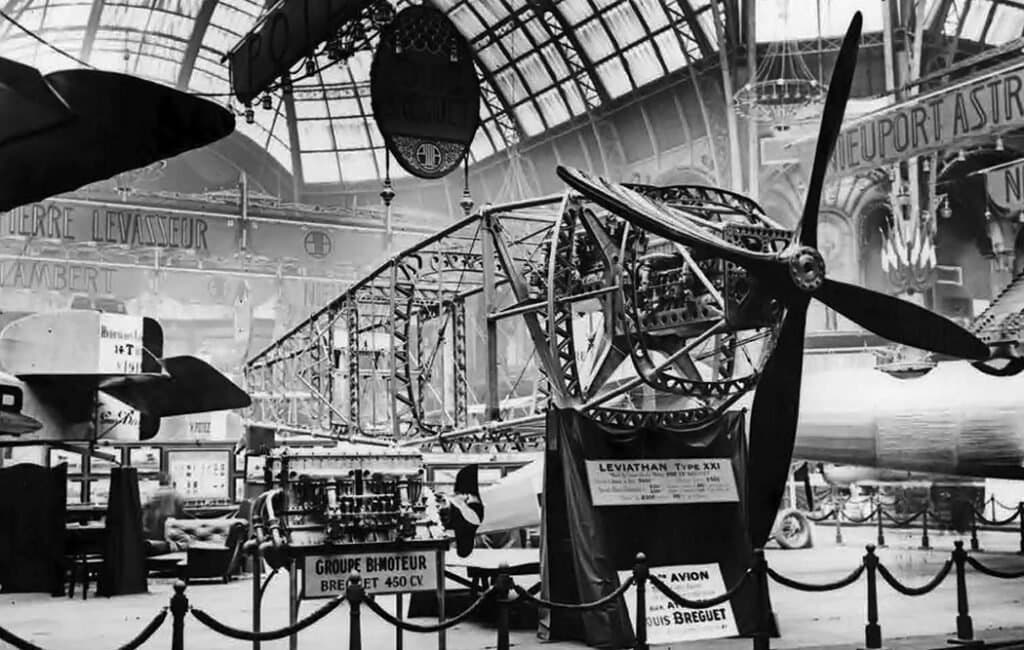
In 1922, Louis Breguet’s company design bureau, on its own initiative, began designing a heavy bomber for the French Air Force. The aircraft, designated Breguet Br.XXI, was a modification of the Br.XX Leviathan transport aircraft.
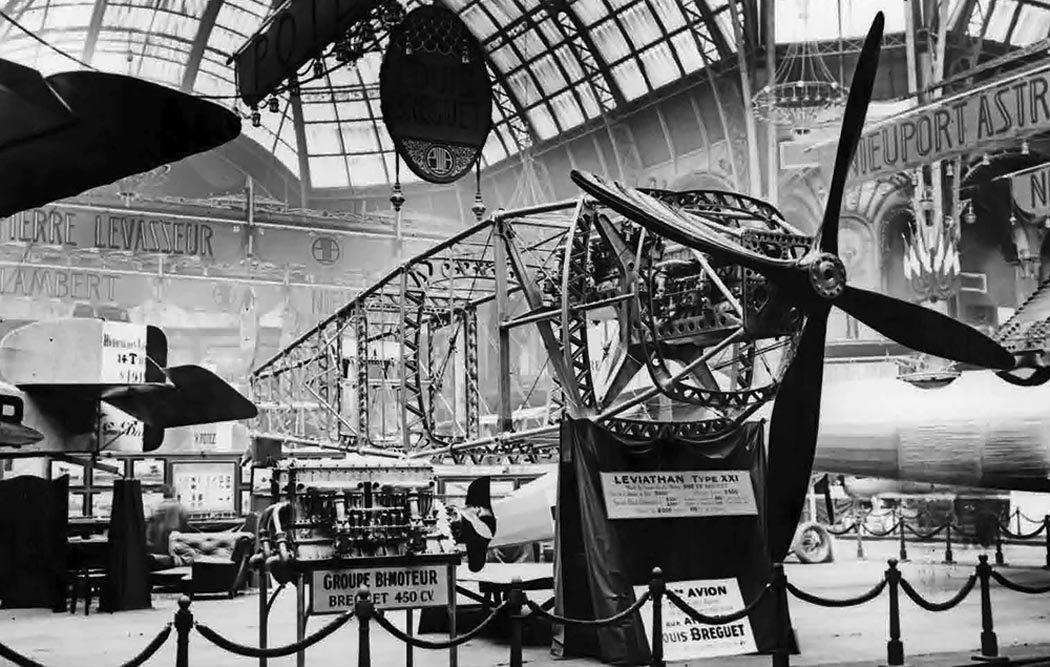
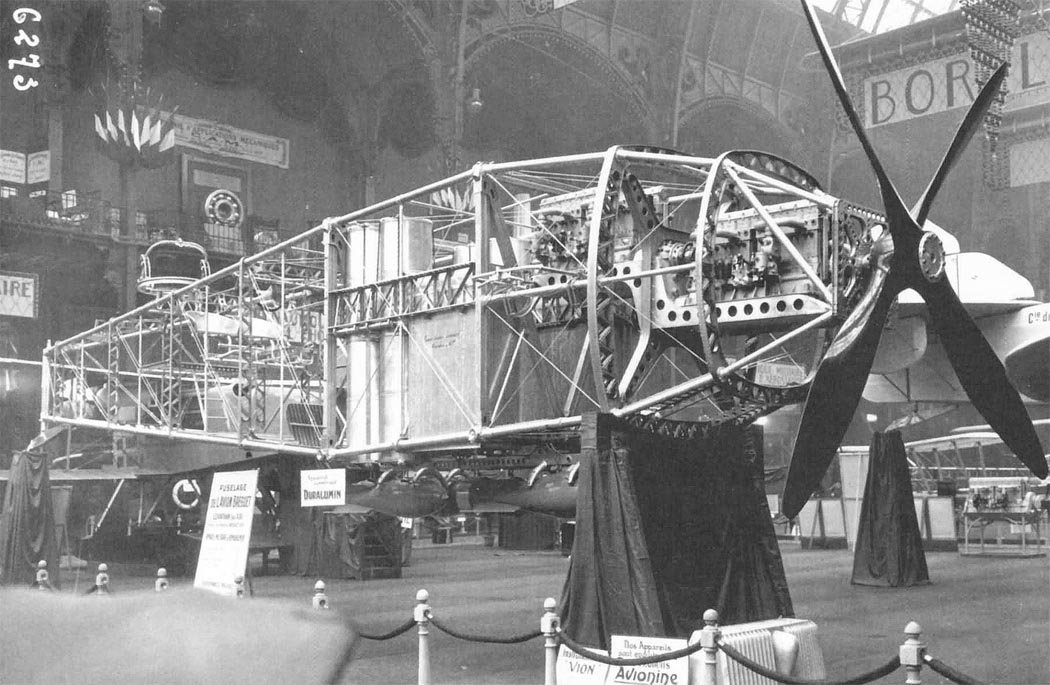
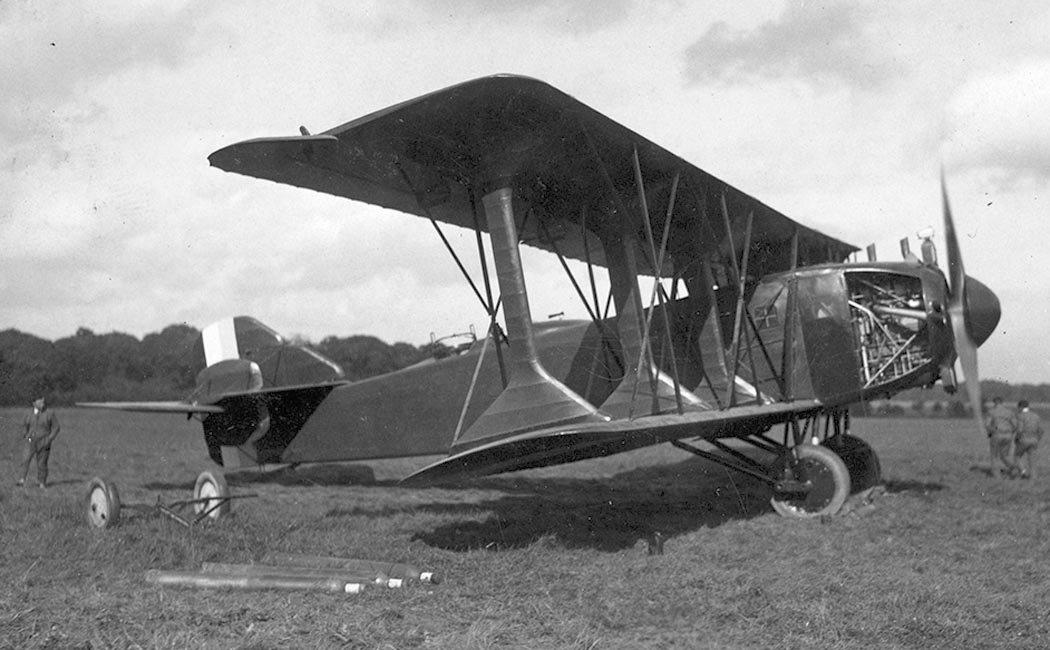
By the 1922 Paris Air Show, they had not managed to complete the bomber, so they exhibited a fuselage without skinning, but with the power plant installed.
Technical Features and Armament
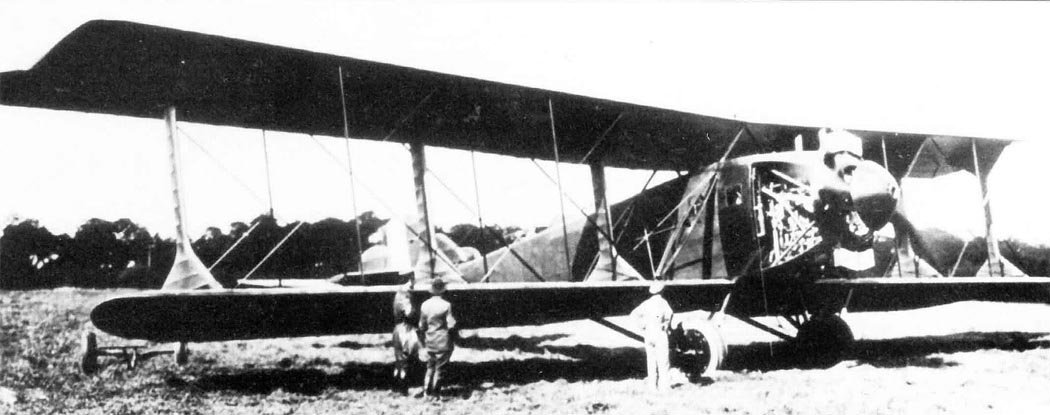
The aircraft prototype was only able to fly at the end of the year. It was a four-seat, three-bay biplane. Its power plant consisted of four Breguet Bugatti engines, each with 250 horsepower, working through a common gearbox to a single four-bladed propeller.
The bomber could carry up to 2000 bombs and was equipped with six machine guns, installed in three defensive mounts.
Testing and Final Fate
During testing, the aircraft showed low flight characteristics, and there were many problems with the power plant. As a result, the bomber was dismantled at the beginning of the following year.
Technical Specifications
| Modification | Br.XXI |
| Wingspan, m | 25.53 |
| Length, m | 14.02 |
| Height, m | 5.14 |
| Wing area, m2 | 134.70 |
| Empty weight | 3400 |
| Takeoff weight | 6500 |
| Engine type | 4 Breguet Bugatti Piston engines |
| Power, hp | 4 x 250 |
| Maximum speed, km/h | 180 |
| Cruising speed, km/h | 160 |
| Service ceiling, m | 4500 |
| Crew | 4 crew |
| Armament | six machine guns in three firing positions, bombs with a total weight of up to 2000 kg |
Image and diagram gallery of the Breguet Br.XXI
 Br.XXI |
 Br.XXI |
 Br.XXI |
 Br.XXI |
ArchivoAéreo Editorial Team
A group of aviation researchers and enthusiasts dedicated to documenting and preserving global aeronautical history. All articles are reviewed to ensure historical accuracy.
Sources & Accuracy
The information presented in this technical sheet has been compiled from declassified flight manuals, historical archives, and specialized literature. While we strive for maximum accuracy, some performance data may vary depending on the specific variant or operational conditions.