Breguet U2
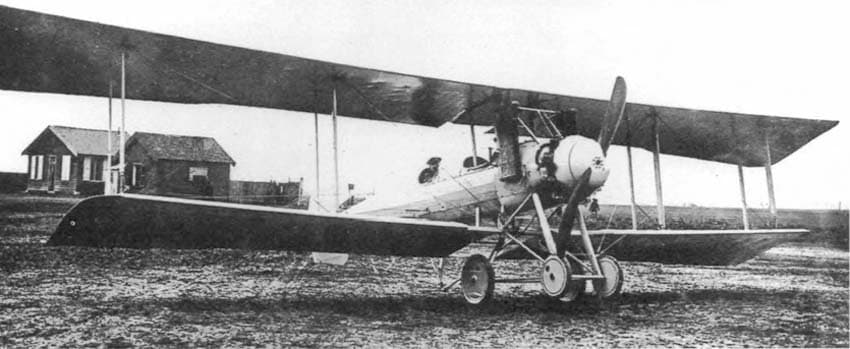
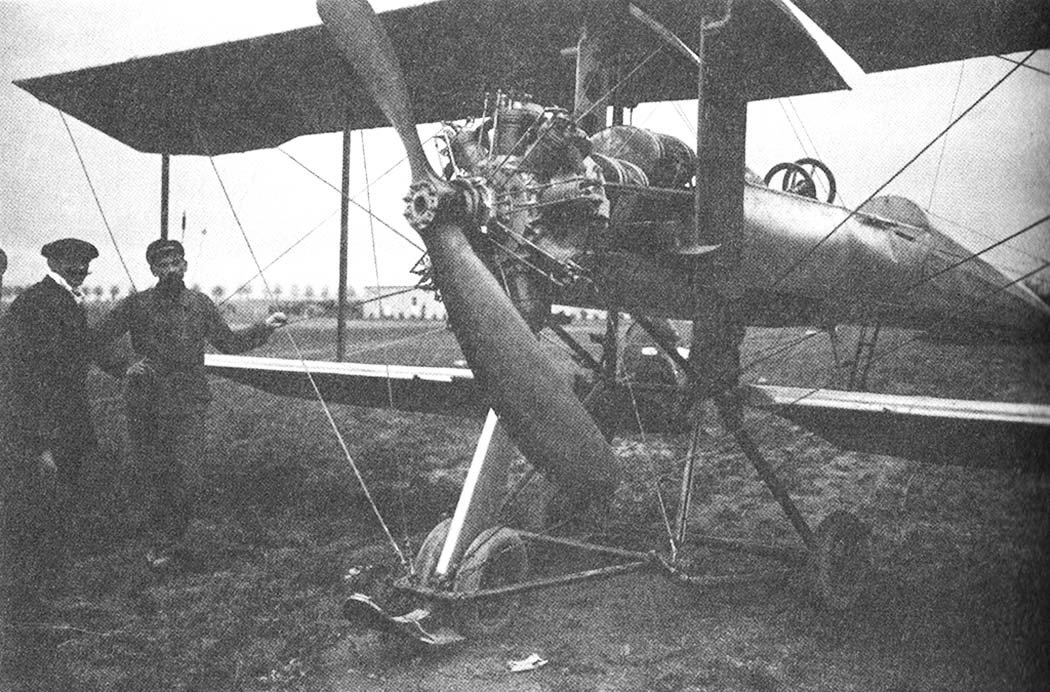
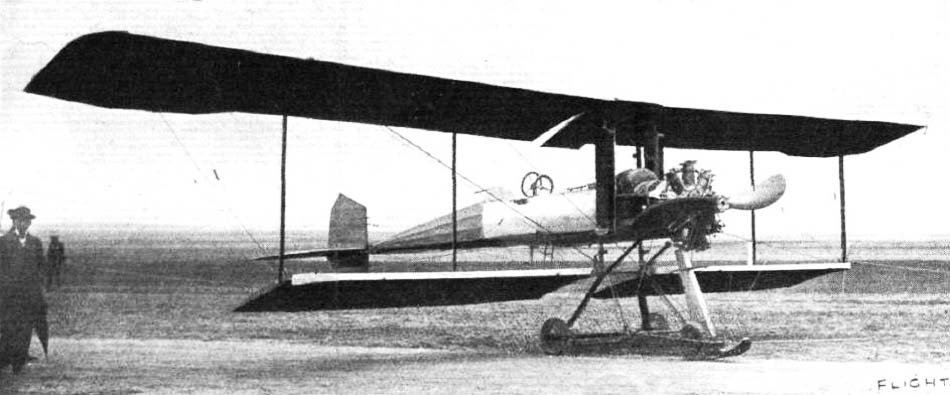
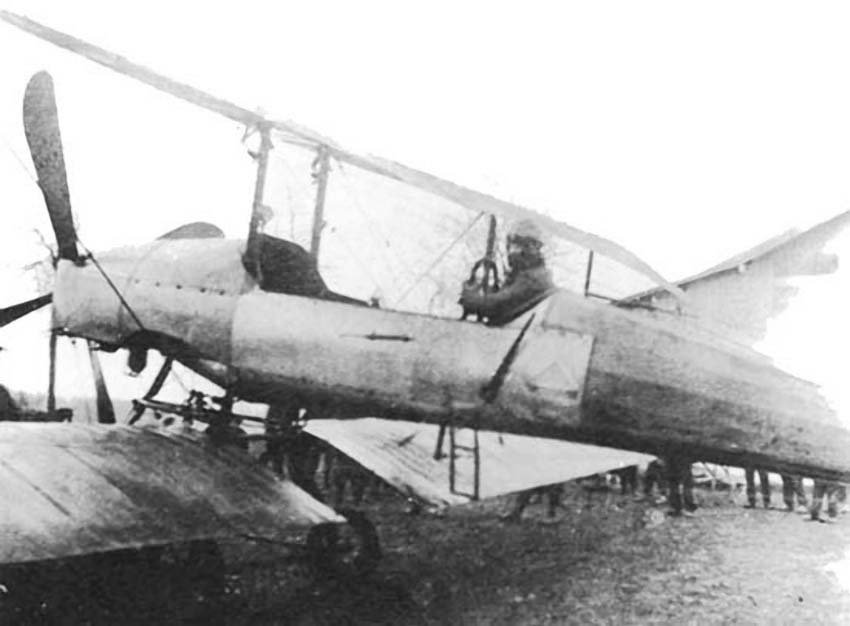
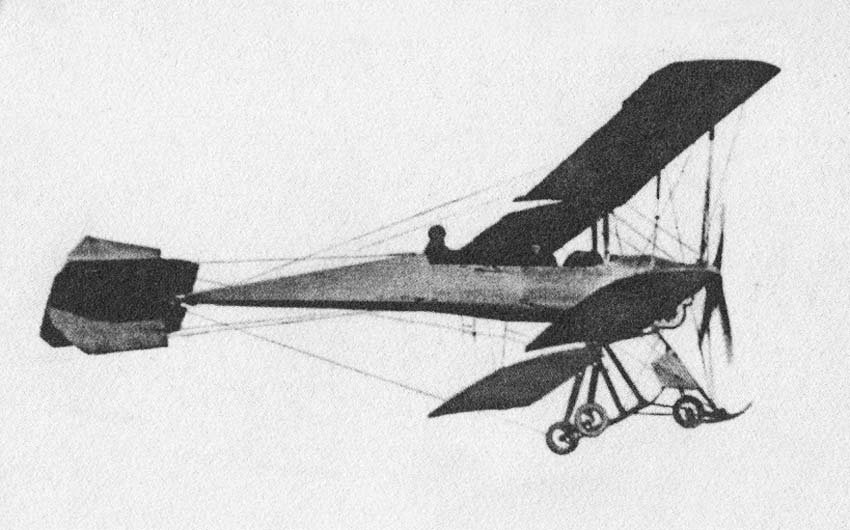
In 1913, Louis Bréguet’s firm (Louis Charles Bréguet) began manufacturing the Breguet U2, an auxiliary military aircraft. It represented a modification of the multi-purpose Breguet 3.
As power plants, these aircraft could utilize a wide range of engines, from the 55 hp Renault to the 110 hp Canton-Unné.
The Breguet U2 in World War I
With the onset of the First World War, most of the aircraft were equipped with a Canton-Unné engine and assigned to Escadrille BR 17. In the early stages of the war, Breguet U2s were used for reconnaissance and observation missions.
However, shortly thereafter, following a negative assessment from the command, they began to be withdrawn from combat and re-tasked for training purposes. Besides the French, the British and Italians also used the U2 on the front. The British affectionately nicknamed it “Tin Whistle.”
International Use and Variants
In 1913, Chile acquired four Breguet U2s (three with an 80 hp Gnome engine and one with a Canton-Unné) for its Escuela de Aeronáutica, where they were used as training aircraft.
Also in 1913, one U2 was converted into the Breguet H-U2 seaplane for a competition in Monaco. However, this machine, equipped with a 115 hp Salmson engine, did not achieve success in that event.
Technical Specifications
| Modification | Breguet U2 |
| Wingspan, m | 13.50 |
| Length, m | 8.55 |
| Height, m | 2.99 |
| Wing area, m2 | 36.00 |
| Empty weight | 798 |
| Maximum takeoff weight | 1098 |
| Engine type | 1 Piston engine Canton-Unné |
| Power, hp | 1 x 110 |
| Maximum speed, km/h | 100 |
| Cruising speed, km/h | 75 |
| Flight endurance, h.min | 1.20 |
| Crew | 2-3 crew |
Image and diagram gallery of the Breguet U2
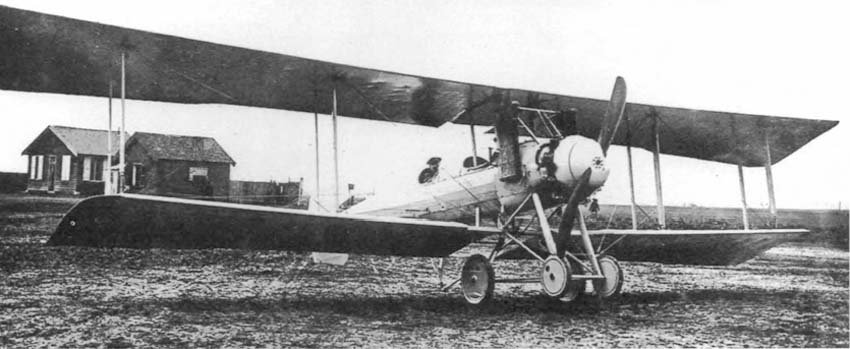 Breguet U2 |
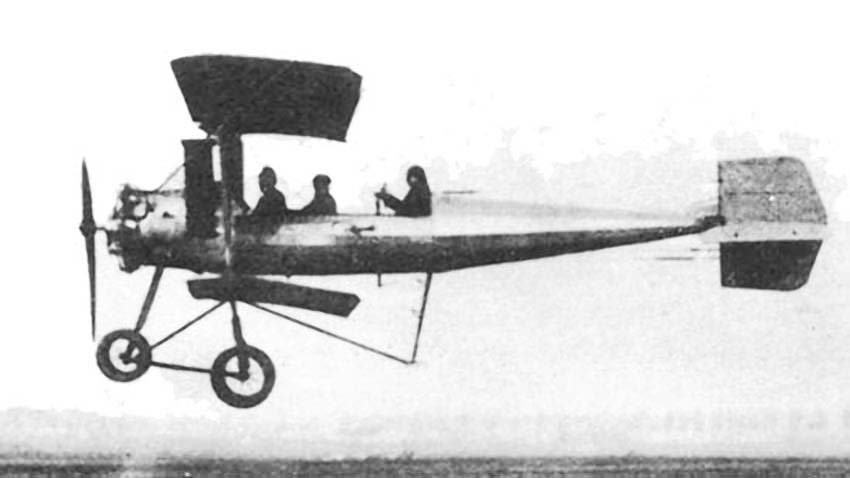 Breguet U2 |
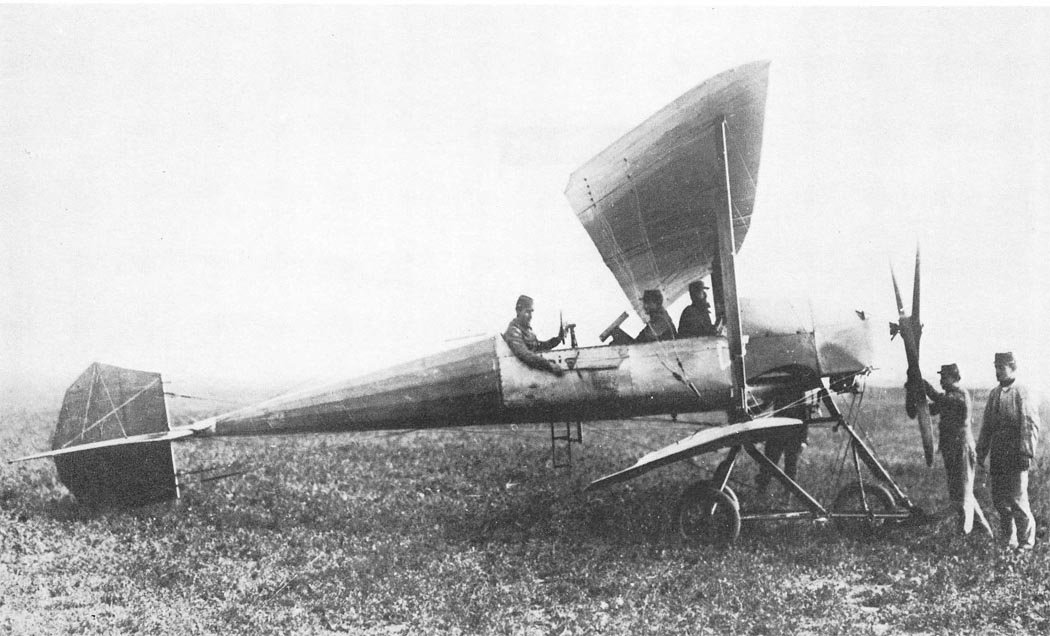 Breguet U2 |
 Breguet U2 |
 Breguet U2 |
 Breguet U2 |
 Breguet U2 |
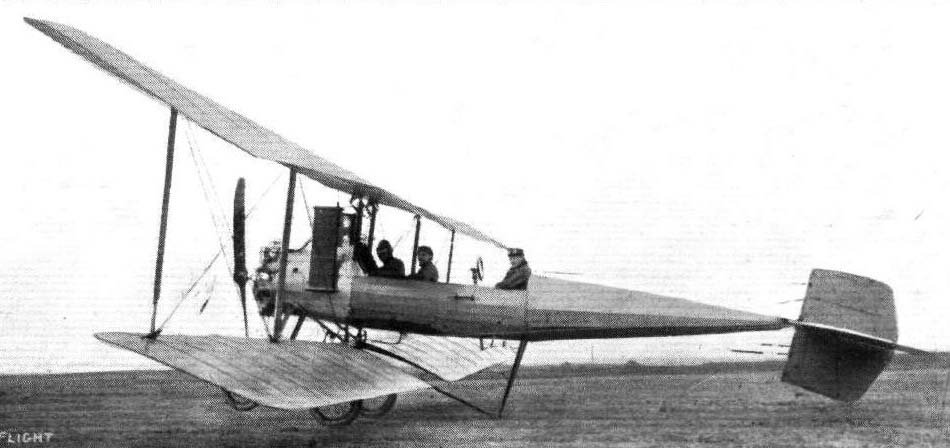 Breguet U2 |
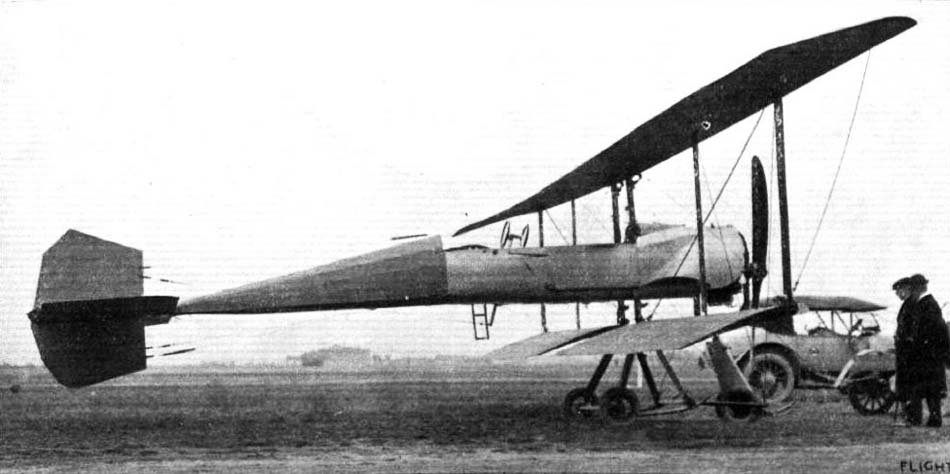 Breguet U2 |
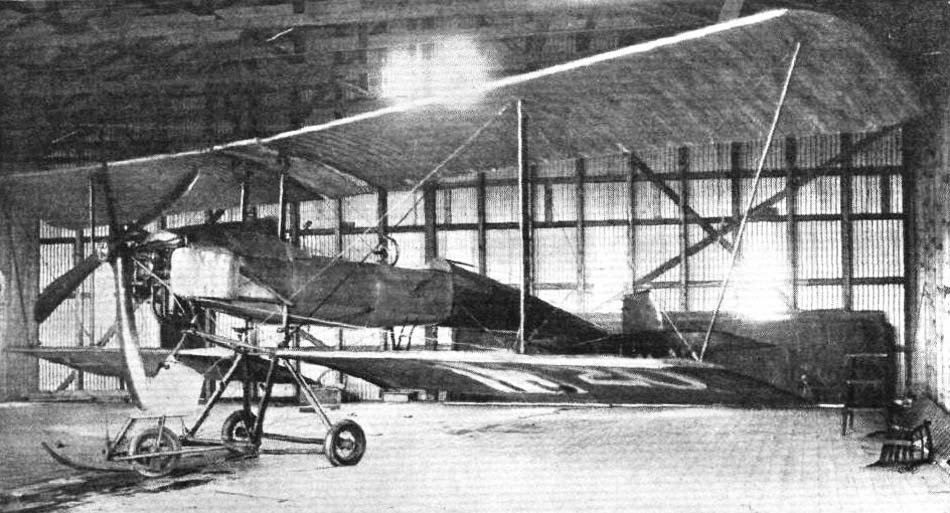 Breguet U2 |
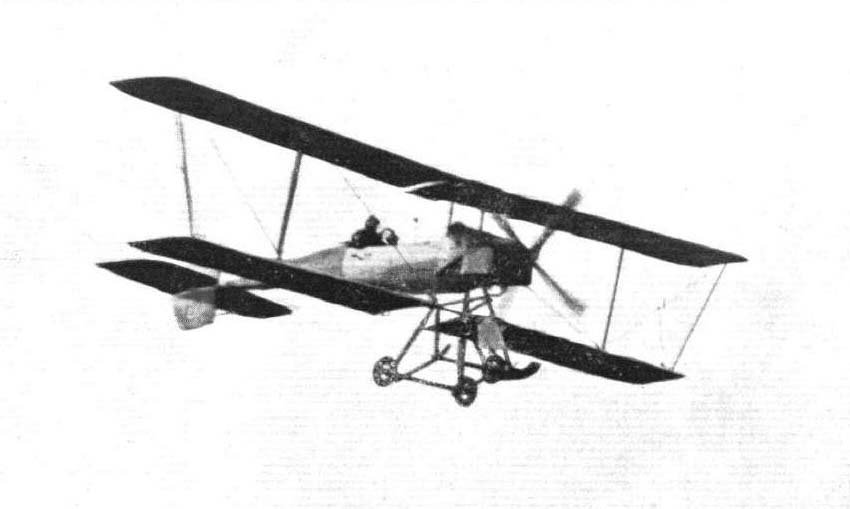 Breguet U2 |
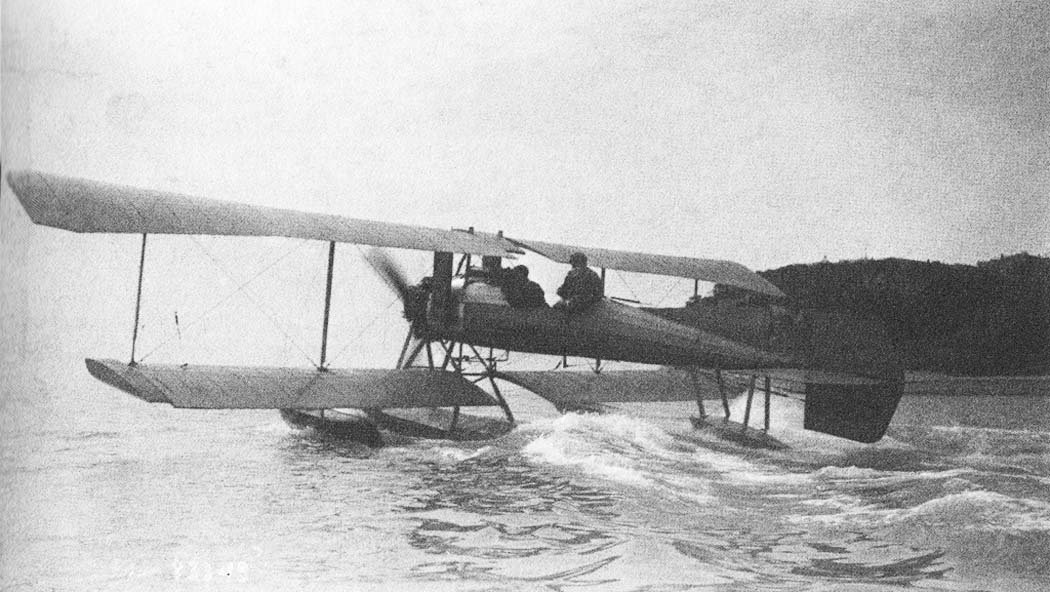 Breguet U2 |
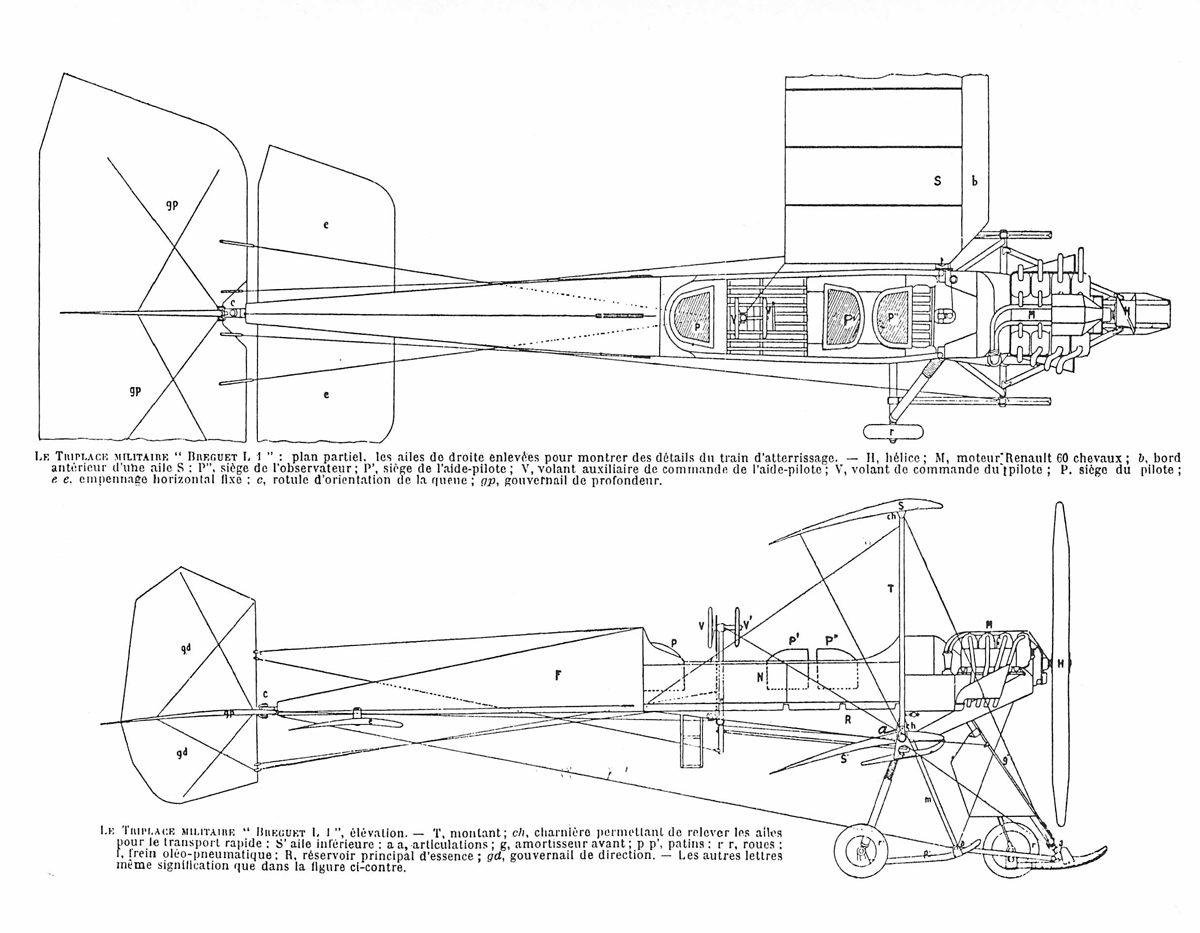 Breguet U2 |
ArchivoAéreo Editorial Team
A group of aviation researchers and enthusiasts dedicated to documenting and preserving global aeronautical history. All articles are reviewed to ensure historical accuracy.
Sources & Accuracy
The information presented in this technical sheet has been compiled from declassified flight manuals, historical archives, and specialized literature. While we strive for maximum accuracy, some performance data may vary depending on the specific variant or operational conditions.