Breguet-Wibault 670
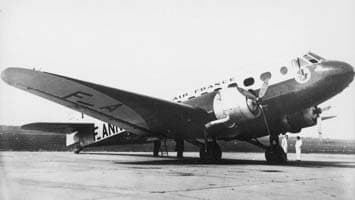
Although built using modern formulas, the Breguet-Wibault 670 passenger aircraft is by no means a slavish imitation of successful designs. It distinguishes itself with its own identity and innovative technical solutions, solidifying its place in commercial aviation of its era.
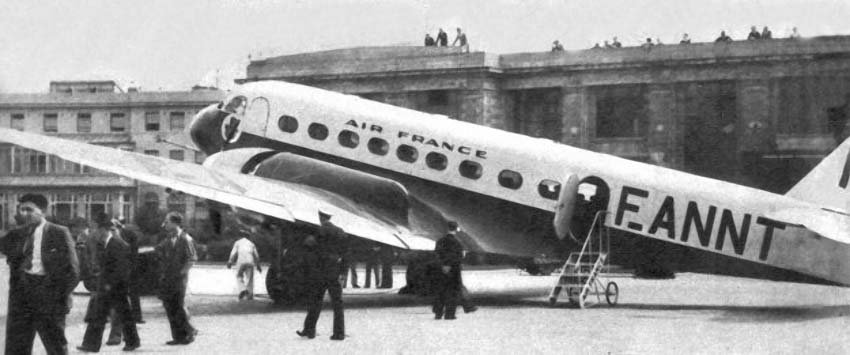
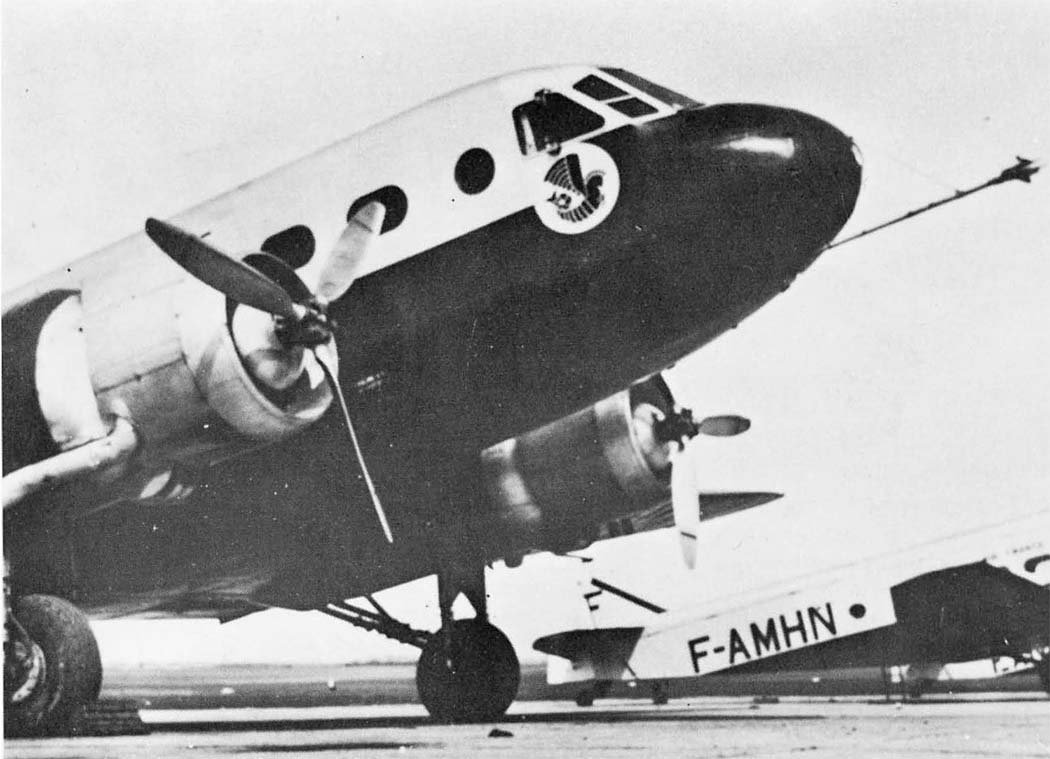
Factory tests of the new eighteen-seater commercial monoplane, the Breguet-Wibault Type 670, are virtually complete. The aircraft will soon be presented at Villacoublay for official trials. This all-metal, low-wing cantilever monoplane can be regarded as an enlarged and improved development of the highly successful Breguet-Wibault Type 282 and Type 283 tri-motors, which operate extensively on Air France’s European routes.
Innovative Design and Structure
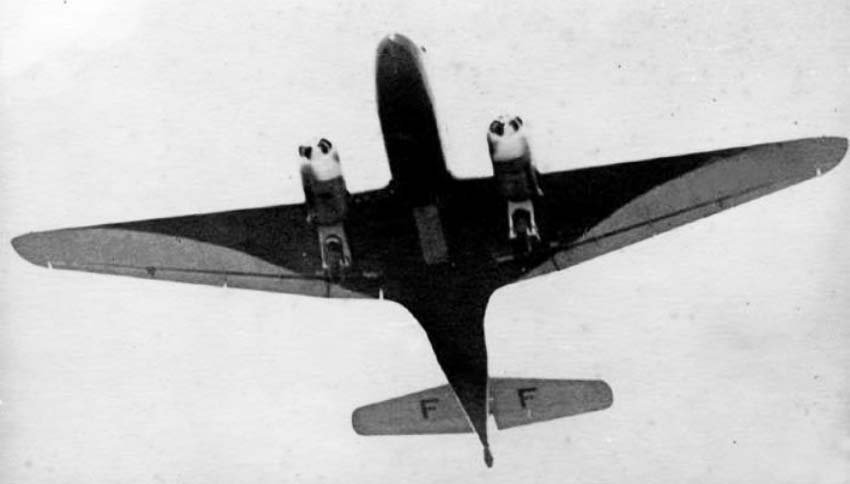
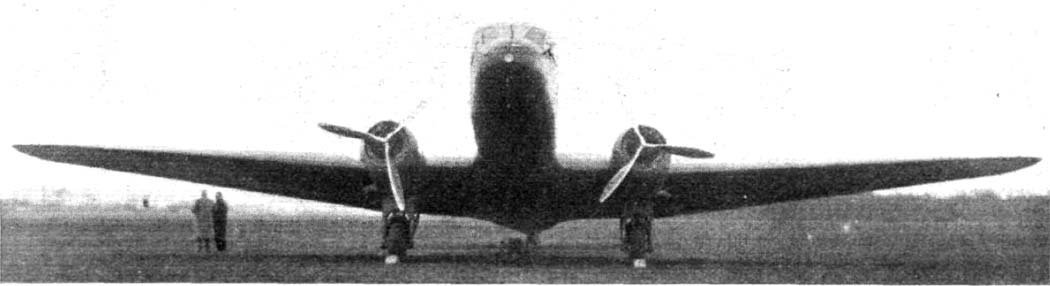
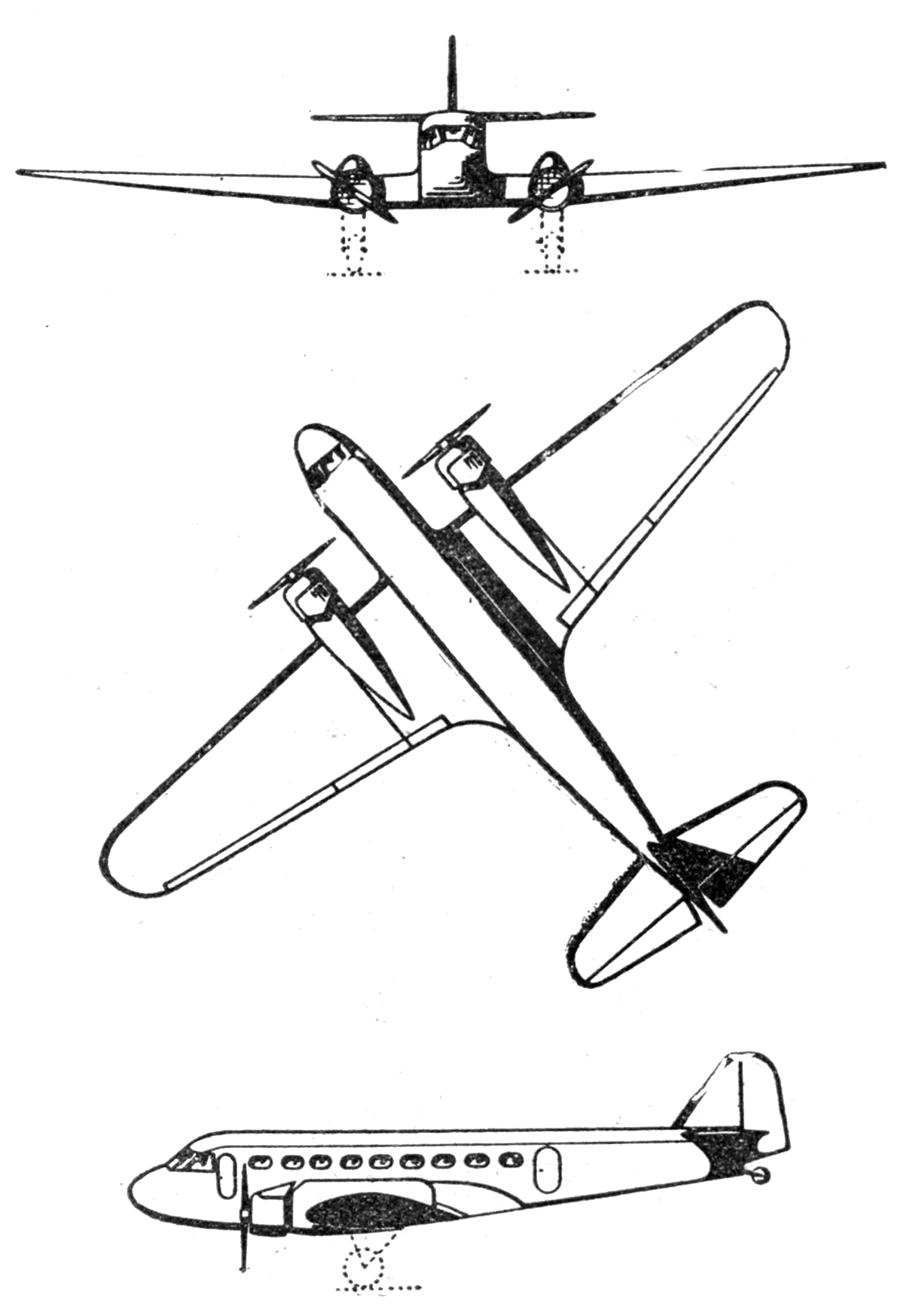
A typical Wibault layout featured a cantilever wing, consisting of three sections: a centerplane and two outer sections. The centerplane, carrying a pair of power units, had a constant thickness. The outer sections tapered from a chord length of 5 feet 8 inches (1.723 m) at the root portions to significantly reduced dimensions at the tips.
Strips of duralumin sheets connected the wing to the fuselage. Structurally, the wing was of a two-spar type, with walls made from duralumin sheets that included pressed flanges. The wing skin was also duralumin. Slotted ailerons were located over approximately two-thirds of the wing’s span and featured balancing similar to that of slotted flaps.
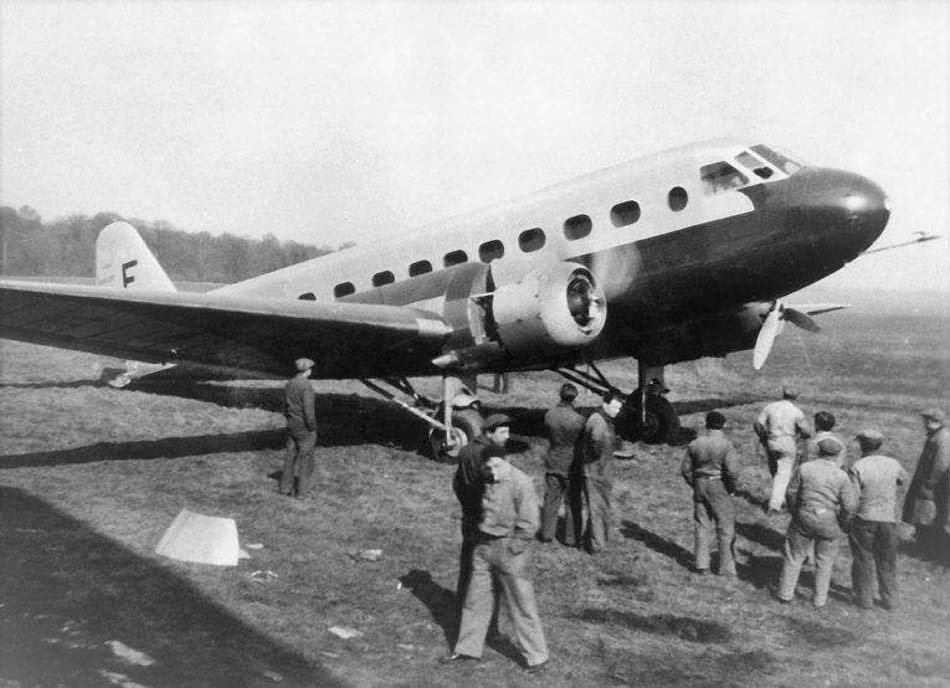
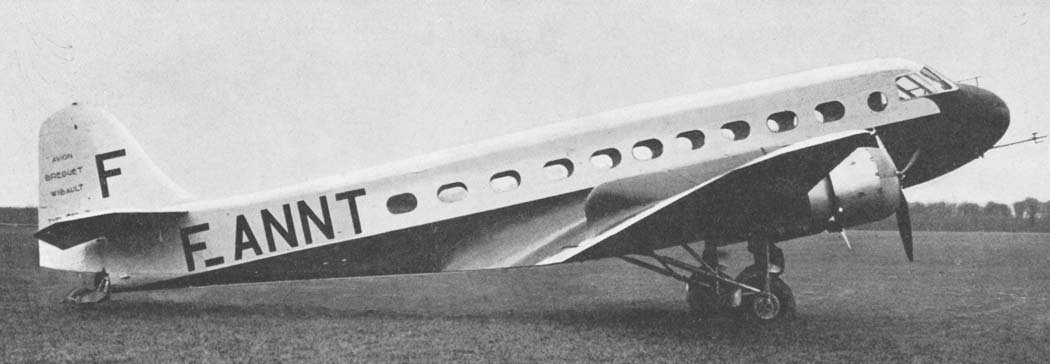
The main part of the fuselage has a rectangular cross-section, though the nose section is well-rounded. The fuselage structure, including the skin, is made of duralumin. The cockpit, equipped with dual controls, is located in the nose, behind which is the radio operator’s workstation.
Onboard Comfort and Power
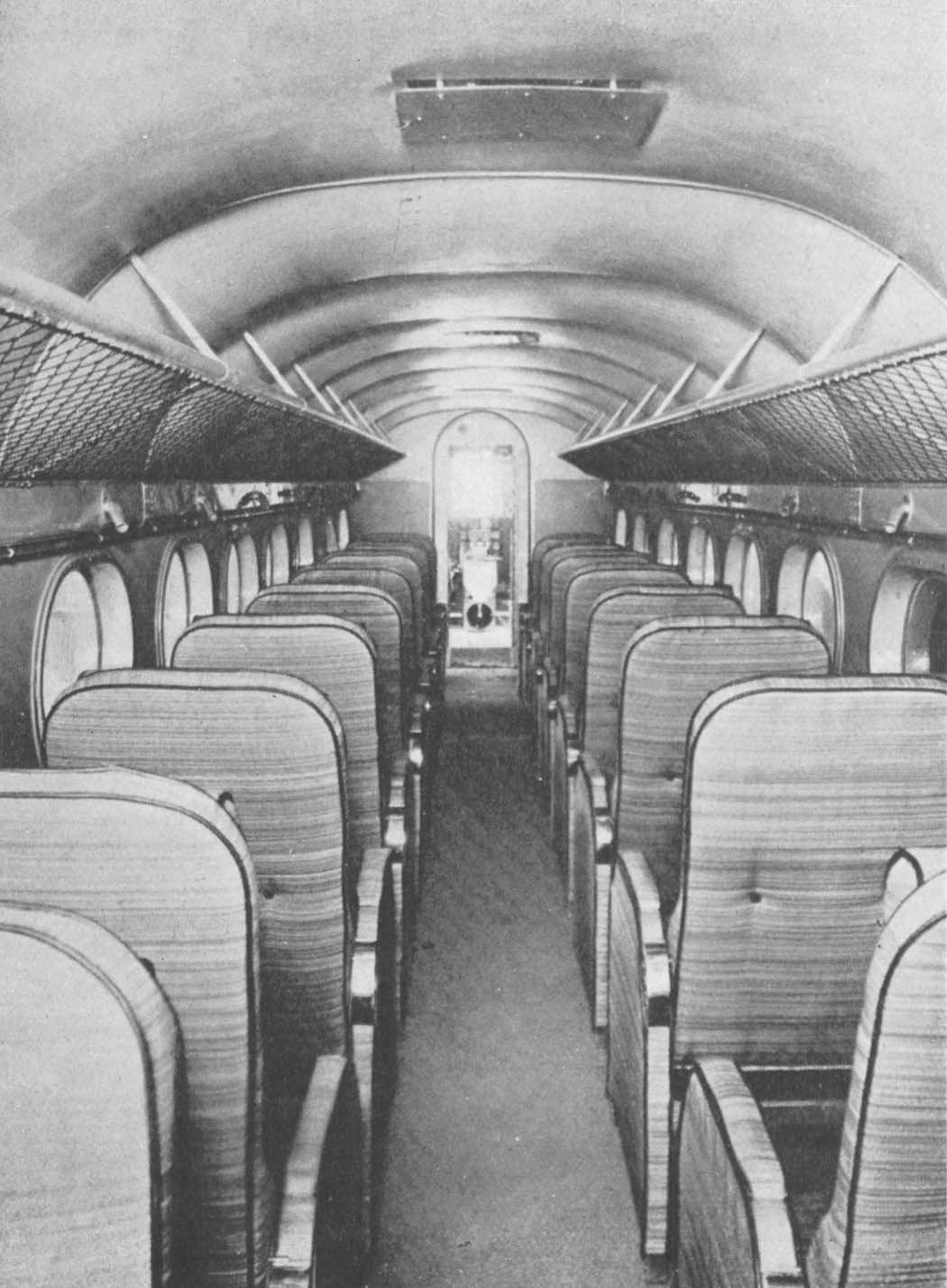
The passenger cabin accommodated eighteen seats arranged in two rows of nine; each seat was placed next to a window. Soundproofing and ventilation were carefully designed, and the cabin itself was not cramped, with a height of 5 feet 9 inches (1.749 m) and a width of 5 feet 6 inches (1.672 m). The entrance, lavatory, and luggage compartment are located in the aft part of the cabin.
The aircraft is equipped with two geared, twin-row, fourteen-cylinder radial Gnome-Rhone Mistral Major or K14 engines. These engines developed 900 hp at 4,500 feet (1371.6 m) altitude with moderate supercharging, providing the necessary power for its commercial operations.
Landing Gear Features
The retractable main landing gear struts were of Breguet company design. Each main strut was equipped with a pair of shock-absorbing struts, positioned one on each side of the wheel, ensuring smooth and efficient landings.
Technical Specifications
| Modification | BW.670 |
| Wingspan, m | 24. 86 |
| Length, m | 18. 74 |
| Height, m | 7.20 |
| Wing area, m2 | 78. 60 |
| Empty weight | 5600 |
| Maximum takeoff weight | 9500 |
| Engine type | 2 Piston engine Gnome & Rhône 14Krsd |
| Power, hp | 2 x 900 |
| Maximum speed, km/h | 340 |
| Cruising speed, km/h | 300 |
| Practical range, km | 1000 |
| Service ceiling, m | 6000 |
| Crew | 3 |
| Payload | 18 passengers |
Image and diagram gallery of the Breguet-Wibault 670
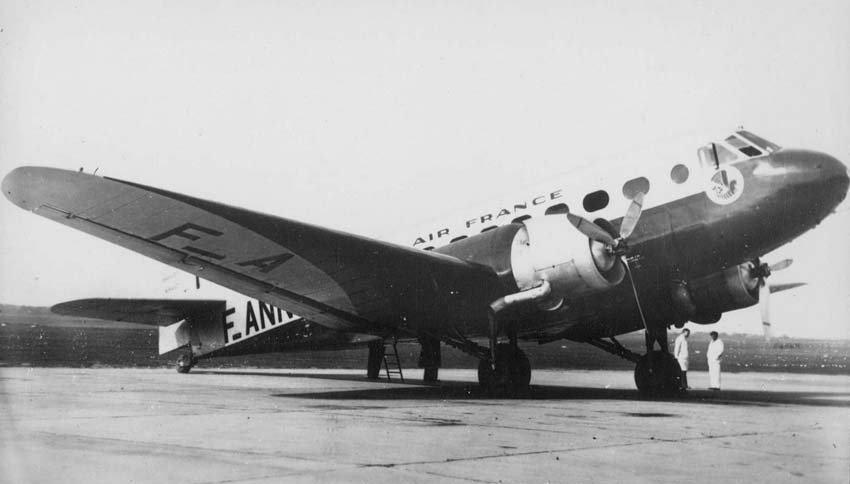 Breguet-Wibault 670 |
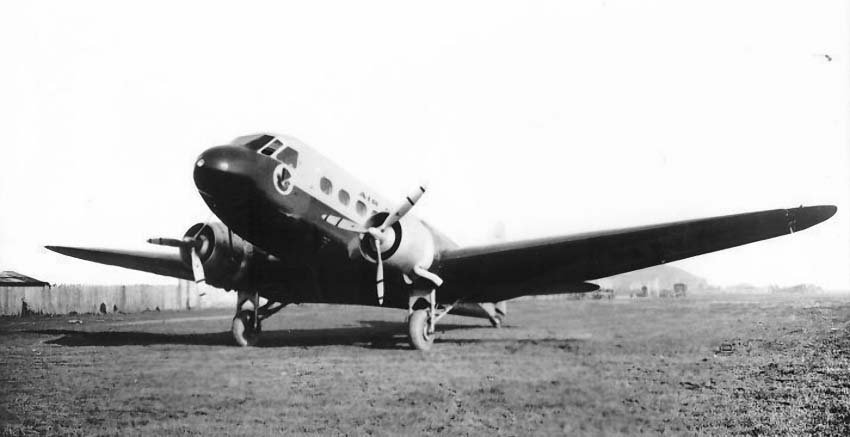 Breguet-Wibault 670 |
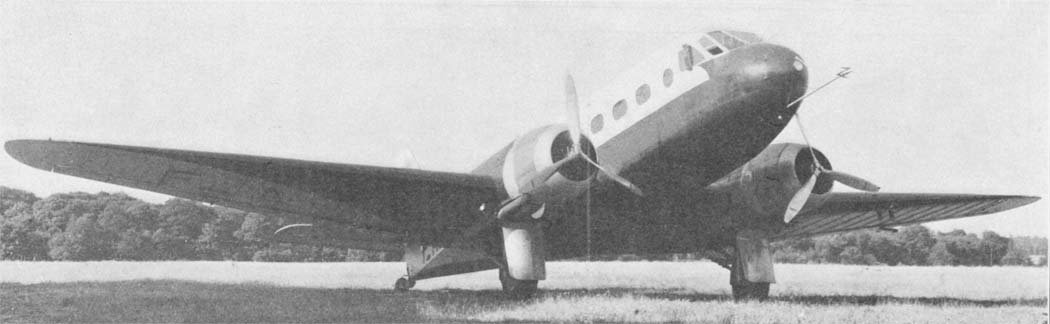 Breguet-Wibault 670 |
 Breguet-Wibault 670 |
 Breguet-Wibault 670 |
 Breguet-Wibault 670 |
 Breguet-Wibault 670 |
 Breguet-Wibault 670 |
 Breguet-Wibault 670 |
 Breguet-Wibault 670 |
 Breguet-Wibault 670 |
ArchivoAéreo Editorial Team
A group of aviation researchers and enthusiasts dedicated to documenting and preserving global aeronautical history. All articles are reviewed to ensure historical accuracy.
Sources & Accuracy
The information presented in this technical sheet has been compiled from declassified flight manuals, historical archives, and specialized literature. While we strive for maximum accuracy, some performance data may vary depending on the specific variant or operational conditions.