Breguet XI Corsaire
Context and Necessity
In 1915, German fighters and a well-established air defense made flights for French bombers extremely unsafe. The French command made an emergency decision to begin production of new, more advanced bombers. Two main lines of development emerged: the design of light, high-speed aircraft and heavy, but well-protected aircraft.
Design and Capabilities
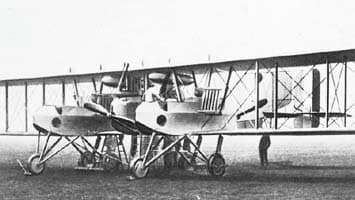
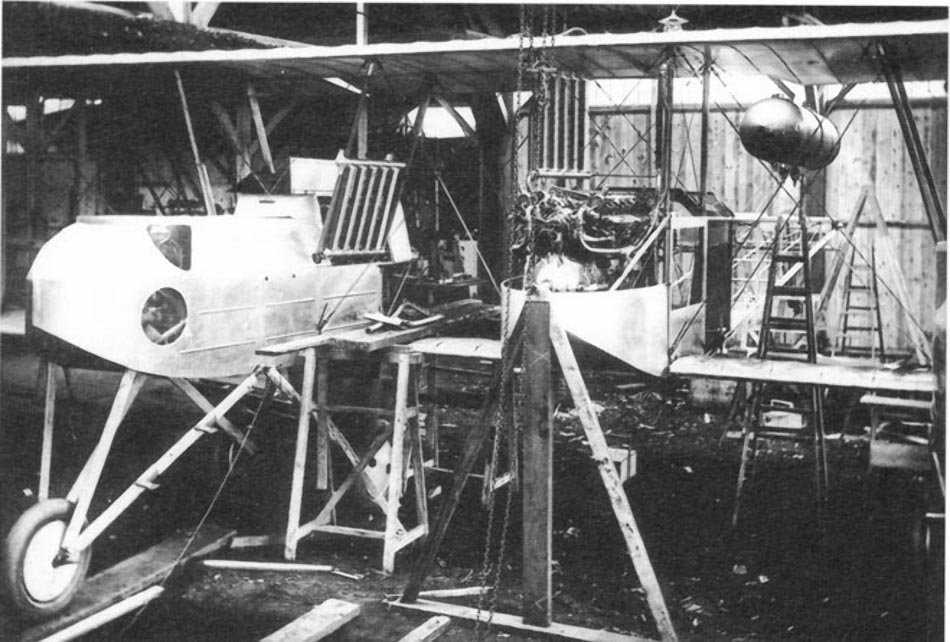
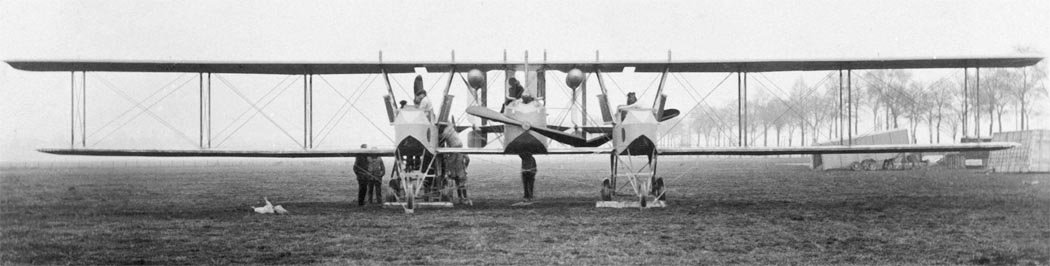
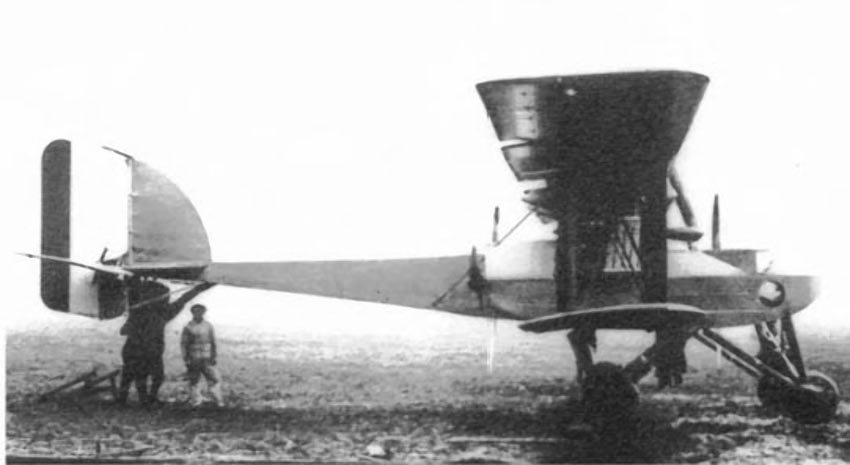
According to the second concept, at the end of 1915, the Breguet factory built the heavy bomber Breguet XI Corsaire. It was a true giant with a wingspan of almost 30 meters and a takeoff weight of about 5 tons. The aircraft was equipped with three 220 hp Renault 8 Gd engines and had powerful defensive armament: one 37mm cannon and three 7.7mm machine guns. The Breguet XI’s bomb load consisted of 300 kilograms of light bombs.
Tests and Rejection
The bomber’s first flight took place in February 1916. Despite satisfactory test results, the French command refused to purchase the aircraft, arguing that the Breguet XI was too large for frontline aviation.
Technical Specifications
| Modification | Breguet XI |
| Wingspan, m | 27.65 |
| Length, m | 11.90 |
| Height, m | 4.00 |
| Wing area, m2 | 105.20 |
| Empty weight | 3100 |
| Normal takeoff weight | 4865 |
| Engine type | 3 Piston engines Renault 8 Gd |
| Power, hp | 3 x 220 |
| Maximum speed, km/h | 148 |
| Cruising speed, km/h | 120 |
| Crew | 4 crew |
| Armament | one 37-mm cannon, three 7.7-mm machine guns, bomb load up to 300 kg |
Image and diagram gallery of the Breguet XI Corsaire
 Breguet XI Corsaire |
 Breguet XI Corsaire |
 Breguet XI Corsaire |
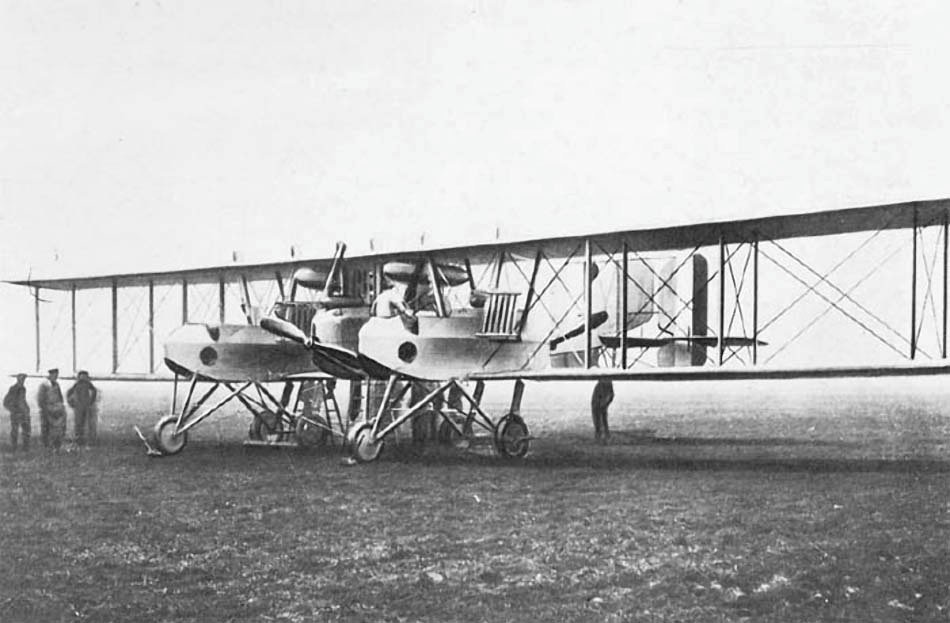 Breguet XI Corsaire |
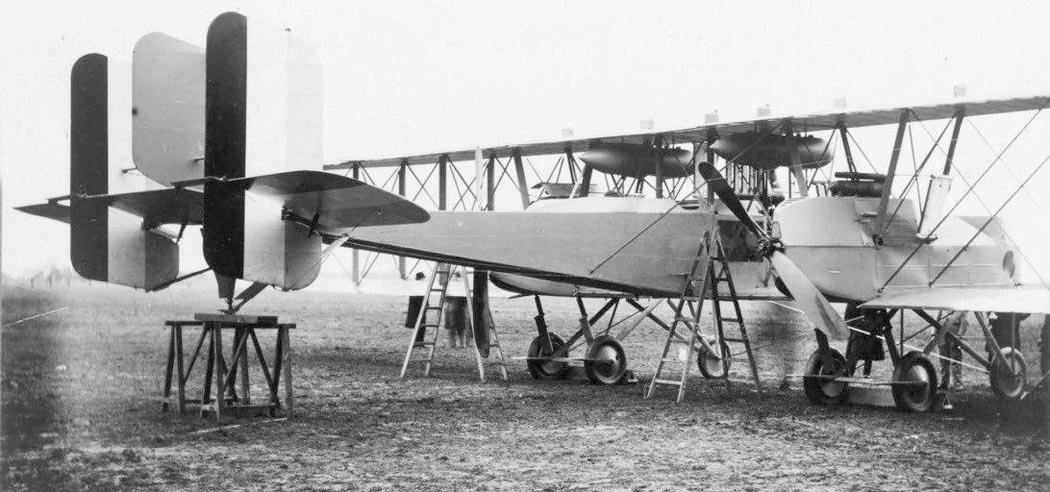 Breguet XI Corsaire |
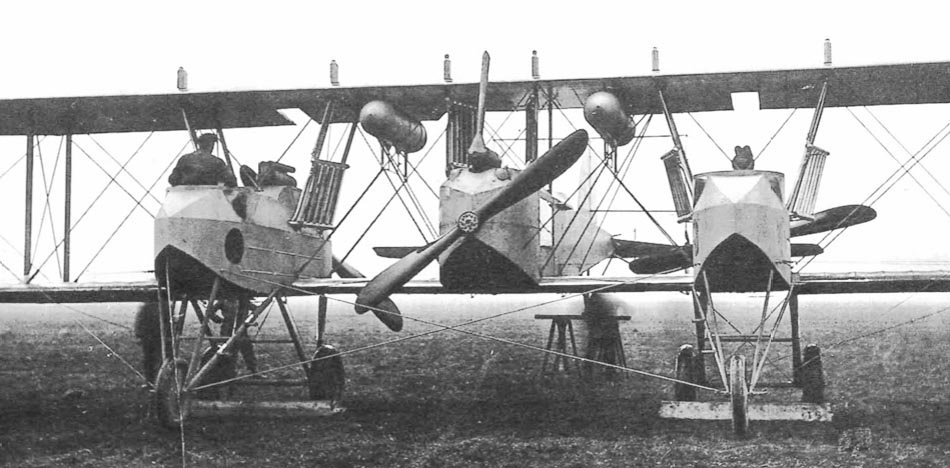 Breguet XI Corsaire |
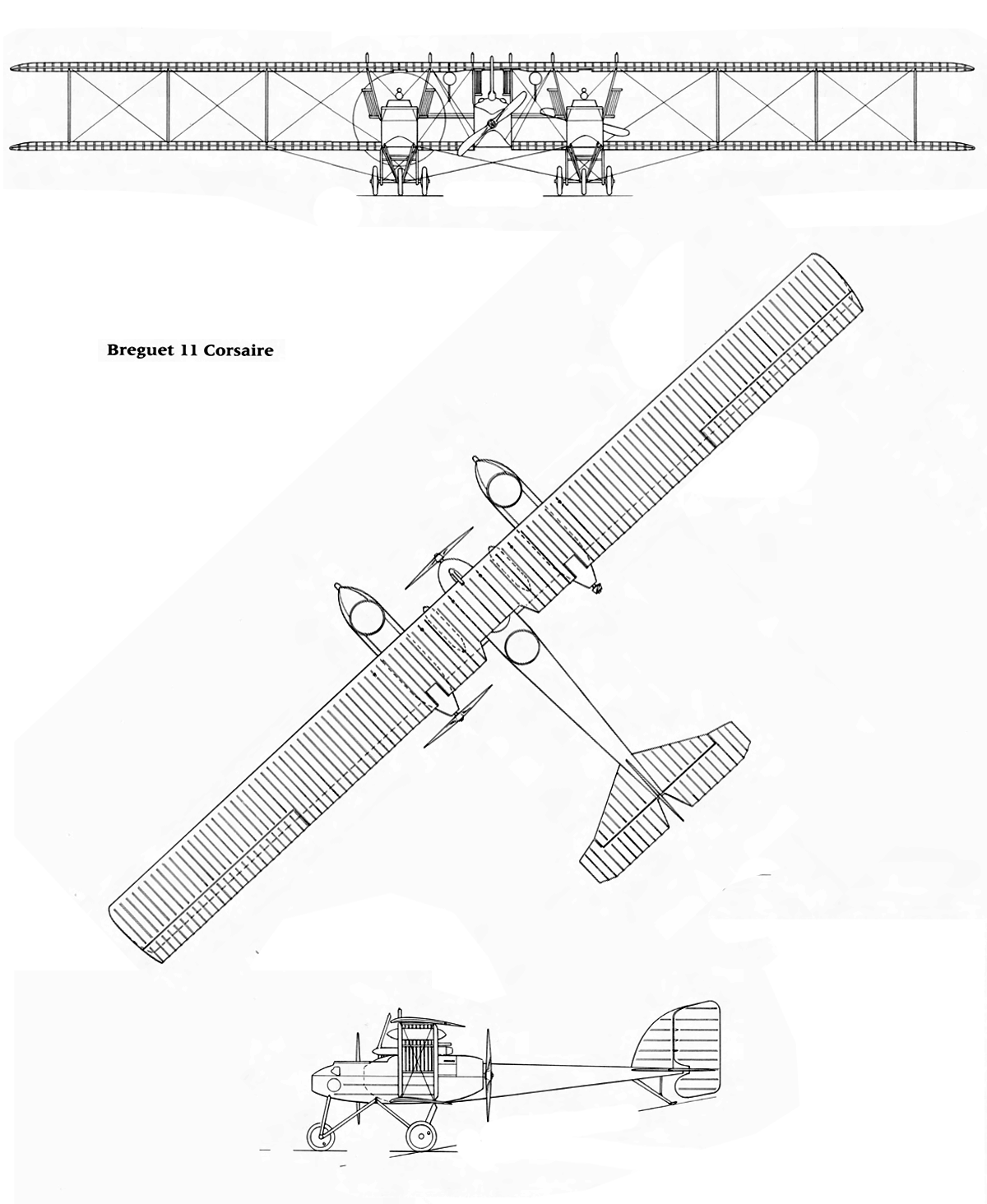 Breguet XI Corsaire |
ArchivoAéreo Editorial Team
A group of aviation researchers and enthusiasts dedicated to documenting and preserving global aeronautical history. All articles are reviewed to ensure historical accuracy.
Sources & Accuracy
The information presented in this technical sheet has been compiled from declassified flight manuals, historical archives, and specialized literature. While we strive for maximum accuracy, some performance data may vary depending on the specific variant or operational conditions.