Bresciani Bre.1 (Series)
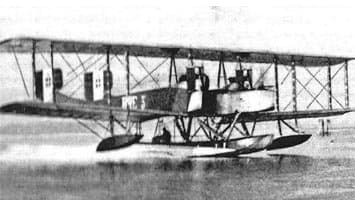
During the First World War, the Regia Marina command commissioned pilot Luigi Bresciani to develop a long-range bomber seaplane. In 1915, the prototype of the aircraft, designated Bresciani Bre.1, was completed.
The Origin of the Bresciani Bre.1 Seaplane
It was a four-seater, twin-boom biplane with a central main float and two auxiliary floats under the wings. Three 150-horsepower Isotta Fraschini V 4B engines were chosen as the powerplant. During testing, the Bre.1 showed good flight characteristics, but Bresciani decided the aircraft needed further refinement.
Evolution and Improvements of the Series
In the second variant, the Bre.2, the wings received a thicker section, and the fuselage body became all-metal. The last version of the bomber was the Bre.3, featuring a refined fuselage. However, none of the variants were ever accepted into service by the Regia Marina.
Technical Specifications
| Modification | Bre.1 |
| Wingspan, m | 24.80 |
| Length, m | 13.00 |
| Height, m | 5.00 |
| Wing area, m2 | 124.00 |
| Empty weight | 3435 |
| Normal takeoff weight | 4360 |
| Engine type | 3 Piston engines Isotta Fraschini V 4B |
| Power, hp | 3 x 150 |
| Maximum speed, km/h | 115 |
| Cruising speed, km/h | 80 |
| Practical range, km | 400 |
| Crew | 4 crew |
| Armament | Nose-mounted 25-mm cannon, defensive machine gun on a movable turret, up to 100 kg of bombs |
Image and diagram gallery of the Bresciani Bre.1 (Series)
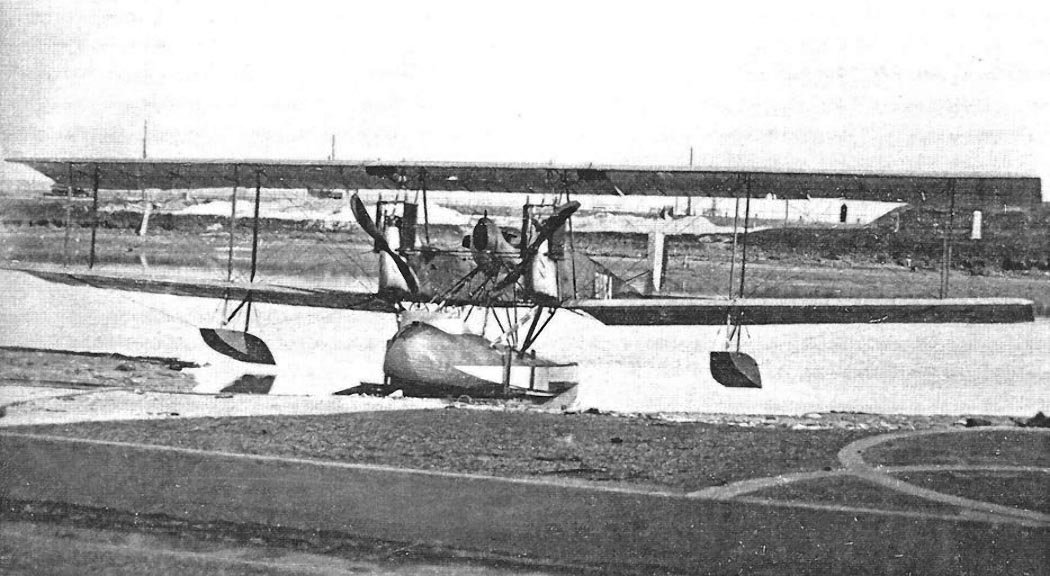 Bre.1(3) |
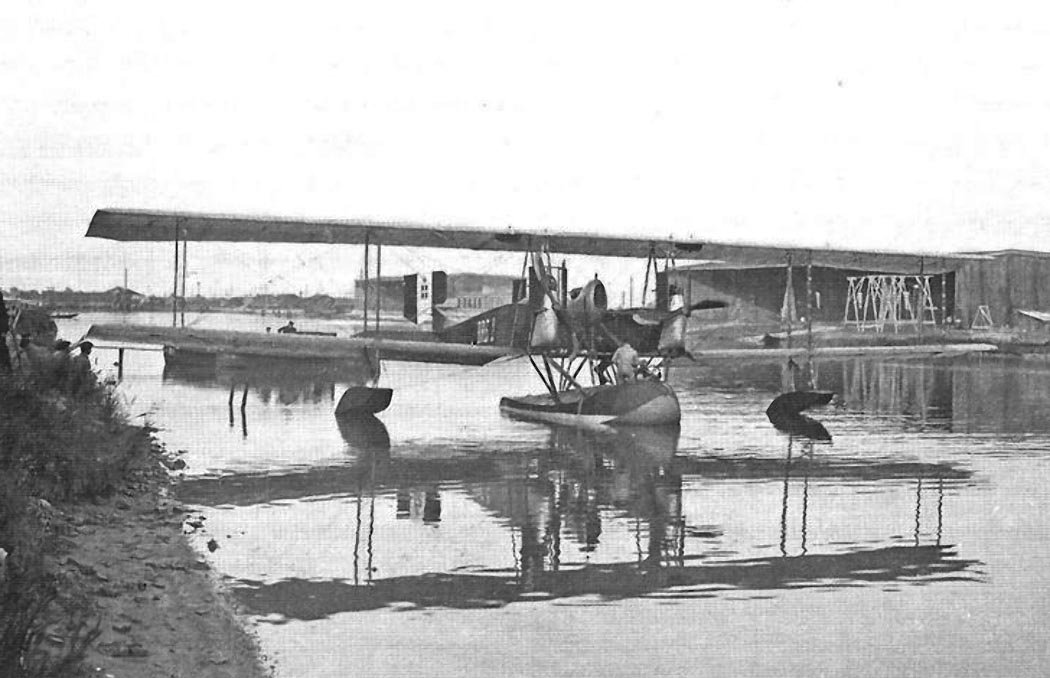 Bre.1(3) |
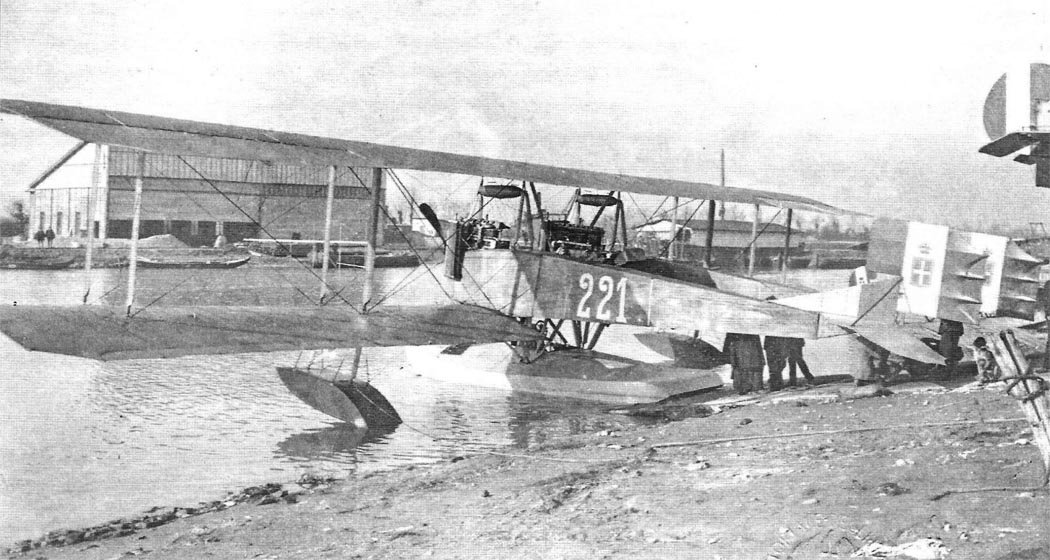 Bre.1(3) |
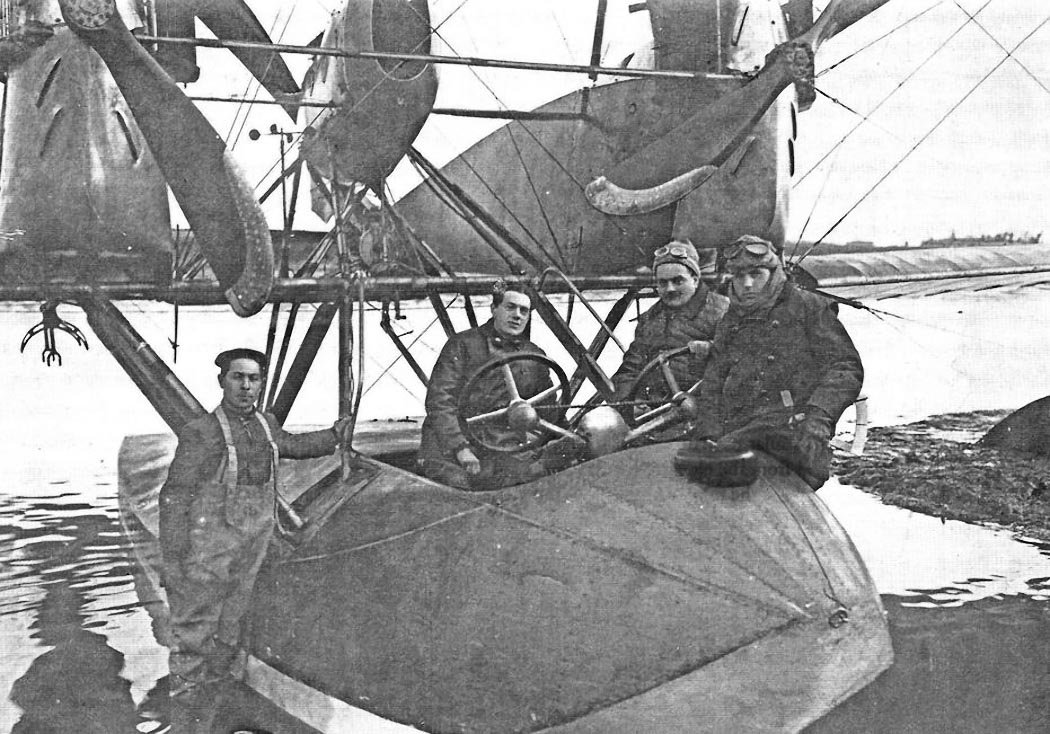 Bre.1(3) |
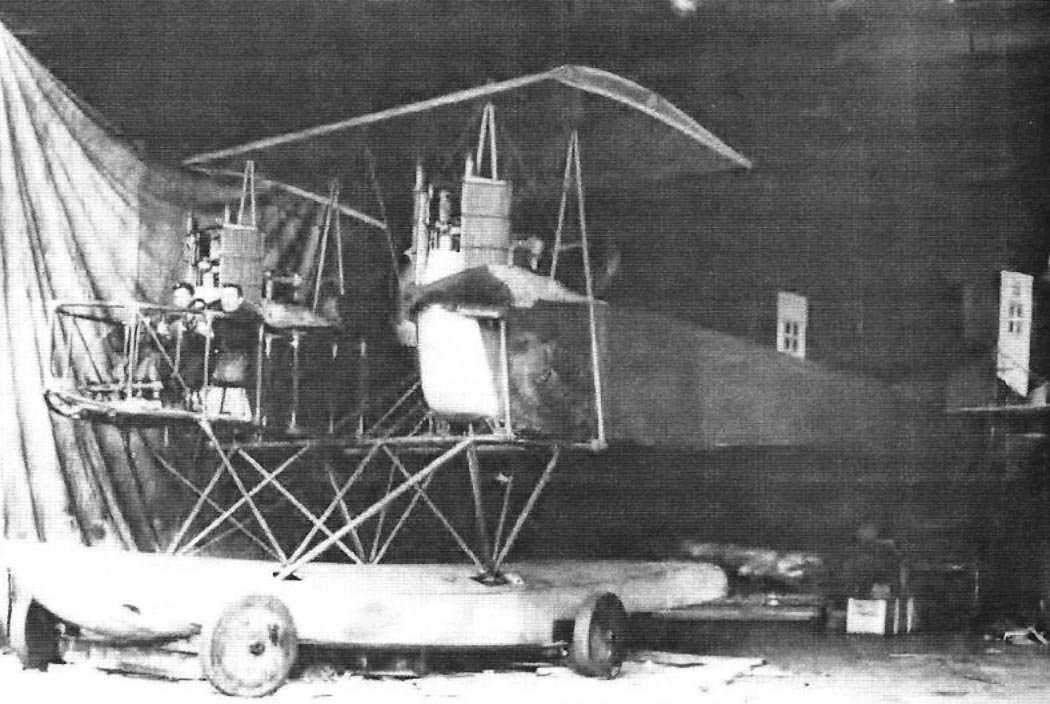 Bre.1(3) |
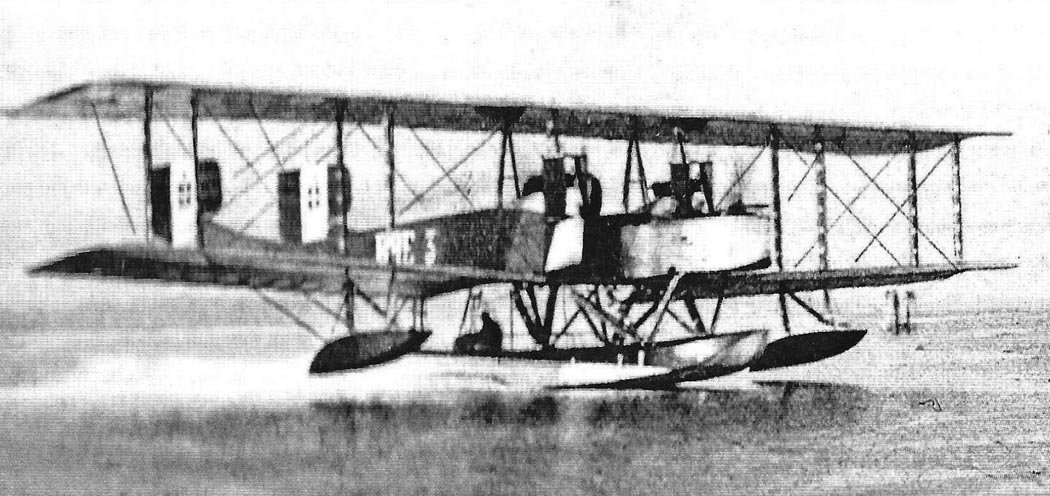 Bre.1(3) |
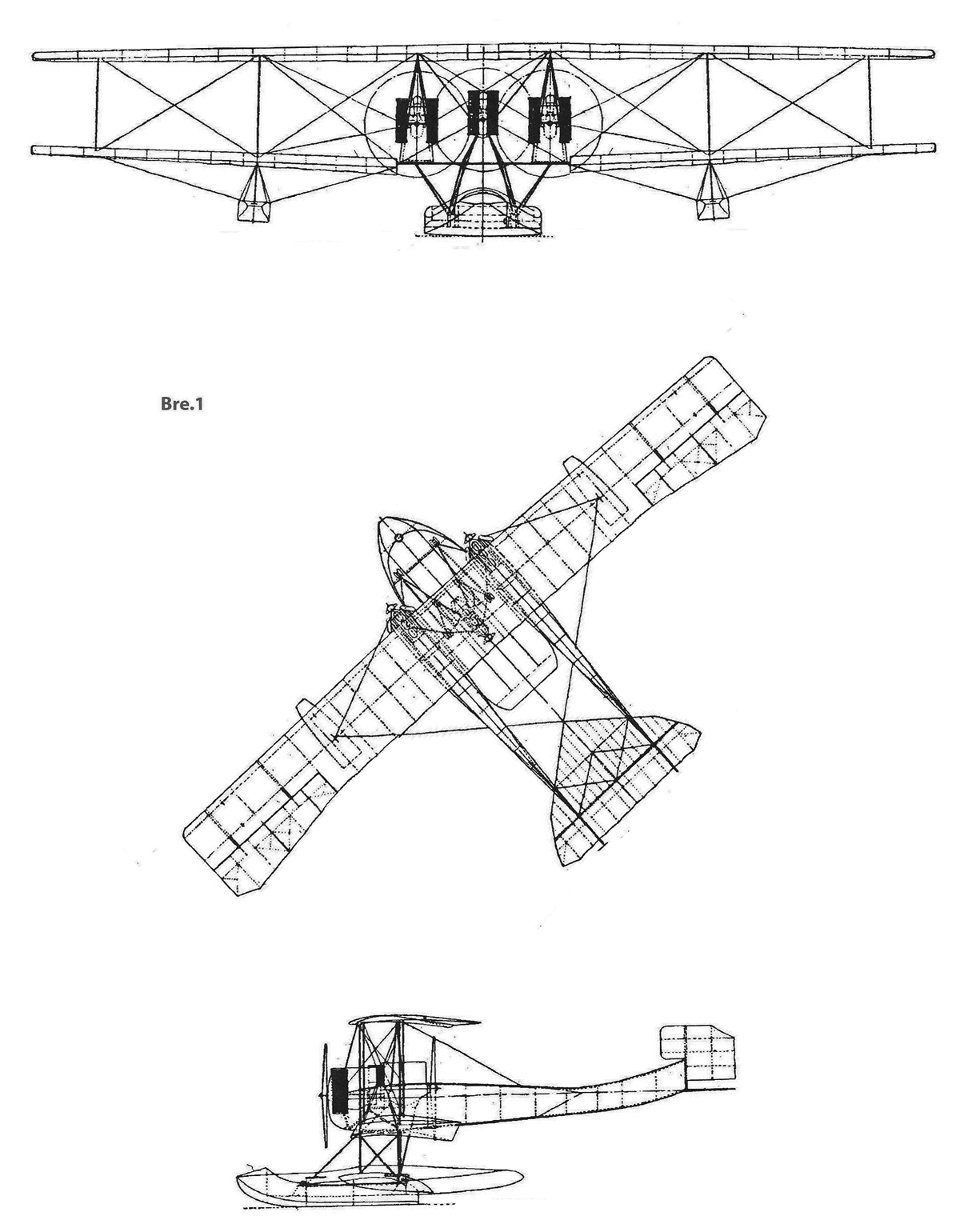 Bre.1(3) |
ArchivoAéreo Editorial Team
A group of aviation researchers and enthusiasts dedicated to documenting and preserving global aeronautical history. All articles are reviewed to ensure historical accuracy.
Sources & Accuracy
The information presented in this technical sheet has been compiled from declassified flight manuals, historical archives, and specialized literature. While we strive for maximum accuracy, some performance data may vary depending on the specific variant or operational conditions.