BRG (Bombardiere Rosatelli Gigante)
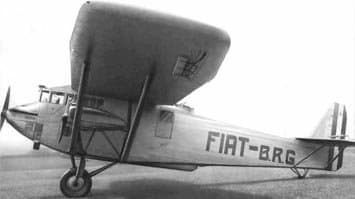
Following the release of the BR (Bombardiere Rosatelli) light bomber, engineer Celestino Rosatelli began work on a heavy bomber, the BRG (Bombardiere Rosatelli Gigante – “Rosatelli’s Giant Bomber”), in the late 1920s. The aircraft was completed in early 1930 and made its first flight on July 28 of the same year.
Design and Technical Specifications
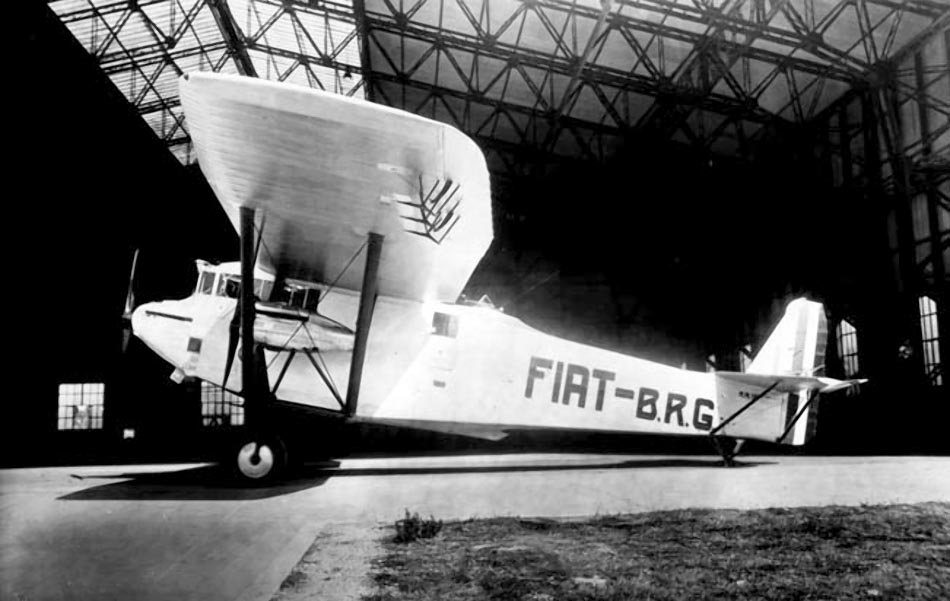
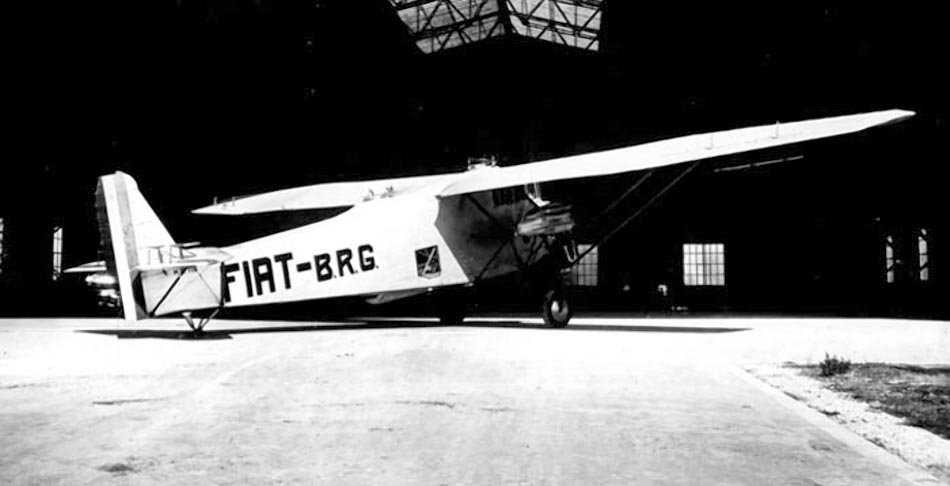
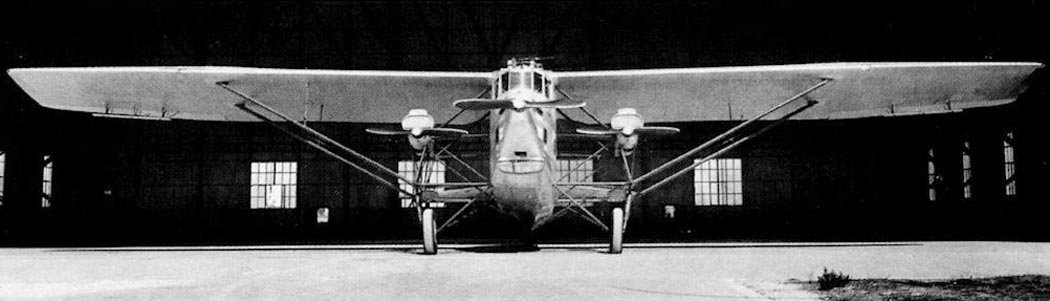
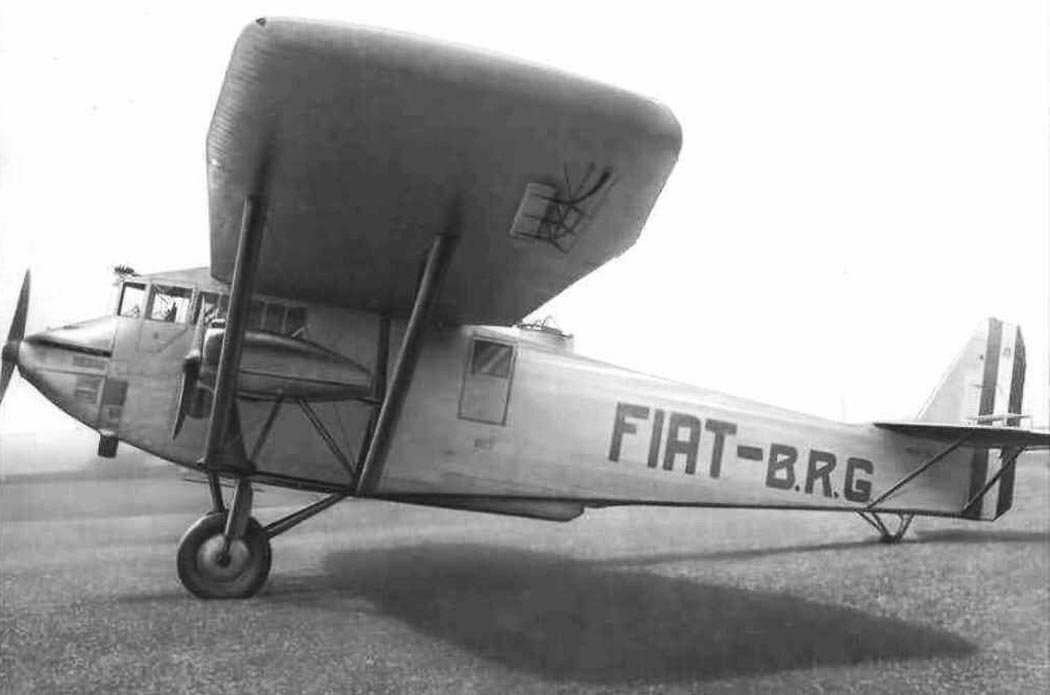
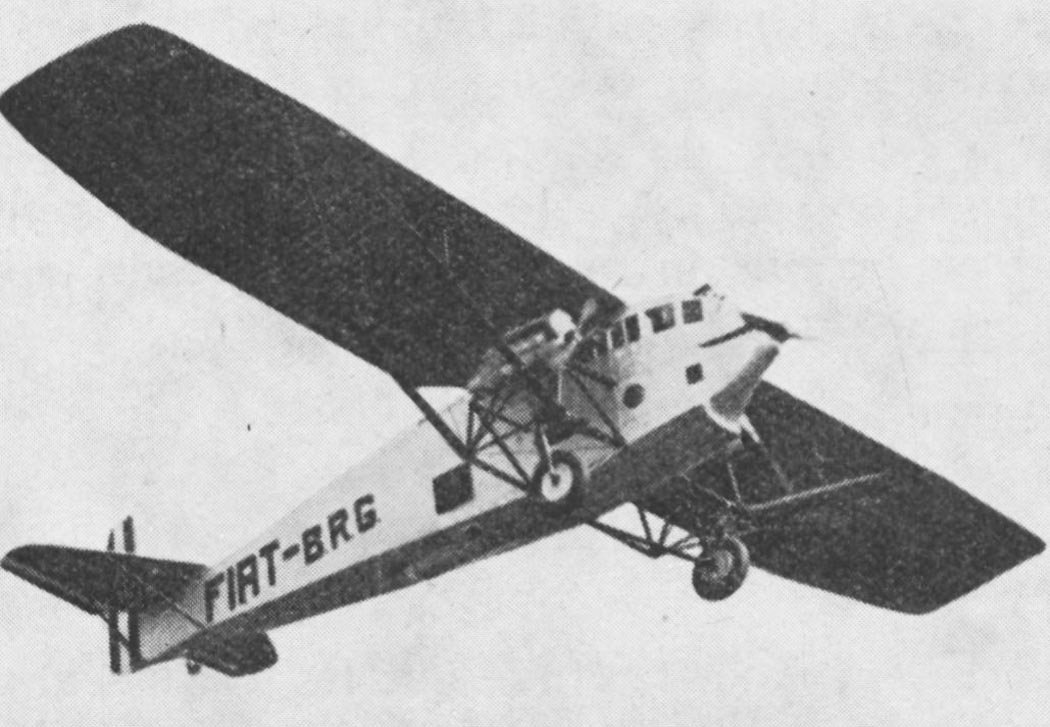
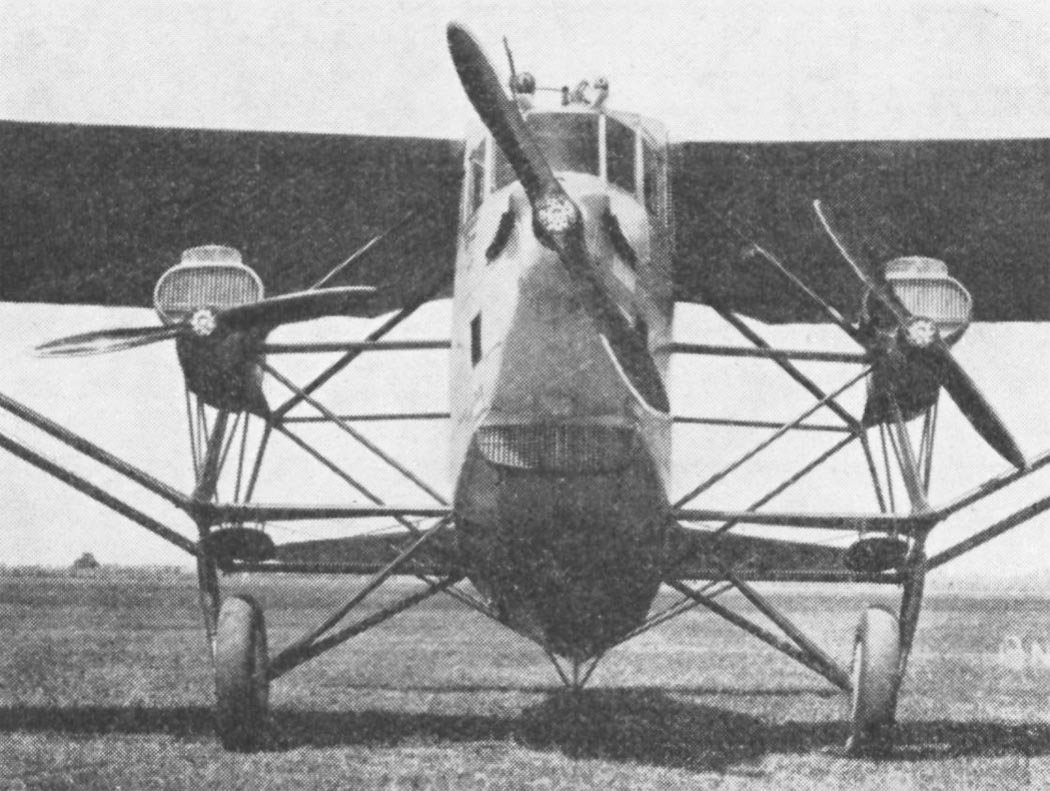
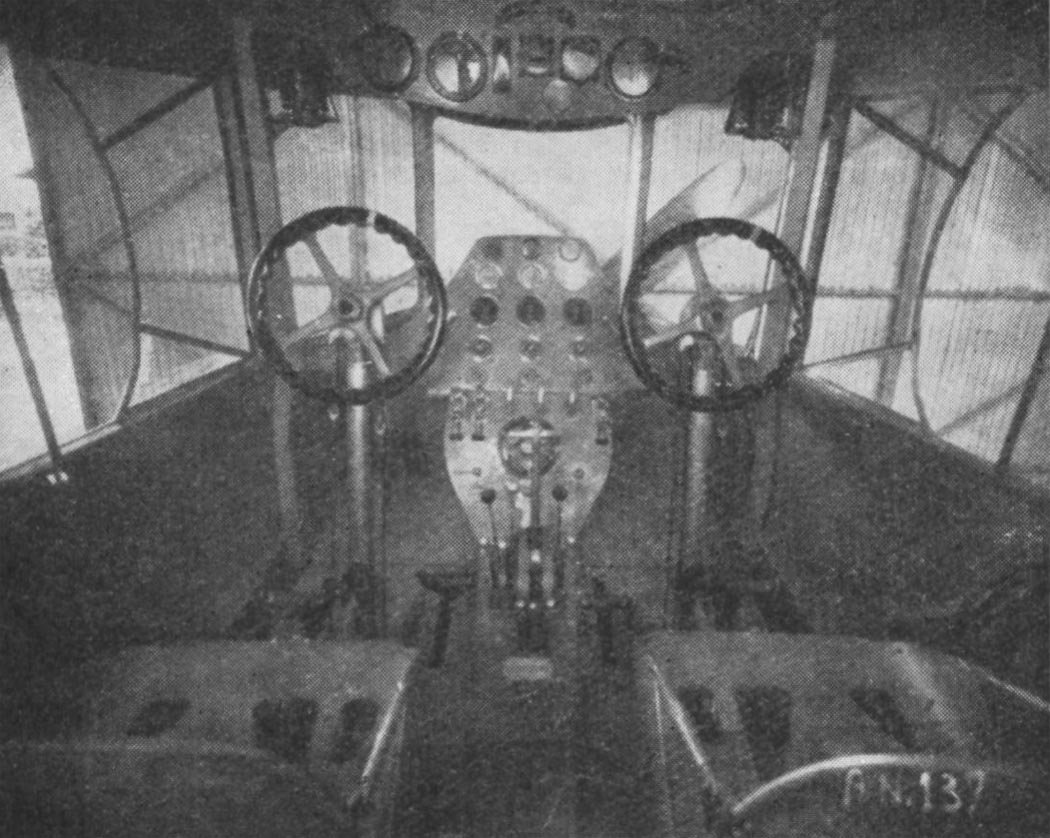
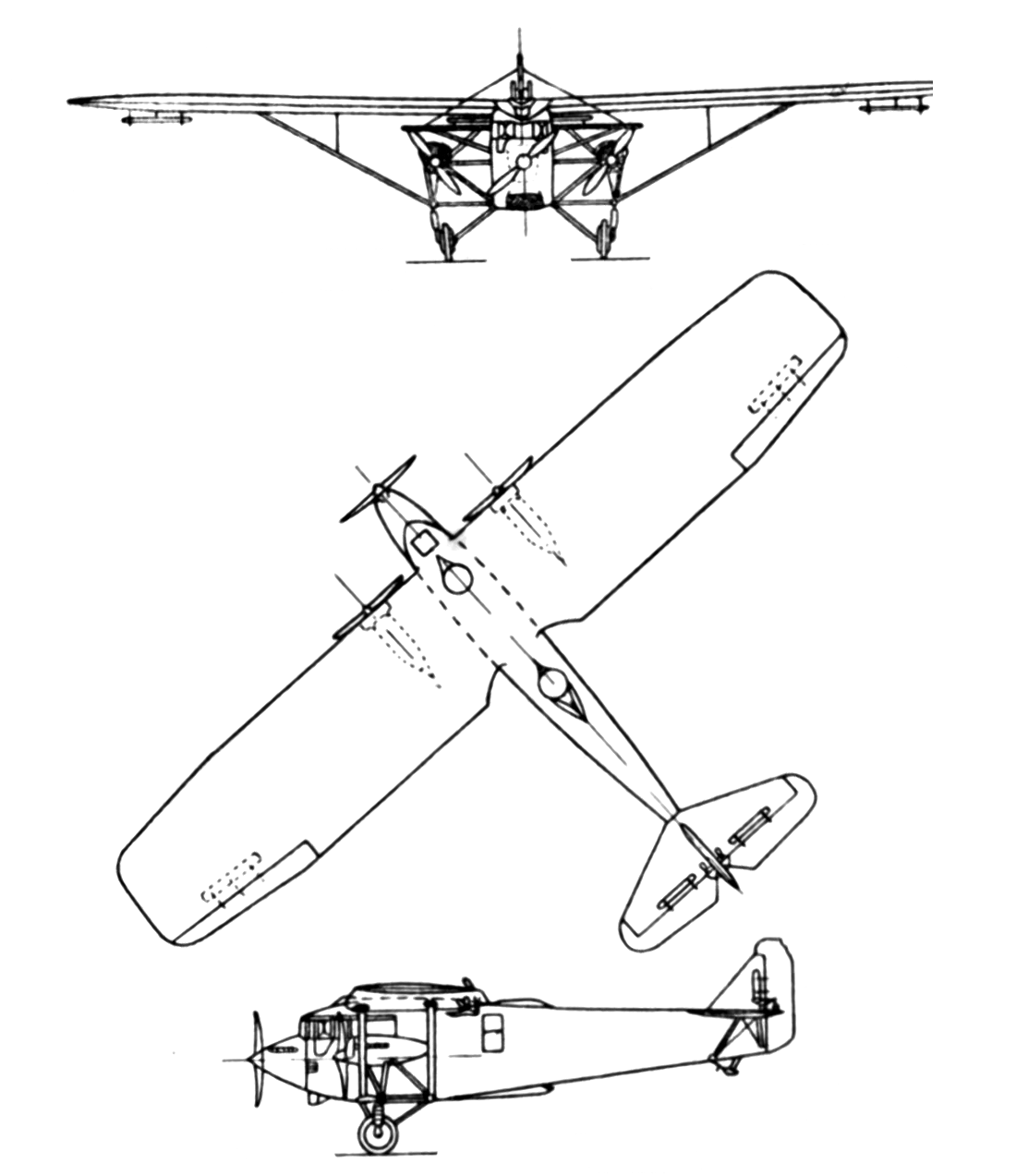
This was a very large and somewhat clumsy three-engine parasol monoplane with fixed landing gear and a single tail. One Fiat A24R engine (720 hp) was installed in the nose section of the fuselage, while two additional A.24 engines were mounted on struts between the fuselage and a very small auxiliary wing.
Defensive 7.7-mm machine guns were installed in pairs on an open turret in the upper part of the fuselage and on a hatch mount. The bomb load, weighing 2000 kilograms, was housed in a closed bomb bay.
Operational Service and Testing
After completing its trials, the single prototype of the bomber was transferred to the 62nd Squadriglia SPB (Squadron of Heavy Experimental Bombers). This unit was known for operating various experimental or unsuccessful heavy bomber prototypes at different times.
Technical Specifications
| Modification | BRG |
| Wingspan, m | 30.00 |
| Length, m | 17.60 |
| Height, m | 5.80 |
| Wing area, m2 | 70.22 |
| Empty weight | 6600 |
| Normal takeoff weight | 12000 |
| Engine type | 3 Piston engines Fiat A.24R |
| Power, hp | 3 x 720 |
| Maximum speed, km/h | 240 |
| Cruising speed, km/h | 205 |
| Flight duration, h | 12 |
| Service ceiling, m | 4800 |
| Crew | 4 |
| Armament | four 7.7-mm machine guns; bomb load – up to 2000 kg. |
Image and diagram gallery of the BRG (Bombardiere Rosatelli Gigante)
 BRG |
 BRG |
 BRG |
 BRG |
 BRG |
 BRG |
 BRG |
 BRG |
ArchivoAéreo Editorial Team
A group of aviation researchers and enthusiasts dedicated to documenting and preserving global aeronautical history. All articles are reviewed to ensure historical accuracy.
Sources & Accuracy
The information presented in this technical sheet has been compiled from declassified flight manuals, historical archives, and specialized literature. While we strive for maximum accuracy, some performance data may vary depending on the specific variant or operational conditions.