Bristol 109
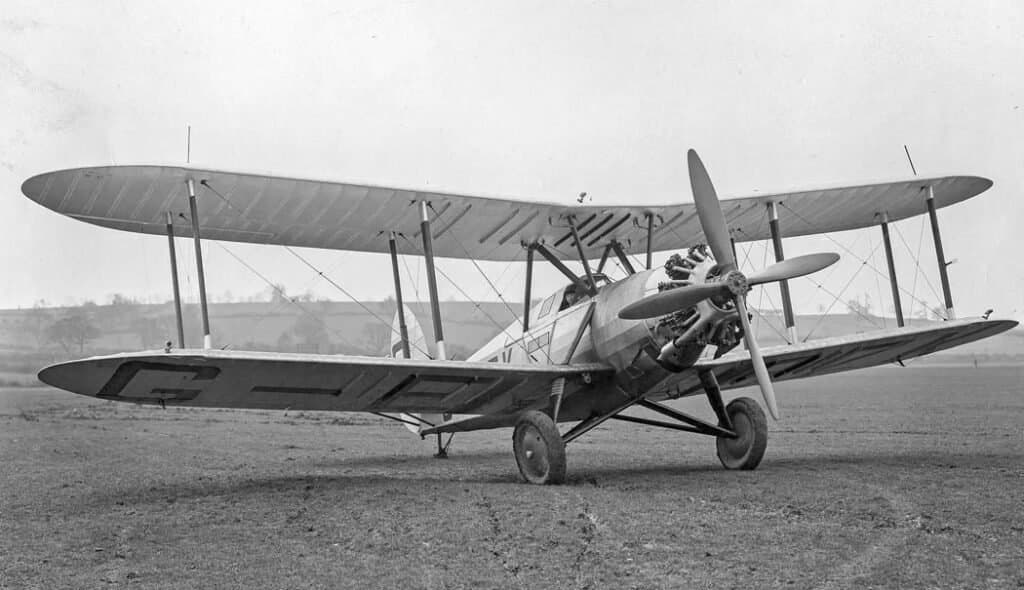
In the mid-1920s, the British Air Ministry issued a specification for a long-range aircraft capable of covering a distance of 5000 miles without a single stop. In response, Bristol Aeroplane Co. Ltd. designed the Bristol Type 109 in 1928 to meet this ambitious long-distance flight requirement.
Designing for Long-Range Endurance
To satisfy the specification’s demands, it was necessary to integrate 13 fuel tanks into the aircraft, holding a total capacity of over 4000 liters. This formidable fuel capacity was crucial for its endurance mission.
Flight Trials and Legacy
The aircraft’s maiden flight occurred on September 7, 1928. During trials, it achieved a maximum flight range of 3300 miles (5310 km), which, however, was significantly less than what the Air Ministry required. Consequently, the aircraft was subsequently used only for experimental purposes, notably testing the new Bristol Jupiter XF engine.
Technical Specifications
| Modification | Bristol 109 |
| Wingspan, m | 15.59 |
| Aircraft length, m | 11.80 |
| Aircraft height, m | 4.27 |
| Wing area, m2 | 65.03 |
| Empty weight | 2087 |
| Maximum takeoff weight | 4445 |
| Engine type | 1 Piston engine Bristol Jupiter VIII |
| Power, hp | 1 x 480 |
| Maximum speed, km/h | 172 |
| Cruising speed, km/h | 145 |
| Practical range, km | 5310 |
| Crew, crew members | 2 |
Image and diagram gallery of the Bristol 109
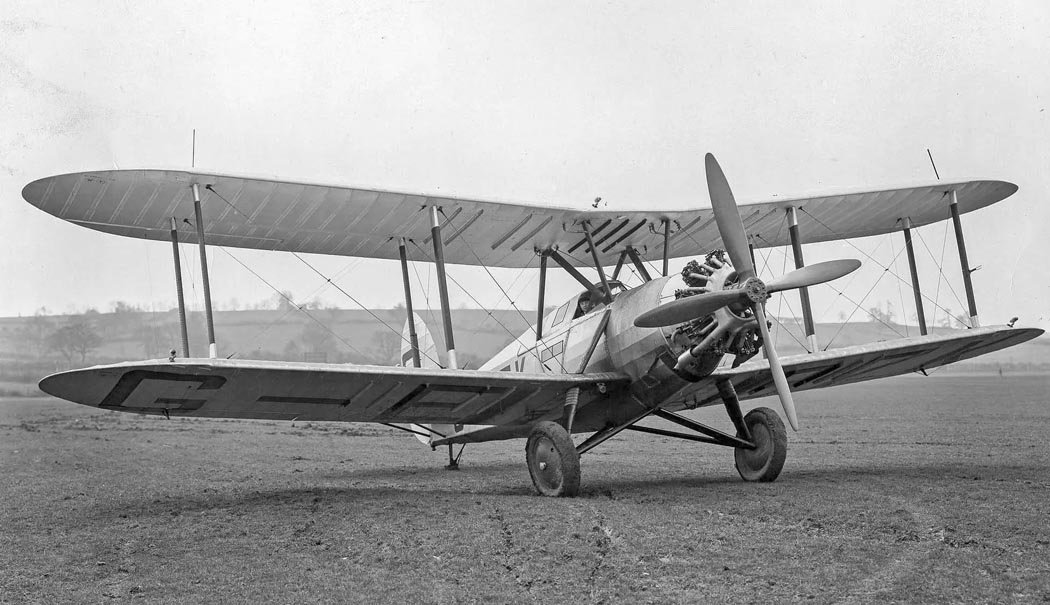 Bristol 109 |
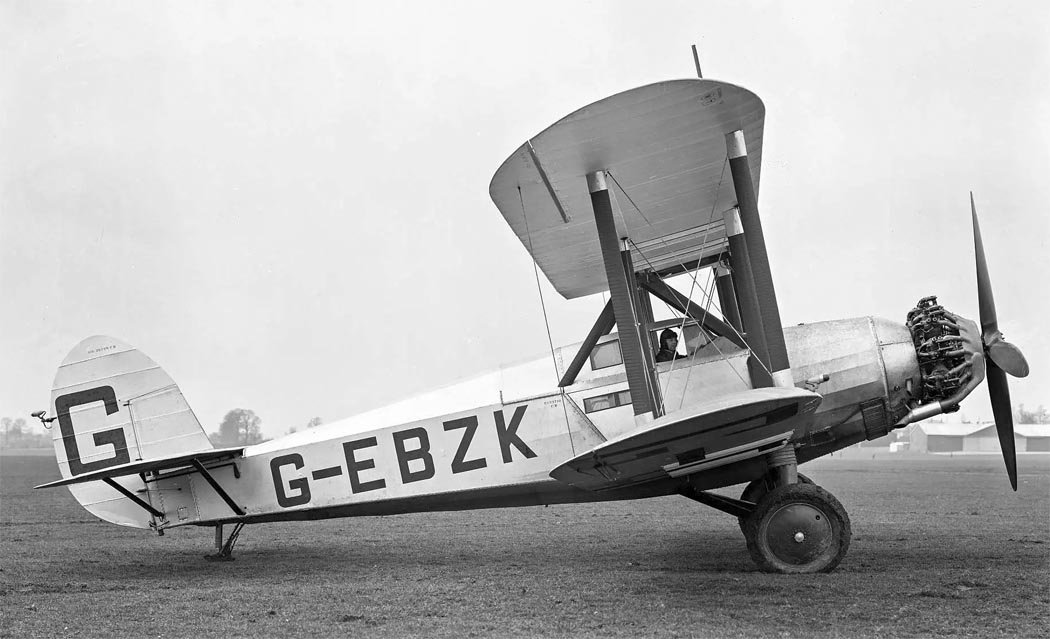 Bristol 109 |
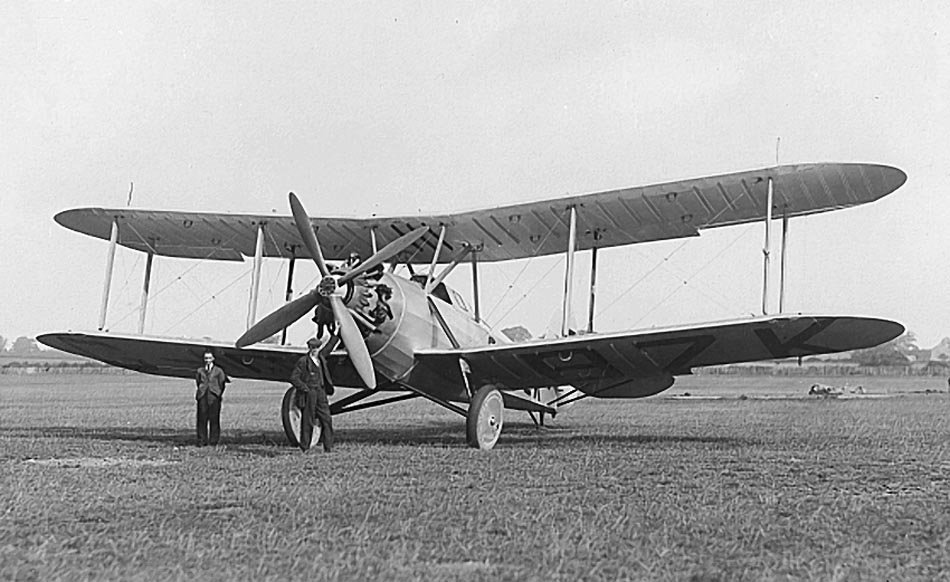 Bristol 109 |
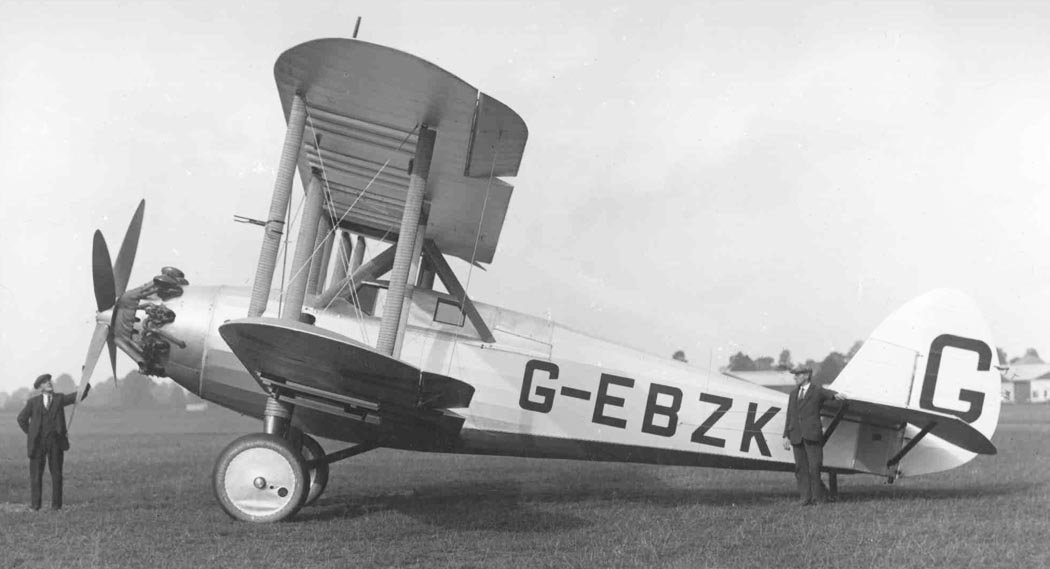 Bristol 109 |
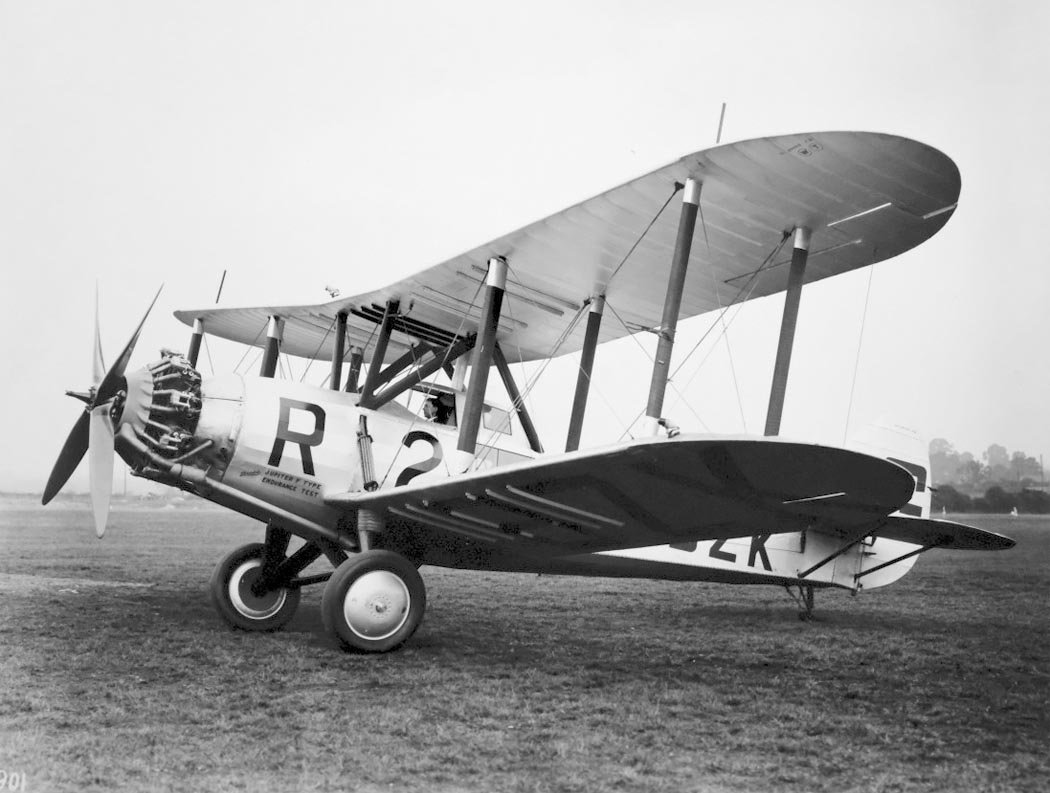 Bristol 109 |
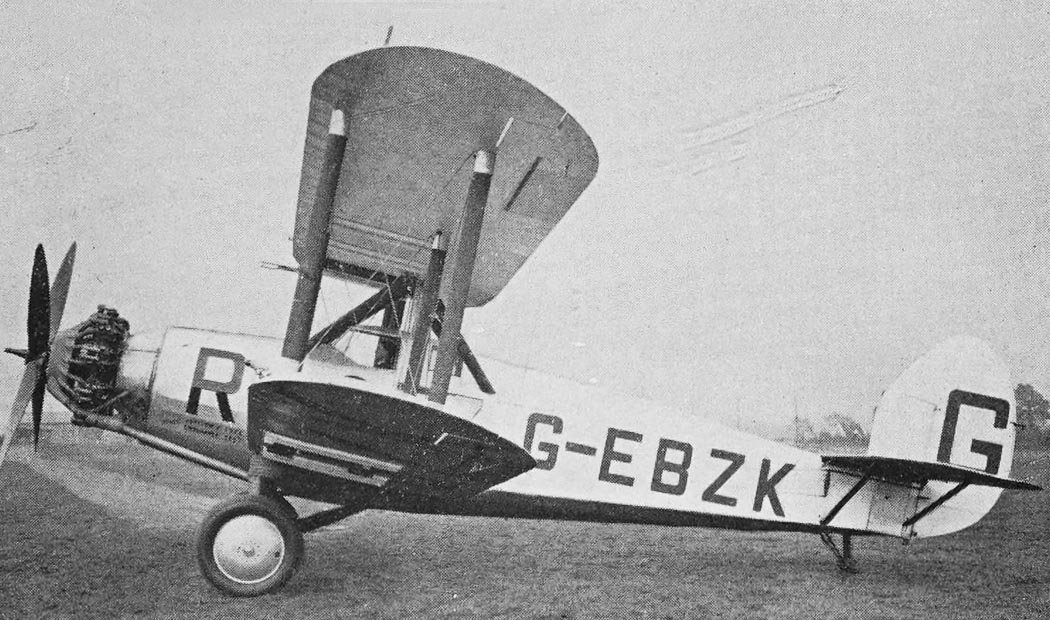 Bristol 109 |
ArchivoAéreo Editorial Team
A group of aviation researchers and enthusiasts dedicated to documenting and preserving global aeronautical history. All articles are reviewed to ensure historical accuracy.
Sources & Accuracy
The information presented in this technical sheet has been compiled from declassified flight manuals, historical archives, and specialized literature. While we strive for maximum accuracy, some performance data may vary depending on the specific variant or operational conditions.