Bristol 118/120
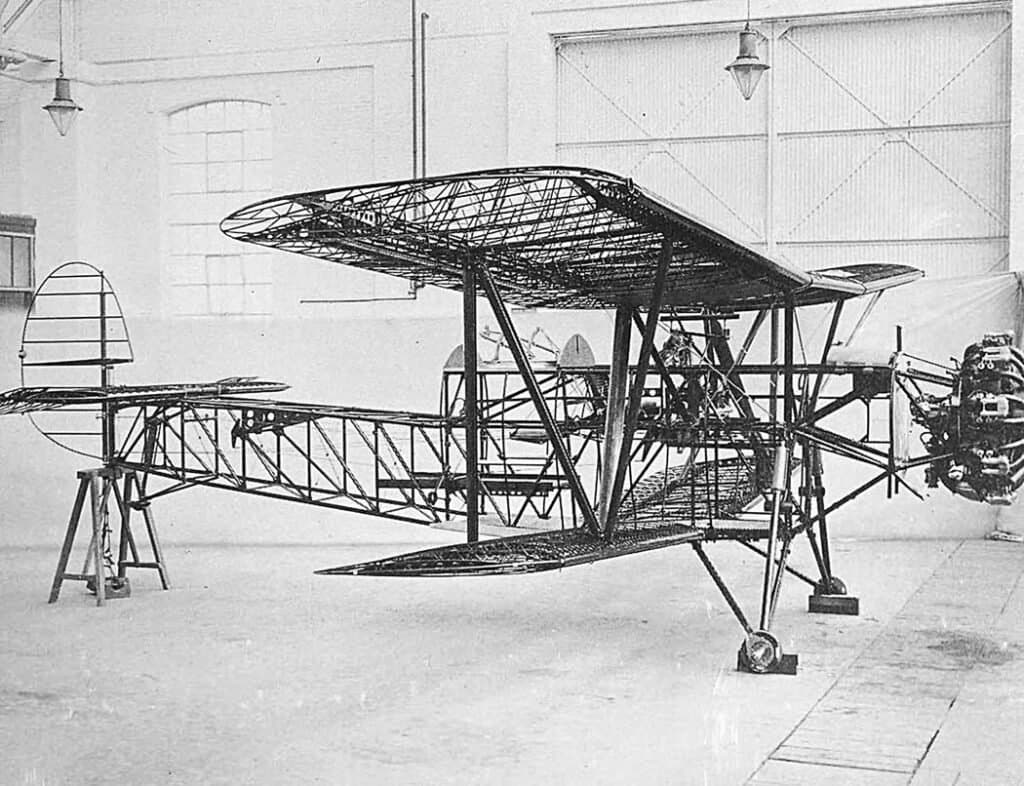
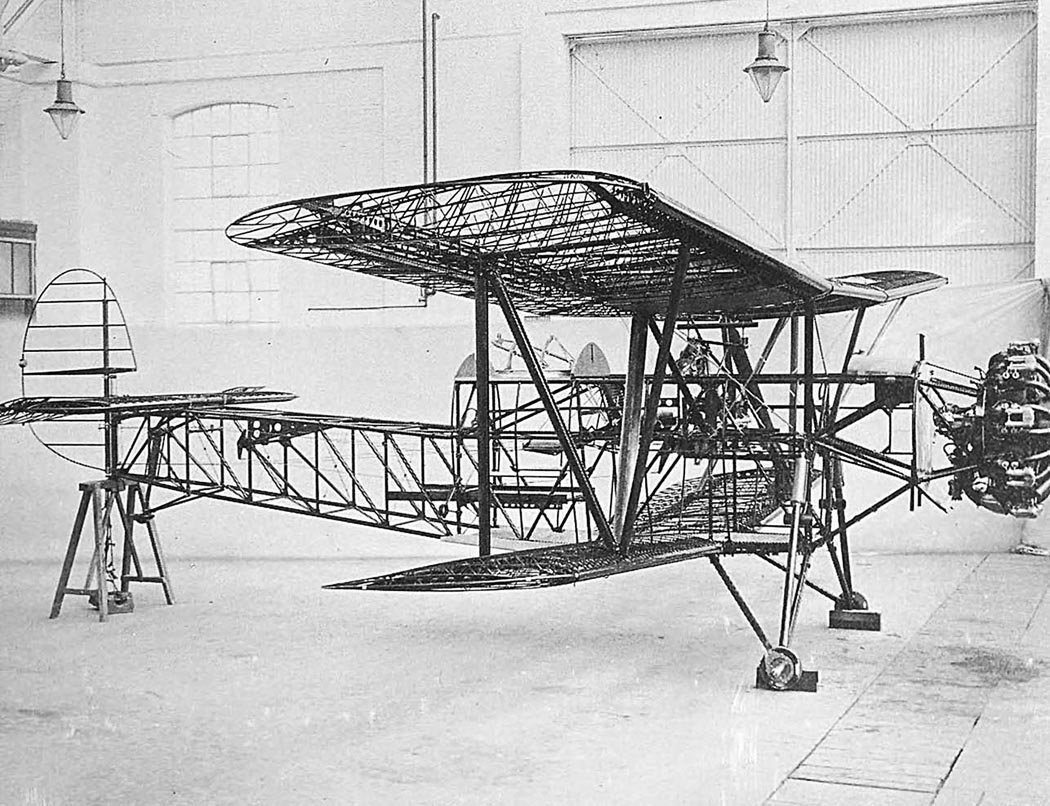
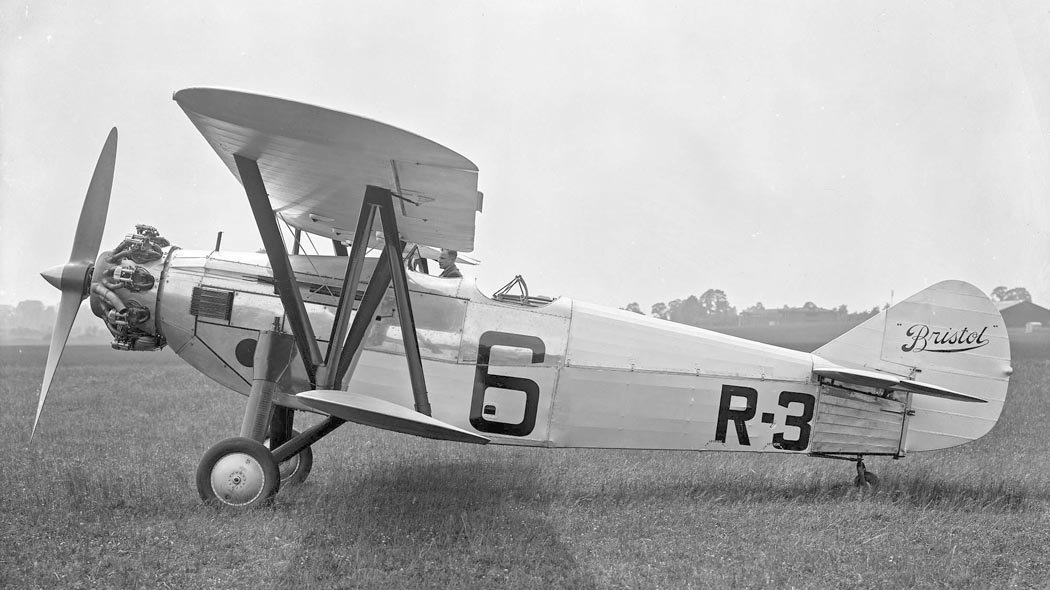
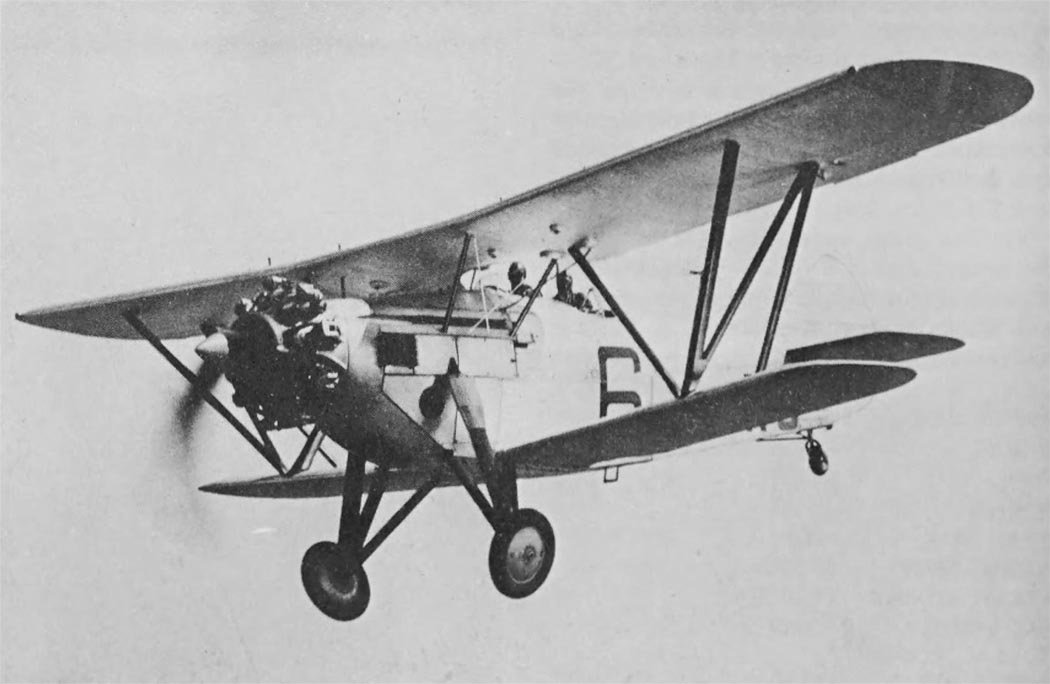
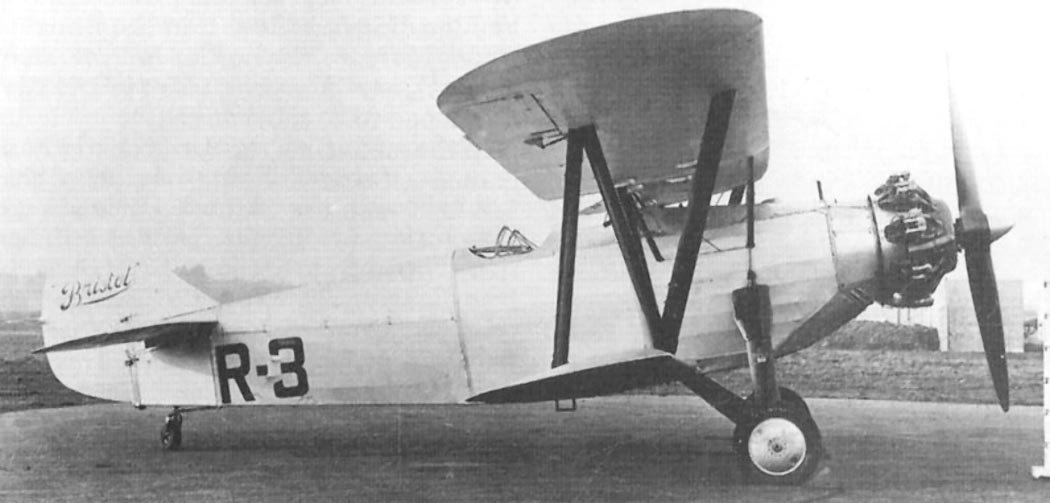
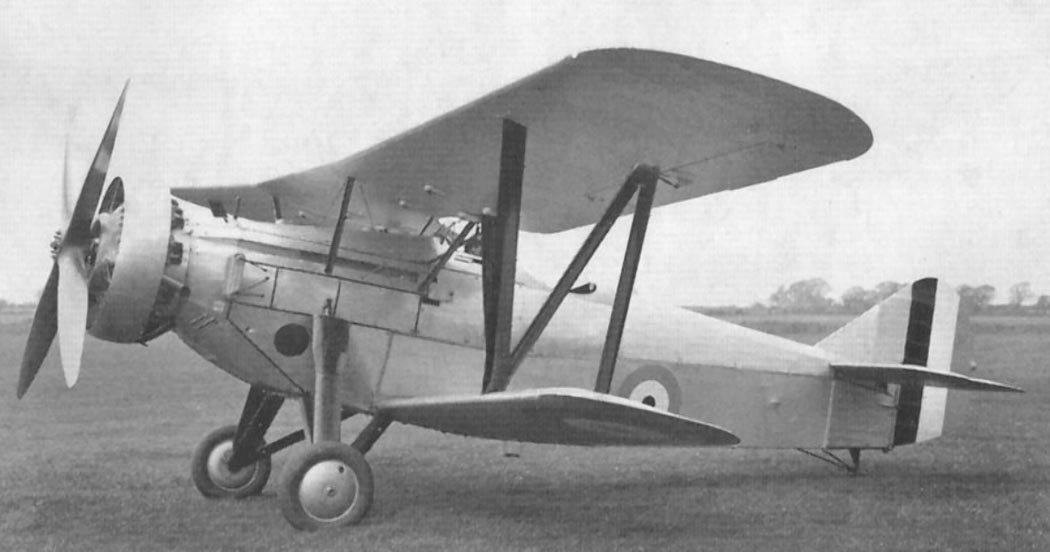
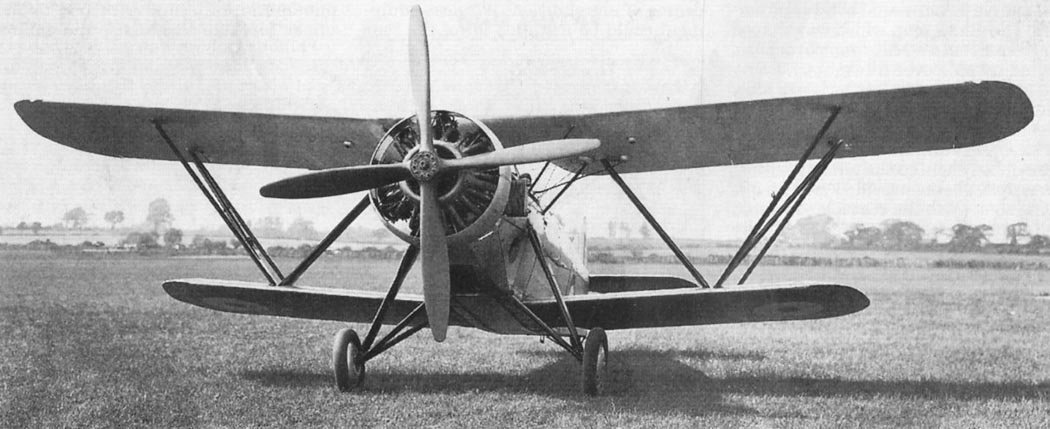
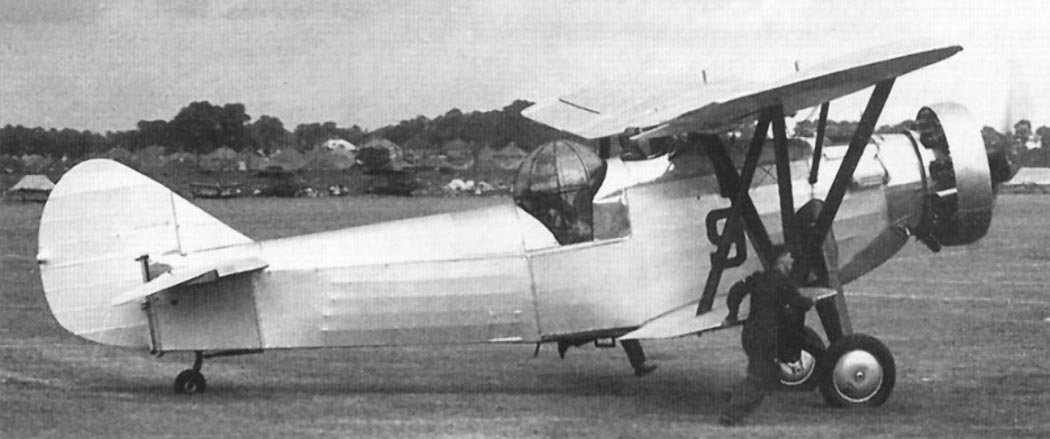
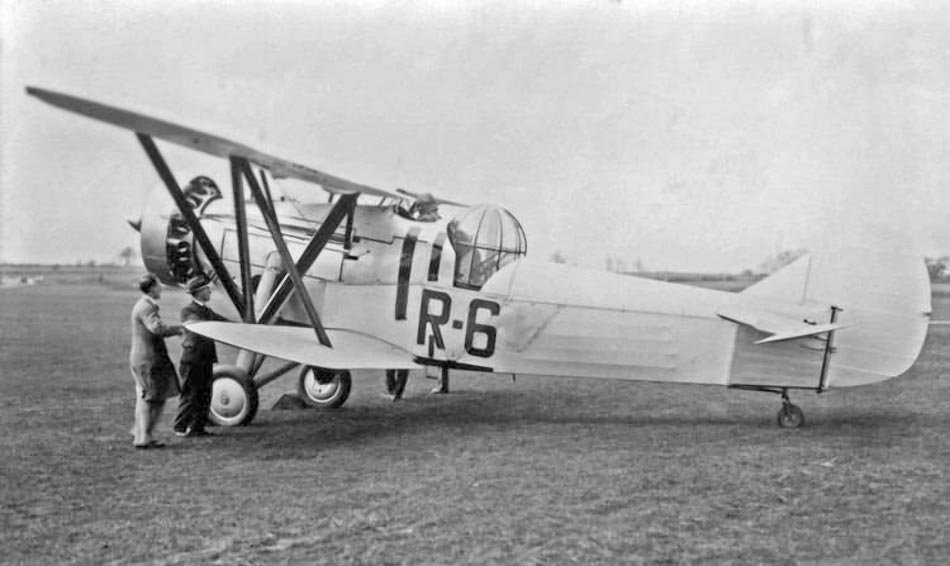
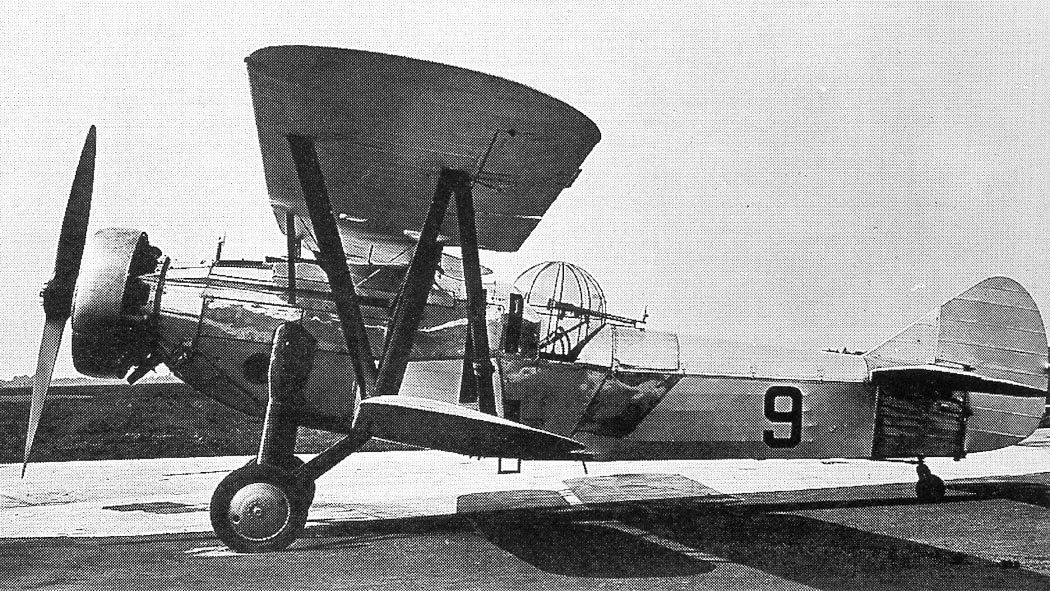
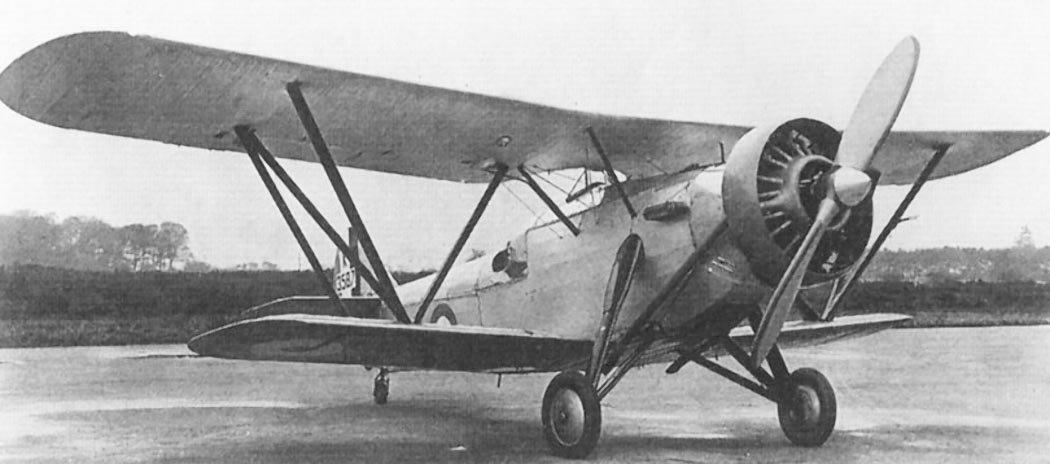
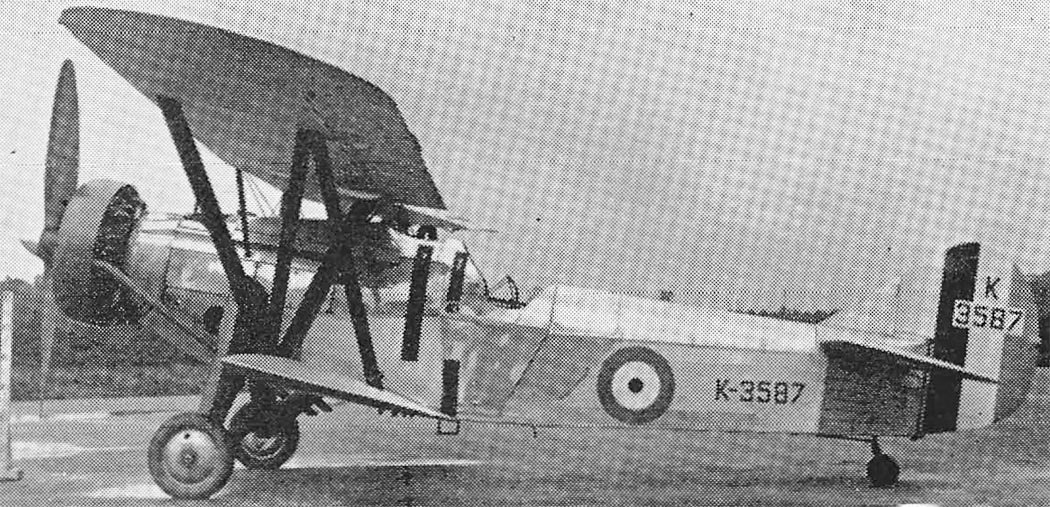
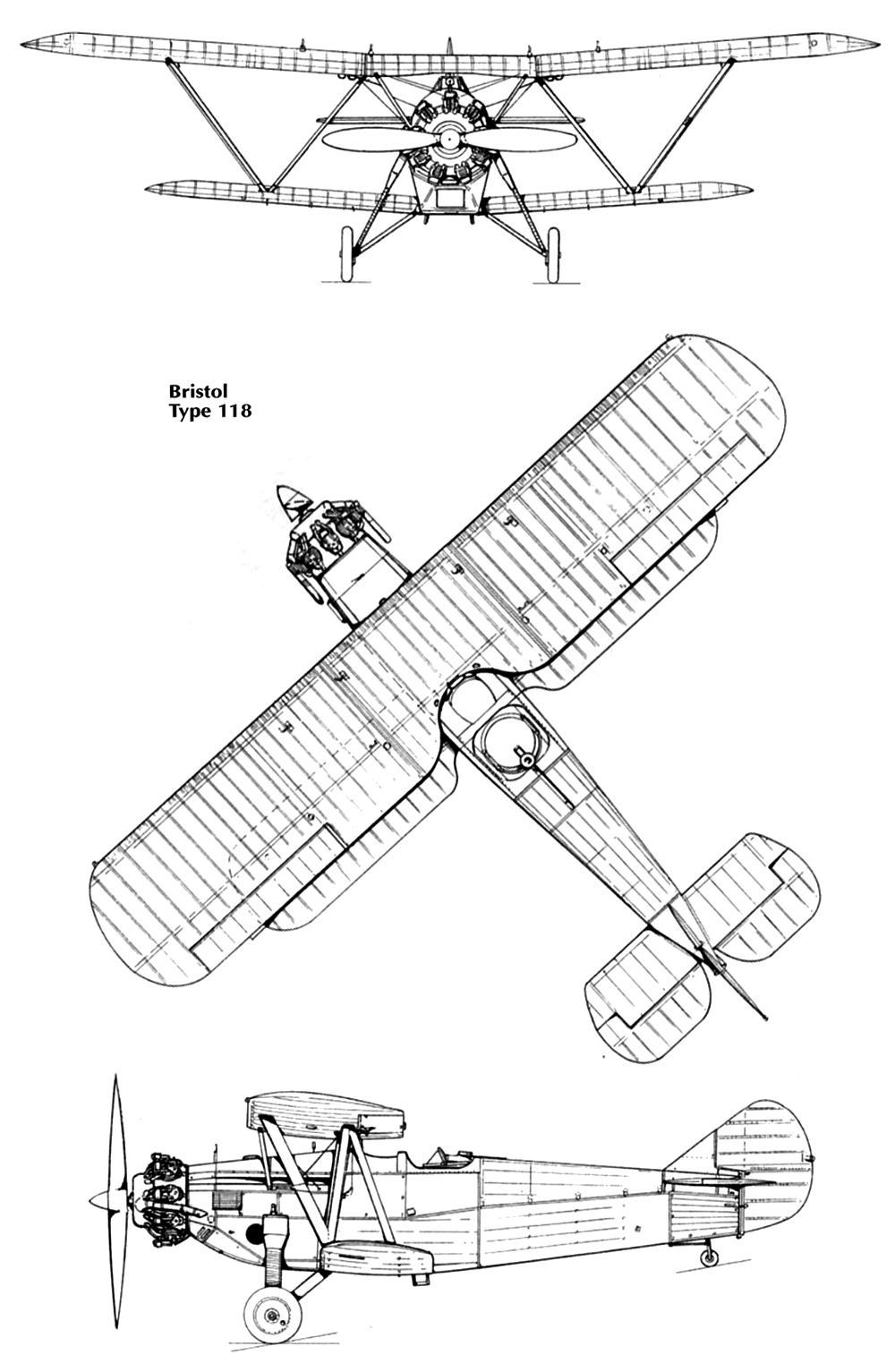
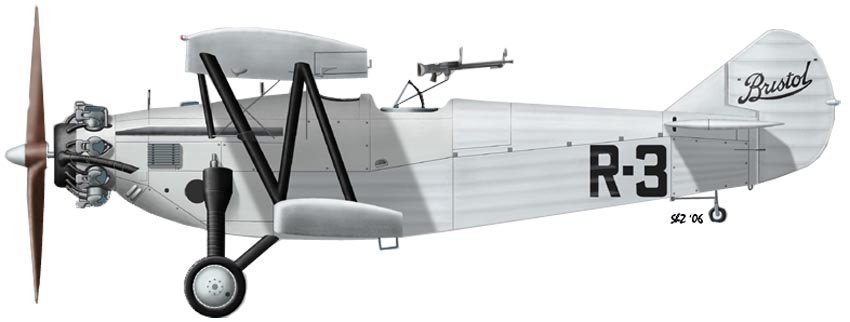
The Bristol Type 118 project was initially developed as a two-seater fighter. It was a biplane powered by a 590 hp Jupiter XFA engine. However, it soon became clear that the aircraft would not be able to surpass the performance of the production Bristol Bulldog, and more advanced designs were already under parallel development.
Initial Design and Purpose
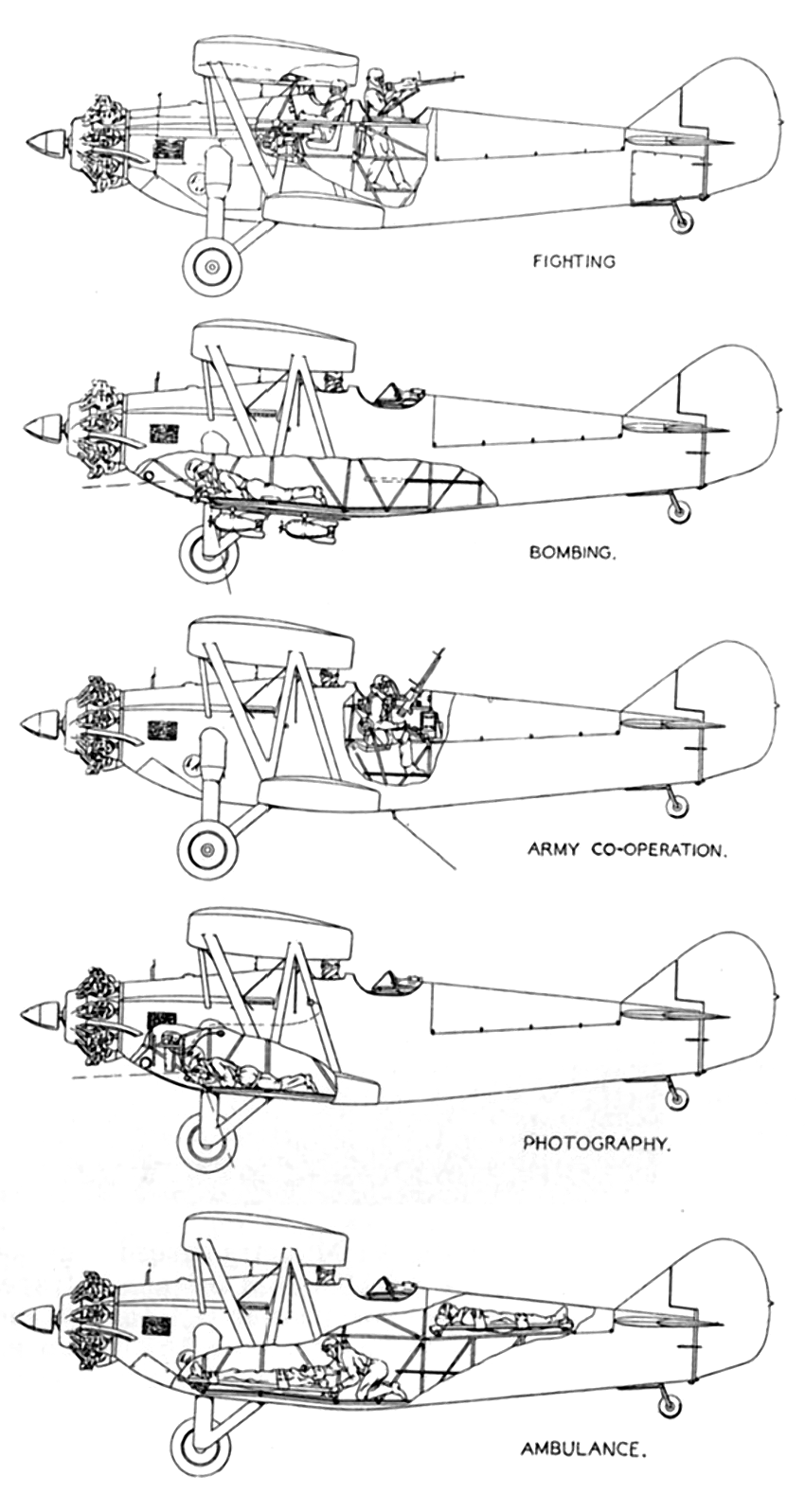
Despite the initial limitations, work was not halted. It was decided to redesign the project into a multi-purpose auxiliary army aircraft. The UK Air Ministry then ordered the construction of another prototype to pursue this new direction.
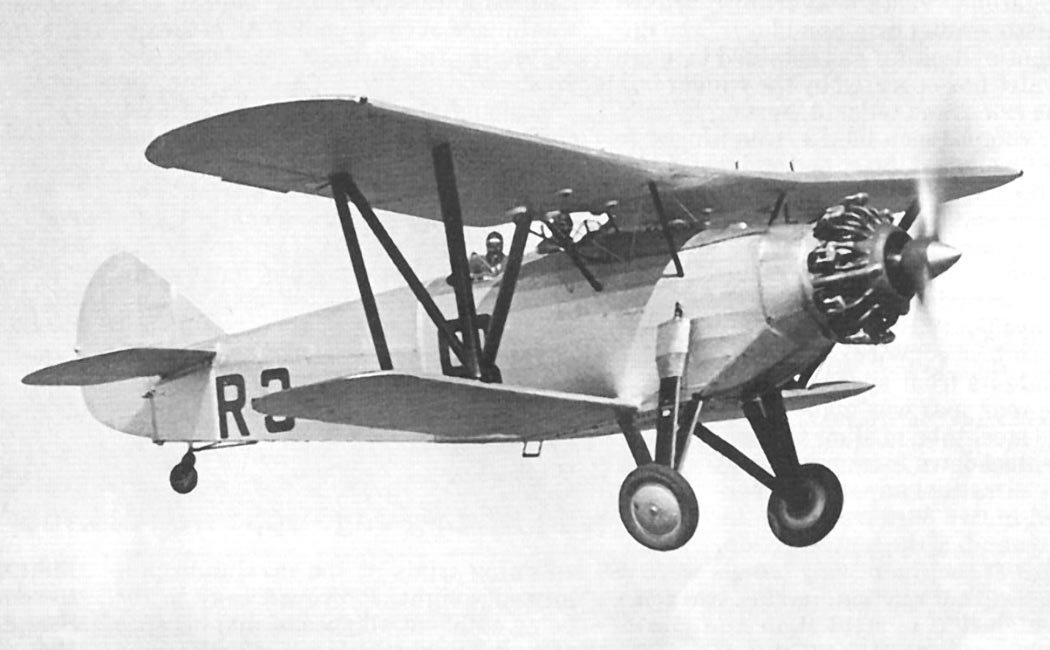
The second, more advanced and improved model, was designated as the Bristol Type 120. It was equipped with a nine-cylinder, air-cooled Bristol Pegasus IM.3 engine, delivering 650 hp. Its armament consisted of a synchronized front 7.7-mm Vickers machine gun, mounted on the side of the fuselage, and a movable 7.7-mm Lewis machine gun in the observer’s cockpit.
Advanced Features and Armament
In addition, the Bristol Type 120 could carry two 113-kilogram bombs, significantly enhancing its attack capabilities. The aircraft’s maiden flight took place on January 22, 1931.
Test Flights and Cancellation
After a series of comprehensive tests, the project was ultimately cancelled. Despite the efforts to transform it into a multi-purpose aircraft, the Bristol 118/120 never reached serial production.
Technical Specifications
| Modification | Bristol 120 |
| Wingspan, m | 12.39 |
| Length, m | 10.36 |
| Height, m | 3.66 |
| Wing area, m2 | 34.93 |
| Empty weight | 1647 |
| Normal takeoff weight | 2359 |
| Engine type | 1 Piston engine Bristol Pegasus IM.3 |
| Power, hp | 1 x 650 |
| Maximum speed, km/h | 282 |
| Cruising speed, km/h | 244 |
| Service ceiling, m | 7802 |
| Crew, crew members | 2 |
| Armament | one forward 7.7-mm Vickers machine gun, one 7.7-mm Lewis machine gun on Scarff turret, up to 226 kg of bombs |
Image and diagram gallery of the Bristol 118/120
 Bristol 118/120 |
 Bristol 118/120 |
 Bristol 118/120 |
 Bristol 118/120 |
 Bristol 118/120 |
 Bristol 118/120 |
 Bristol 118/120 |
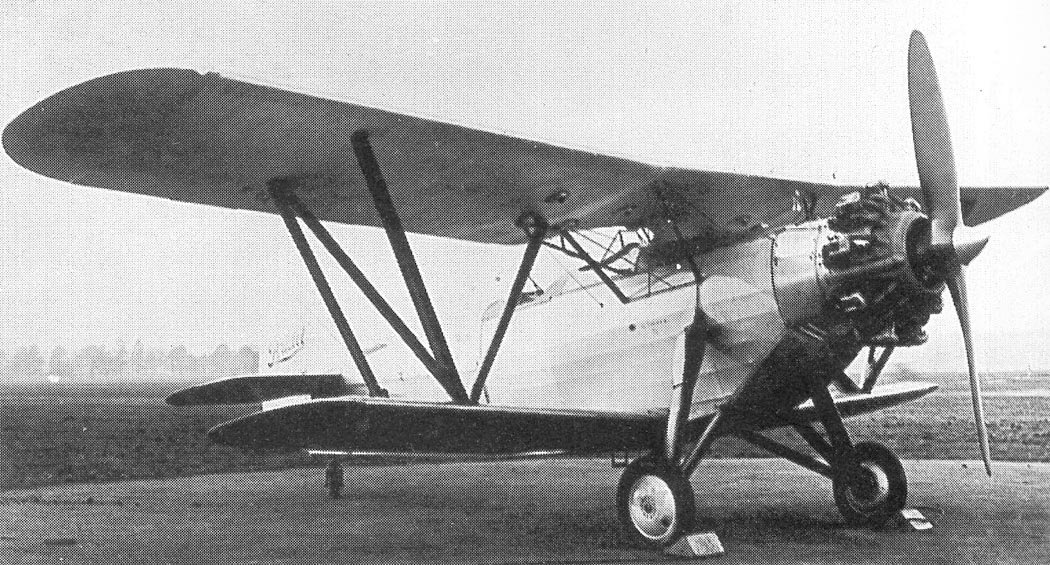 Bristol 118/120 |
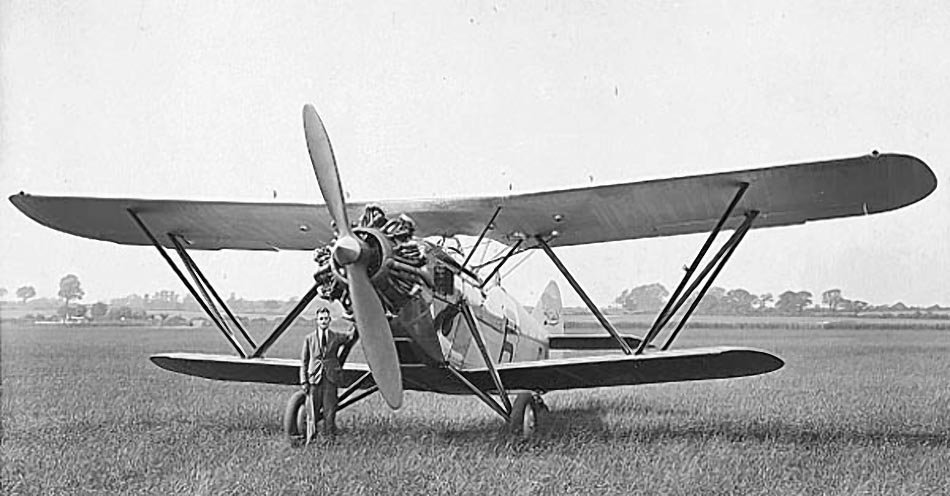 Bristol 118/120 |
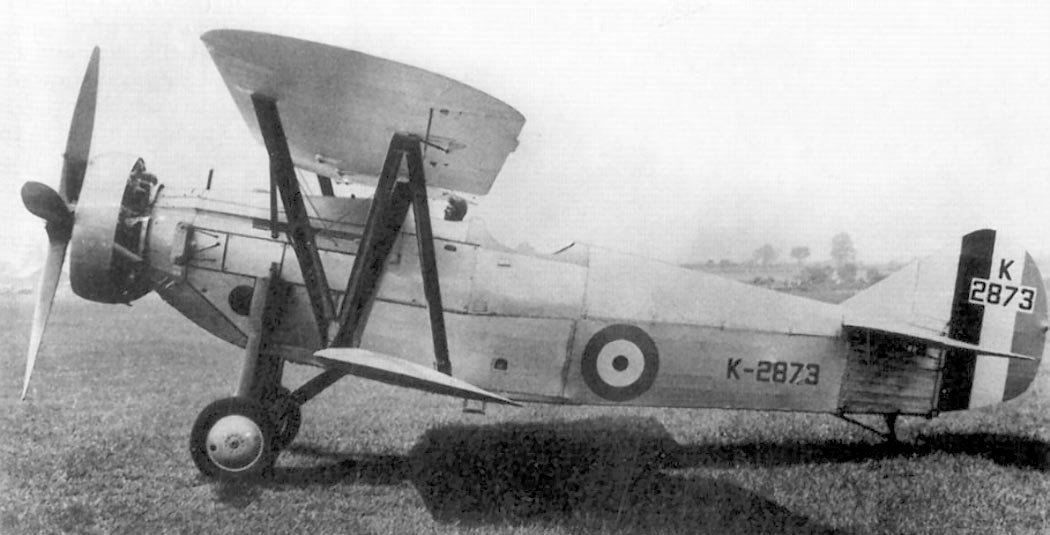 Bristol 118/120 |
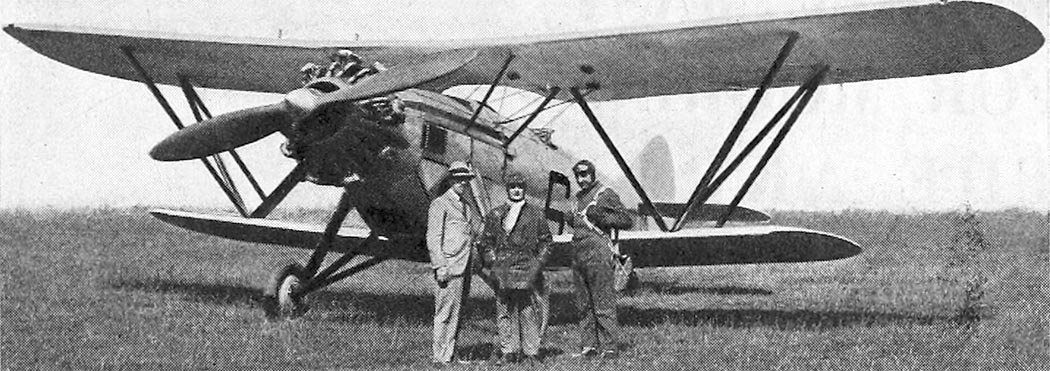 Bristol 118/120 |
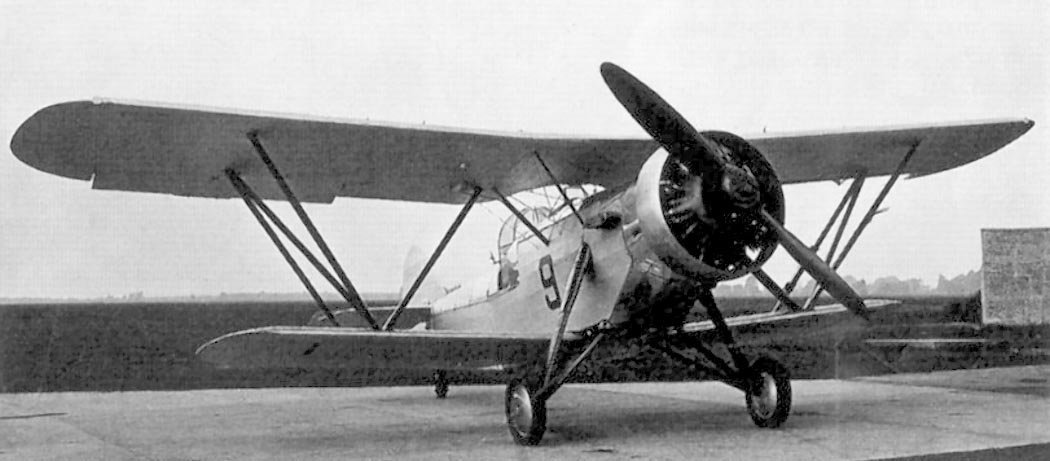 Bristol 118/120 |
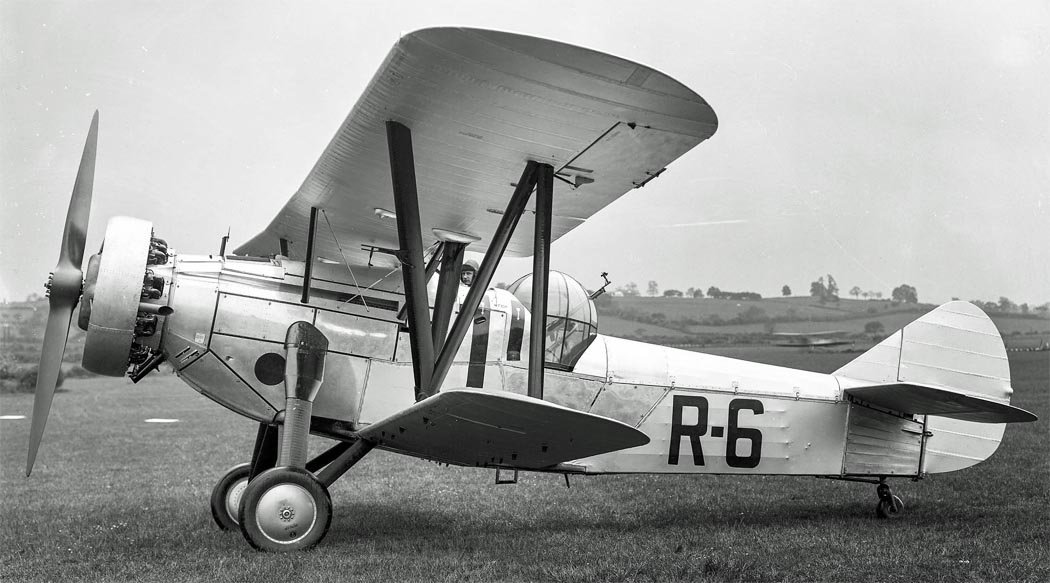 Bristol 118/120 |
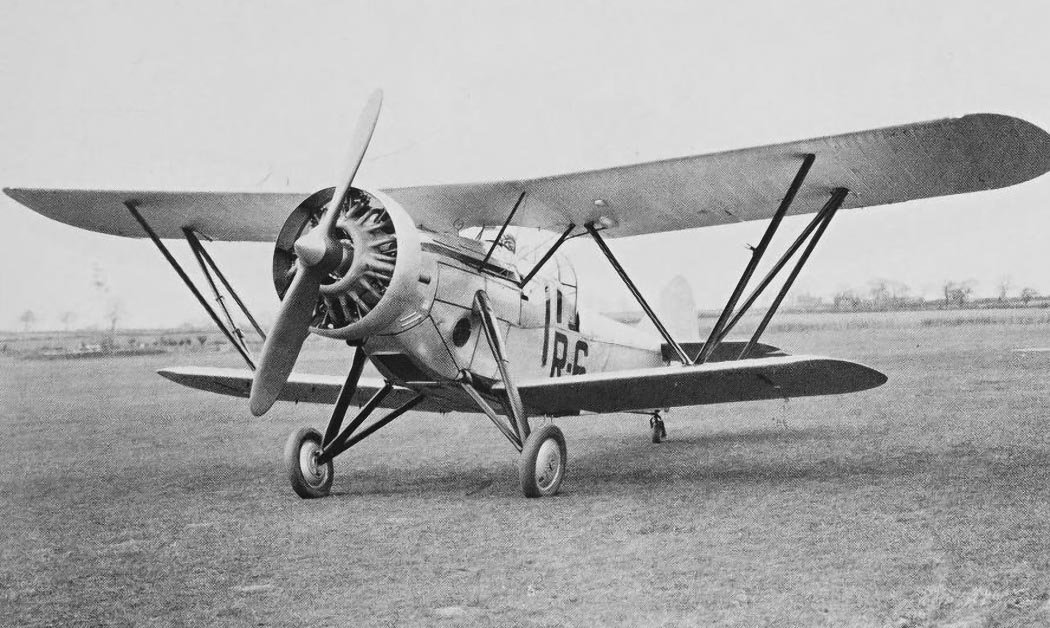 Bristol 118/120 |
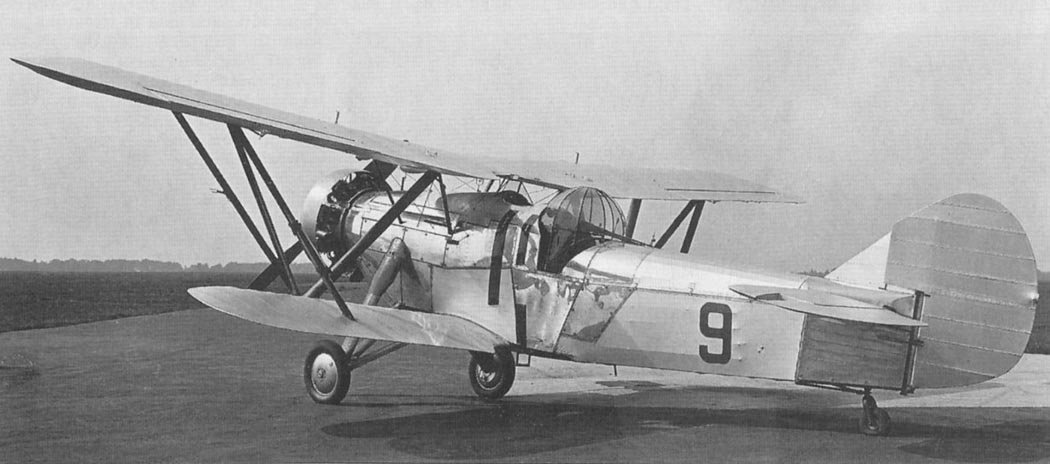 Bristol 118/120 |
 Bristol 118/120 |
 Bristol 118/120 |
 Bristol 118/120 |
 Bristol 118/120 |
 Bristol 118/120 |
 Bristol 118/120 |
 Bristol 118/120 |
 Bristol 118/120 |
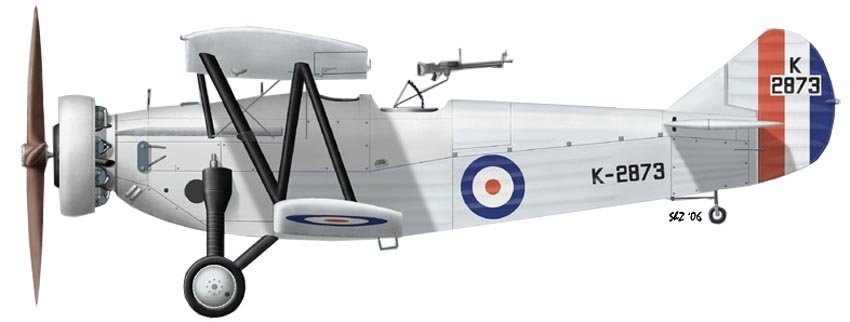 Bristol 118/120 |
ArchivoAéreo Editorial Team
A group of aviation researchers and enthusiasts dedicated to documenting and preserving global aeronautical history. All articles are reviewed to ensure historical accuracy.
Sources & Accuracy
The information presented in this technical sheet has been compiled from declassified flight manuals, historical archives, and specialized literature. While we strive for maximum accuracy, some performance data may vary depending on the specific variant or operational conditions.