Bristol Boxkite
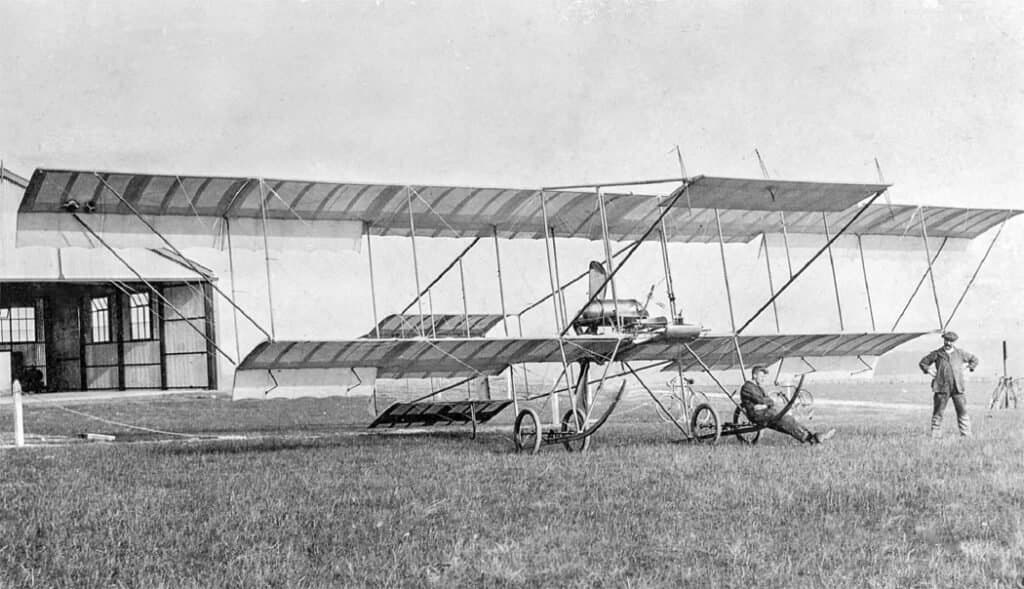
Bristol Aircraft (British and Colonial Aeroplane Co.) was founded in early 1910 as a flying school. By the end of that year, it acquired a license from the French company Zodiac to build aircraft, along with a sample exhibited at the Olympia Aero Show in March 1910.
However, the aircraft proved unsuccessful, managing only a few short hops before its landing gear broke. The five apparatuses already started were subsequently dismantled. The board of directors then turned their attention to Henry Farman’s much more successful aircraft.
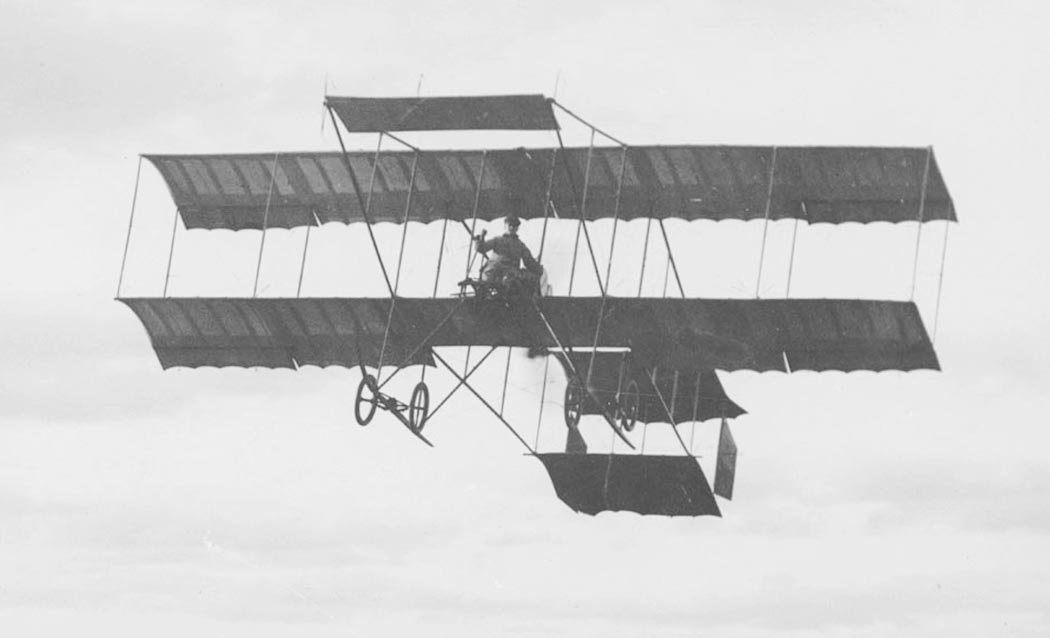
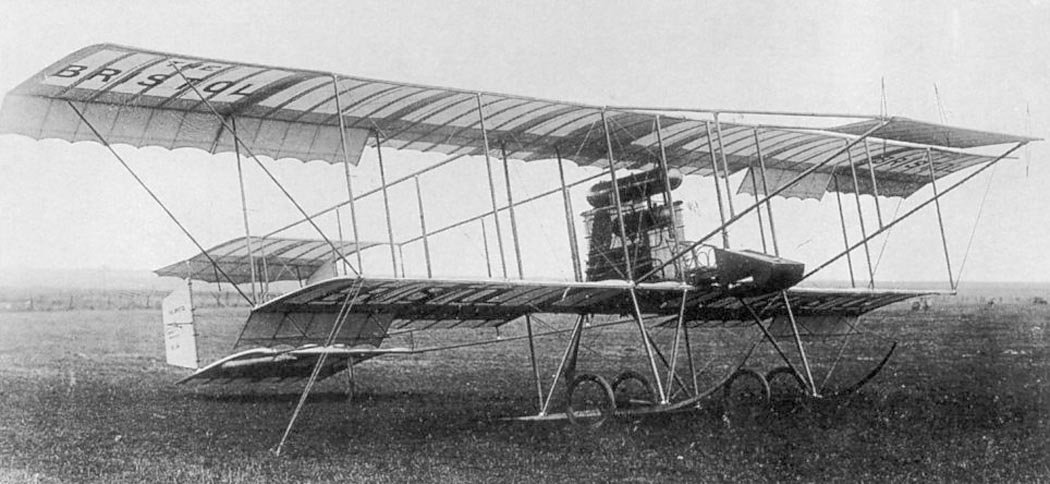
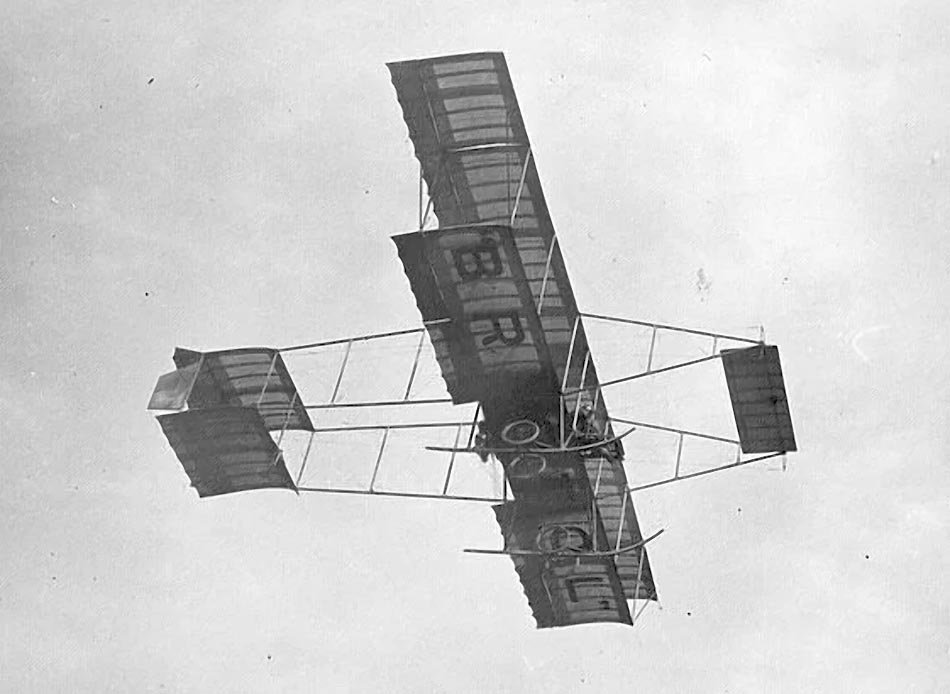
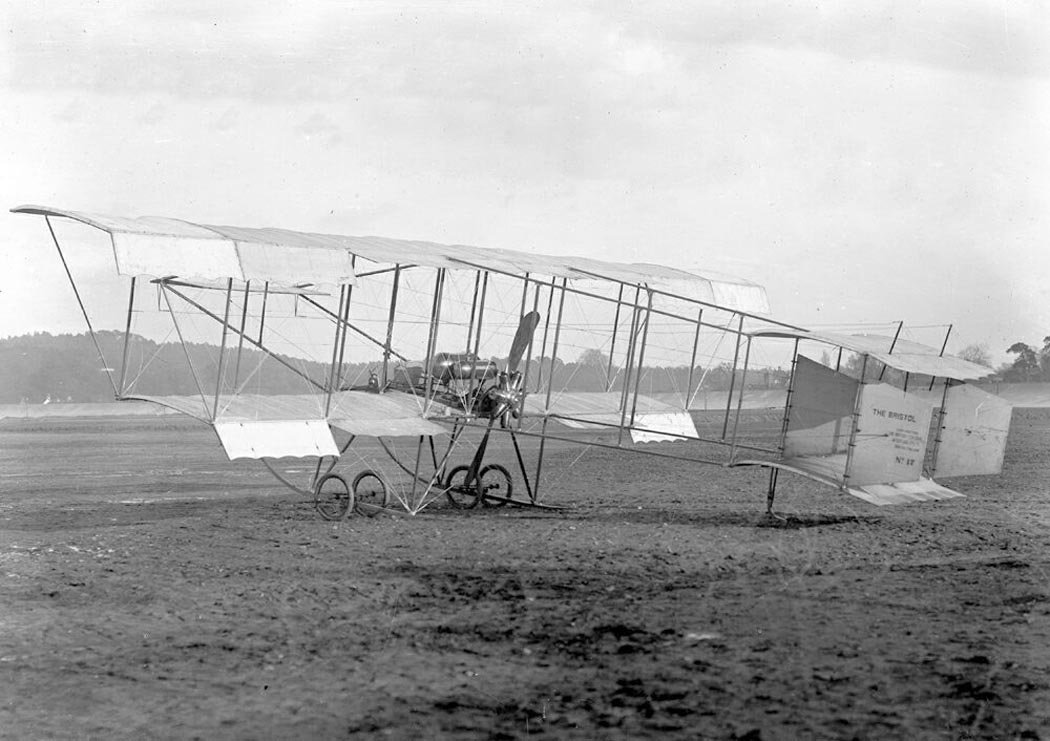
In June 1910, George Challenger prepared drawings for the Boxkite aircraft. It closely resembled the Farman-IV externally but incorporated changes in structural details, such as steel clips and cast aluminum sockets for the struts.
Overall, the construction was of higher quality than Farman’s. When Farman’s lawyers raised claims of patent infringement, the court dismissed them, citing the significant improvements in Bristol’s design.
Development and First Flights
Soon, two aircraft were ready, one with a 50 hp Gregoire engine and the other with an E.N.V. of the same power. On one aircraft, the wings were fabric-covered on both sides; on the other, only on one, as was customary on Farman aircraft to save weight.
The Gregoire engine proved unreliable and underpowered, so it was replaced with a rotary Gnome engine. With this engine, the aircraft made its first flight on July 30, 1910, climbing 50 meters on the very first attempt.
Almost immediately, both machines were sent to the Lanark competitions, which began on August 6. They flew without incident there but won almost no prizes.
Serial production of aircraft with Gnome engines began. These aircraft were sent to various flying schools and participated in competitions and military trials. Two of them were sent to Australia and India, which were British colonies at the time.
International Success and Production
Some aircraft received an enlarged upper wing, which increased their lifting capacity. Such machines were designated as “military type.” In 1911, a 60 hp E.N.V. engine was installed on one of these machines.
This made the aircraft “fully British” and allowed it to compete for the Manville Prize for maximum flight time during 9 days of competition. The prize was won by Howard Pixton.
The aircraft also began attracting attention abroad. On November 15, 1910, Russian attaché Rebikov signed a contract, which became the first government contract in history for British aircraft. Eight military-type aircraft with enlarged fuel tanks were ordered.
In April 1911, one aircraft was demonstrated at an exhibition in St. Petersburg. Tsar Nicholas II, who inspected the machine, was impressed and ordered its acquisition. British military orders for 4 aircraft only came in March 1911.
Two of these were to be fitted with 60 hp Renault engines for experimental purposes. The aircraft satisfied the military, and the order was increased.
The aircraft was produced until 1914, mainly for numerous flying schools, where students regularly crashed them, while remaining more or less unharmed themselves. Mechanics performed wonders, repeatedly restoring these outdated but reliable aircraft.
A total of 76 aircraft were produced, 61 of which were “military type” with an enlarged upper wing. Besides the three aircraft sold to Russia, another three were sent to South Africa, two each to Australia, Germany, and Spain, and one each to Bulgaria, India, Romania, and Sweden.
Specialized Variants
In addition to the two-seater versions, two single-seater aircraft were produced specifically for competitions. One of them had a reduced single-strut wing cell and a small single-seater gondola. It participated in the Circuit de l’Europe on May 30, 1911 (pilot Tetard), but did not finish due to engine problems.
The second was modified by Gabriel Voisin in February 1912. Its front elevator was removed, and a monoplane tail with a single rudder was installed. Subsequently, it was converted back into a standard training aircraft.
Technical Specifications
| Modification | Boxkite Standard Biplane |
| Wingspan, m | 10.51 |
| Aircraft length, m | 11.73 |
| Aircraft height, m | 3.60 |
| Wing area, m2 | 42.46 |
| Empty weight | 363 |
| Maximum takeoff weight | 476 |
| Engine type | 1 Piston engine Gnome |
| Power, hp | 1 x 50 |
| Maximum speed, km/h | 64 |
| Cruising speed, km/h | 52 |
| Crew, crew members | 1 |
Image and diagram gallery of the Bristol Boxkite
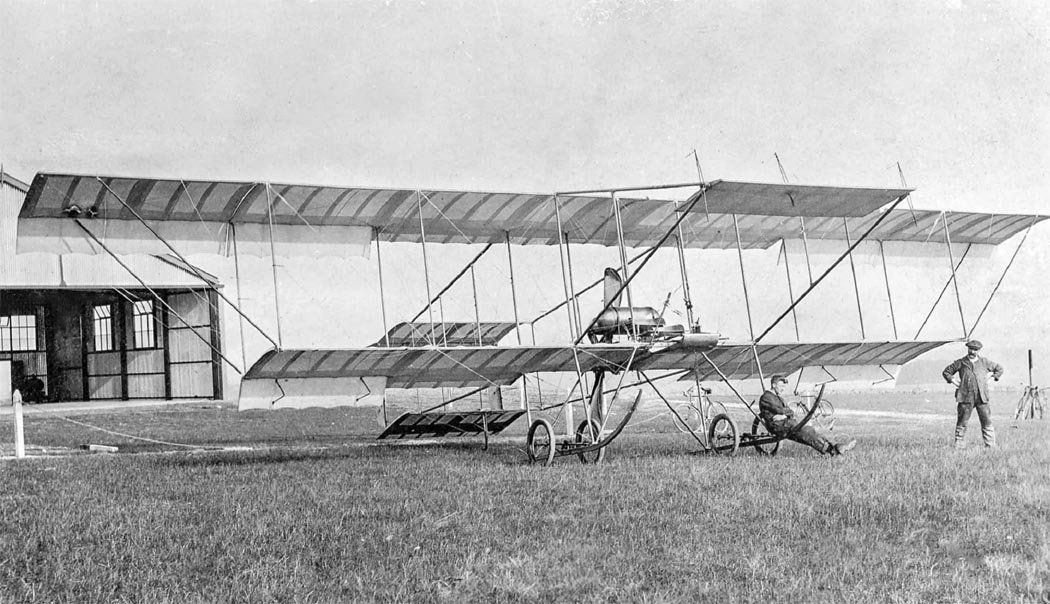 Boxkite |
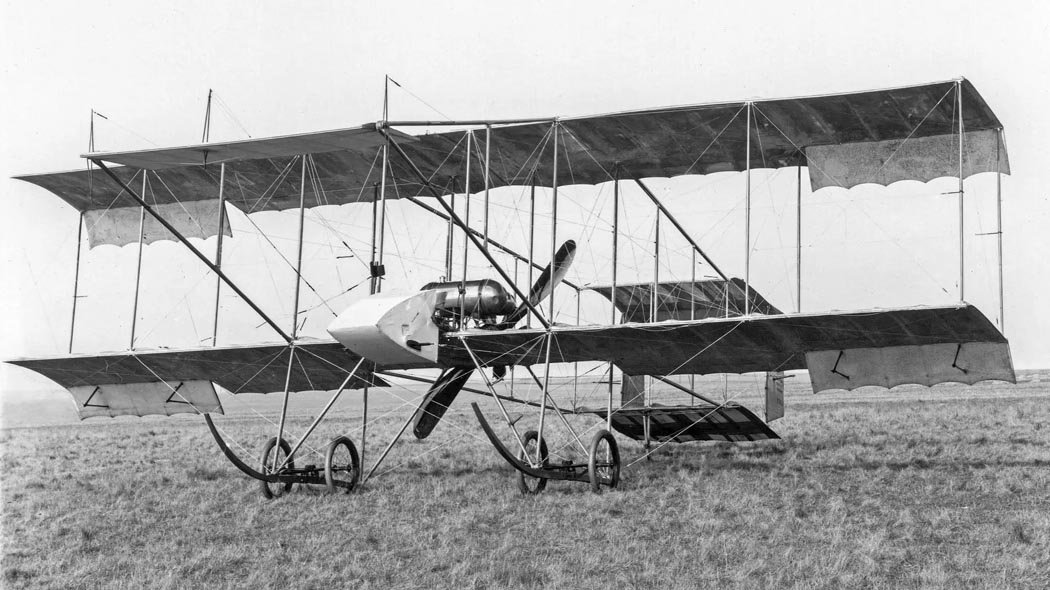 Boxkite |
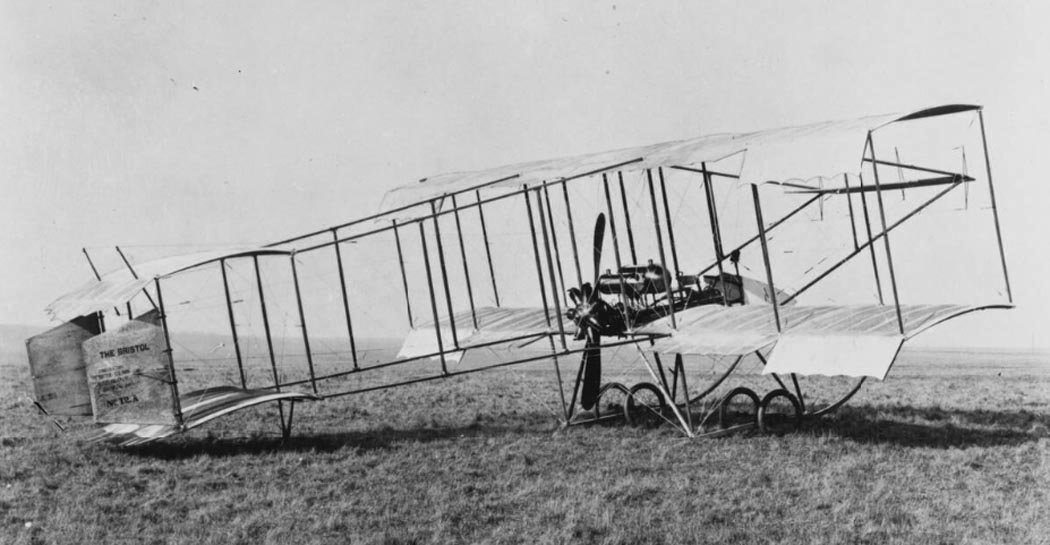 Boxkite |
 Boxkite |
 Boxkite |
 Boxkite |
 Boxkite |
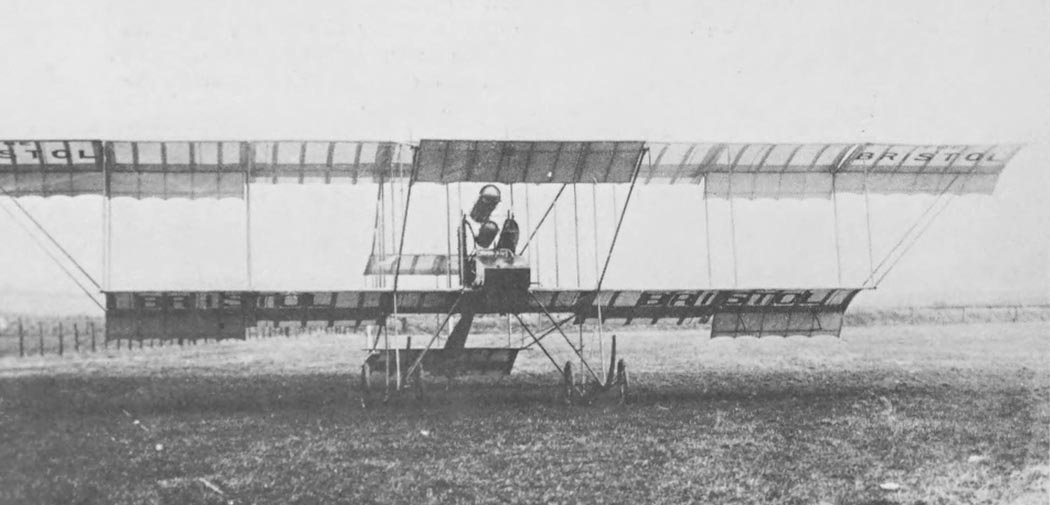 Boxkite |
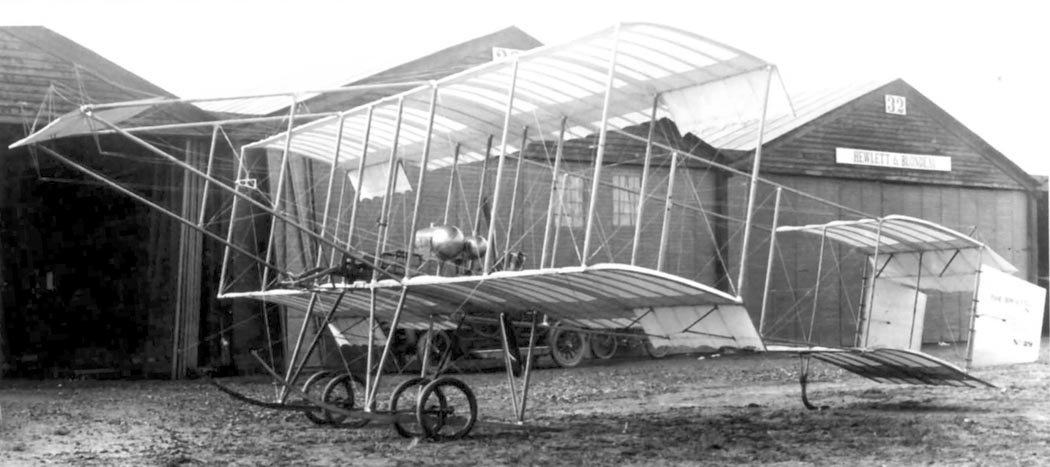 Boxkite |
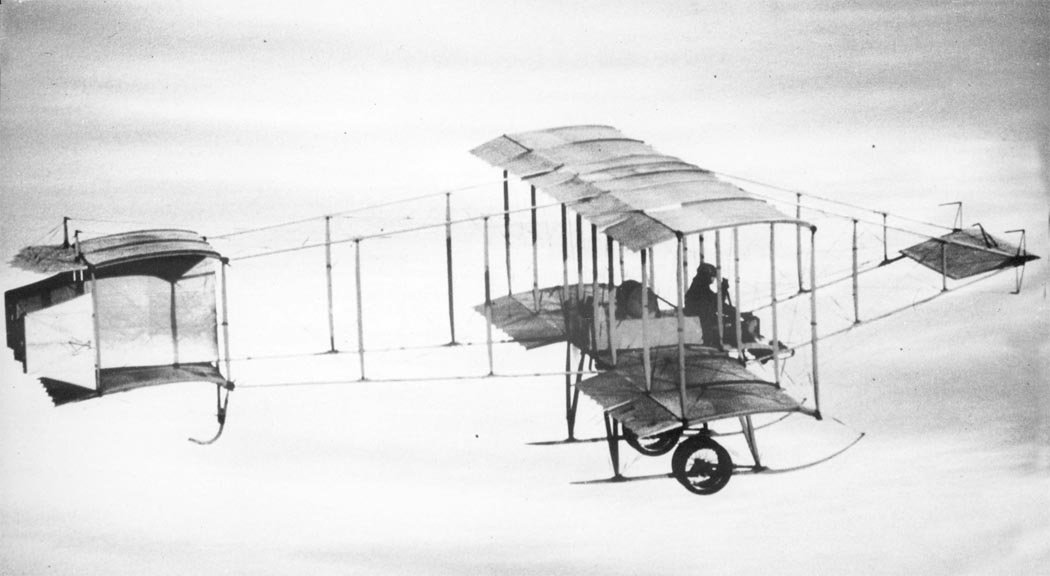 Boxkite |
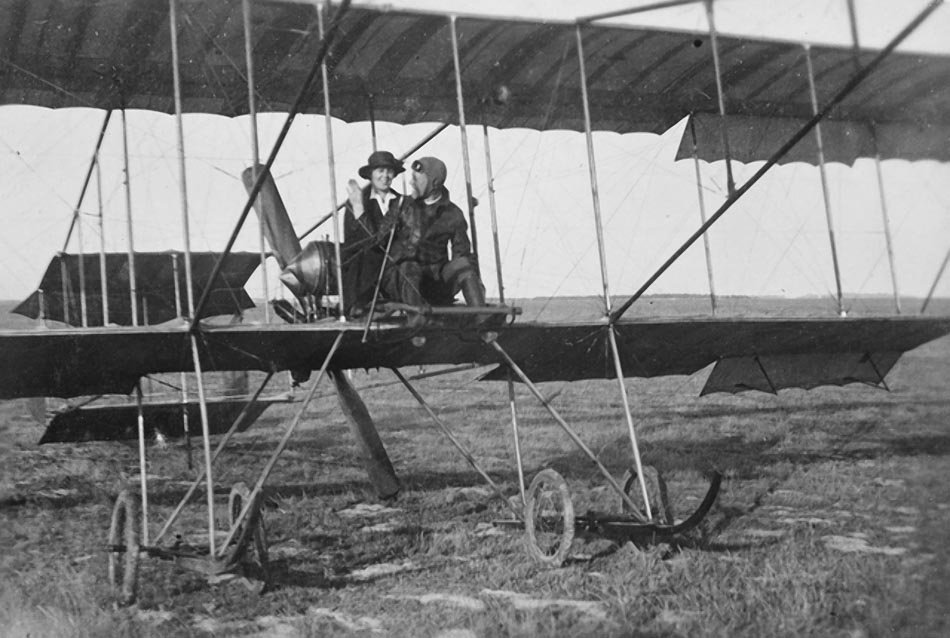 Boxkite |
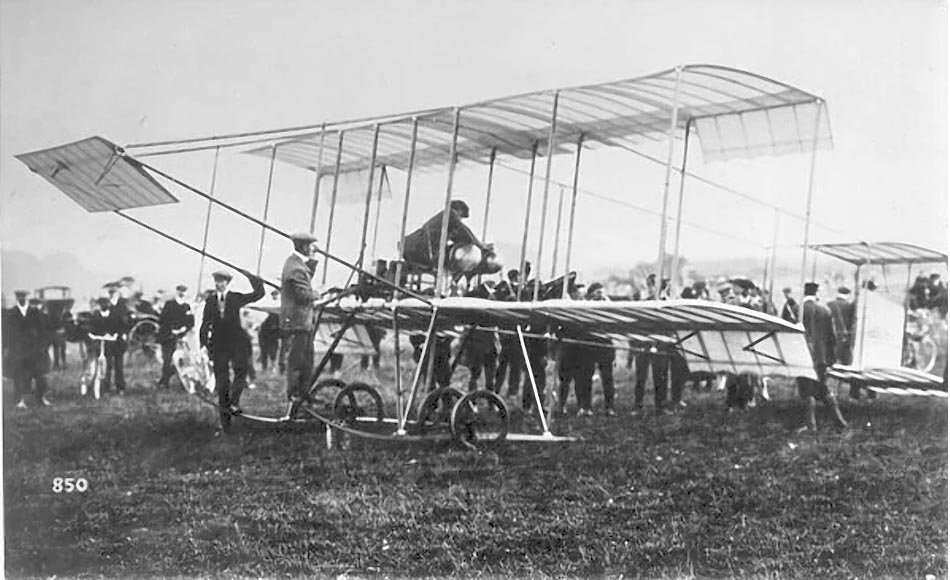 Boxkite |
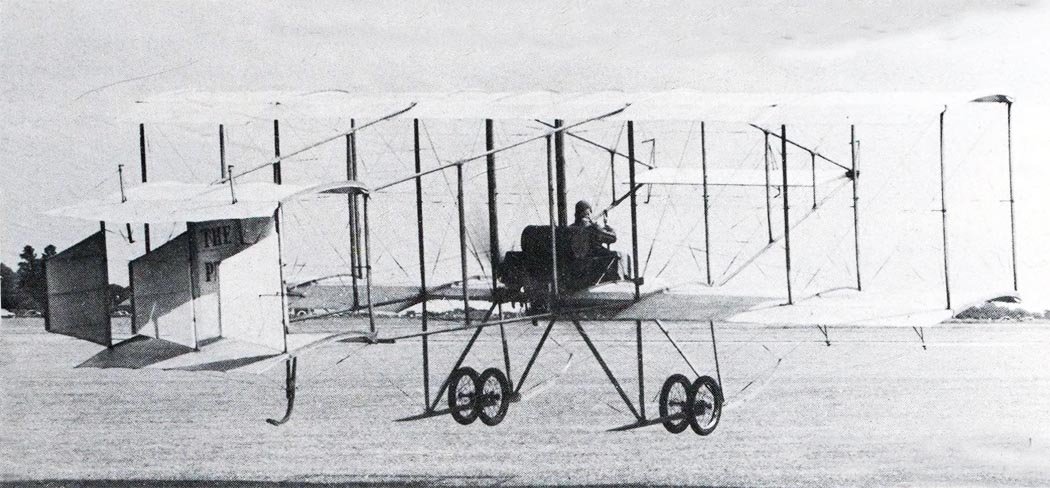 Boxkite |
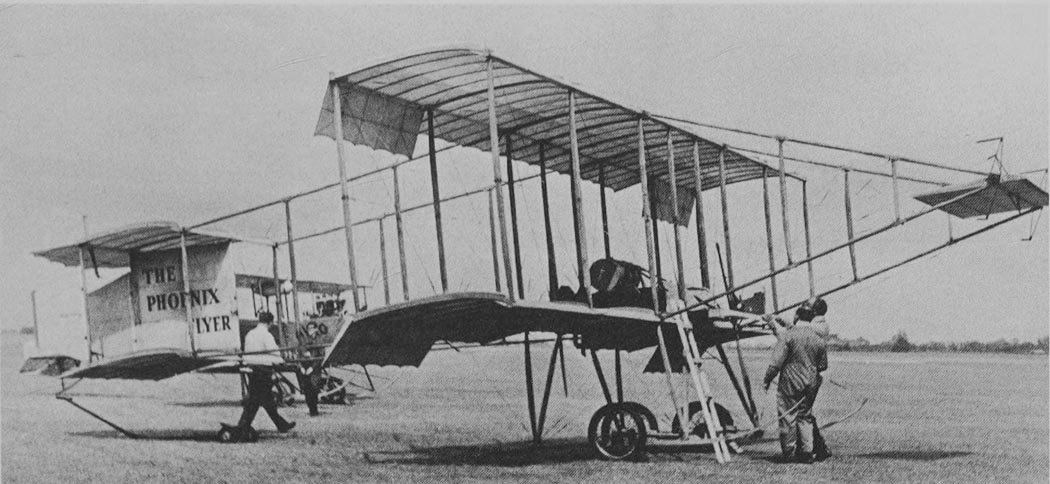 Boxkite |
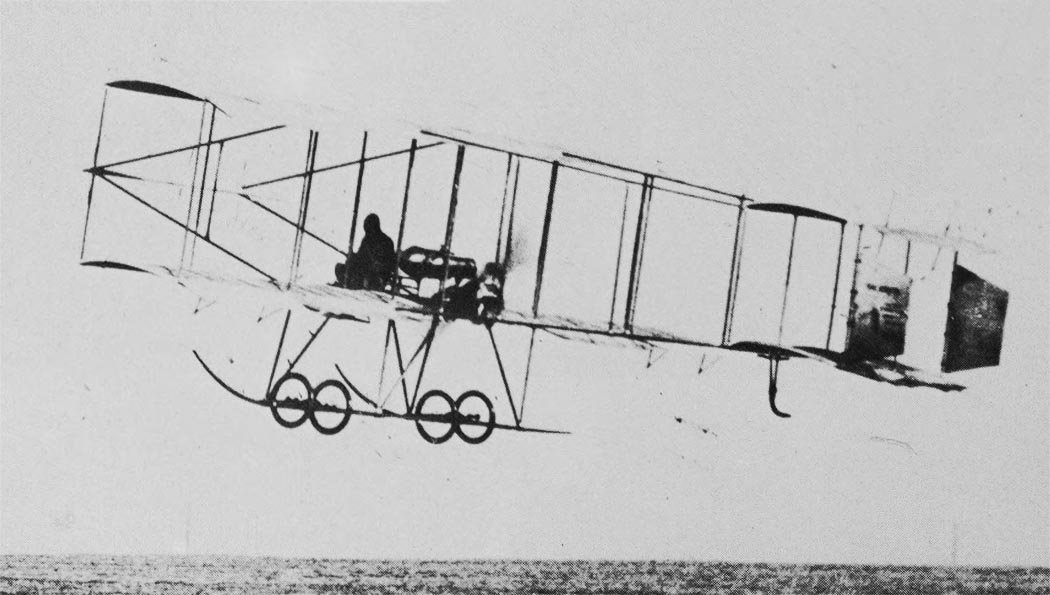 Boxkite |
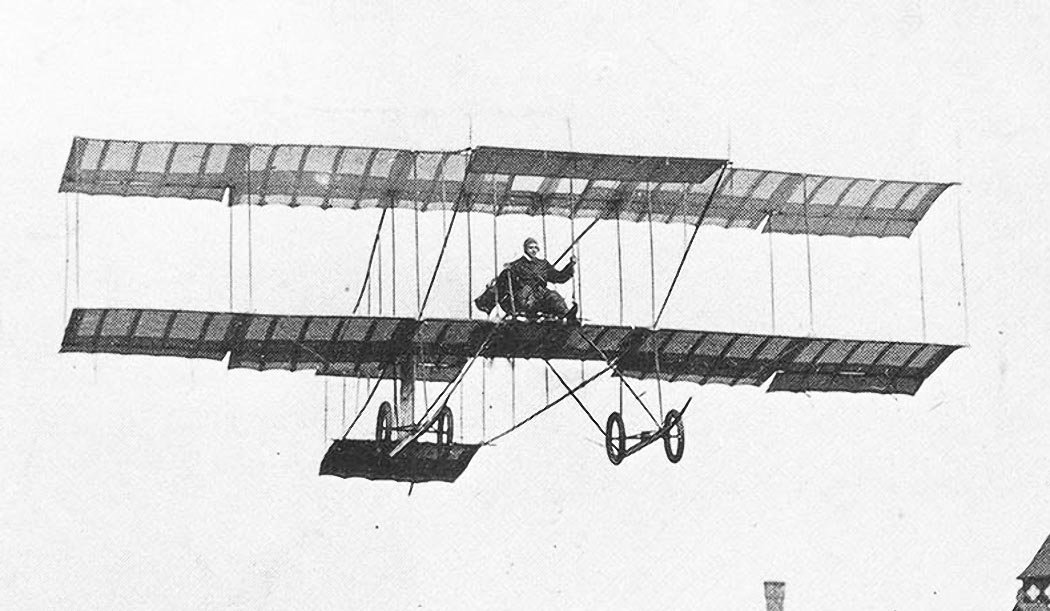 Boxkite |
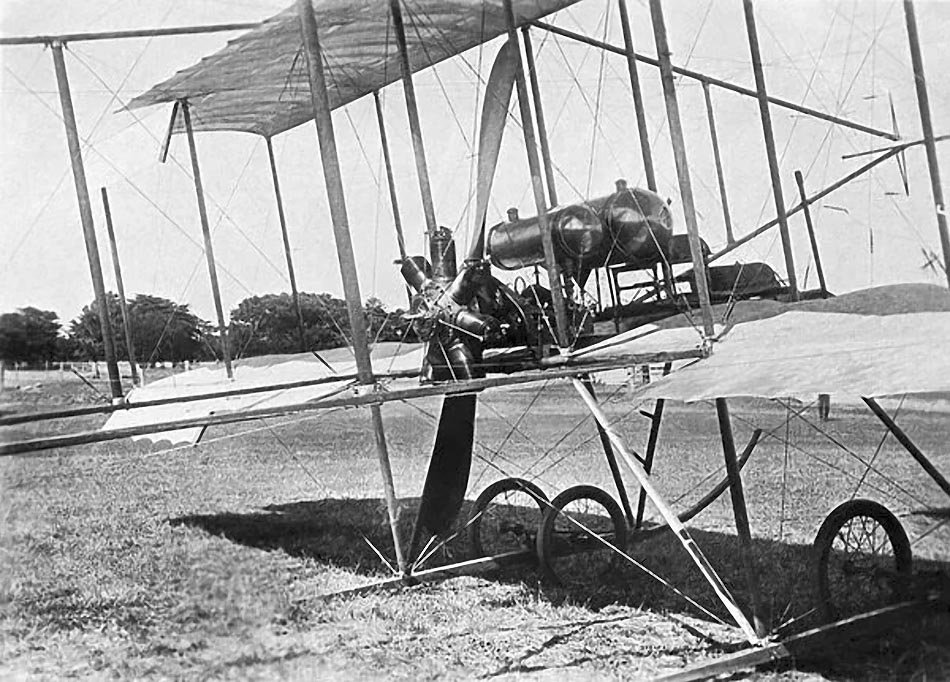 Boxkite |
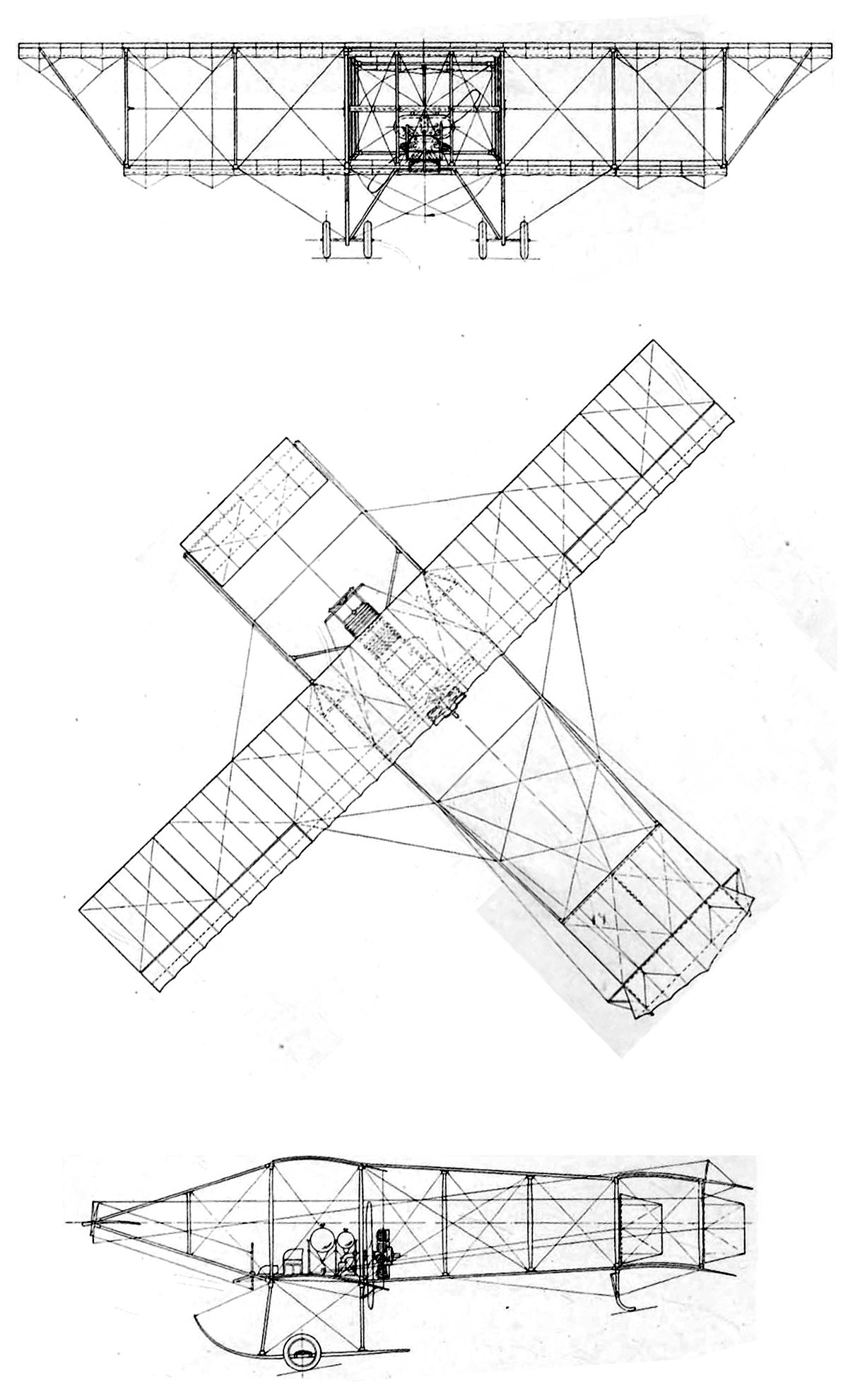 Boxkite |
ArchivoAéreo Editorial Team
A group of aviation researchers and enthusiasts dedicated to documenting and preserving global aeronautical history. All articles are reviewed to ensure historical accuracy.
Sources & Accuracy
The information presented in this technical sheet has been compiled from declassified flight manuals, historical archives, and specialized literature. While we strive for maximum accuracy, some performance data may vary depending on the specific variant or operational conditions.