Bristol Primary Trainer
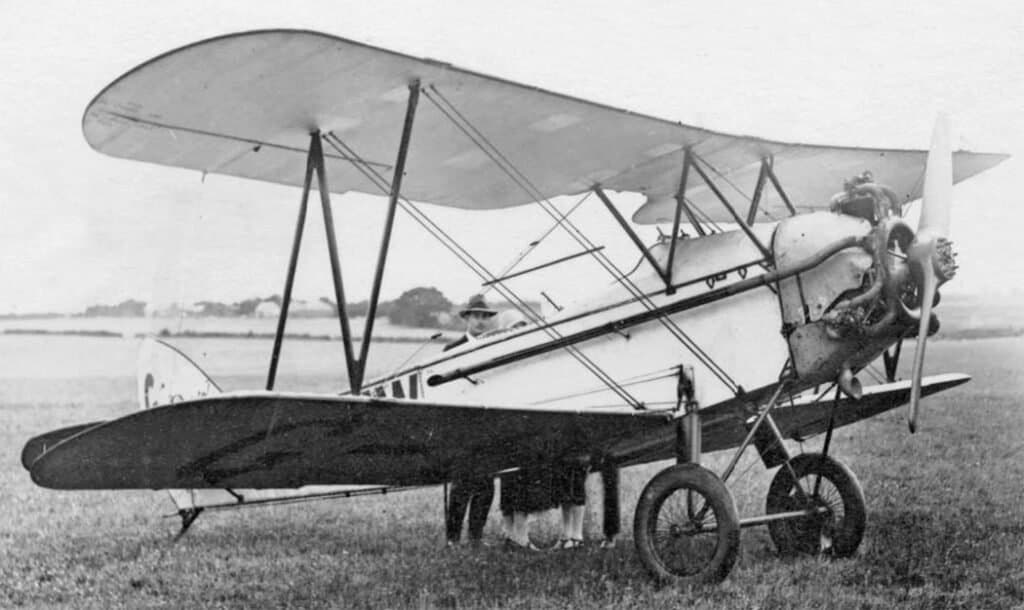
Initially, the Bristol Type 73 Taxiplane project was developed as a light, three-seater, multi-purpose aircraft. Its maiden flight took place on February 13, 1923.
The Shift to Training
However, after only three units were produced, it was decided to redesign it into a two-seat basic flight training aircraft, the Bristol Primary Trainer. This decision proved correct, and several supply contracts were soon signed. A total of 24 aircraft were produced, all equipped with a 120 hp Bristol Lucifer engine.
A Racing Legacy
The final modification was the racing Bristol Type 83E. This aircraft, fitted with a Bristol Titan engine, participated in the 1928 Kings Cup Race.
Technical Specifications
| Modification | Primary Trainer |
| Wingspan, m | 9.47 |
| Length, m | 7.41 |
| Height, m | 2.69 |
| Wing area, m2 | 26.38 |
| Empty weight | 608 |
| Normal takeoff weight | 862 |
| Engine type | 1 Piston engine Bristol Lucifer |
| Power, hp | 1 x 120 |
| Maximum speed, km/h | 154 |
| Cruising speed, km/h | 132 |
| Crew | 2 |
Image and diagram gallery of the Bristol Primary Trainer
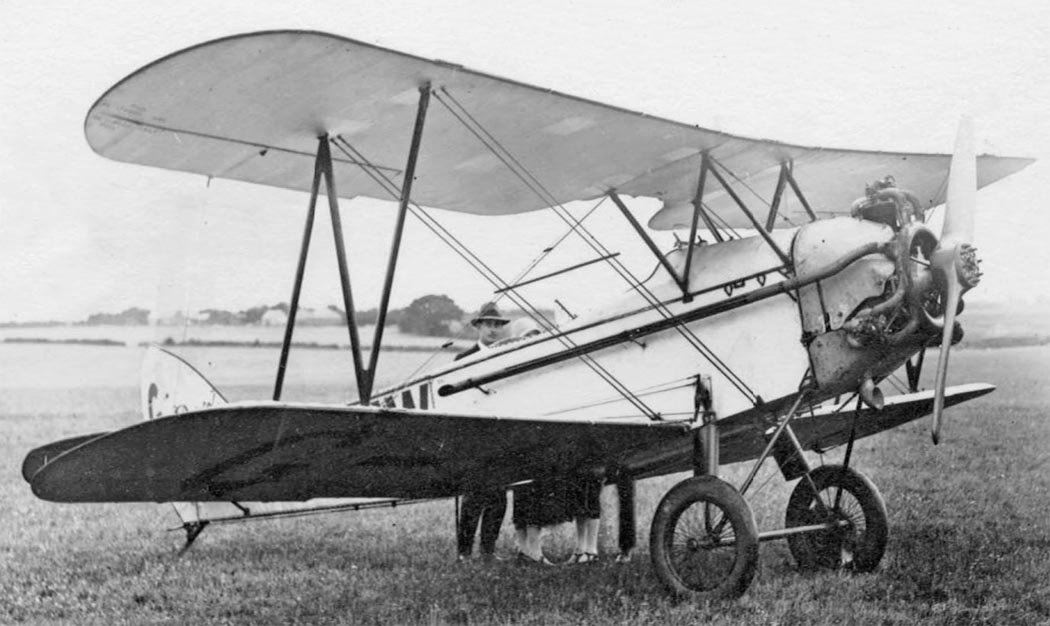 Primary Trainer (Taxiplane) |
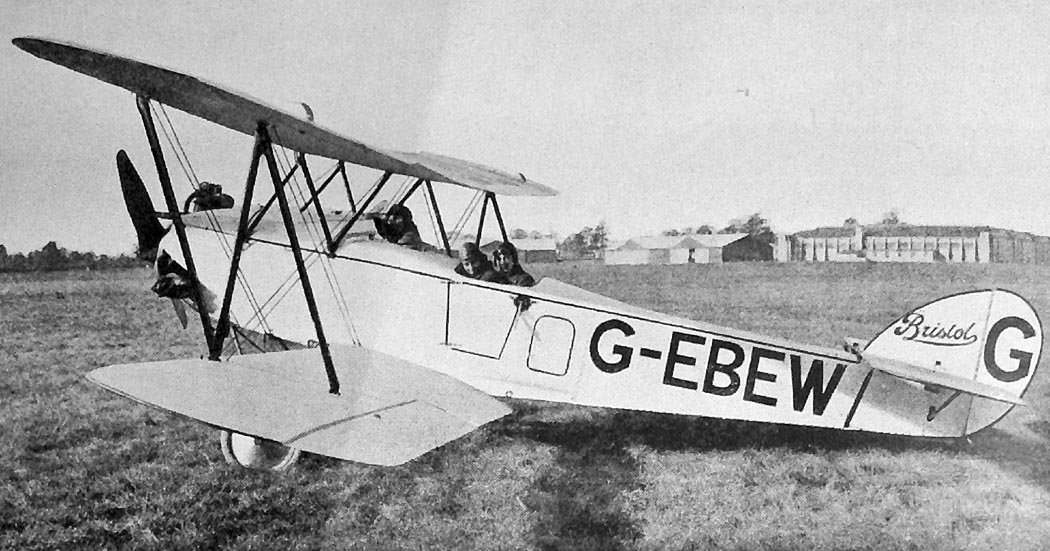 Primary Trainer (Taxiplane) |
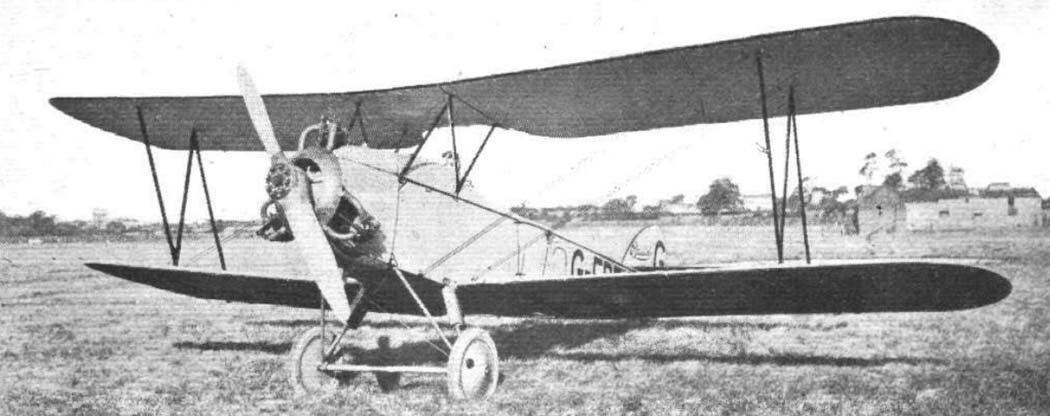 Primary Trainer (Taxiplane) |
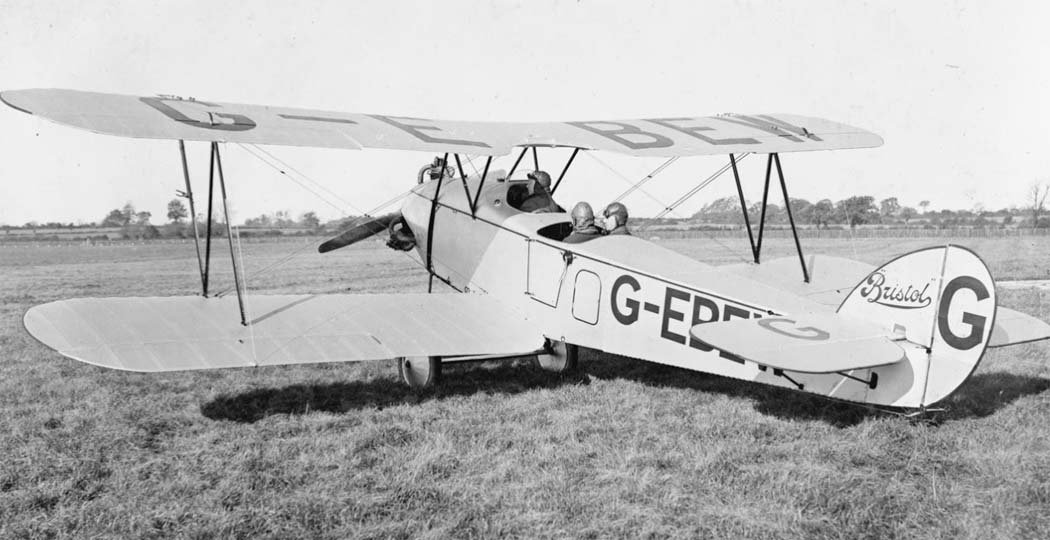 Primary Trainer (Taxiplane) |
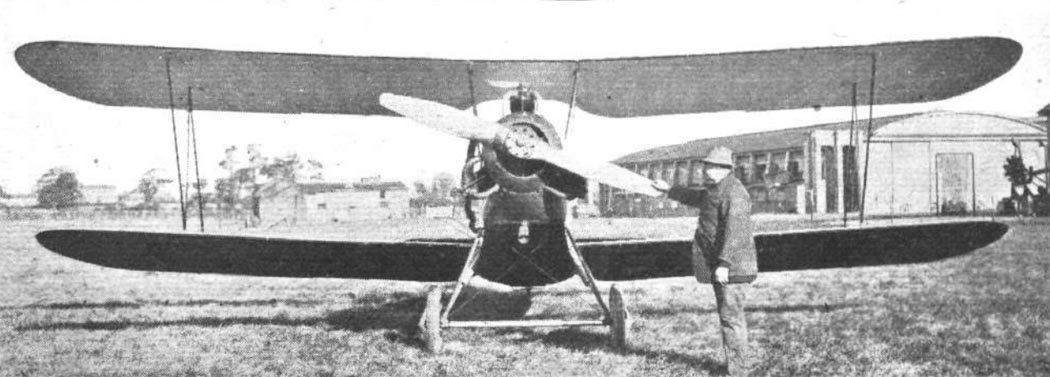 Primary Trainer (Taxiplane) |
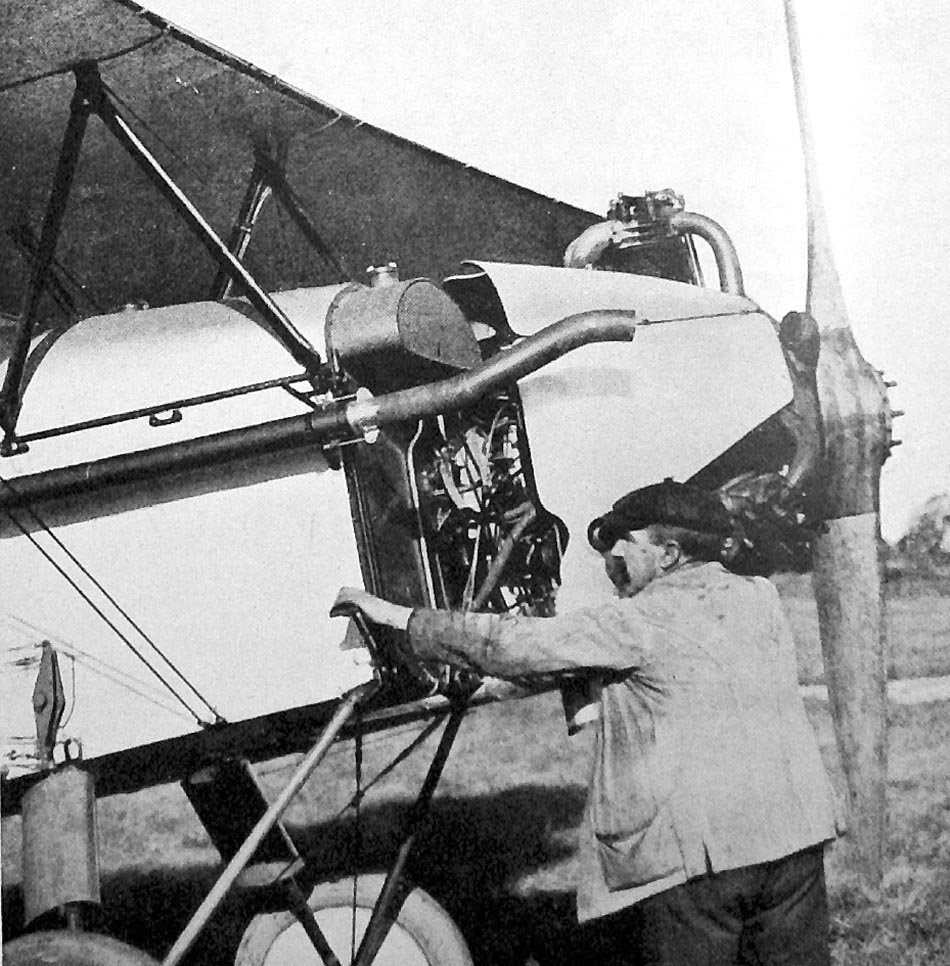 Primary Trainer (Taxiplane) |
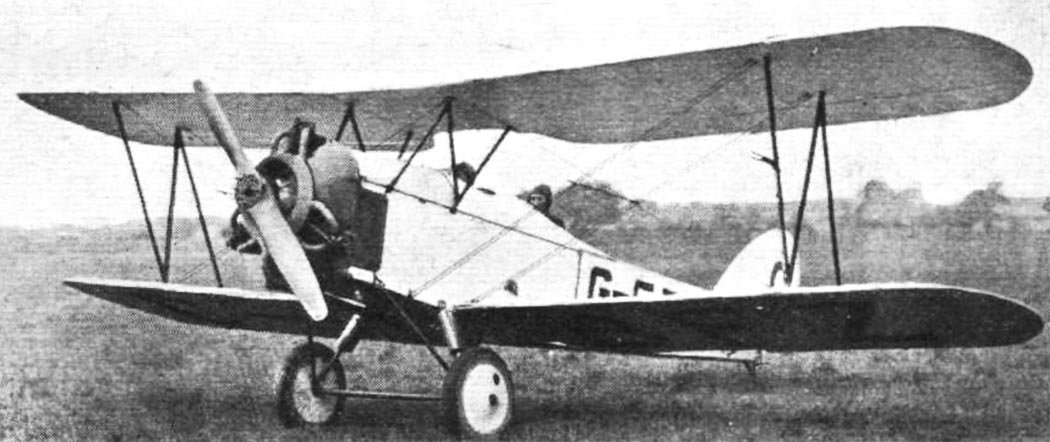 Primary Trainer (Taxiplane) |
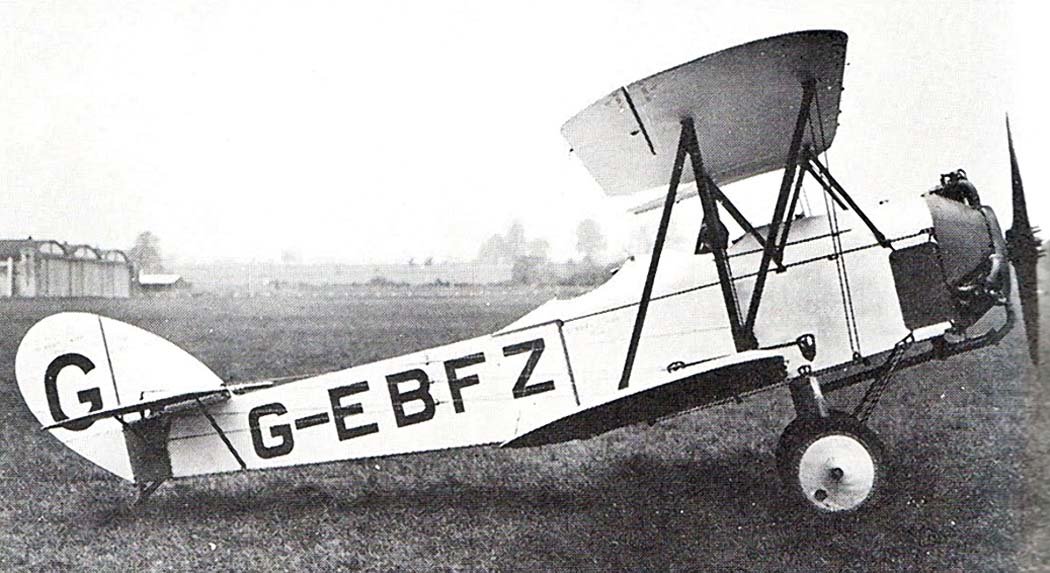 Primary Trainer (Taxiplane) |
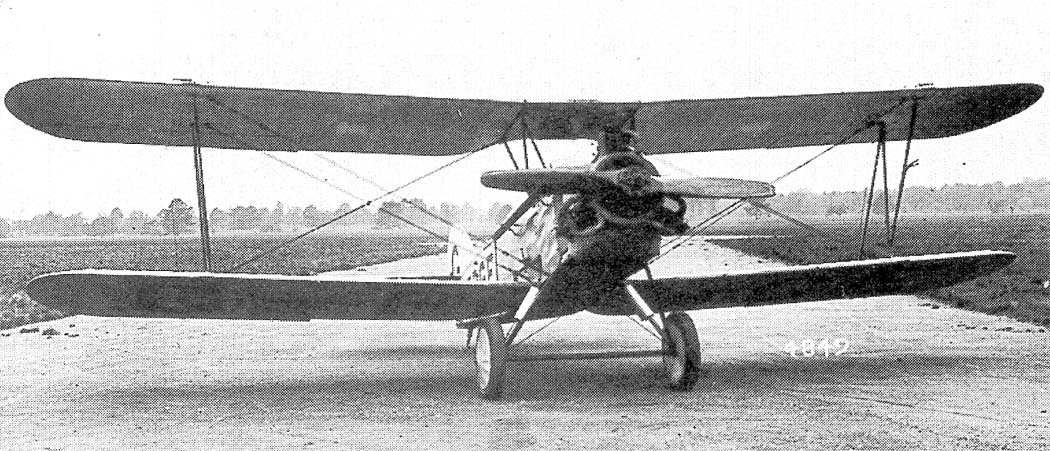 Primary Trainer (Taxiplane) |
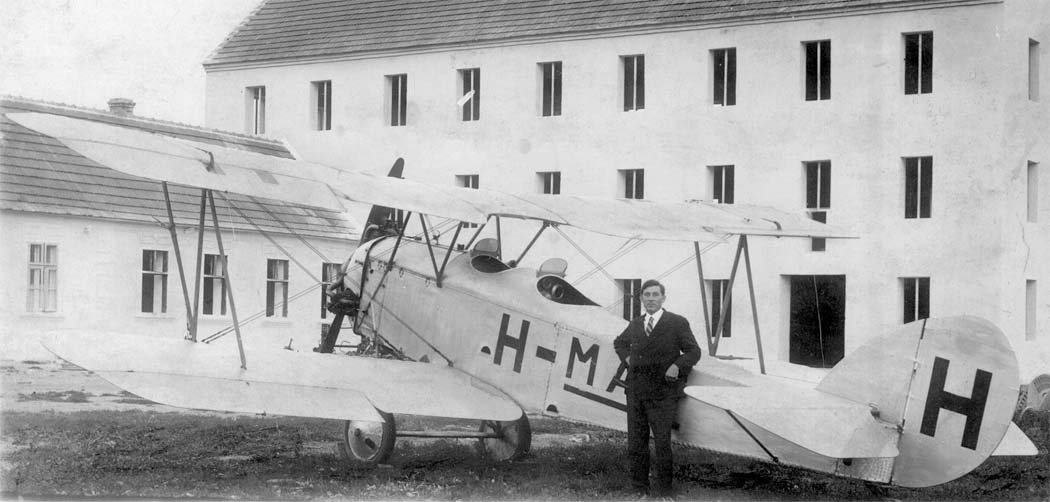 Primary Trainer (Taxiplane) |
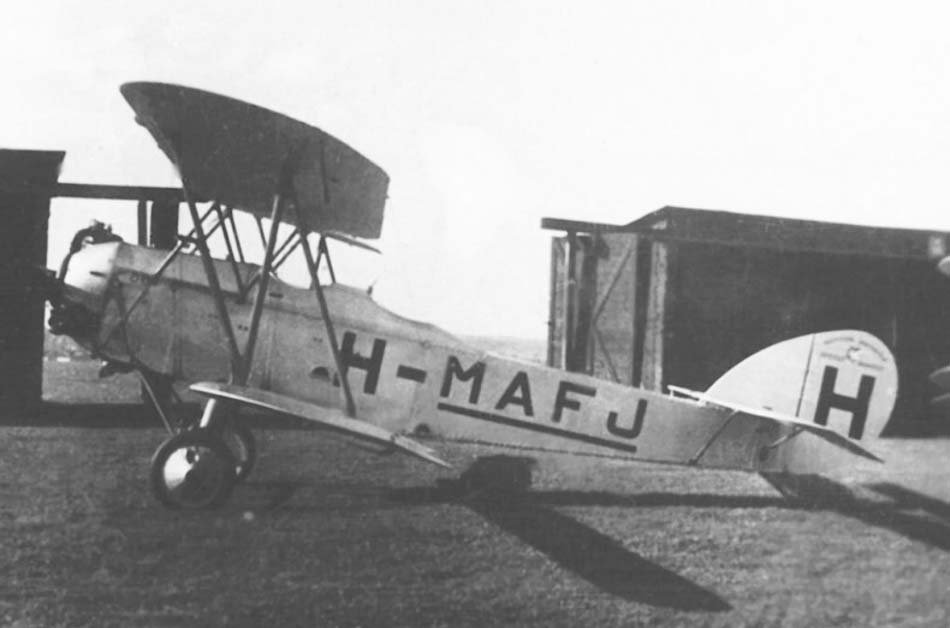 Primary Trainer (Taxiplane) |
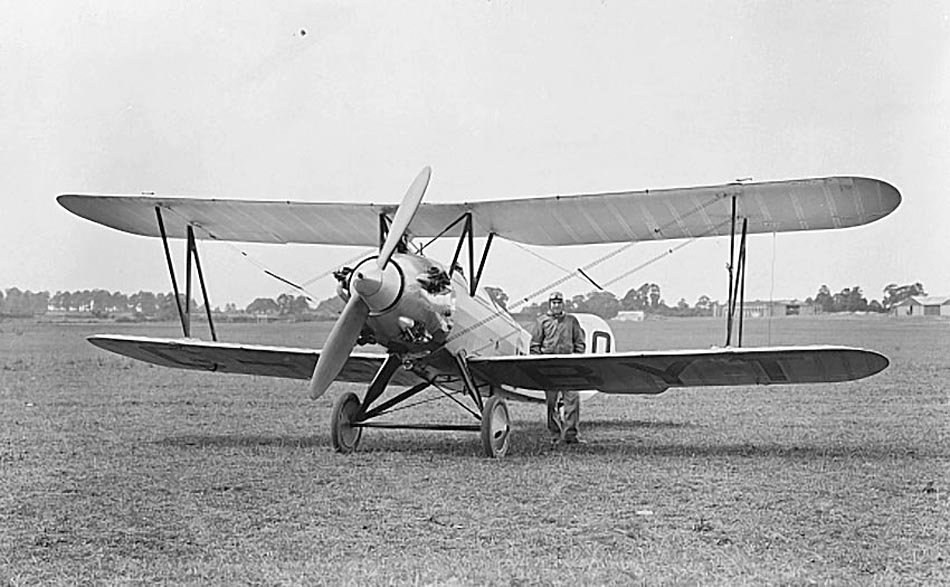 Primary Trainer (Taxiplane) |
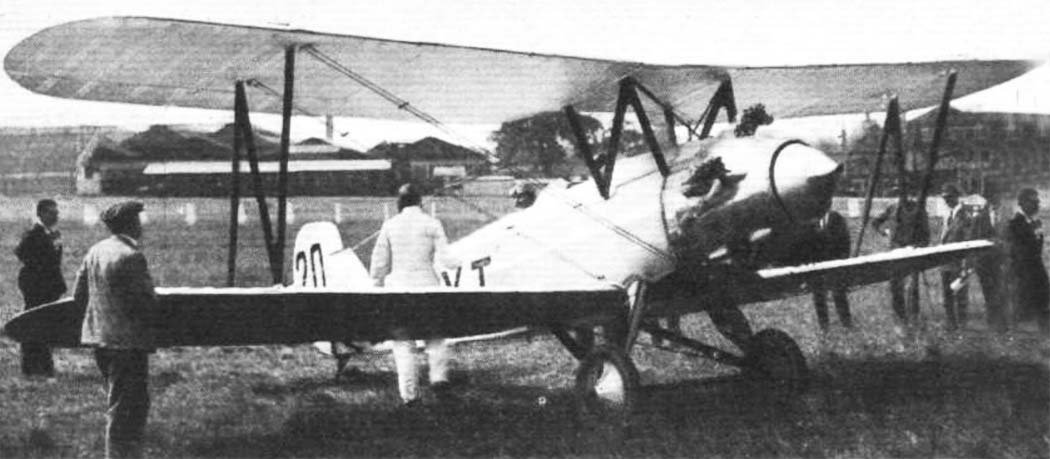 Primary Trainer (Taxiplane) |
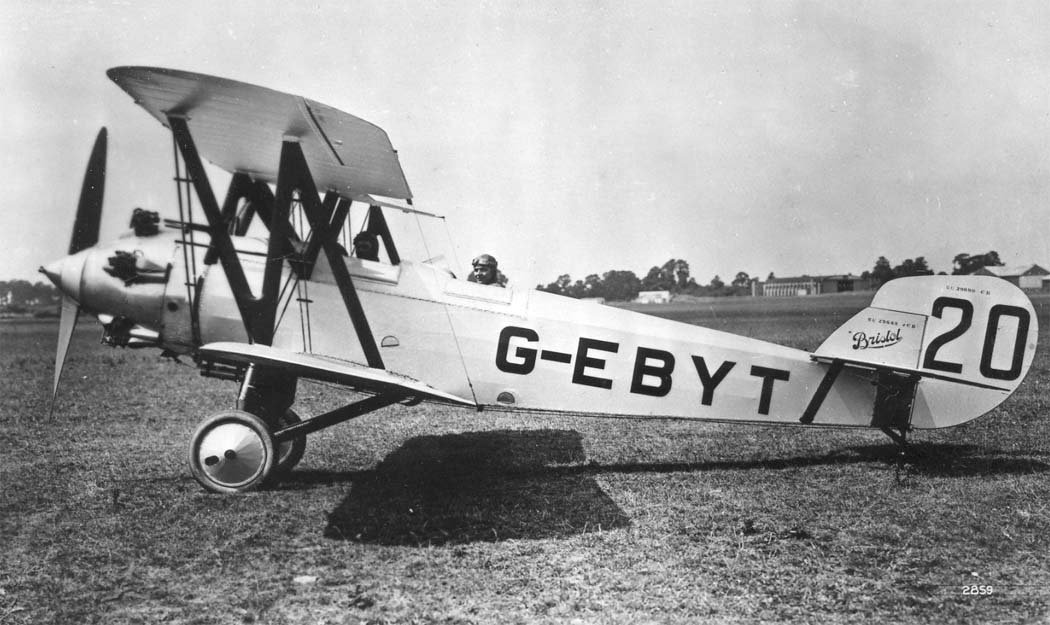 Primary Trainer (Taxiplane) |
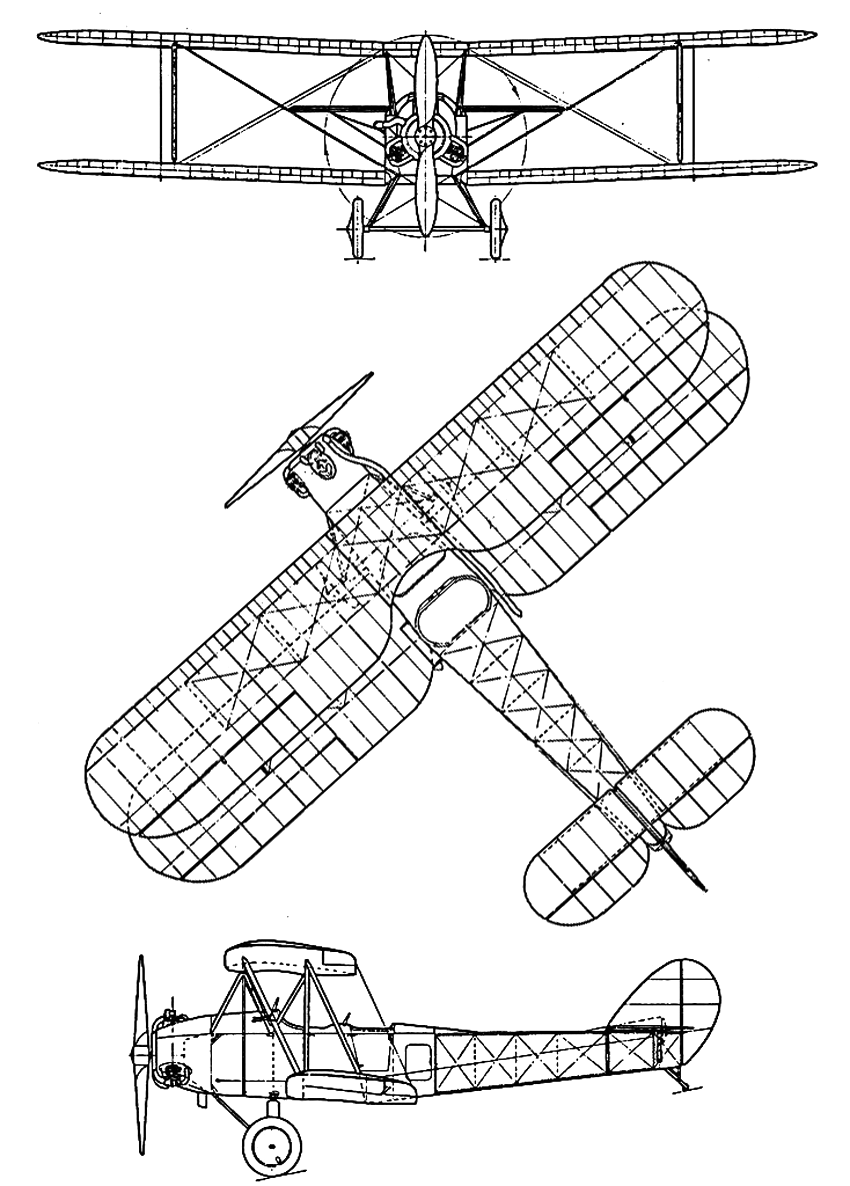 Primary Trainer (Taxiplane) |
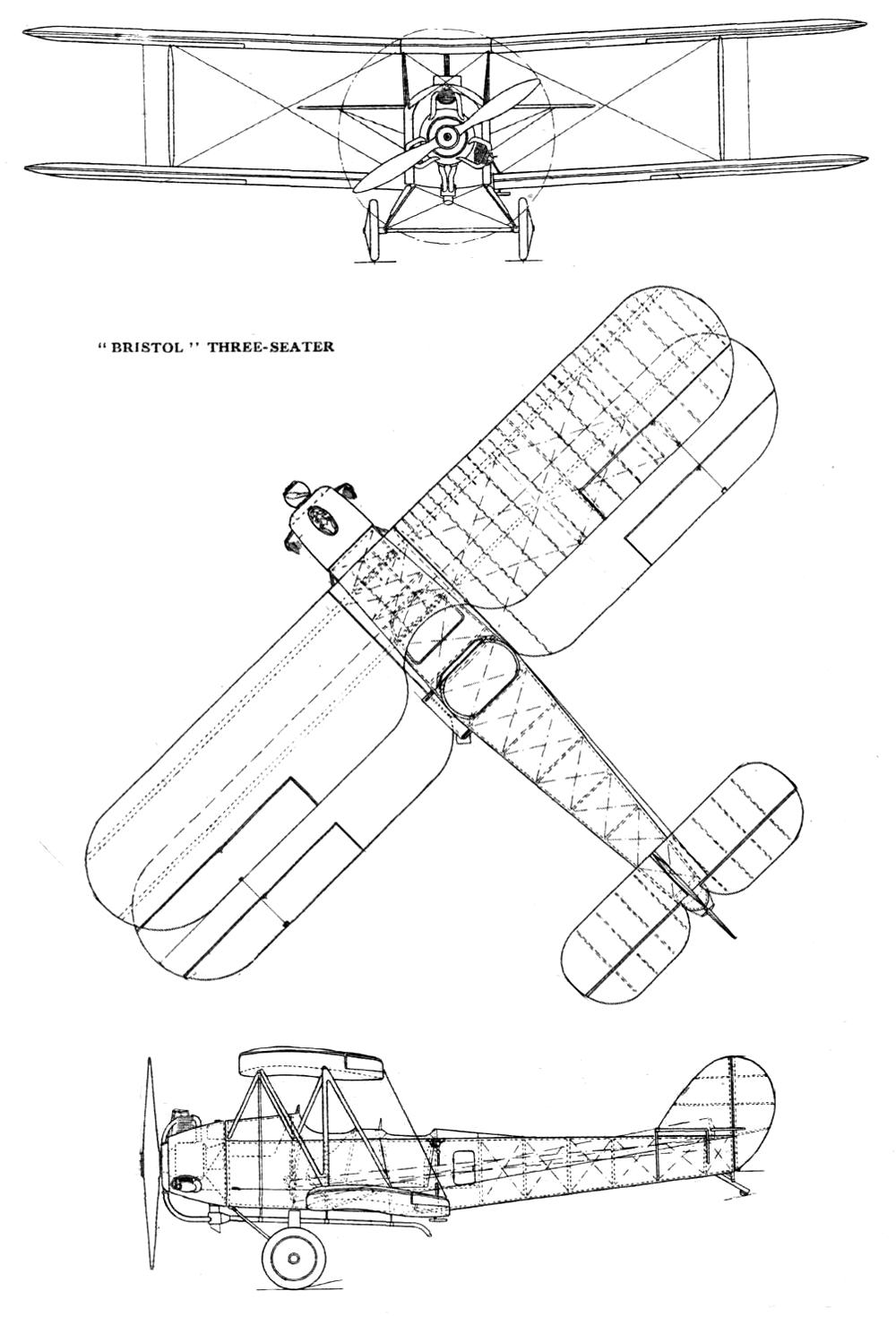 Primary Trainer (Taxiplane) |
ArchivoAéreo Editorial Team
A group of aviation researchers and enthusiasts dedicated to documenting and preserving global aeronautical history. All articles are reviewed to ensure historical accuracy.
Sources & Accuracy
The information presented in this technical sheet has been compiled from declassified flight manuals, historical archives, and specialized literature. While we strive for maximum accuracy, some performance data may vary depending on the specific variant or operational conditions.